
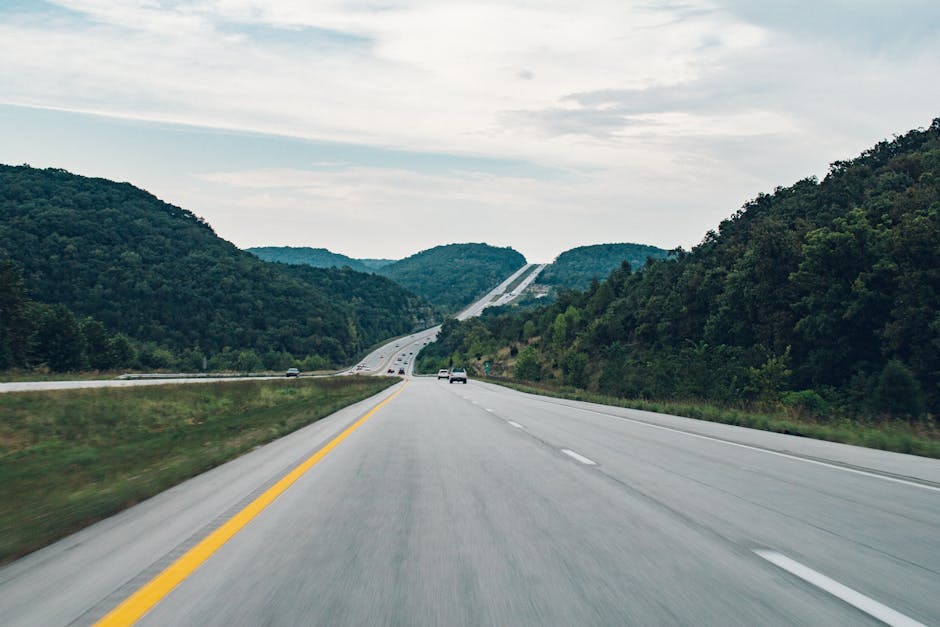
Travel Guide for Road Trips: Plan, Pack, and Drive with Confidence
A reliable travel guide for road trips helps you avoid common pitfalls and make the most of every mile. Whether you’re exploring national parks, cruising coastal highways, or visiting small towns off the beaten path, a well-planned road trip combines freedom with preparation. This guide covers essential planning steps, vehicle checks, packing strategies, safety tips, and route optimization to ensure your journey is smooth, enjoyable, and memorable. From choosing the right vehicle to navigating rest stops and managing fatigue, we’ll walk you through everything you need to know before hitting the open road.
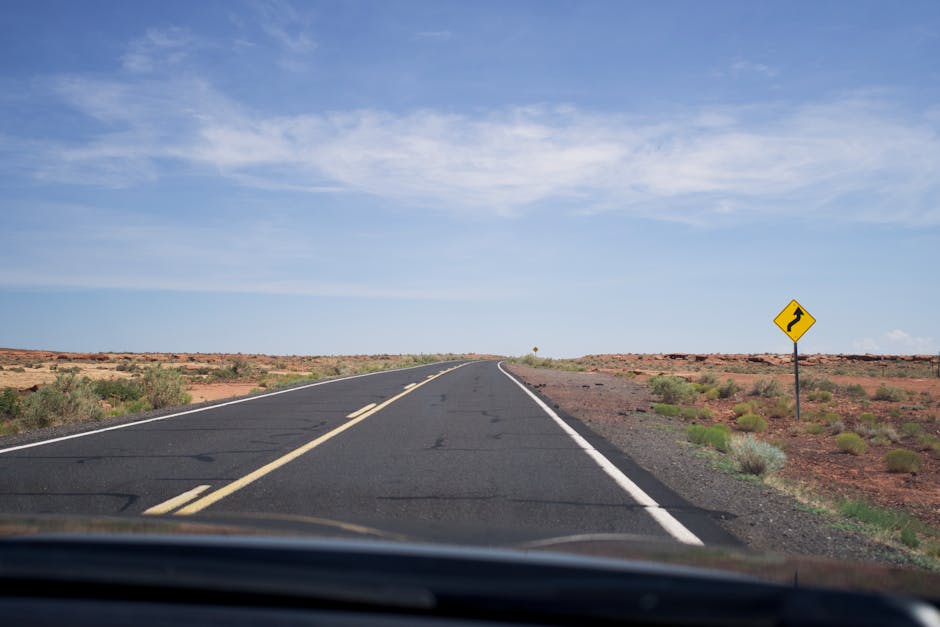
Why a Road Trip Travel Guide Matters
Road trips offer unmatched flexibility and access to remote destinations, but they also come with unique challenges. Without proper planning, you risk breakdowns, missed attractions, or unsafe conditions. A solid travel guide for road trips acts as your roadmap—not just geographically, but logistically. It helps you anticipate fuel stops, identify scenic detours, manage time zones, and prepare for weather changes. More importantly, it reduces stress by giving you a clear framework to follow, so you can focus on the experience rather than last-minute decisions.
Common Road Trip Challenges—and How to Avoid Them
- Vehicle breakdowns: Caused by poor maintenance or overloading. Regular pre-trip inspections prevent most issues.
- Navigation errors: GPS failures or outdated maps can lead to delays. Always carry a physical map as backup.
- Driver fatigue: Long hours behind the wheel increase accident risk. Schedule breaks every two hours.
- Budget overruns: Unplanned fuel, lodging, or food costs add up. Track expenses daily and set spending limits.
- Weather disruptions: Sudden storms or heatwaves affect driving conditions. Check forecasts for your entire route.
Step-by-Step Road Trip Planning
Effective planning begins weeks—not days—before departure. Follow this proven sequence to build a dependable itinerary.
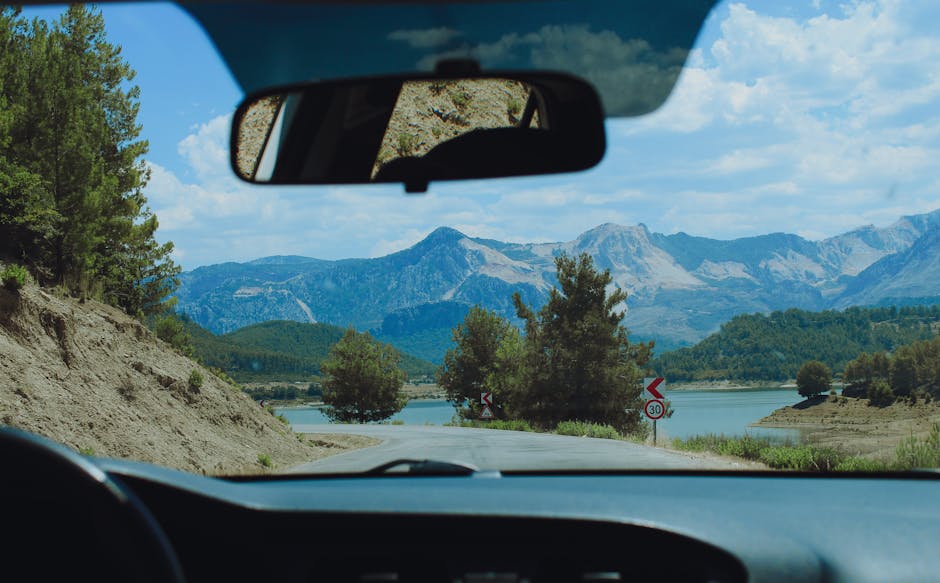
1. Define Your Route and Destinations
Start by mapping your start and end points, then identify must-see stops along the way. Use tools like Google Maps, Roadtrippers, or Rand McNally’s TripMaker to visualize distances and driving times. Aim for no more than 6–8 hours of driving per day to maintain energy and enjoyment. For example, a Los Angeles to Yellowstone trip might include stops in Las Vegas, Salt Lake City, and Grand Teton National Park—each adding unique value without overextending daily drives.
2. Choose the Right Vehicle
Your car should match your trip’s demands. A compact sedan works for city-to-city hops, but rugged terrain or long distances call for an SUV or minivan with better ground clearance and cargo space. Consider fuel efficiency, tire condition, and onboard storage. If renting, inspect the vehicle thoroughly and verify insurance coverage. Always test drive before committing.
3. Book Accommodations in Advance—But Stay Flexible
Popular routes fill up quickly, especially during peak seasons. Reserve campsites, motels, or vacation rentals at key stops, but leave room for spontaneous detours. Apps like Hipcamp or The Dyrt help locate last-minute campsites, while Airbnb offers rural cabins near scenic areas. Avoid overbooking—it limits your ability to adapt to weather or mood changes.
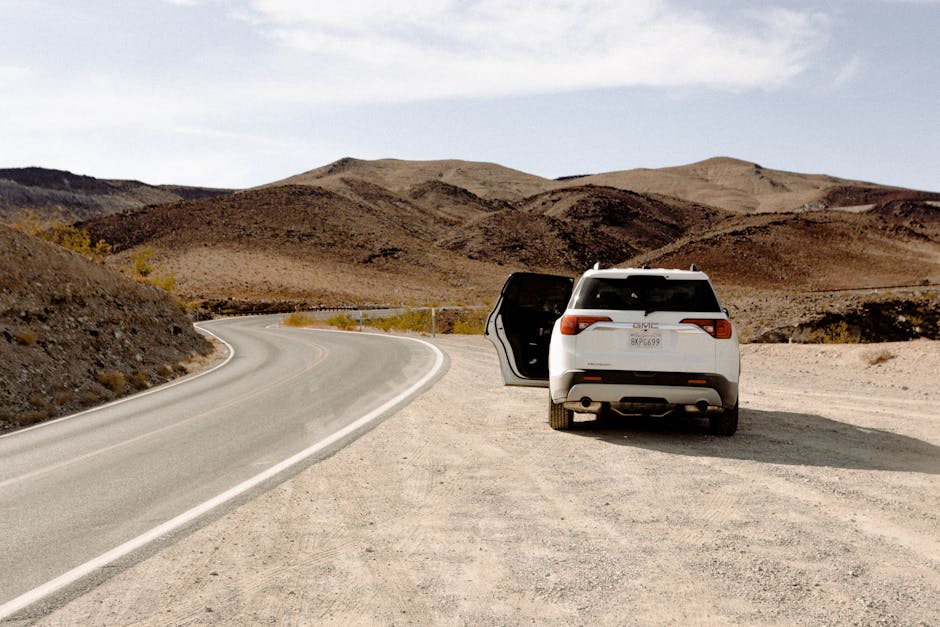
4. Prepare an Emergency Kit
Even minor issues can escalate without basic supplies. Pack a kit that includes jumper cables, a first-aid kit, flashlight, extra water, non-perishable snacks, a portable phone charger, and a basic tool set. Add region-specific items: tire chains for mountain passes, bug spray for forested areas, or a sunshade for desert drives.
Vehicle Maintenance Checklist Before You Go
Mechanical failure is one of the top causes of road trip delays. A thorough inspection ensures your vehicle is road-ready.
- Oil and fluids: Check engine oil, coolant, brake fluid, and windshield washer levels. Top off or replace as needed.
- Tires: Inspect tread depth, pressure, and sidewalls. Rotate if necessary and ensure the spare is inflated and accessible.
- Battery: Test voltage and clean terminals. Replace batteries older than three years.
- Brakes: Listen for squeaking or grinding. Have them serviced if responsiveness feels off.
- Lights: Confirm headlights, brake lights, turn signals, and hazard flashers are functional.
- Air filter: A clogged filter reduces fuel efficiency. Replace if dirty.
Schedule a professional inspection at least one week before departure. Many mechanics offer free pre-trip checks during peak travel seasons.
Packing Smart: What to Bring and What to Leave Behind
Overpacking leads to clutter and reduced fuel efficiency. Pack only what you’ll realistically use, and organize items for easy access.
Essential Packing Categories
- Documents: Driver’s license, registration, insurance, roadside assistance info, and printed maps.
- Electronics: Phone mounts, car charger, power bank, and adapters. Download offline maps in case of poor signal.
- Clothing: Layered outfits for changing weather. Include comfortable shoes, rain gear, and sleepwear.
- Food and drink: Reusable water bottles, snacks (nuts, granola bars), and a cooler for perishables. Avoid messy or strong-smelling foods.
- Comfort items: Travel pillows, blankets, eye masks, and entertainment (audiobooks, playlists, travel games).
Use packing cubes or duffel bags to separate categories. Store frequently used items in the front seat or center console.
On the Road: Safety and Comfort Tips
Driving long distances requires attention to both safety and well-being. Small habits make a big difference over hundreds of miles.
Stay Alert and Rested
Fatigue impairs reaction time as much as alcohol. Follow the 2-hour rule: stop, stretch, and hydrate every 100–120 miles. Switch drivers if possible. Avoid driving between 2 a.m. and 6 a.m., when drowsiness peaks. If you feel tired, pull over in a safe area and nap for 20–30 minutes.
Use Technology Wisely
GPS and apps enhance navigation but shouldn’t replace judgment. Set your destination before driving. Use voice commands to minimize distraction. Enable “Do Not Disturb While Driving” on your phone. For offline use, download maps via Google Maps or Maps.me.
Fuel and Rest Stop Strategy
Refuel when your tank hits half-full, especially in rural areas where stations are sparse. Use apps like GasBuddy to find the cheapest nearby fuel. Combine fuel stops with rest breaks—stretch, use restrooms, and grab a snack. Avoid driving more than 4–5 hours without a longer break.
Scenic Routes and Hidden Gems to Consider
Some of the best road trip experiences come from偏离主要高速公路. Here are a few lesser-known but rewarding routes:
- Pacific Coast Highway (California): Stunning ocean views, charming towns like Carmel and Mendocino, and access to Redwood forests.
- Blue Ridge Parkway (Virginia to North Carolina): Winding mountain roads with overlooks, hiking trails, and fall foliage.
- Great River Road (Mississippi River): Follows the river through 10 states, offering cultural stops, river towns, and historic sites.
- Going-to-the-Sun Road (Glacier National Park, Montana): A engineering marvel with alpine scenery, wildlife sightings, and glacial lakes.
Always check seasonal closures—some mountain passes close in winter due to snow.
Budgeting for Your Road Trip
Costs vary widely based on distance, vehicle type, and travel style. Use this comparison to estimate expenses for a 7-day, 1,000-mile trip:
| Expense Category | Budget Option | Mid-Range Option | Luxury Option |
|---|---|---|---|
| Fuel | $150 | $200 | $250 |
| Accommodation | $300 (camping/motels) | $700 (mid-tier hotels) | $1,400 (resorts/Airbnb) |
| Food | $200 (groceries/cooking) | $400 (mix of cooking/eating out) | $700 (restaurants daily) |
| Activities & Attractions | $100 | $250 | $500 |
| Emergency/Incidentals | $100 | $150 | $200 |
| Total Estimated Cost | $850 | $1,700 | $3,050 |
Track spending with a simple spreadsheet or app like Trail Wallet. Set daily limits to avoid surprises.
Eco-Friendly Road Tripping
Reduce your environmental impact without sacrificing adventure. Choose fuel-efficient vehicles or carpool when possible. Avoid single-use plastics by bringing reusable bottles, utensils, and food containers. Support local businesses and leave no trace at campsites and trailheads. Offset carbon emissions through verified programs if flying to your starting point.
Final Tips for a Successful Journey
- Share your itinerary with a trusted contact, including check-in times.
- Keep a physical copy of important documents in case your phone dies.
- Respect local customs and speed limits—especially in rural or residential areas.
- Take photos, but stay present. Some moments aren’t meant to be filtered.
- Allow time for unplanned discoveries—the best memories often happen off-schedule.
FAQ
How many miles should I drive per day on a road trip?
Limit daily driving to 300–400 miles (5–7 hours) to maintain comfort and safety. This allows time for sightseeing, meals, and rest without rushing.
What should I do if my car breaks down on a remote road?
Pull over safely, turn on hazard lights, and stay with your vehicle if it’s secure. Call roadside assistance or emergency services. If you have cell service, use GPS to share your location. Keep your emergency kit accessible.
Can I camp anywhere along my route?
No. Dispersed camping is allowed in some national forests and BLM lands, but private property, parks, and urban areas prohibit overnight stays. Always check local regulations and use designated campsites when possible.
A well-prepared travel guide for road trips turns uncertainty into confidence. With the right planning, your journey becomes as rewarding as your destination.

