
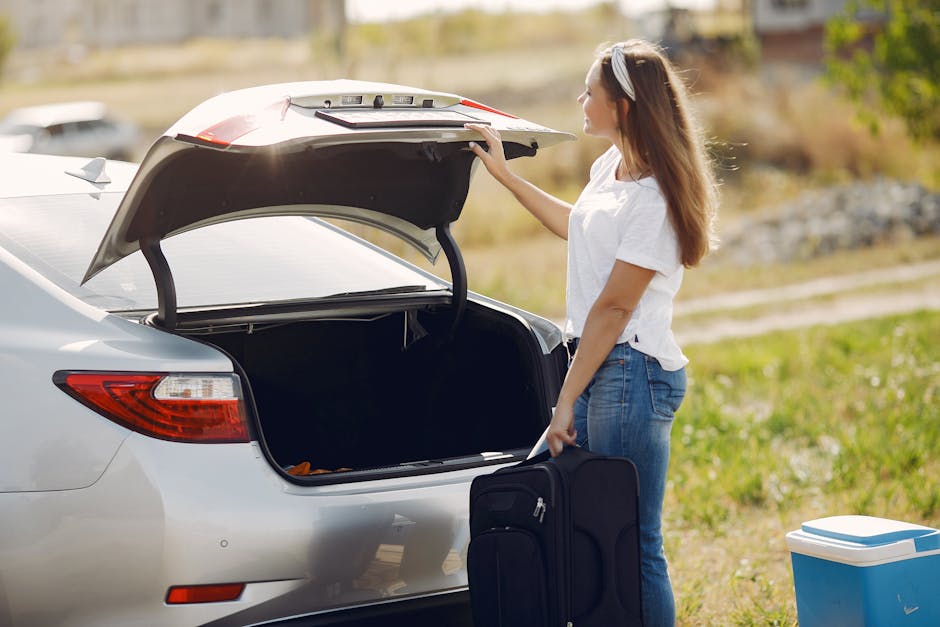
Travel Guide for Weekend Trips: Smart Planning for Short Getaways
Looking for a practical travel guide for weekend trips that actually helps you make the most of your limited time off? Weekend getaways offer the perfect balance between adventure and convenience—no need for extended vacation days or elaborate planning. With the right approach, you can explore charming towns, unwind in nature, or experience urban culture—all within 48 to 72 hours. This guide walks you through choosing destinations, packing efficiently, managing your itinerary, and avoiding common pitfalls so your short trip feels refreshing and well-organized, not rushed or stressful.

Why Weekend Trips Are Worth Your Time
Weekend trips are more than just a quick escape—they’re a proven way to recharge, strengthen relationships, and break the monotony of daily routines. Unlike long vacations that require weeks of planning and budgeting, short getaways are accessible, affordable, and flexible. Whether you’re driving a few hours from home or catching a budget flight to a nearby city, weekend trips allow you to explore new places without disrupting work or family commitments.
Studies consistently show that regular short breaks improve mental well-being, boost creativity, and reduce burnout. And because weekend trips are shorter, they’re easier to fit into a busy schedule. You don’t need a passport, a month off, or a large budget—just a clear plan and a willingness to disconnect.

Choosing the Right Destination
The first step in any successful weekend trip is picking the right destination. The ideal spot should be within a 2- to 4-hour travel radius, offer a mix of activities, and match your interests—whether that’s hiking, food, history, or relaxation.
Consider These Factors
- Travel time: Aim for destinations that take no more than 3 hours to reach. Anything longer eats into your limited time and increases fatigue.
- Accommodation availability: Book lodging early, especially during peak seasons. Look for hotels, inns, or vacation rentals with flexible check-in times.
- Season and weather: Check the forecast and pack accordingly. A spring trip to the mountains may require layers, while a summer coastal visit calls for sun protection.
- Local events: Use event calendars to time your visit with festivals, markets, or seasonal attractions.
Top Weekend Trip Ideas by Interest
- Nature lovers: National parks, lakeside cabins, or scenic mountain towns like Asheville, NC, or Sedona, AZ.
- City explorers: Compact urban centers with walkable neighborhoods, such as Charleston, SC, or Portland, OR.
- Food and wine enthusiasts: Regions known for local cuisine and vineyards, like Napa Valley, CA, or Fredericksburg, TX.
- History buffs: Towns rich in heritage, such as Savannah, GA, or Williamsburg, VA.
How to Plan Your Itinerary Without Over-Scheduling
A common mistake in weekend trip planning is trying to cram too much into a short timeframe. The result? A rushed, stressful experience that feels more like a checklist than a vacation. Instead, focus on quality over quantity.
Build a Flexible Schedule
- Prioritize 2–3 main activities: Choose one must-see attraction, one meal at a standout restaurant, and one leisurely experience (like a park walk or local museum).
- Leave room for spontaneity: Allow at least one open block of time for wandering, shopping, or simply relaxing.
- Group activities by location: Minimize travel time between stops by planning a geographic loop.
- Schedule downtime: Include a midday break for coffee, a nap, or people-watching.
For example, if you’re visiting Asheville, NC, you might plan to tour the Biltmore Estate on Saturday morning, have lunch in the River Arts District, and hike part of the Blue Ridge Parkway in the afternoon. Sunday could be reserved for a leisurely brunch and a visit to a local brewery—no need to rush.

Packing Smart for a Short Trip
Efficient packing is essential for weekend trips. You don’t need a full suitcase—just the essentials. The goal is to travel light, move quickly, and avoid checked baggage fees if flying.
What to Bring
- Clothing: Pack versatile pieces that can be layered. Stick to a color scheme to mix and match outfits.
- Toiletries: Use travel-sized containers and a compact toiletry kit. Don’t forget medications and a small first-aid kit.
- Electronics: Bring a phone charger, portable battery, and any necessary adapters. Consider a lightweight camera if photography is important.
- Documents: ID, credit cards, reservation confirmations, and digital copies stored in your phone.
- Entertainment: Download podcasts, playlists, or e-books for the journey.
What to Leave Behind
- Bulky shoes (limit to two pairs: one casual, one dressy or athletic)
- Excess electronics (leave the laptop unless absolutely necessary)
- Full-sized toiletries
- Multiple books or magazines
Use packing cubes or compression bags to organize your bag and maximize space. A carry-on suitcase or a large backpack is usually sufficient for a 2- to 3-day trip.
Transportation: Driving vs. Flying
Choosing how to get to your destination can significantly impact your weekend experience. Both driving and flying have pros and cons, depending on distance, cost, and personal preference.
Comparison of Travel Options
| Factor | Driving | Flying |
|---|---|---|
| Best for | Destinations within 300 miles | Destinations over 300 miles |
| Time efficiency | Depends on traffic; allows flexible departure | Faster for long distances; includes airport time |
| Cost | Gas, tolls, parking; generally lower for short distances | Airfare, baggage fees, airport transfers; can be expensive |
| Flexibility | High—stop anytime, bring more luggage | Low—subject to flight schedules and security |
| Stress level | Moderate (traffic, navigation) | High (delays, security, baggage claims) |
If you’re within a few hours’ drive, driving often makes more sense. You avoid airport hassles, can leave on your own schedule, and have your car for exploring. For longer distances, budget airlines like Southwest or Spirit may offer affordable options—just watch for hidden fees.
Accommodation Tips for Weekend Travel
Where you stay can make or break your trip. For weekend getaways, prioritize convenience, comfort, and location.
Types of Lodging
- Hotels: Reliable, often include amenities like breakfast and Wi-Fi. Look for boutique hotels in city centers for charm and walkability.
- Vacation rentals: Great for groups or longer stays. Platforms like Airbnb and Vrbo offer homes, cabins, and apartments with kitchens.
- B&Bs and inns: Offer personalized service and local charm. Ideal for romantic or quiet getaways.
- Hostels: Budget-friendly and social, but may lack privacy. Best for solo travelers or backpackers.
Booking Tips
- Book at least 2–4 weeks in advance, especially for popular destinations.
- Read recent reviews focusing on cleanliness, noise, and location.
- Check cancellation policies—flexibility is key for short trips.
- Consider proximity to public transit or walkable areas.
For example, staying in downtown Savannah puts you steps away from historic squares, restaurants, and riverfront attractions. A cabin near Lake Tahoe offers peace and access to hiking trails—just be sure it’s not too remote if you plan to dine out.
Eating Like a Local on a Short Trip
One of the joys of travel is discovering new food. On a weekend trip, you have just a few meals to make count. Skip the tourist traps and seek out authentic local flavors.
How to Find Great Local Eats
- Ask hotel staff or locals for recommendations.
- Use apps like Yelp or Google Maps, filtering for high ratings and recent reviews.
- Look for places with long lines of locals—this is often a good sign.
- Visit farmers markets or food halls for a variety of options.
In Portland, OR, try a food cart pod for diverse, affordable meals. In New Orleans, a weekend isn’t complete without beignets at Café du Monde and gumbo at a neighborhood Creole spot. Even in smaller towns, local diners and family-run eateries often serve the best food.
Avoiding Common Weekend Trip Pitfalls
Even with the best planning, things can go wrong. Being aware of common mistakes helps you avoid them.
Watch Out For
- Overbooking your time: You’ll feel rushed and miss the joy of simply being somewhere new.
- Ignoring weather forecasts: A sudden rainstorm can ruin outdoor plans. Always have a backup indoor activity.
- Forgetting to unplug: Resist the urge to check work emails or scroll endlessly. Set boundaries to truly relax.
- Not confirming reservations: Double-check hotel bookings, tour times, and restaurant reservations the day before departure.
- Underestimating costs: Budget for meals, parking, tips, and unexpected expenses. Add 15–20% to your estimated total.
A little foresight goes a long way. Pack a small day bag with essentials like water, snacks, a map, and a portable charger so you’re prepared for delays or changes in plans.
Making the Most of Your Return
The end of a weekend trip doesn’t have to mean an abrupt return to reality. A smooth transition helps you carry the benefits of your getaway into daily life.
Post-Trip Tips
- Unpack and do laundry as soon as possible to avoid a backlog.
- Review photos and notes while memories are fresh.
- Share highlights with friends or on social media to relive the experience.
- Reflect on what worked and what didn’t for future trips.
- Start planning your next weekend adventure—having something to look forward to boosts happiness.
Even a short trip can leave a lasting impression. The key is to be present while you’re away and intentional when you return.
Final Thoughts on Weekend Travel
A well-planned weekend trip offers the perfect blend of adventure and accessibility. With the right travel guide for weekend trips, you can explore new places, recharge your spirit, and create meaningful memories—all without taking time off work. Focus on simplicity, flexibility, and enjoyment. Choose a destination that excites you, pack light, plan just enough, and leave room for the unexpected. Whether you’re chasing mountain views, city lights, or coastal breezes, your next great escape might be just a weekend away.
FAQ
How far in advance should I plan a weekend trip?
For most destinations, booking 2–4 weeks in advance ensures better availability and prices. Popular spots or holiday weekends may require earlier planning.
Can I take a weekend trip on a tight budget?
Yes. Choose nearby destinations, drive instead of fly, stay in budget accommodations, and cook some meals. Many cities offer free walking tours, parks, and museums with low or no admission fees.
What should I do if my travel plans change last minute?
Check cancellation policies for hotels and tours. Have a backup indoor activity in mind, and stay flexible. Sometimes the best travel moments come from unexpected changes.

