
Travel Guide for Cruise Trips: Essential Tips and Planning Advice
Travel Guide for Cruise Trips: Essential Tips and Planning Advice
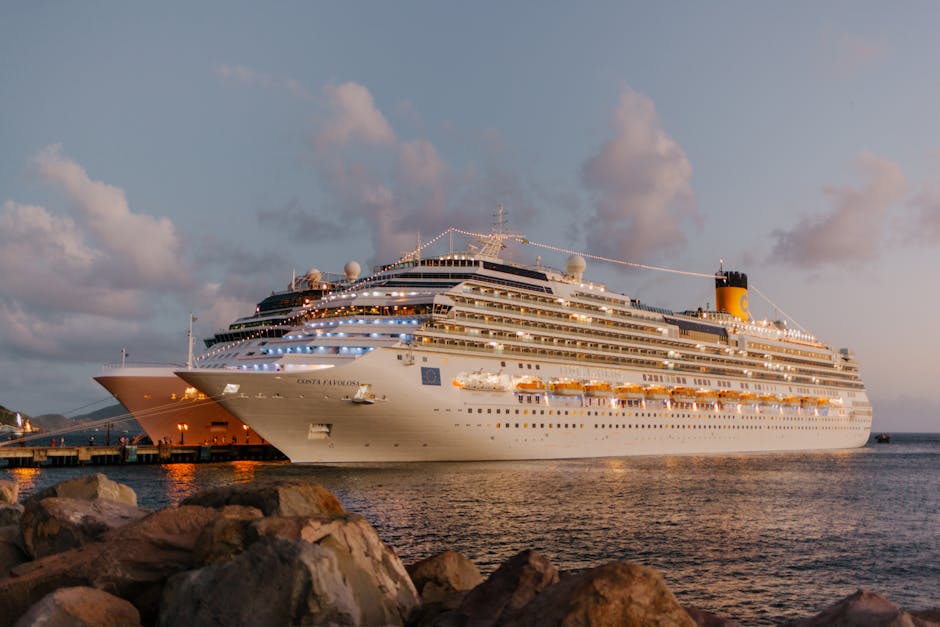
Planning a cruise can be both exciting and overwhelming. A well-structured travel guide for cruise trips helps you navigate everything from choosing the right itinerary to packing smart and avoiding common pitfalls. Whether you’re a first-time cruiser or looking to refine your approach, this guide delivers practical, up-to-date advice to make your voyage smooth, enjoyable, and memorable. From booking strategies to onboard etiquette and port excursions, we cover the essentials to help you get the most out of your cruise experience.
Why a Travel Guide for Cruise Trips Matters
Cruising combines travel, accommodation, dining, and entertainment into one seamless package—but only if you plan wisely. Without proper preparation, you might miss out on must-see destinations, overspend on extras, or encounter avoidable issues like motion sickness or lost luggage. A reliable travel guide for cruise trips acts as your roadmap, helping you avoid rookie mistakes and maximize value. It ensures you understand what’s included in your fare, how to budget for extras, and how to stay safe and comfortable throughout your journey.
Choosing the Right Cruise Line and Itinerary
Not all cruises are created equal. Your experience will vary significantly depending on the cruise line, ship size, and route. Begin by identifying your travel style: Are you seeking luxury, family fun, adventure, or cultural immersion? Different cruise lines cater to different demographics and preferences.
For example, Royal Caribbean and Norwegian Cruise Line are known for their extensive onboard activities—ideal for families and active travelers. In contrast, lines like Viking Ocean Cruises and Seabourn emphasize refined service and destination-focused experiences, better suited for adults seeking relaxation and enrichment.
Next, evaluate the itinerary. Look beyond the number of ports and consider the length of each stop. A six-hour visit in Santorini may not allow enough time to explore the island thoroughly, while an overnight stay in Venice offers a more immersive experience. Also, check whether the ship docks in the city center or requires a tender boat—this can affect your mobility and planning.
Popular Cruise Destinations and What to Expect
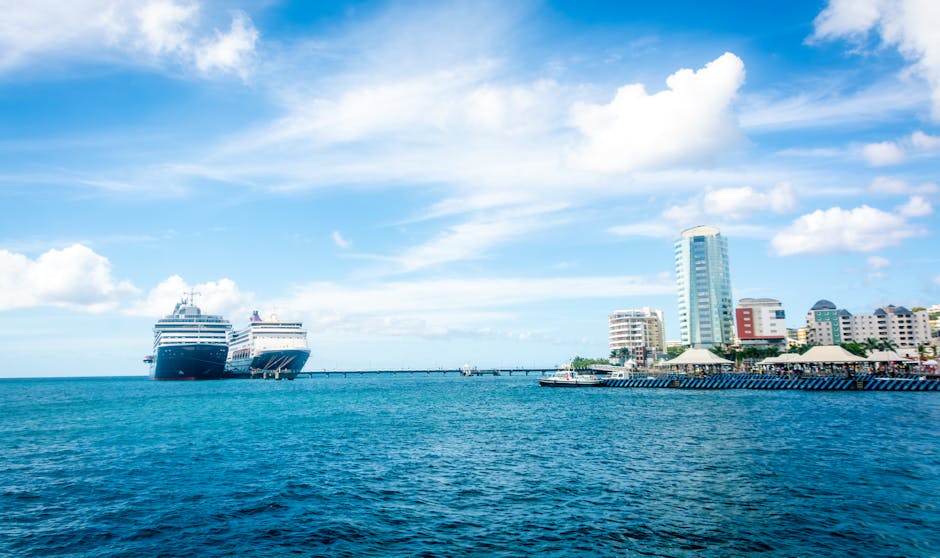
- Caribbean: Ideal for sun-seekers, with turquoise waters, white-sand beaches, and a mix of cultural influences. Western Caribbean routes often include Cozumel, Grand Cayman, and Jamaica, while Eastern itineraries visit St. Thomas, St. Maarten, and the Bahamas.
- Mediterranean: Perfect for history and cuisine lovers. Ports like Barcelona, Rome (Civitavecchia), and Naples offer access to ancient ruins, art, and world-class dining. Be aware that summer crowds can be intense.
- Alaska: A top choice for nature enthusiasts. Glacier Bay, Juneau, and Ketchikan provide opportunities for wildlife viewing, hiking, and scenic cruising. Weather can be unpredictable, so pack layers.
- Bermuda and New England: Best enjoyed in fall for foliage or summer for coastal charm. These shorter cruises are great for first-timers.
When to Book Your Cruise for the Best Value
Timing is crucial when booking a cruise. While last-minute deals can offer savings, they often come with limited cabin selection and fewer flight options. Conversely, booking too early may mean missing out on promotions.
Industry experts recommend booking 6 to 9 months in advance for popular routes like Alaska or Europe. For Caribbean and Bahamas cruises, you may find better flexibility with 3 to 6 months’ notice. Additionally, consider sailing during shoulder seasons—late spring or early fall—when prices are lower and crowds thinner.
Watch for wave seasons, typically in January and February, when cruise lines offer significant discounts and perks like onboard credit or free upgrades. Signing up for email alerts from major cruise lines can help you catch these deals early.
Understanding What’s Included in Your Cruise Fare
One of the biggest misconceptions about cruising is what’s actually covered in the base fare. Most cruises include accommodations, meals in main dining rooms and buffets, basic entertainment, and access to pools and fitness centers. However, many extras come at an additional cost.
Cruise Fare Inclusion Breakdown
| Included | Typically Extra |
|---|---|
| Cabin accommodation | Specialty dining |
| Main restaurant meals | Alcohol and soft drinks |
| Buffet and casual dining | Shore excursions |
| Basic entertainment (shows, live music) | Spa and salon services |
| Use of pools and gyms | Wi-Fi and internet access |
| Housekeeping and tips (on some lines) | Specialty classes or activities |
Always review your cruise line’s inclusions policy before booking. Some premium lines like Regent Seven Seas and Crystal Cruises offer all-inclusive packages, while others operate on an à la carte model. Knowing what you’re paying for helps prevent budget surprises.
Packing Smart for Your Cruise
Packing for a cruise requires a different approach than other vacations. You’ll need clothing for multiple settings—casual pool days, formal dinners, active excursions, and possibly cooler climates—depending on your route.
Start with the basics: comfortable walking shoes, swimwear, sunscreen, and a day bag for port days. Many cruises have formal or semi-formal nights, so pack at least one dressy outfit. Don’t forget a power strip (most cabins have limited outlets) and a reusable water bottle to stay hydrated.
Check your cruise line’s dress code. Some prohibit jeans or sneakers in main dining rooms after 6 p.m., while others are more relaxed. Also, verify baggage restrictions—most lines allow two checked bags and one carry-on per person.
Essential Items to Pack
- Travel documents (passport, visa if required, cruise tickets)
- Medications in original containers
- Motion sickness remedies (patches, wristbands, or medication)
- Waterproof phone case or dry bag
- Portable charger
- Laundry bag and detergent sheets
- Sunglasses and hat
- Travel insurance documents
Avoid overpacking. Cabins are typically compact, and you’ll likely accumulate souvenirs. Use packing cubes to stay organized, and consider doing laundry onboard if the ship offers affordable service.
Onboard Experience: Making the Most of Your Time at Sea
Days at sea can be relaxing or action-packed, depending on your preferences. Most ships offer a daily newsletter outlining activities, so review it each evening. Popular options include live shows, cooking demonstrations, trivia contests, and fitness classes.
Dining is a highlight for many cruisers. While the main dining room offers set seating and menus, specialty restaurants provide unique experiences—like sushi, steakhouse, or Italian cuisine—for an added fee. Make reservations early, as these fill up quickly.
Wi-Fi is available on most ships but can be slow and expensive. Consider purchasing an internet package in advance for better rates. Alternatively, use offline maps and download entertainment before boarding.
Onboard Etiquette Tips
- Arrive on time for dining and activities—many ships enforce punctuality.
- Respect shared spaces: clean up after yourself at the pool and buffet.
- Be mindful of noise levels, especially in cabins and public areas at night.
- Tip appropriately—gratuities are often added automatically, but you can adjust them if service was exceptional or lacking.
Shore Excursions: To Book or Not to Book?
Shore excursions are one of the biggest expenses on a cruise. Cruise lines offer curated tours that are convenient and reliable, but they can be pricey. Independent tours booked through local operators are often cheaper and more flexible, but come with risks like timing issues or lower safety standards.
If you book through the cruise line, you’re protected: the ship won’t leave without you if your tour runs late. However, you’ll pay a premium—sometimes double the local rate. For popular destinations like Ephesus or the Blue Lagoon in Iceland, cruise-line excursions may offer exclusive access or skip-the-line privileges.
For budget-conscious travelers, consider doing your own research. Websites like Viator, GetYourGuide, or even local tourism boards can help you find reputable operators. Always confirm meeting points, duration, and cancellation policies.
Popular Shore Excursion Types
- Cultural tours: City walks, museum visits, historical sites
- Adventure activities: Snorkeling, zip-lining, kayaking
- Nature experiences: Wildlife safaris, national parks, botanical gardens
- Culinary tours: Food tastings, cooking classes, market visits
Staying Safe and Healthy on a Cruise
Safety and health should be top priorities. Modern cruise ships are equipped with advanced medical facilities, but it’s wise to be prepared. Purchase travel insurance that covers medical evacuation, trip cancellation, and lost luggage. Medical care onboard can be expensive and may not be covered by standard health insurance.
Wash your hands frequently, especially before eating, and use hand sanitizer in high-traffic areas. Buffets can be germ hotspots—use serving utensils and avoid touching food directly.
Be cautious with alcohol consumption. Overindulgence can lead to accidents or poor decisions, especially during shore excursions. Also, stay hydrated and apply sunscreen regularly—dehydration and sunburn are common at sea.
Common Cruise Health Concerns
- Motion sickness: Choose a midship cabin on a lower deck for less motion. Over-the-counter remedies like Dramamine or Sea-Bands can help.
- Norovirus: Highly contagious but preventable with good hygiene. Report symptoms immediately to medical staff.
- Sun exposure: The sun reflects off water, increasing burn risk. Reapply sunscreen every two hours.
- Dehydration: Drink plenty of water, especially in tropical climates.
Environmental and Ethical Considerations
Cruise travel has environmental impacts, including emissions, waste, and strain on local ecosystems. As a responsible traveler, you can make choices that reduce your footprint. Support cruise lines that invest in cleaner technologies, such as LNG-powered ships or advanced wastewater treatment.
When visiting ports, respect local cultures and environments. Avoid single-use plastics, don’t feed wildlife, and choose eco-friendly excursions. Purchasing souvenirs from local artisans supports the community more than mass-produced goods from tourist shops.
Final Tips for a Successful Cruise
To wrap up your travel guide for cruise trips, here are key takeaways:
- Book early for the best cabins and prices, but watch for promotions.
- Understand what’s included in your fare to avoid unexpected costs.
- Pack smart—bring essentials, but don’t overdo it.
- Use the daily schedule to plan your days at sea.
- Weigh the pros and cons of cruise-line vs. independent shore excursions.
- Prioritize health and safety with insurance, hygiene, and moderation.
- Be a respectful and sustainable traveler.
With the right preparation, a cruise can be one of the most rewarding ways to explore the world. This travel guide for cruise trips equips you with the knowledge to plan confidently, travel wisely, and enjoy every moment onboard and ashore.
FAQ
How far in advance should I book a cruise?
For popular destinations like Alaska or Europe, book 6 to 9 months in advance. For Caribbean or Bahamas cruises, 3 to 6 months is usually sufficient. Booking during wave season (January–February) can yield significant discounts.
Is travel insurance necessary for a cruise?
Yes. Travel insurance protects against trip cancellations, medical emergencies, and lost luggage. Medical care onboard can be costly and may not be covered by standard health plans.
Can I bring my own alcohol on a cruise?
Most cruise lines prohibit bringing alcohol onboard, though some allow a limited amount of wine or champagne (usually one bottle per adult). Check your cruise line’s policy before packing.
Related keywords: Travel Guide for Cruise Trips Guide.

