
Top Tourist Attractions in Paris You Must Visit
Paris, the City of Light, draws millions of visitors each year with its timeless charm, iconic landmarks, and rich cultural heritage. Whether you’re planning your first trip or returning to discover more, knowing the top tourist attractions in Paris you must visit ensures you experience the very best the city has to offer. From world-famous museums and architectural marvels to serene parks and historic neighborhoods, Paris blends romance, history, and artistry in a way few cities can match. This guide highlights the essential sights, provides practical visiting tips, and helps you make the most of your time in one of the world’s most beloved destinations.
Why Paris Remains a Global Travel Destination
Paris has long been synonymous with elegance, culture, and innovation. Its influence spans art, fashion, cuisine, and urban design, making it a perennial favorite among travelers. The city’s compact layout allows visitors to explore major sites on foot or via an efficient public transit system, while its diverse neighborhoods—each with a distinct character—offer something for every type of traveler.
Beyond the postcard-perfect images, Paris thrives on authenticity. Locals enjoy café culture, weekend markets, and evening strolls along the Seine just as much as tourists do. This blend of everyday life and grandeur creates a dynamic atmosphere that keeps visitors returning. Whether you’re drawn to history, art, food, or simply the joy of wandering cobblestone streets, Paris delivers an experience that feels both timeless and alive.
Must-See Landmarks and Cultural Icons
The Eiffel Tower
No visit to Paris is complete without seeing the Eiffel Tower. Rising 330 meters above the Champ de Mars, this iron lattice tower is not only a symbol of France but also one of the most recognizable structures in the world. Built for the 1889 World’s Fair, it was initially criticized by some of Paris’s leading artists and intellectuals but has since become a beloved emblem of the city.
Visitors can ascend to three levels via stairs or elevator. The first and second levels house restaurants and observation decks, while the top level offers panoramic views stretching up to 70 kilometers on a clear day. For the best experience, consider booking tickets in advance to avoid long queues, especially during peak seasons. Sunset and nighttime visits are particularly magical, as the tower sparkles for five minutes every hour after dark.
The Louvre Museum
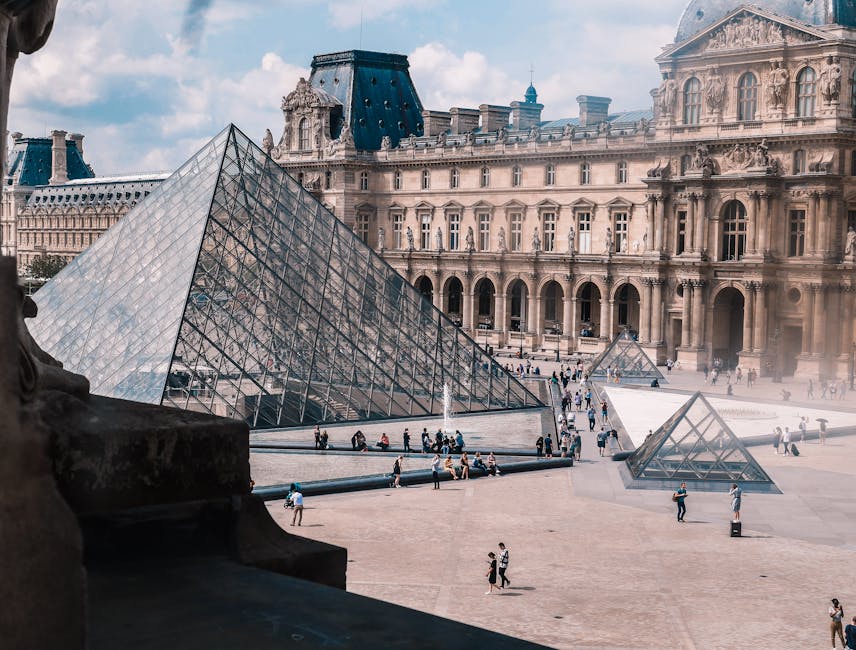
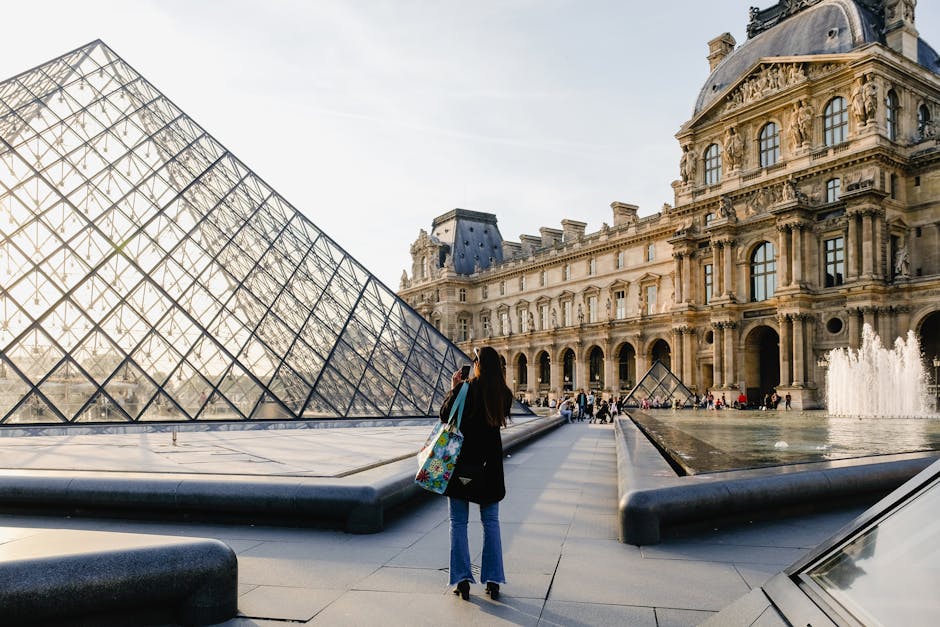
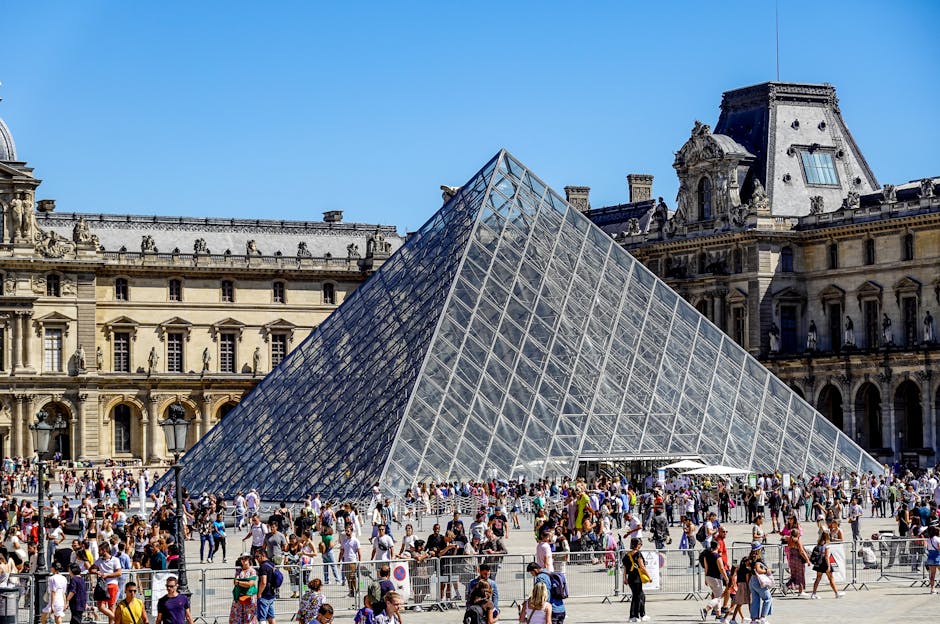
Home to over 35,000 works of art, the Louvre is the world’s largest and most visited art museum. Housed in a former royal palace, it features masterpieces such as the Mona Lisa, The Venus de Milo, and The Winged Victory of Samothrace. The museum’s glass pyramid entrance, designed by I.M. Pei, has become an iconic feature in its own right.
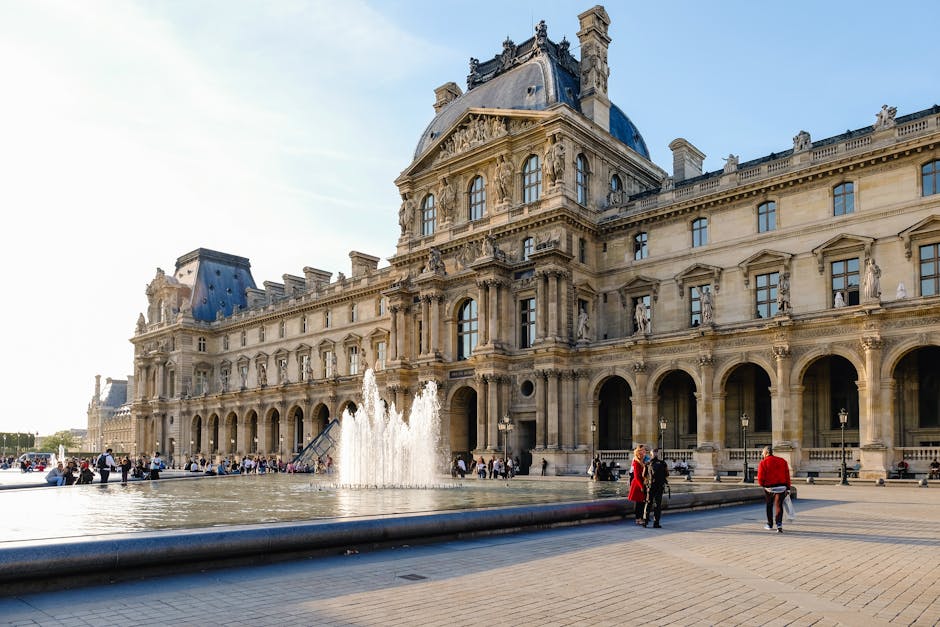
With so much to see, it’s wise to plan your visit around specific wings or collections. The Denon Wing features Italian Renaissance paintings, while the Sully Wing focuses on Egyptian antiquities and classical sculptures. Allocate at least half a day to explore, and consider downloading the Louvre’s official app for interactive maps and audio guides. Entry is free for EU residents under 26 and available at a discount for others, but timed-entry tickets are recommended to bypass lines.
Notre-Dame Cathedral
Although still under restoration following the 2019 fire, Notre-Dame Cathedral remains a powerful symbol of Gothic architecture and French heritage. Its flying buttresses, rose windows, and sculpted facades continue to inspire awe. While the interior is currently closed to the public, the surrounding Île de la Cité and the nearby Sainte-Chapelle—famous for its stunning stained glass—are accessible and well worth visiting.
Guided tours of the exterior and restoration efforts are available, offering insight into the cathedral’s history and the ongoing conservation work. The area also features charming bookstalls along the Seine and the historic Shakespeare and Company bookstore, a haven for literature lovers.
Sacré-Cœur Basilica and Montmartre
Perched atop Montmartre hill, the Sacré-Cœur Basilica offers sweeping views of Paris from its white domed summit. Built in the early 20th century, the basilica’s Romano-Byzantine style contrasts with the city’s predominantly Gothic and Haussmannian architecture. The surrounding Montmartre district retains its bohemian spirit, with narrow streets, artists’ studios, and the famous Place du Tertre, where painters set up easels to capture passersby.
Climbing the 300 steps to the dome is optional but rewarding. Alternatively, visitors can take the funicular railway, which operates frequently and is included in standard metro tickets. The area is also home to the Moulin Rouge and several intimate cabarets, making it a lively spot in the evenings.
Hidden Gems and Local Favorites
While the major landmarks are essential, some of Paris’s most memorable experiences lie off the beaten path. These lesser-known spots offer a glimpse into daily Parisian life and provide a break from the crowds.
Le Marais
This historic district blends medieval architecture with modern boutiques, art galleries, and cafés. Once home to aristocrats and later a center of Jewish culture, Le Marais now attracts a diverse mix of residents and visitors. Key stops include the Place des Vosges—the oldest planned square in Paris—and the Musée Picasso, which houses the largest collection of the artist’s works.
For a taste of local life, visit the Marché des Enfants Rouges, Paris’s oldest covered market, where food stalls serve everything from Moroccan tagine to fresh oysters. The area is also known for its vibrant LGBTQ+ community and inclusive atmosphere.
Canal Saint-Martin
A favorite among locals, the Canal Saint-Martin offers a peaceful retreat from the city’s hustle. Lined with chestnut trees and dotted with footbridges, the canal is perfect for a leisurely stroll, picnic, or boat ride. On warm days, Parisians gather along the quays with bottles of wine and baguettes, creating a convivial, unhurried vibe.
The surrounding neighborhood features independent fashion boutiques, concept stores, and trendy cafés. It’s an ideal place to experience Paris beyond the guidebooks, especially for travelers seeking authenticity over tourist traps.
Père Lachaise Cemetery
This sprawling cemetery is the final resting place of many notable figures, including Oscar Wilde, Jim Morrison, Frédéric Chopin, and Edith Piaf. More than a burial ground, it’s a peaceful park filled with ornate tombs, tree-lined paths, and quiet corners perfect for reflection.
Guided tours are available, but many visitors prefer to wander independently with a map. The cemetery’s artistic memorials and tranquil atmosphere make it a unique and contemplative stop in any Paris itinerary.
Parks and Gardens for Relaxation
Paris is dotted with beautifully maintained green spaces that offer respite from urban exploration. These parks are ideal for picnics, reading, or simply people-watching.
Tuileries Garden
Located between the Louvre and Place de la Concorde, the Tuileries Garden is a classic example of French formal garden design. With symmetrical paths, fountains, and rows of chestnut trees, it’s a serene oasis in the heart of the city. The garden also features contemporary art installations and a small playground for children.
It’s a popular spot for locals and tourists alike, especially on weekends. Renting a chair to sit by the central fountain is a quintessential Parisian experience.
Jardin du Luxembourg
Situated in the Latin Quarter, this 25-hectare park is one of Paris’s most beloved. It features a large pond where children sail model boats, rows of sun loungers, and the stunning Luxembourg Palace, now home to the French Senate. The park is also known for its statues of French queens and literary figures.
Locals often gather here to play chess, read, or enjoy a coffee at one of the outdoor cafés. The atmosphere is relaxed and welcoming, making it a great place to recharge during a busy day of sightseeing.
Museums Beyond the Louvre
While the Louvre dominates the art scene, Paris boasts a wealth of other museums that cater to diverse interests.
Musée d’Orsay
Housed in a former railway station, the Musée d’Orsay specializes in 19th- and early 20th-century art, including works by Monet, Van Gogh, Degas, and Renoir. Its collection of Impressionist and Post-Impressionist masterpieces rivals that of the Louvre but in a more intimate setting.
The museum’s clock face offers a unique photo opportunity, framing a view of the Seine and the city beyond. Like the Louvre, it’s wise to book tickets in advance, especially during school holidays and summer months.
Centre Pompidou
With its colorful, inside-out architecture, the Centre Pompidou is as much a work of art as the modern and contemporary pieces it houses. The building features exposed pipes, escalators, and structural elements on the exterior, making it a standout in the Paris skyline.
The museum’s collection includes works by Picasso, Kandinsky, Dalí, and Warhol. It also hosts rotating exhibitions, performances, and film screenings. The rooftop terrace provides excellent views of Paris and is free to access, even if you don’t enter the museum.
Musée de l’Orangerie
Tucked within the Tuileries Garden, this small museum is home to Monet’s Water Lilies series—eight large panels displayed in two oval rooms designed to mimic the artist’s original vision. The immersive experience allows visitors to feel surrounded by the serene beauty of Giverny’s gardens.
Due to its size, the museum rarely feels crowded, offering a peaceful alternative to larger institutions. Combined with a visit to the nearby Musée d’Orsay, it makes for a perfect art-focused afternoon.
Day Trips and Nearby Attractions
For travelers with extra time, several destinations just outside Paris offer unique experiences that complement a city visit.
Palace of Versailles
Located about 30 kilometers southwest of Paris, the Palace of Versailles is a UNESCO World Heritage site and a testament to the opulence of the French monarchy. The palace features the Hall of Mirrors, royal apartments, and meticulously landscaped gardens with fountains and sculptures.
Visitors can reach Versailles via the RER C train, which takes about 45 minutes from central Paris. Tickets should be purchased online in advance, especially for the gardens and the musical fountain shows, which operate on select days. Allow a full day for the visit, as there’s much to see and explore.
Disneyland Paris
While not a traditional cultural attraction, Disneyland Paris is a popular destination for families and Disney fans. Located about 32 kilometers east of the city, it features two theme parks, hotels, and entertainment complexes. The park blends classic Disney magic with European flair, including a uniquely designed castle inspired by French fairy tales.
It’s easily accessible via the RER A train, with direct service from central Paris. Multi-day tickets and park hopper options are available, and visiting during the off-season can help avoid large crowds.
Practical Tips for Visiting Paris
To make the most of your trip, keep these practical tips in mind:
- Use public transportation: The Paris Metro is efficient, affordable, and covers the entire city. A Navigo Découverte pass offers unlimited travel for a week, while single tickets or carnet bundles work for occasional use.
- Book tickets in advance: Many major attractions, including the Eiffel Tower, Louvre, and Versailles, offer timed-entry tickets online. This saves time and often provides access to skip-the-line entry.
- Learn basic French phrases: While many Parisians speak English, knowing simple greetings like “Bonjour” and “Merci” goes a long way in showing respect and improving interactions.
- Dress comfortably: Paris involves a lot of walking. Wear comfortable shoes and dress in layers, as weather can change quickly.
- Beware of pickpockets: Crowded areas like the Metro, tourist sites, and markets are hotspots for theft. Keep your belongings secure and be mindful of your surroundings.
- Try local cuisine: Don’t limit yourself to restaurant meals. Visit boulangeries for fresh croissants, fromageries for cheese, and marchés for seasonal produce and street food.
When to Visit Paris
The best time to visit Paris depends on your preferences. Spring (April to June) and fall (September to October) offer mild weather, fewer crowds, and beautiful foliage. These seasons are ideal for outdoor activities and sightseeing.
Summer (July to August) is peak tourist season, with long days and vibrant energy, but also larger crowds and higher prices. Winter (November to March) is the quietest time, with shorter days and occasional rain, but it’s also when you’ll find the best deals on accommodations and flights. The city sparkles during the holiday season, with festive lights and Christmas markets adding to the charm.
Compact Comparison of Major Attractions
| Attraction | Best For | Average Visit Time | Ticket Tip |
|---|---|---|---|
| Eiffel Tower | Iconic views, photography | 1.5–2 hours | Book summit access online |
| Louvre Museum | Art lovers, history | 3–4 hours | Buy timed-entry ticket |
| Notre-Dame (exterior) | Architecture, history | 30–45 minutes | Free access; guided tours available |
| Musée d’Orsay | Impressionist art | 2–3 hours | Online discounts for students |
| Palace of Versailles | Royal history, gardens | Full day | Book garden access separately |
Final Thoughts
Exploring the top tourist attractions in Paris you must visit is more than checking off a list—it’s about immersing yourself in a city that has shaped art, culture, and urban life for centuries. From the grandeur of the Eiffel Tower to the quiet beauty of a canal-side café, Paris offers experiences that linger long after your

