
Paris Travel Guide: Best Places to Visit in Paris
Paris Travel Guide: Best Places to Visit in Paris
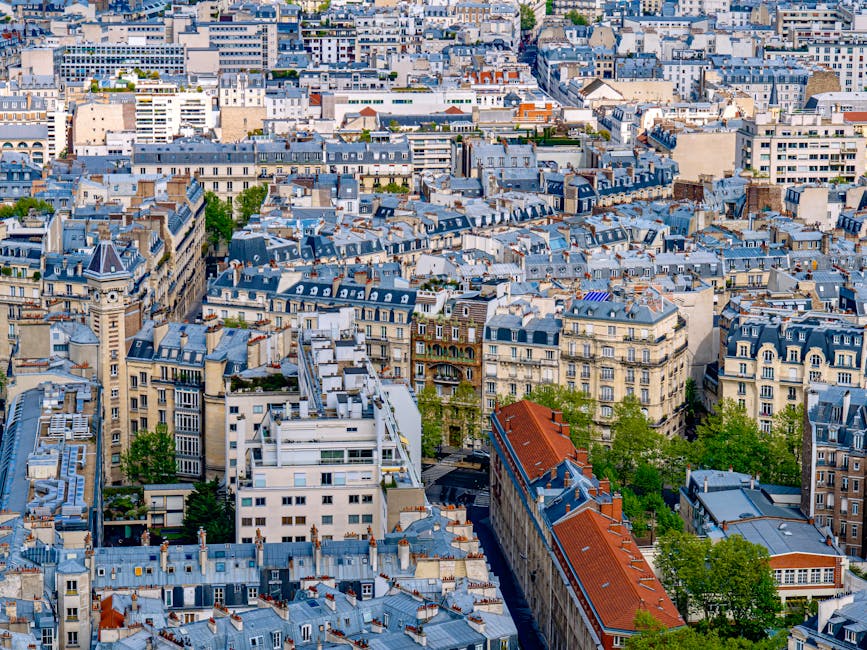
Paris, the capital of France, is one of the world’s most visited cities, renowned for its art, history, fashion, and architecture. This Paris travel guide highlights the best places to visit in Paris, from iconic landmarks like the Eiffel Tower and Notre-Dame Cathedral to hidden gems in charming neighborhoods like Montmartre and Le Marais. Whether you’re planning a weekend getaway or an extended stay, this guide offers practical insights to help you explore Paris efficiently, avoid common pitfalls, and make the most of your trip.
Top Attractions in Paris: Must-See Landmarks
Paris is home to some of the most recognizable landmarks in the world. These sites define the city’s identity and are essential stops for any visitor.
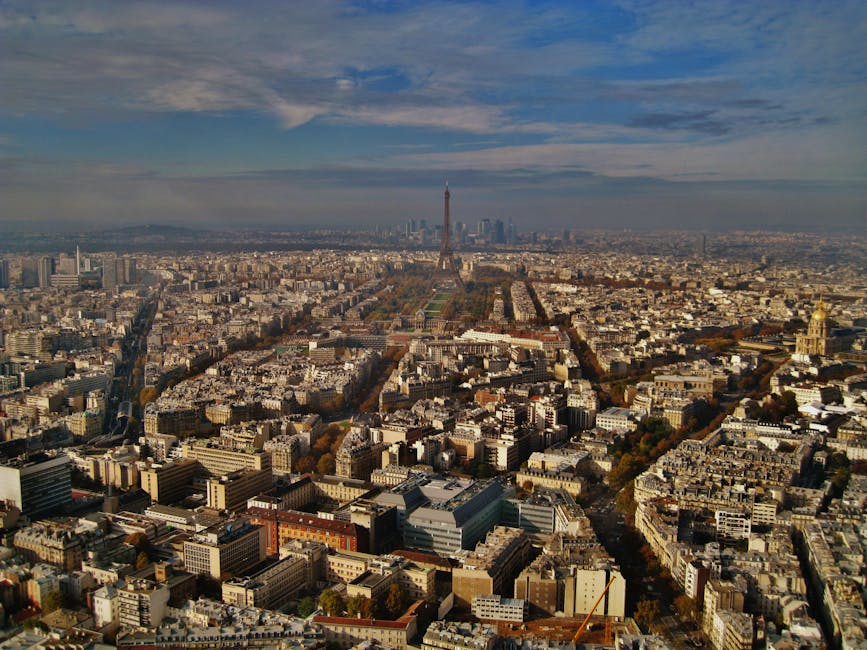
Eiffel Tower
The Eiffel Tower is the symbol of Paris and a must-visit for first-time travelers. Located on the Champ de Mars, it offers panoramic views of the city from three observation levels. To avoid long lines, book tickets online in advance—especially for the summit access. Visiting at sunset provides a magical experience as the city lights begin to glow. The tower is illuminated every evening, with a sparkling light show every hour after dark.
Louvre Museum
As the world’s largest art museum, the Louvre houses over 35,000 works, including the Mona Lisa, Venus de Milo, and Winged Victory of Samothrace. Due to its size, plan your visit around specific wings or collections. The museum is open daily except Tuesdays, and entry is free for EU residents under 26. Arrive early or use the less-crowded Carrousel du Louvre entrance to reduce wait times.
Notre-Dame Cathedral
Though still under restoration after the 2019 fire, Notre-Dame remains a powerful symbol of Paris. The exterior and surrounding Île de la Cité are accessible, and the nearby Sainte-Chapelle—famous for its stunning stained-glass windows—is a worthy alternative. Guided tours of the archaeological crypt and the Île de la Cité provide deeper historical context.
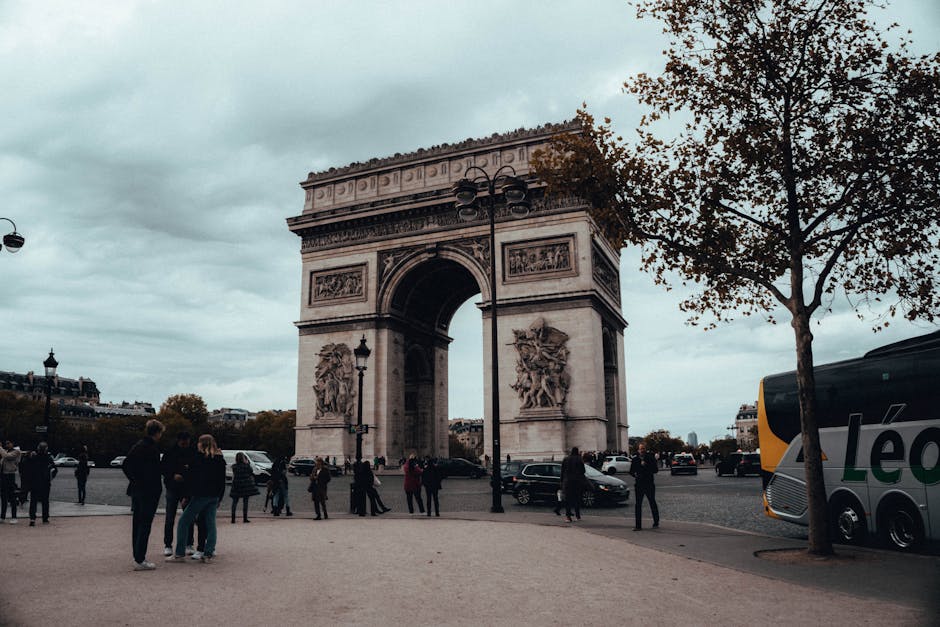
Arc de Triomphe and Champs-Élysées
Standing at the western end of the Champs-Élysées, the Arc de Triomphe honors those who fought for France. Climb to the rooftop for a 360-degree view of the city’s radiating avenues. The Champs-Élysées, once a tree-lined promenade, is now a bustling shopping street leading to Place de la Concorde. Visit early in the morning to enjoy a quieter stroll.
Sacré-Cœur Basilica and Montmartre
Perched atop Montmartre hill, the white-domed Sacré-Cœur Basilica offers sweeping views of Paris. The surrounding neighborhood retains its bohemian charm, with cobblestone streets, artists’ studios, and cafés. Explore Place du Tertre, where painters display their work, and visit the nearby Moulin Rouge. Use the funicular or walk up the steps for a more authentic experience.
Neighborhoods to Explore: Authentic Parisian Experiences
Beyond the major attractions, Paris is best discovered through its diverse neighborhoods, each with its own character and local flavor.
Le Marais
This historic district blends medieval architecture with modern boutiques, galleries, and LGBTQ+ culture. Wander through Rue des Rosiers, known for its Jewish delis and falafel shops. Visit the Musée Picasso or the Place des Vosges, Paris’ oldest planned square. Le Marais is ideal for leisurely exploration, with plenty of cafés and hidden courtyards.
Saint-Germain-des-Prés
Once the intellectual heart of Paris, this Left Bank neighborhood is famous for its literary cafés like Café de Flore and Les Deux Magots. It’s a great area for book lovers and those interested in existentialist history. Browse independent bookshops, visit the Saint-Germain-des-Prés church, and enjoy a coffee while people-watching.
Latin Quarter
Centered around the Sorbonne University, the Latin Quarter is lively, youthful, and full of energy. Narrow streets are lined with budget-friendly bistros, bookstalls along the Seine, and historic sites like the Panthéon. It’s a great base for students and budget travelers, with easy access to the Jardin du Luxembourg.
Canal Saint-Martin
A favorite among locals, this area along the canal offers a relaxed vibe with trendy cafés, boutiques, and picnic spots. Walk or bike along the water, stop for a coffee at Ten Belles Bread, and enjoy the weekend street life. The area is especially vibrant in spring and summer.
Cultural and Artistic Highlights
Paris is a global center for art, music, and theater. Beyond the Louvre, several museums and cultural venues offer enriching experiences.
Musée d’Orsay
Housed in a former railway station, the Musée d’Orsay focuses on 19th- and early 20th-century art, including masterpieces by Monet, Van Gogh, Degas, and Renoir. Its clock-face windows offer unique views of the Seine and the city. The museum is less crowded than the Louvre and ideal for impressionist art lovers.
Centre Pompidou
With its inside-out architecture, the Centre Pompidou is as striking as the modern and contemporary art it houses. The building features works by Picasso, Duchamp, Kandinsky, and Warhol. The rooftop terrace provides excellent views, and the public library inside is free to access.
Opéra Garnier
This opulent 19th-century opera house is a masterpiece of Baroque and Neo-Baroque design. Even if you don’t attend a performance, guided tours reveal its grand staircase, chandelier, and ceiling painted by Marc Chagall. The nearby Galeries Lafayette offers shopping and a stunning Art Nouveau dome.
Parks and Outdoor Spaces
Paris offers numerous green spaces perfect for relaxation, picnics, and people-watching.
Jardin du Luxembourg
One of the city’s most beloved parks, the Luxembourg Gardens feature manicured lawns, fountains, and rows of chairs where locals gather. It’s ideal for a quiet afternoon, a game of chess, or watching sailboats on the central pond. The nearby Senate building and Luxembourg Palace add to the area’s elegance.
Tuileries Garden
Located between the Louvre and Place de la Concorde, the Tuileries Garden is a formal French garden with sculptures, fountains, and shaded walkways. It’s a peaceful retreat in the heart of the city and a great place to rest between museum visits.
Parc des Buttes-Chaumont
Less touristy than other parks, this hilly green space in the northeast features cliffs, waterfalls, and a temple perched on a rocky island. It’s popular with locals for picnics and offers panoramic views of the city. The park is especially beautiful in autumn.
Dining and Culinary Experiences
Paris is a food lover’s paradise, offering everything from Michelin-starred restaurants to casual bistros and street food.
Classic French Bistros
For an authentic meal, try a traditional bistro like Le Comptoir du Relais in Saint-Germain or Chez Janou in Le Marais. These spots serve dishes like coq au vin, duck confit, and steak frites, often with a fixed-price menu. Reservations are recommended, especially for dinner.
Patisseries and Cafés
No visit to Paris is complete without sampling French pastries. Visit Ladurée for macarons, Pierre Hermé for innovative flavors, or Du Pain et des Idées for artisanal bread and escargot pastry. Pair your treat with coffee at a sidewalk café—ideal for observing daily Parisian life.
Markets and Food Halls
Explore local flavors at markets like Marché des Enfants Rouges (Paris’ oldest covered market) or Marché d’Aligre. For a modern experience, visit La Grande Épicerie or the food hall at Galeries Lafayette. These venues offer gourmet products, prepared foods, and international specialties.
Wine and Cheese
Pair a glass of French wine with a cheese plate at a wine bar like Verjus or Le Baron Rouge. Learn about regional varieties—from Bordeaux to Burgundy—and sample artisanal cheeses like Camembert, Roquefort, and Comté. Many wine shops offer tastings and expert advice.
Day Trips from Paris
Several world-class destinations are within easy reach of Paris by train or car.
Versailles Palace
Just 30 minutes by train from central Paris, the Palace of Versailles is a UNESCO World Heritage site known for its opulent interiors, Hall of Mirrors, and expansive gardens. Allow a full day to explore the palace, the Grand Trianon, and the Queen’s Hamlet. Buy tickets in advance to skip the line.
Giverny
Home to Monet’s house and gardens, Giverny is a 1.5-hour train ride from Paris. Visit the water lily ponds and Japanese bridge that inspired his famous paintings. The village is charming and peaceful, best visited in spring or early summer when the gardens are in full bloom.
Loire Valley
For castle enthusiasts, the Loire Valley is a scenic region with over 300 châteaux. Highlights include Chambord, Chenonceau, and Amboise. A guided tour or rental car allows you to visit multiple sites in a day. The area is also known for its wine and local cuisine.
Travel Tips for Visiting Paris
To make your trip smooth and enjoyable, keep these practical tips in mind.
- Transportation: Use the Paris Metro for efficient travel. A Navigo weekly pass or a carnet of 10 tickets (“carnet”) offers good value. Avoid driving—traffic and parking are challenging.
- Language: While many Parisians speak English, learning a few French phrases like “Bonjour,” “Merci,” and “Parlez-vous anglais?” goes a long way.
- Safety: Paris is generally safe, but beware of pickpockets in tourist areas like the Eiffel Tower, metro stations, and crowded markets. Keep your belongings secure.
- Timing: Visit major attractions early in the morning or late in the afternoon to avoid crowds. Many museums offer free entry on the first Sunday of the month (October to March).
- Weather: Paris has a temperate climate, but rain is common. Pack layers and a compact umbrella. Summers can be warm, while winters are chilly but rarely extreme.
Best Time to Visit Paris
The ideal time to visit Paris depends on your preferences. Spring (April to June) offers mild weather, blooming gardens, and fewer crowds. Summer (July to August) is peak tourist season—vibrant but busy and more expensive. Autumn (September to October) brings cooler temperatures and golden foliage, with cultural events like Nuit Blanche. Winter (November to March) is quiet and atmospheric, with holiday markets and lower prices, though some attractions may have shorter hours.
Accommodation Options
Paris offers a range of lodging to suit different budgets and styles.
| Type | Price Range (per night) | Best For | Pros | Cons |
|---|---|---|---|---|
| Boutique Hotel | €150–€300 | Couples, design lovers | Stylish, personalized service, central locations | Expensive, limited availability |
| Business Hotel | €120–€250 | Business travelers, families | Reliable amenities, good transport links | Less character, can be impersonal |
| Budget Hotel / Hostel | €50–€120 | Backpackers, solo travelers | Affordable, social atmosphere | Shared facilities, noise, less privacy |
| Vacation Rental (Airbnb) | €80–€200 | Families, long stays | More space, kitchen, local feel | Variable quality, potential scams |
When choosing where to stay, consider proximity to metro stations and your planned activities. Areas like the 1st, 4th, 6th, and 7th arrondissements are central and convenient.
Conclusion
This Paris travel guide covers the best places to visit in Paris, from world-famous landmarks to local favorites. Whether you’re drawn to art, history, food, or simply the charm of Parisian streets, the city offers something for every traveler. Plan ahead, embrace the local culture, and allow time to wander—some of the best moments in Paris happen off the beaten path.
FAQ
What is the best way to get around Paris?
The Paris Metro is the most efficient way to travel, with 14 lines covering the city. Purchase a Navigo pass for unlimited travel or a carnet of 10 tickets for occasional use. Buses and trams are also available, and walking is ideal for exploring neighborhoods.
Do I need to speak French to visit Paris?
While not required, knowing basic French phrases improves your experience. Many Parisians appreciate the effort, and it can help in smaller shops or restaurants where English is less common.
Is Paris safe for tourists?
Yes, Paris is generally safe, but like any major city, it has petty crime. Stay alert in crowded areas, keep valuables secure, and avoid poorly lit streets at night. Most visits are trouble-free with common sense precautions.

