
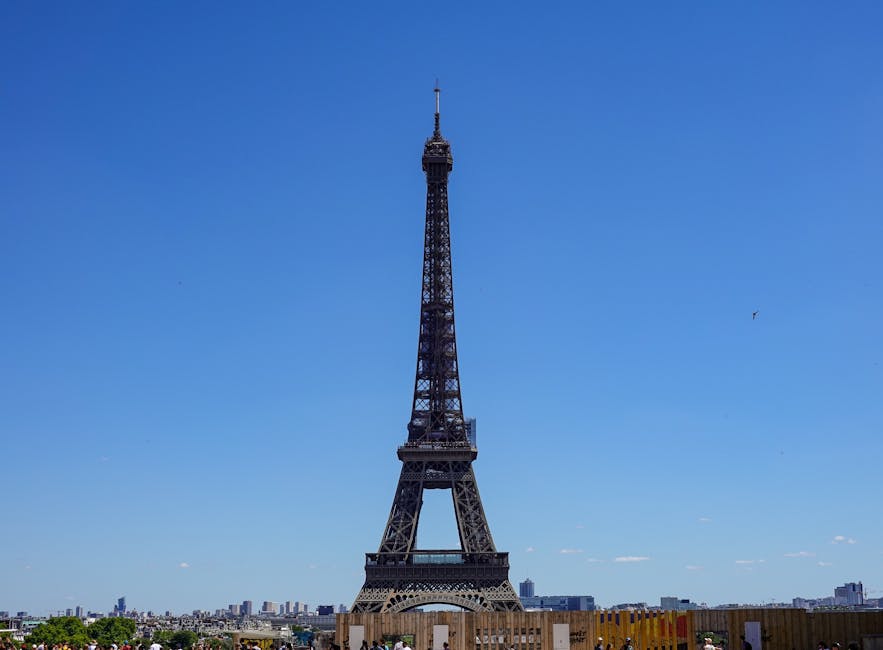
Eiffel Tower Visit Guide: Tickets and Tips
Eiffel Tower Visit Guide: Tickets and Tips
The Eiffel Tower is one of the most visited landmarks in the world, attracting nearly 7 million visitors annually. Exploring Eiffel Tower visit tickets reveals important insights. If you’re planning an Eiffel Tower visit, understanding ticket options, timing, and practical tips can make the difference between a stressful experience and a memorable one. This guide covers everything you need to know—from booking tickets in advance to choosing the best time to go, navigating security, and making the most of your time at the tower. Whether you’re visiting for the first time or returning for a fresh perspective, these insights will help you plan efficiently and avoid common pitfalls.
Why Visit the Eiffel Tower?
Standing at 330 meters tall, the Eiffel Tower is more than just a symbol of Paris—it’s an engineering marvel and a cultural icon. Originally built for the 1889 World’s Fair, it now serves as a beacon for travelers seeking panoramic views of the city, romantic moments, or simply a connection to history. From its three observation levels, visitors can see landmarks like the Seine River, the Louvre, and Montmartre. The tower also features restaurants, glass floors, and seasonal light shows, making it a dynamic destination day and night.
How to Buy Eiffel Tower Tickets
Buying tickets in advance is strongly recommended. On-site queues can exceed two hours, especially during peak season (April to September). The official website—toureiffel.paris—is the only authorized seller of timed-entry tickets. Third-party vendors may charge higher prices or sell invalid passes.
Ticket Types and Prices
There are several ticket options depending on how you want to reach the top and which levels you wish to access:
- Elevator to 2nd Floor: Most popular option; includes access to the first and second levels. Adults: €18.40 (online), €20.80 (on-site).
- Elevator to Top: Includes all three levels. Adults: €28.10 (online), €30.50 (on-site).
- Stairs to 2nd Floor: A budget-friendly alternative; 704 steps. Adults: €11.90 (online), €13.80 (on-site). Note: No elevator access to the top from the stairs.
- Stairs + Elevator to Top: Combines stair climb to the second floor, then elevator to the summit. Adults: €21.50 (online), €23.90 (on-site).
Who Gets Discounts?
Reduced rates apply to youth (ages 12–24), children (ages 4–11), and disabled visitors. Children under 4 enter free. EU residents aged 18–25 may qualify for discounted tickets—bring valid ID. Group bookings (10+ people) require advance reservation and offer a small discount.
Best Time to Visit the Eiffel Tower
Timing your visit can dramatically affect your experience. Early mornings (8:30–10:00 AM) and weekday afternoons (Tuesday–Thursday) typically have shorter lines. Avoid weekends, French public holidays, and the first week of August, when crowds peak.
Sunrise and Sunset Views
For photographers and romantics, sunrise offers soft lighting and fewer people. Sunset provides golden-hour views over Paris, but expect larger crowds. The tower’s nightly light show—every hour after dark—lasts five minutes and is best viewed from nearby spots like Trocadéro or the Seine banks.
Seasonal Considerations
Spring and fall offer mild weather and manageable crowds. Winter visits mean colder temperatures and potential wind chill at higher levels, but fewer tourists. Summer brings long daylight hours but also peak visitation—book tickets at least two weeks ahead.
Getting to the Eiffel Tower
The tower is located in the 7th arrondissement, near the Champ de Mars park. Several public transit options make access easy:
- Metro: Line 6 (Bir-Hakeim) or Line 9 (Trocadéro) are closest. A 5–10 minute walk from either station.
- RER: Line C stops at Champ de Mars–Tour Eiffel, just steps from the entrance.
- Bus: Lines 42, 69, 82, and 87 stop nearby.
- Bike: Vélib’ bike-sharing stations are available within 200 meters.
Driving is not recommended due to limited parking and heavy traffic. If you must drive, use the underground parking at the Palais des Sports (5-minute walk), but reserve in advance.
What to Expect at the Eiffel Tower
Upon arrival, follow signs to the security checkpoint. All bags are screened, and large luggage or backpacks may be denied entry. Lockers are not available, so travel light.
Security and Entry Process
Security lines can be long, even with a timed ticket. Arrive 15–20 minutes before your slot. Have your ticket (printed or on your phone) and ID ready. Metal detectors and bag checks are standard. Prohibited items include knives, aerosols, and selfie sticks (allowed only on upper levels).
Navigating the Levels
The tower has three public levels:
- 1st Floor: Features a glass floor, interactive exhibits, and a glass-walled restaurant (58 Tour Eiffel). Great for families and first-time visitors.
- 2nd Floor: Offers the best balance of view and comfort. Includes a souvenir shop, a brasserie, and outdoor viewing platforms.
- Top Level: The highest accessible point with a champagne bar and Gustave Eiffel’s restored office. Windy and crowded, but unmatched views.
Facilities and Amenities
Restrooms are available on all levels, but lines can form. Exploring Eiffel Tower visit tickets reveals important insights. Water fountains are on the 1st and 2nd floors. The tower has Wi-Fi, but signal strength varies. Audio guides are available in multiple languages for €5, or you can download the free official app.
Tips for a Smooth Eiffel Tower Visit
Maximize your time and comfort with these proven strategies:
- Book online early: Tickets sell out, especially for sunset slots and weekends.
- Wear comfortable shoes: Even elevator users walk between levels and through exhibits.
- Bring layers: Temperatures drop significantly at higher elevations, especially in wind.
- Avoid resale sites: Only purchase from the official site to avoid scams.
- Check the weather: Visibility is poor on foggy or rainy days. Consider rescheduling.
- Visit nearby attractions: Combine your trip with a walk through the Champ de Mars, a Seine cruise, or a visit to the Musée du Quai Branly.
Eiffel Tower Visit: Elevator vs. Stairs
Choosing between stairs and elevator depends on your fitness level, budget, and time. Here’s a quick comparison:
| Feature | Stairs to 2nd Floor | Elevator to Top |
|---|---|---|
| Price (Adult, Online) | €11.90 | €28.10 |
| Time to Ascend | 15–25 minutes | 5–10 minutes |
| Physical Effort | Moderate to high (704 steps) | Low |
| Access to Top Level | No (elevator required from 2nd floor) | Yes |
| Best For | Budget travelers, light exercise | Families, elderly, time-limited visits |
The stairs are a great way to save money and get some exercise, but they only go to the second floor. To reach the top, you’ll need to transfer to an elevator, which may involve another wait. The elevator is faster and more inclusive, especially for those with mobility concerns.
Dining and Souvenirs at the Eiffel Tower
Several dining options are available, ranging from casual to fine dining:
- 58 Tour Eiffel (1st Floor): Casual French bistro with panoramic views. Reservations recommended.
- Le Jules Verne (2nd Floor): Michelin-starred restaurant with prix-fixe menus starting at €180. Book months in advance.
- Champagne Bar (Top Level): Offers glasses of champagne for €12–15. No reservations; first-come, first-served.
Souvenir shops are located on the 1st and 2nd floors. Prices are higher than in central Paris, but selection is unique. Consider buying gifts outside the tower for better value.
Safety and Accessibility
The Eiffel Tower is generally safe, but pickpocketing occurs in crowded areas. Keep belongings secure, especially on elevators and viewing platforms. The tower is partially accessible to wheelchair users: elevators serve all levels, but the top level has limited space and may require assistance. Contact the site in advance for special arrangements.
Common Mistakes to Avoid
Even seasoned travelers make these errors:
- Not booking ahead: Last-minute visitors often face sold-out tickets or long waits.
- Arriving late: Late arrivals may miss their time slot and need to rebook.
- Overpacking: Large bags slow down security and are hard to manage on elevators.
- Ignoring the weather: High winds can close upper levels without notice.
- Expecting silence: The tower is noisy, especially on windy days and during light shows.
Nearby Attractions to Combine with Your Visit
Make the most of your Paris trip by visiting nearby sites:
- Trocadéro Gardens: Best spot for photos of the tower. 10-minute walk.
- Seine River Cruise: Departs from Pont de l’Alma. Evening cruises offer illuminated views.
- Musée du Quai Branly: Museum of indigenous art, 5-minute walk.
- Champ de Mars: Large park ideal for picnics and relaxation.
Final Thoughts on Your Eiffel Tower Visit
A well-planned Eiffel Tower visit enhances your Paris experience. Prioritize advance booking, choose the right ticket for your needs, and arrive prepared. Whether you’re climbing the stairs for the challenge or taking the elevator for comfort, the views and atmosphere are unforgettable. Remember to check opening hours (typically 9:30 AM to 11:45 PM, extended in summer) and monitor official updates for closures or special events.
FAQ
Can I buy Eiffel Tower tickets at the gate?
Yes, but availability is limited and lines are long. Online booking is strongly recommended, especially during peak season.
Is the Eiffel Tower open every day?
Yes, the tower is open daily, including holidays. Hours vary by season; check the official website before your visit.
Can I bring food and drinks into the Eiffel Tower?
Small snacks and water bottles are allowed. Glass containers and large meals are discouraged. Eating is permitted on outdoor platforms, but not in elevator queues.

