
Rome Night Travel Guide: What to See, Do, and Eat After Dark
Rome Night Travel Guide: What to See, Do, and Eat After Dark
Rome transforms at night. The daytime crowds thin, ancient stones glow under golden streetlights, and the city’s rhythm shifts into something quieter, more intimate. Whether you’re strolling along the Tiber, sipping wine in a hidden piazza, or marveling at illuminated monuments, Rome after dark offers a different kind of magic. This guide helps you navigate the Eternal City safely and enjoyably once the sun sets—covering top sights, neighborhoods, dining, transportation, and practical tips for a memorable nighttime experience.
Why Visit Rome at Night?
Many travelers focus on daytime exploration, but Rome’s nighttime charm is equally compelling. Landmarks like the Colosseum and St. Peter’s Basilica are dramatically lit, creating photo opportunities unavailable during the day. The cooler temperatures make walking more comfortable, especially in summer. Plus, evening hours often mean shorter lines and fewer tourists at popular sites.
Nighttime also brings out Rome’s social soul. Locals gather in piazzas for aperitivo, street performers entertain in Trastevere, and rooftop bars offer panoramic views with a cocktail in hand. It’s a chance to see the city through a local lens—relaxed, unhurried, and full of life.
Top Nighttime Attractions in Rome
Illuminated Historic Sites
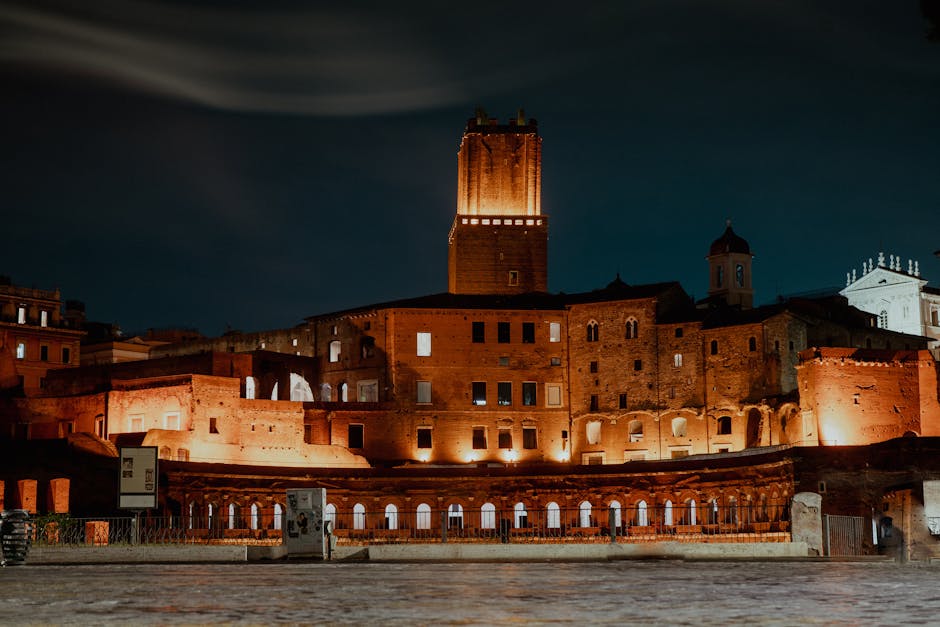
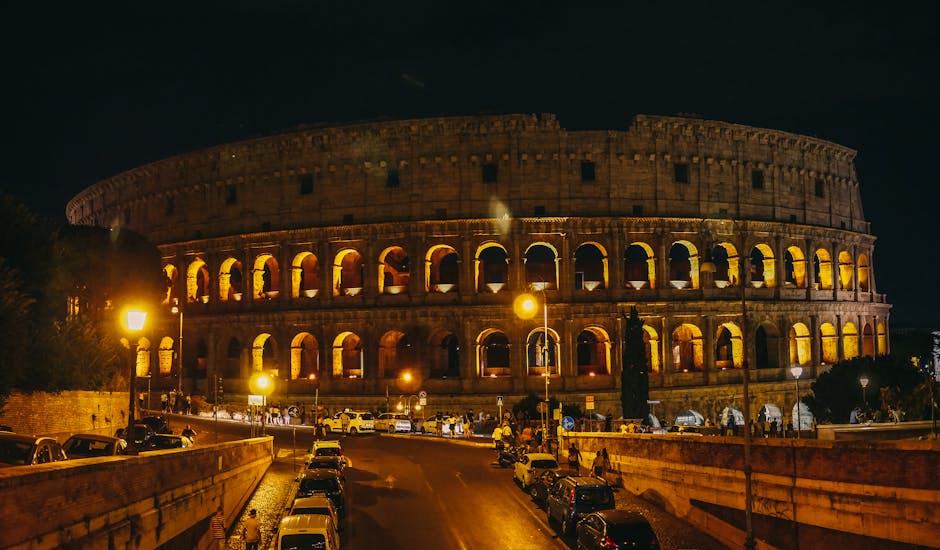
Several iconic landmarks are beautifully lit after sunset. The Colosseum, Roman Forum, and Palatine Hill are illuminated starting around 8 PM, offering a stunning backdrop for evening walks. While interior access is limited at night, exterior views are free and accessible from the surrounding streets.
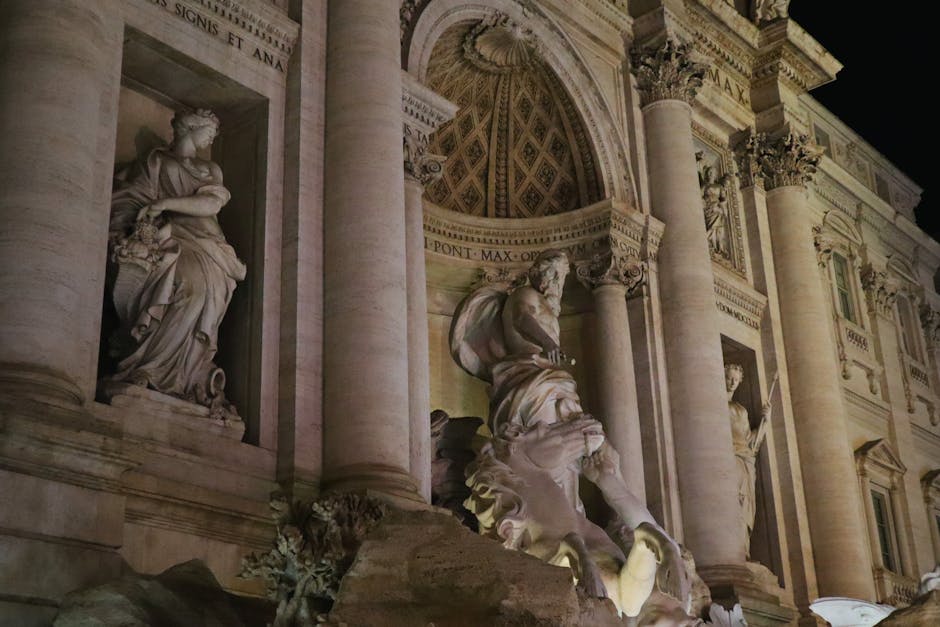
The Pantheon remains open until 7:30 PM, but its exterior glows softly all night. Similarly, the Trevi Fountain is lit from dusk until midnight—ideal for a late-night coin toss without the midday crowds. Bring a small flashlight if you want to read the inscriptions up close.
Piazzas and Public Spaces
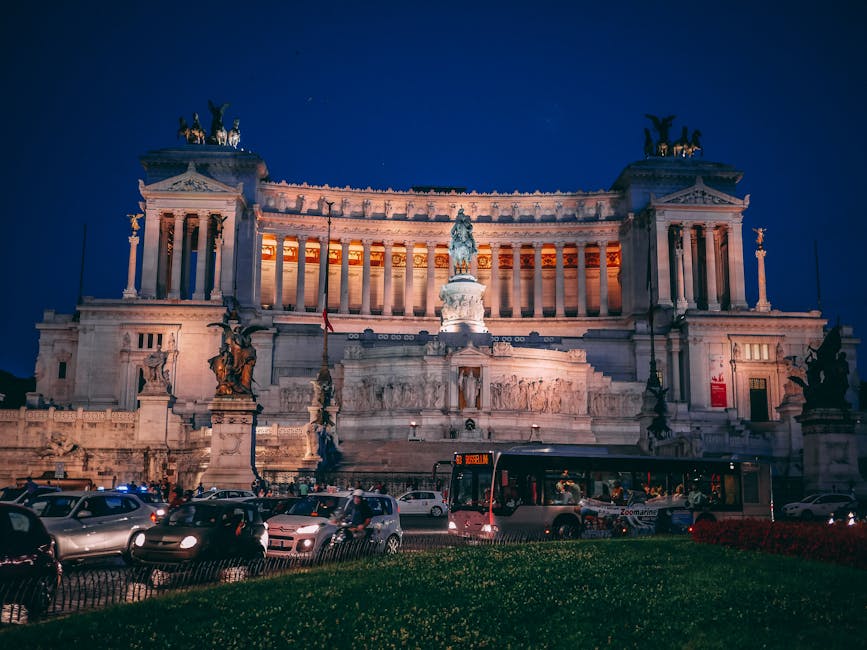
Piazza Navona comes alive at night with artists, musicians, and gelato vendors. The fountains shimmer under soft lighting, and the Baroque architecture feels even more dramatic. Nearby, Campo de’ Fiori transforms from a daytime market into a lively evening hub with bars and outdoor seating.
For a quieter experience, head to Piazza del Popolo. The obelisk stands tall under spotlights, and the view down Via del Babuino toward the Spanish Steps is especially striking after dark.
Rooftop Views and Panoramic Spots
Several rooftop bars and viewpoints offer breathtaking nighttime vistas. The Terrazza del Pincio above Piazza del Popolo provides a sweeping view of the city skyline, including St. Peter’s dome. It’s free to access and open until midnight.
For a drink with a view, try Aroma near the Colosseum or La Terrazza at Hotel Eden. Both offer elevated perspectives and craft cocktails, though reservations are recommended. Alternatively, the Gianicolo Hill in Trastevere delivers panoramic views and a peaceful atmosphere—perfect for couples or solo reflection.
Best Neighborhoods for Nightlife
Trastevere: Bohemian and Lively
Trastevere is Rome’s most popular nightlife district. Cobblestone streets, ivy-covered buildings, and outdoor cafes create a romantic, village-like feel. Start with an aperitivo at Freni e Frizioni, known for its creative cocktails and laid-back vibe.
Dinner options range from casual trattorias like Da Enzo to upscale spots like Rifugio Romano. After eating, wander the narrow alleys—street musicians often play near Piazza Santa Maria, and late-night gelato at Fatamorgana is a must.
Testaccio: Authentic and Local
Less touristy than Trastevere, Testaccio offers a genuine Roman night out. The area is known for its food scene—try Volpetti Più for a quick bite or Flavio al Velavevodetto for classic Roman dishes in a candlelit setting.
The Testaccio Market closes by evening, but the surrounding streets buzz with wine bars and casual pubs. Bir & Fud serves excellent pizza and craft beer, while Open Baladin offers a wide selection of Italian drafts.
Monti: Trendy and Central
Nestled between the Colosseum and Via Nazionale, Monti blends history with modern flair. This neighborhood is ideal for travelers who want nightlife within walking distance of major sights.
Start at Fafiuché for inventive cocktails, then dine at Armando al Pantheon (reservations essential) or opt for casual Roman fare at La Carbonara. Monti’s compact size makes it easy to explore on foot, and it’s well-lit and safe after dark.
Dining and Drinking After Dark
Aperitivo Culture
Aperitivo is a beloved Italian ritual—similar to happy hour but more leisurely. Typically served between 6 and 9 PM, it includes a drink (like Aperol Spritz or Campari) and a buffet of snacks, sometimes substantial enough to replace dinner.
Popular spots include Salotto 42 near Piazza Venezia and Fizz Craft & Cocktails in Prati. Many places offer fixed-price menus (€10–€15) that include one drink and unlimited food. It’s a budget-friendly way to dine and socialize.
Late-Night Eats
Rome isn’t known for all-night dining, but several options cater to late eaters. Pizzerias like Pizzarium Bonci and Sbanco stay open past midnight, serving wood-fired slices and fried supplì.
For a sit-down meal, try Dar Poeta in Trastevere or Trapizzino in San Lorenzo. Both offer hearty Roman comfort food and stay open until 1 or 2 AM. Kebab shops and 24-hour cafes near Termini Station also serve quick bites for night owls.
Wine Bars and Cocktail Spots
Rome’s wine bar scene has grown significantly in recent years. Look for enoteche like Enoteca Ferrara in Prati or Il Goccetto near Campo de’ Fiori—both offer curated wine lists and small plates.
Cocktail enthusiasts should visit Freni e Frizioni, Jerry Thomas Project (hidden behind an unmarked door), or Drink Kong for creative mixology. Most cocktail bars open around 7 PM and stay busy until 1 AM.
Getting Around Rome at Night
Public Transportation
Rome’s public transit system operates until around midnight. Buses and trams run on reduced schedules after 10 PM, but major lines like the 64 (connecting Termini to Vatican City) remain active.
The metro (Line A and B) stops at 11:30 PM on weekdays and midnight on weekends. Check the ATAC website or app for real-time updates. Night buses (marked with an “N”) replace metro service after closure, but routes can be confusing—plan ahead or use a ride-hailing app.
Taxis and Ride-Sharing
Taxis are reliable but should be booked via app or hailed at official stands (e.g., near major hotels or stations). Avoid unlicensed cabs—they often overcharge. Official rates are metered, and a ride from Trastevere to Termini typically costs €15–€20.
Uber operates in Rome, though standard UberX is limited. Uber Black (premium sedans) is available and often faster than waiting for a taxi. FreeNow and ItTaxi are local alternatives with English support.
Walking Safety Tips
Most central neighborhoods are safe to walk at night, especially in well-lit, populated areas like Via del Corso or Piazza Navona. Stick to main streets and avoid dimly lit alleys or deserted parks.
Keep your belongings secure—pickpocketing can occur in crowded areas, even after dark. Use a crossbody bag and avoid flashing valuables. If you’re alone, stay aware of your surroundings and trust your instincts.
Safety and Practical Tips
Staying Safe After Dark
Rome is generally safe for tourists at night, but common-sense precautions apply. Avoid isolated areas like the Appian Way after midnight unless in a group. Stick to well-trafficked routes and use licensed transportation when returning late.
Emergency numbers: 112 (EU-wide emergency line), 113 (police), 118 (medical). Most hotels and tourist offices provide safety advice—ask if you’re unsure about a neighborhood.
Packing Essentials for Night Outings
Even in summer, evenings can be cool—bring a light jacket or scarf. Comfortable walking shoes are a must, especially on cobblestones. A portable phone charger helps if you’re using maps or ride apps.
Carry a small amount of cash—many small bars and food stalls don’t accept cards. A reusable water bottle is useful, as public fountains (nasoni) are safe to drink from and widely available.
Seasonal Considerations
Summer nights in Rome are warm and lively, with extended hours at bars and outdoor seating. However, heat can linger until 10 PM—stay hydrated and seek shade during peak evening hours.
In winter, daylight ends early, but the city sparkles with holiday lights from December through early January. Many attractions have reduced hours, but Christmas markets and festive events add to the nighttime appeal. Layer clothing, as temperatures can drop quickly after sunset.
Compact Comparison: Day vs. Night in Rome
| Aspect | Daytime | Nighttime |
|---|---|---|
| Crowds | High at major sites (Colosseum, Vatican) | Lower; more locals, fewer tourists |
| Atmosphere | Energetic, busy, sightseeing-focused | Relaxed, romantic, social |
| Lighting | Natural light ideal for photos | Monuments illuminated; dramatic ambiance |
| Dining | Full-service restaurants, lunch menus | Aperitivo, late-night pizza, wine bars |
| Transportation | Metro, buses, trams frequent | Limited service; taxis and walking preferred |
Final Tips for a Great Night in Rome
Plan your evening around one or two key activities—don’t try to cram in too much. Rome’s charm lies in slow exploration. Allow time to sit in a piazza, people-watch, or simply enjoy the architecture under moonlight.
Download offline maps and save key locations (hotel, metro stops, emergency contacts) on your phone. Language apps can help with basic Italian phrases, especially when ordering food or asking for directions.
Lastly, embrace the Italian pace. Meals last longer, conversations meander, and the night unfolds at its own rhythm. Rome after dark rewards those who linger.
FAQ
Is Rome safe to walk at night?
Yes, central areas like Trastevere, Monti, and Campo de’ Fiori are generally safe after dark. Stick to well-lit, populated streets and avoid isolated areas.
What time do restaurants close in Rome?
Most restaurants serve dinner until 10:30 or 11 PM. A few pizzerias and late-night spots stay open past midnight, especially in nightlife districts.
Can I visit the Colosseum at night?
The interior is closed, but the exterior is illuminated and accessible 24/7. Night tours are occasionally offered—check the official website for special events.

