
Best Museums in Rome Travel Guide
Best Museums in Rome Travel Guide
Rome is a living museum, but some of its most treasured collections are housed in dedicated institutions that showcase art, history, and culture across millennia. Whether you’re drawn to ancient sculptures, Renaissance masterpieces, or modern installations, the city offers world-class museums for every interest. This guide highlights the best museums in Rome, with practical tips on what to see, how to get tickets, and when to visit. From the Vatican’s unparalleled art to hidden gems off the tourist trail, these museums deliver unforgettable experiences.
Top Museums to Visit in Rome
Rome’s museum scene blends ancient heritage with contemporary innovation. The city’s top institutions attract millions each year, but not all are equally accessible or worth your time. We’ve narrowed down the must-see options based on collection quality, visitor experience, and cultural significance.
Vatican Museums
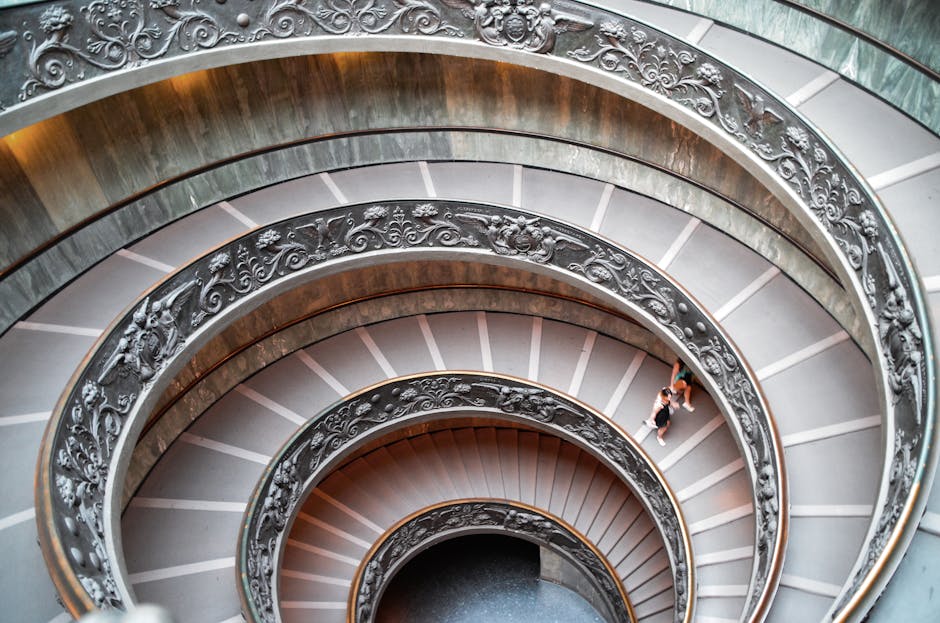
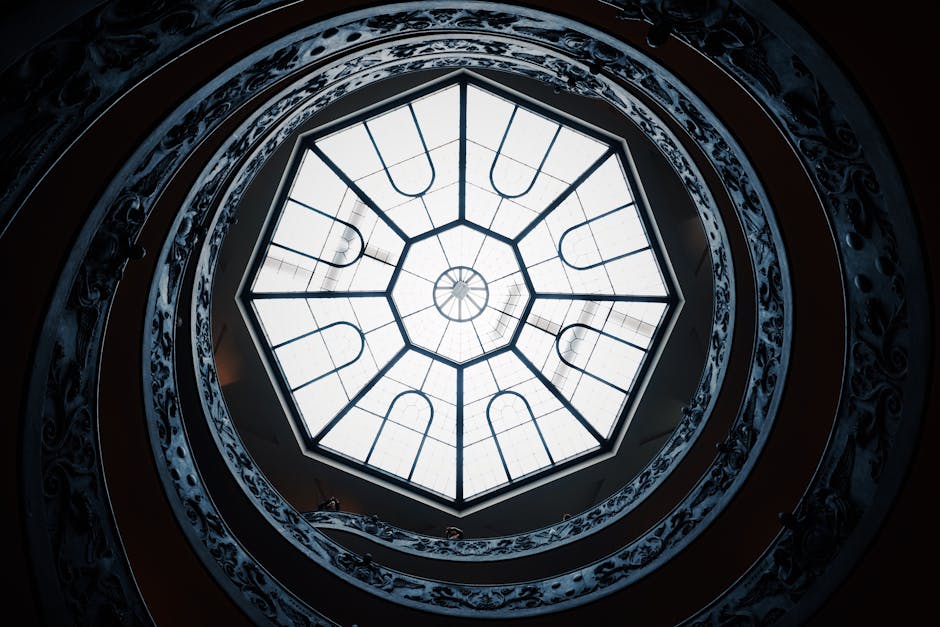
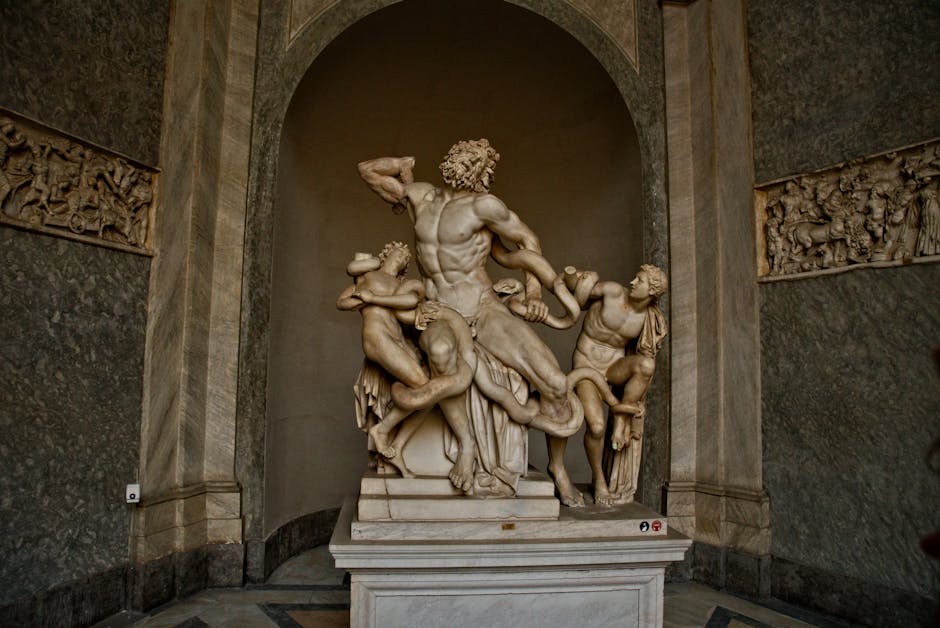
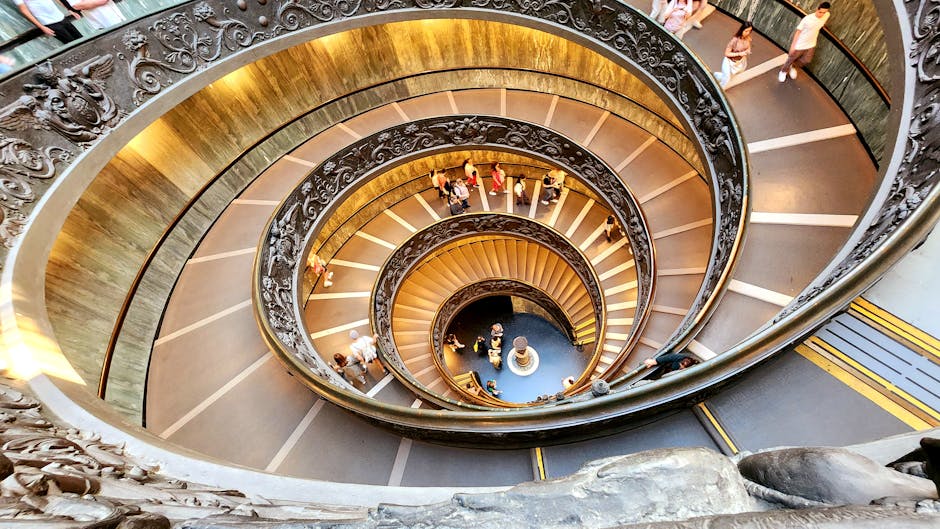
The Vatican Museums are arguably the most famous in the world, drawing over 5 million visitors annually. Located within Vatican City, they house one of the largest and most important art collections on the planet. Highlights include the Sistine Chapel, Raphael Rooms, and the Gallery of Maps.
Advance booking is essential. Walk-in lines can exceed two hours, especially in peak season. Opt for a timed-entry ticket or a guided tour to skip the queue. Photography is allowed in most areas, but not in the Sistine Chapel.
The museums open at 8:00 AM, with extended hours on Wednesdays for papal audiences. Avoid Sundays except the last Sunday of the month, when entry is free but extremely crowded.
Capitoline Museums
Founded in 1471, the Capitoline Museums are considered the world’s oldest public museums. They sit atop Capitoline Hill, one of Rome’s seven hills, and offer sweeping views of the Roman Forum.
The collection spans Roman sculpture, Renaissance paintings, and ancient inscriptions. Don’t miss the bronze statue of Marcus Aurelius or the Capitoline Wolf. The modern addition by Michelangelo blends seamlessly with the historic architecture.
Open Tuesday through Sunday, 9:30 AM to 7:30 PM. Tickets cost €15, with discounts for EU citizens under 25. Audio guides are available in multiple languages.
Galleria Borghese
Housed in a 17th-century villa in Villa Borghese park, the Galleria Borghese features an intimate collection of Baroque art. It includes works by Bernini, Caravaggio, and Raphael, displayed in opulent rooms that reflect the original private setting.
Entry is limited to 360 visitors per day, split into two-hour time slots. Reservations are mandatory and should be made weeks in advance. Photography is prohibited inside, but the gardens outside are free and worth exploring.
The villa’s setting makes it a peaceful retreat from the city’s bustle. Combine your visit with a stroll through the park or a boat ride on the lake.
Museo Nazionale Romano
This national museum is actually a network of four sites, each with a distinct focus. The Palazzo Massimo alle Terme branch holds the most impressive collection, including frescoes from Pompeii and the famous Boxer at Rest sculpture.
The Crypta Balbi site explores medieval Rome, while the Baths of Diocletian location features ancient architecture repurposed as a museum. The fourth site, Palazzo Altemps, showcases Renaissance and classical sculptures.
A combined ticket (€16) grants access to all four locations within seven days. Most are open Tuesday to Sunday, 9:00 AM to 7:00 PM. Audio guides enhance the experience, especially for understanding restoration techniques.
Museo dell’Ara Pacis
Dedicated to the Ara Pacis, an ancient altar of peace commissioned by Emperor Augustus, this modern museum offers a striking contrast between old and new. The glass-and-travertine building was designed by American architect Richard Meier.
The altar itself is remarkably preserved, with intricate reliefs depicting religious and imperial themes. Exhibits provide context on Augustan Rome and the role of ritual in political life.
Open daily except Monday, 9:00 AM to 7:00 PM. Tickets are €12, with free entry for children under 6. The museum is less crowded than major attractions, making it ideal for a quiet visit.
MAXXI – National Museum of 21st Century Arts
For contemporary art lovers, MAXXI is Rome’s premier destination. Designed by Zaha Hadid, the building itself is a work of art, with flowing concrete forms and dynamic spaces.
The museum features rotating exhibitions of Italian and international artists, focusing on architecture, visual arts, and design. Permanent collections are limited, so check the current program before visiting.
Located in the Flaminio district, it’s easily reached by metro. Open Tuesday to Sunday, 11:00 AM to 7:00 PM. Tickets cost €14, with discounts for students and seniors.
How to Plan Your Museum Visits
With so many options, planning is key to making the most of your time in Rome. Start by prioritizing based on your interests—ancient history, religious art, or modern culture.
Most major museums are closed on Mondays, so plan accordingly. The Vatican Museums are an exception, opening most Mondays but closing the last Sunday of each month for free entry.
Consider purchasing a Roma Pass, which includes free entry to two museums and unlimited public transport for 48 or 72 hours. It’s cost-effective if you plan to visit multiple sites.
Book tickets online in advance, especially for the Vatican Museums and Galleria Borghese. Walk-in availability is unreliable, and lines can be discouraging.
Wear comfortable shoes. Many museums involve extensive walking and standing. Large bags are often prohibited, so travel light or use cloakroom services.
Tips for a Smooth Museum Experience
Arrive early to avoid crowds, particularly at the Vatican and Capitoline Museums. Mornings are generally quieter, and lighting is better for viewing art.
Use audio guides or download official apps for self-guided tours. They provide deeper context than placards and are often available in English.
Respect photography rules. Some museums ban flash or tripods; others prohibit it entirely. When in doubt, ask staff.
Take breaks. Many museums have cafes or nearby parks. Villa Borghese, near Galleria Borghese, is perfect for a post-visit picnic.
Check for temporary exhibitions. These often require separate tickets but can offer unique insights or rare loans from other institutions.
Hidden Gems and Lesser-Known Museums
Beyond the famous names, Rome has smaller museums that offer unique perspectives. These are ideal for travelers seeking authenticity over crowds.
Museo Barracco
Tucked away near Piazza Venezia, this tiny museum houses a collection of ancient sculptures from Egypt, Greece, and the Near East. It’s free to enter and rarely busy.
The intimate setting allows close-up viewing of artifacts, many of which were collected by a 19th-century Italian nobleman. Perfect for a quick, quiet stop between major sites.
Museo di Roma in Trastevere
This museum focuses on the daily life of Romans from the 18th to 20th centuries. Exhibits include costumes, photographs, and household objects, offering a human-scale view of the city’s past.
Located in a charming piazza in Trastevere, it’s a great addition to a neighborhood walk. Open Wednesday to Monday, 10:00 AM to 6:00 PM. Entry is €5.
Centrale Montemartini
A former power plant turned museum, this space juxtaposes ancient Roman statues with industrial machinery. It’s a striking example of adaptive reuse and a favorite among photographers.
Part of the Capitoline Museums network, it’s included in the combined ticket. Open Tuesday to Sunday, 9:00 AM to 6:00 PM. Less visited, so ideal for a relaxed experience.
Accessibility and Visitor Information
Most major museums in Rome are accessible to visitors with reduced mobility, but conditions vary. The Vatican Museums have elevators and ramps, but some areas remain challenging due to historic architecture.
Galleria Borghese offers wheelchair access, but advance notice is recommended. MAXXI and Ara Pacis are fully accessible, with elevators and accessible restrooms.
Free entry is available for EU citizens under 18 and over 65 at state-run museums. Always carry ID. Children under 6 usually enter free everywhere.
Guided tours are available in multiple languages. Private tours offer deeper insights but cost more. Group tours are a budget-friendly alternative.
Compact Comparison of Top Museums
| Museum | Entry Fee (€) | Best For | Must-See Highlight | Booking Required? |
|---|---|---|---|---|
| Vatican Museums | 17–20 | Religious art, ancient sculpture | Sistine Chapel ceiling | Yes |
| Capitoline Museums | 15 | Roman history, classical art | Statue of Marcus Aurelius | No (recommended) |
| Galleria Borghese | 15 | Baroque sculpture, Caravaggio | Bernini’s Apollo and Daphne | Yes |
| Museo Nazionale Romano | 16 (combined) | Ancient frescoes, sculpture | Boxer at Rest | No |
| MAXXI | 14 | Contemporary art, architecture | Zaha Hadid building design | No |
Final Tips for Museum Hopping in Rome
Don’t try to see everything in one trip. Rome’s museums are vast, and rushing diminishes the experience. Pick two or three per day, with breaks in between.
Stay hydrated and carry a refillable bottle. Many museums have water fountains, and Rome’s public fountains (nasoni) offer safe drinking water.
Download offline maps and museum guides. Wi-Fi can be spotty indoors, and navigation apps help when moving between sites.
Be mindful of pickpockets, especially in crowded areas like the Vatican or metro stations. Keep bags closed and valuables secure.
Lastly, allow time to simply sit and reflect. Some of the most memorable moments come not from the art itself, but from the quiet contemplation it inspires.
FAQ
Q: Are museums in Rome free on any days?
A: Yes. Many state-run museums, including the Capitoline Museums and Museo Nazionale Romano, offer free entry on the first Sunday of each month. The Vatican Museums are free on the last Sunday, but expect large crowds.
Q: Can I visit the Vatican Museums without a guided tour?
A: Absolutely. Self-guided visits are allowed with a standard ticket. Audio guides are available for rent, and the official app provides detailed commentary. Guided tours are optional but helpful for first-time visitors.
Q: What’s the best way to avoid long lines at popular museums?
A: Book timed-entry tickets online in advance. Arrive 15 minutes early, and consider early morning or late afternoon visits when crowds are thinner. Skip-the-line tickets are worth the small extra cost during peak season.

