
Best Squares in Rome Travel Guide
Best Squares in Rome Travel Guide
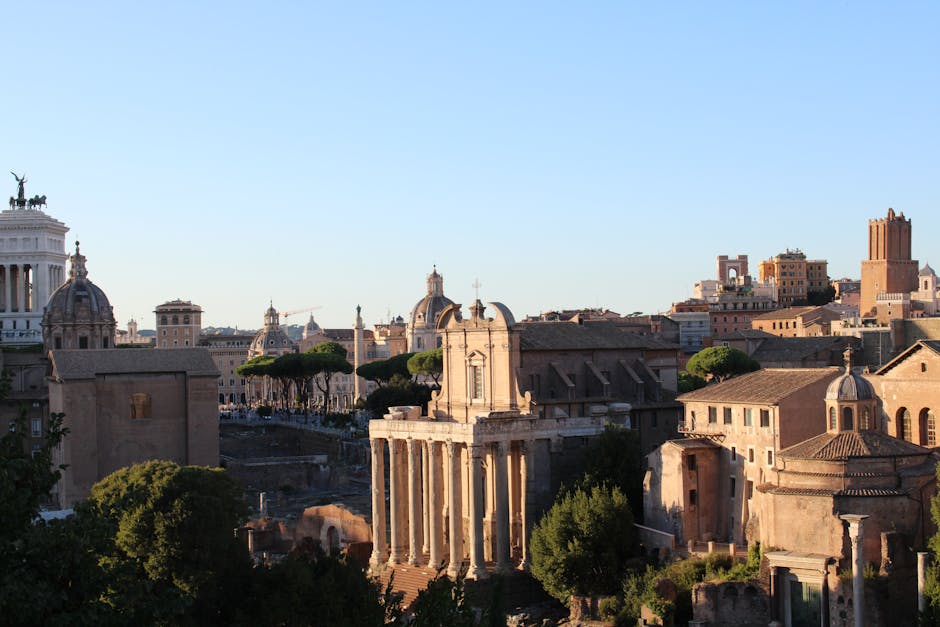
Rome’s squares—known locally as piazze—are the vibrant heart of the city’s social, historical, and architectural life. From Baroque masterpieces to ancient ruins repurposed for modern gatherings, these open spaces offer more than just photo opportunities. They’re where locals sip espresso, artists sketch, and history unfolds in real time. This guide highlights the best squares in Rome, helping you navigate the city’s most iconic and lesser-known public spaces with practical tips, historical context, and visiting advice.
Why Rome’s Squares Matter
Unlike many European cities where squares serve mainly as transit points, Roman piazze are living rooms for the city. They host markets, festivals, and daily rituals. Many were designed by famed architects like Bernini and Borromini, blending art, religion, and urban planning. Understanding their significance adds depth to your visit—you’re not just sightseeing, you’re stepping into centuries of culture.
Top 7 Must-Visit Squares in Rome
Below are the seven best squares in Rome, each offering a unique blend of history, architecture, and atmosphere. Whether you’re drawn to grand fountains, lively cafes, or quiet corners with ancient roots, there’s a piazza for every traveler.
Piazza Navona
Piazza Navona is arguably Rome’s most famous square, built on the site of the ancient Stadium of Domitian. Its elongated shape reflects the original racetrack, and today it’s lined with outdoor cafes, street artists, and three stunning fountains. The centerpiece, Fontana dei Quattro Fiumi, designed by Bernini, represents the four major rivers of the continents known in the 17th century.
The square comes alive in the evenings, especially during the Christmas market in December. Visit early morning or late afternoon to avoid peak crowds. The nearby Church of Sant’Agnese in Agone, designed by Borromini, is worth a quick look for its dramatic façade.
Piazza di Spagna (Spanish Steps)
Home to the iconic Spanish Steps, Piazza di Spagna is a hub for fashion lovers and photographers. The 135-step staircase leads up to the Trinità dei Monti church, offering panoramic views over the city. At the base, the Barcaccia fountain—shaped like a half-sunken ship—was designed by Pietro Bernini, father of the more famous Gian Lorenzo.
This area is bustling year-round, especially during Fashion Week and the spring flower display that carpets the steps. Be mindful of pickpockets and avoid sitting on the steps themselves—it’s been prohibited since 2019 to preserve the structure.
Piazza Venezia
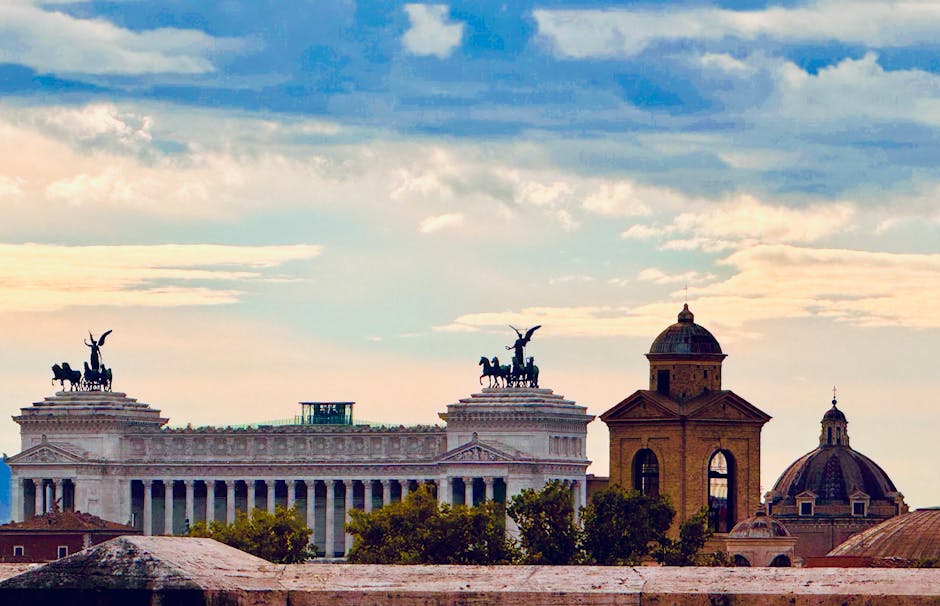
Piazza Venezia is a major traffic hub and the site of the imposing Vittoriano monument, often called “The Wedding Cake” for its white marble tiers. While not as picturesque as other squares, it’s historically significant as the ceremonial center of modern Italy. From here, you can access the Capitoline Hill and Museums with a short walk.
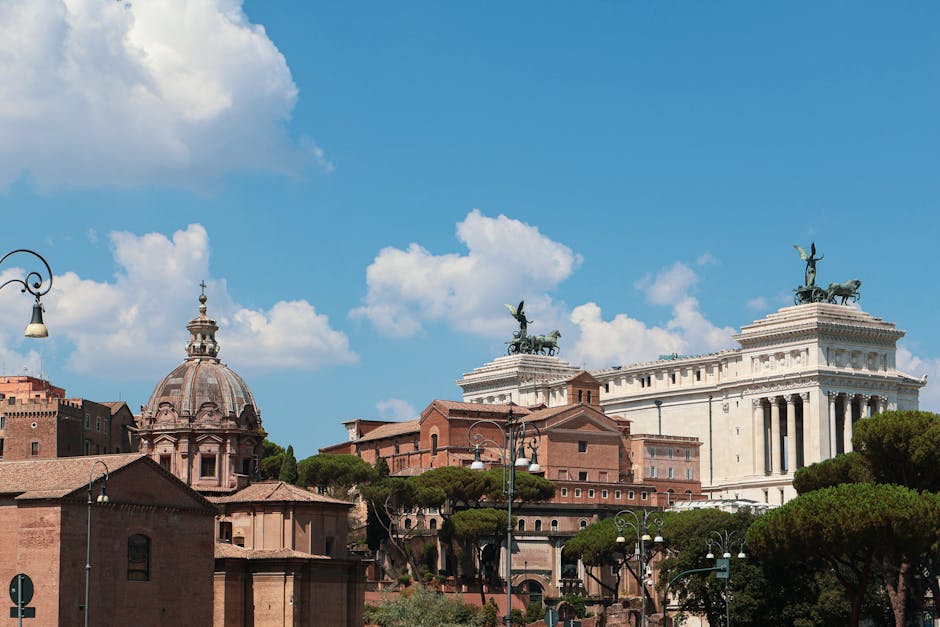
The piazza can be noisy and crowded, but it’s worth a stop for the view from the monument’s terrace. Visit early in the morning to avoid traffic and enjoy a quieter moment with the statue of Victor Emmanuel II.
Piazza del Popolo
Translated as “People’s Square,” Piazza del Popolo marks the northern entrance to Rome. Originally a dusty gateway for pilgrims, it was redesigned in the 19th century into a grand oval space framed by twin churches and an Egyptian obelisk at its center. The obelisk was brought from Heliopolis by Emperor Augustus and originally stood in the Circus Maximus.
The square is a great starting point for exploring the Pincio Gardens, which offer one of the best sunset views over St. Peter’s Dome. The nearby Santa Maria del Popolo church houses two Caravaggio paintings—don’t miss them if you’re an art lover.
Piazza Farnese
Tucked away in the Regola district, Piazza Farnese is quieter than the main tourist squares but equally beautiful. It’s dominated by the Palazzo Farnese, now the French Embassy, and features two massive granite bathtubs from ancient Roman times used as fountains. These were once part of the Baths of Caracalla.
This square is ideal for a peaceful break. Grab a coffee at a nearby café and enjoy the Renaissance architecture without the crowds. It’s also close to the vibrant Testaccio neighborhood, known for its food scene.
Piazza Barberini
Piazza Barberini is named after the powerful Barberini family and features the striking Fontana del Tritone, another Bernini masterpiece. The Triton Fountain depicts a mermaid blowing a conch shell, symbolizing the triumph of the Barberini Pope Urban VIII.
The square is surrounded by elegant 17th-century buildings and is a gateway to the upscale shopping streets of Via Veneto. It’s less touristy than other squares, making it a good spot to observe local life. The nearby National Gallery of Ancient Art in Palazzo Barberini is worth a visit for art enthusiasts.
Piazza Campo de’ Fiori
By day, Piazza Campo de’ Fiori hosts one of Rome’s most vibrant open-air markets, selling fresh produce, flowers, and spices. By night, it transforms into a lively nightlife spot with bars and restaurants spilling onto the cobblestones. A statue of philosopher Giordano Bruno stands in the center, commemorating his execution here in 1600 for heresy.
Visit in the morning for the market—arrive by 8 a.m. for the best selection. The square has a gritty, authentic charm that contrasts with more polished piazze. Avoid late-night visits if you’re traveling alone, as the area can get rowdy.
How to Experience Rome’s Squares Like a Local
To truly appreciate Rome’s squares, go beyond snapping photos. Sit at a café, order a caffè or spritz, and observe the rhythm of daily life. Many piazze host seasonal events—check local listings for concerts, art installations, or food festivals.
Walk between squares on foot to discover hidden alleys and unexpected views. The city’s compact center makes it easy to explore multiple piazze in one afternoon. Wear comfortable shoes—cobblestones and uneven pavement are common.
Best Times to Visit Rome’s Squares
Early morning (7–9 a.m.) offers soft light and fewer crowds—ideal for photography and quiet reflection. Late afternoon (4–6 p.m.) is perfect for people-watching as locals gather after work. Evening visits (after 7 p.m.) reveal a different energy, especially in summer when piazze stay lively until midnight.
Avoid midday in peak summer (June–August) when heat and crowds peak. Spring (April–May) and fall (September–October) offer the most pleasant weather and fewer tourists.
What to Bring and What to Avoid
Bring a reusable water bottle—Rome has many public fountains with drinkable water, often near squares. A small crossbody bag helps deter pickpockets, especially in busy areas like Piazza Navona and Spanish Steps.
Avoid large backpacks in crowded piazze. Don’t feed the pigeons—it’s discouraged and can attract pests. Respect local customs: avoid loud behavior, and don’t climb on fountains or monuments.
Accessibility and Family-Friendly Tips
Many of Rome’s squares are accessible, but cobblestones and steps can challenge those with mobility issues. Piazza del Popolo and Piazza Venezia have smoother surfaces. Strollers work best in wider piazze like Piazza Navona.
Families will enjoy the open spaces for kids to run around. Bring snacks and water, as public restrooms are limited. Some piazze have playgrounds or shaded areas—Piazza del Popolo’s gardens are a good option.
Compact Comparison of Rome’s Top Squares
| Square | Best For | Crowd Level | Nearby Attraction |
|---|---|---|---|
| Piazza Navona | Art, fountains, dining | High | Pantheon (5-min walk) |
| Piazza di Spagna | Shopping, views, photos | Very High | Villa Borghese (10-min walk) |
| Piazza del Popolo | Sunset views, history | Medium | Pincio Gardens (on-site) |
| Piazza Farnese | Quiet, architecture | Low | Testaccio Market (10-min walk) |
Final Tips for Your Rome Square Tour
Start your day at one of the quieter squares like Piazza Farnese, then move to the more famous ones as you build momentum. Use the squares as natural landmarks to orient yourself—Rome’s layout can be confusing, but the piazze serve as reliable reference points.
Download an offline map or use a walking tour app to learn the stories behind each fountain and statue. Many have fascinating tales of rivalry, religion, and power. And remember: the best way to enjoy Rome’s squares is to slow down, sit, and soak in the atmosphere.
FAQ
What is the most beautiful square in Rome?
Piazza Navona is often considered the most beautiful due to its Baroque fountains, lively atmosphere, and central location. However, Piazza del Popolo and Piazza Farnese offer more serene and equally stunning experiences.
Are Rome’s squares safe at night?
Most central squares like Piazza Navona and Piazza di Spagna are well-lit and busy in the evenings, making them generally safe. Avoid isolated areas and stay aware of your surroundings, especially in less touristy piazze after midnight.
Can you sit on the Spanish Steps?
No, sitting on the Spanish Steps has been prohibited since 2019 to prevent wear and tear. Fines can be issued, and security patrols the area. You can still take photos and admire the view from the surrounding piazza.

