

Travel Planning Checklist Complete Guide: Everything You Need to Prepare Before Your Trip
Travel Planning Checklist Complete Guide: Everything You Need to Prepare Before Your Trip
A well-organized travel planning checklist is the foundation of a smooth, stress-free trip. Whether you’re heading to a tropical beach, exploring a European city, or embarking on a cross-country road trip, having a clear, step-by-step plan ensures you don’t overlook critical details like visas, vaccinations, or travel insurance. This complete guide walks you through every essential stage of travel preparation—from initial research to packing your bags—so you can travel confidently and focus on the experience, not the logistics.
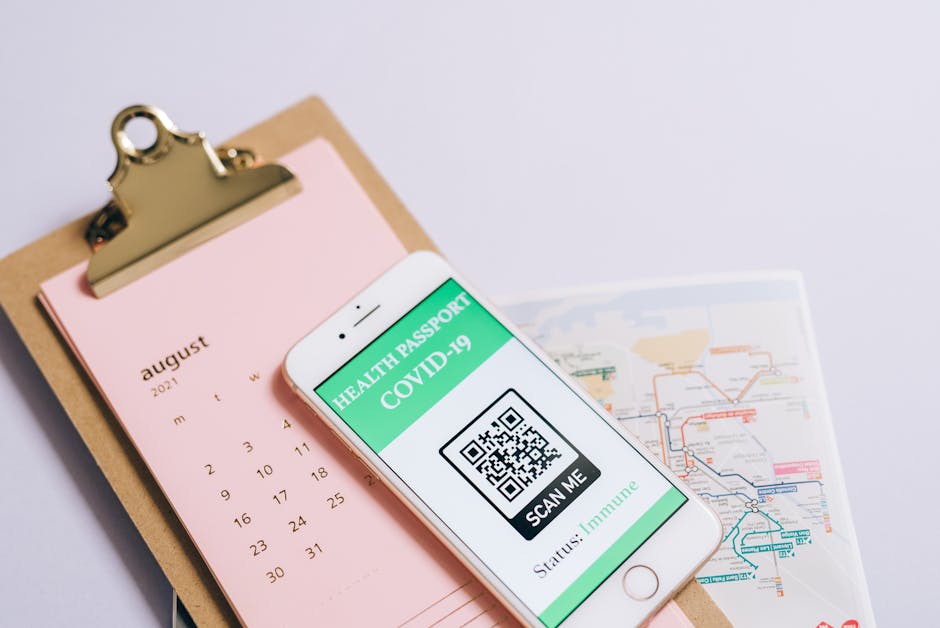
Why a Travel Planning Checklist Matters
Traveling without a checklist is like driving without a map: you might reach your destination, but you’ll likely waste time, money, or energy along the way. A structured travel planning checklist helps you avoid common pitfalls such as expired passports, missed reservations, or forgotten adapters. It also reduces anxiety by giving you a clear roadmap of what needs to be done and when.
Consider this: over 30% of travelers report forgetting at least one essential item on their first trip abroad. Common oversights include power converters, prescription medications, and printed confirmations. A checklist minimizes these risks and ensures you’re prepared for both expected and unexpected situations.
Step-by-Step Travel Planning Timeline
Effective travel planning begins weeks—sometimes months—before departure. Use this timeline as your guide to stay on track.
6–12 Months Before Departure
- Set a budget: Determine how much you can spend on flights, accommodations, food, activities, and emergencies. Include a 10–15% buffer for unexpected costs.
- Research destinations: Compare climates, safety ratings, local customs, and peak tourist seasons. Use government travel advisories (like those from the U.S. State Department or UK Foreign Office) to assess risks.
- Book major expenses early: Flights and accommodations often cost less when booked in advance. Look for refundable options if your plans are flexible.
- Check passport validity: Many countries require your passport to be valid for at least six months beyond your return date. Renew if necessary—processing can take 6–8 weeks.
3–6 Months Before Departure
- Apply for visas: Some destinations require visas in advance. Research requirements based on your nationality and apply early to avoid delays.
- Schedule vaccinations: Visit a travel clinic or your doctor to determine if you need vaccines (e.g., yellow fever, typhoid) or malaria prophylaxis. Some immunizations require multiple doses over several weeks.
- Book tours and experiences: Popular attractions like the Louvre, Machu Picchu, or Disney World often sell out. Reserve tickets online to skip lines.
- Notify your bank: Inform your bank and credit card companies of your travel dates and destinations to prevent card blocks due to suspicious activity.
1–2 Months Before Departure
- Purchase travel insurance: Choose a policy that covers medical emergencies, trip cancellations, and lost luggage. Read the fine print—some exclude high-risk activities or pre-existing conditions.
- Download essential apps: Install offline maps (Google Maps, Maps.me), translation tools (Google Translate), and local transit apps. Save digital copies of important documents.
- Arrange transportation: Book airport transfers, rental cars, or train passes. Confirm pickup times and locations.
- Check visa and entry requirements: Some countries require proof of onward travel, hotel bookings, or sufficient funds. Print copies to present at immigration.
1–2 Weeks Before Departure
- Confirm reservations: Double-check flight times, hotel check-in, and tour bookings. Airlines often change schedules last minute.
- Pack smart: Use a packing list tailored to your destination and activities. Roll clothes to save space and prevent wrinkles.
- Charge devices and pack accessories: Bring chargers, power banks, and universal adapters. Label cords to avoid confusion.
- Set up mail hold or pet care: Prevent mail pile-up or ensure your pet is cared for while you’re away.
24–48 Hours Before Departure
- Check in online: Most airlines allow check-in 24 hours before departure. Download boarding passes to your phone.
- Pack medications and essentials in carry-on: Keep prescriptions, glasses, and a change of clothes in your hand luggage in case of delays or lost bags.
- Confirm transportation to the airport: Whether it’s a taxi, rideshare, or friend, make sure your ride is scheduled.
- Review local customs and phrases: Learn basic greetings and etiquette to show respect and ease communication.
Essential Items for Your Travel Planning Checklist
Beyond timing, your travel planning checklist should include specific documents, gear, and tasks. Below is a categorized list of must-haves for most trips.
Documents and Identification
- Valid passport (with at least 6 months validity)
- Visas (if required)
- Driver’s license or ID
- Travel insurance policy details
- Flight and accommodation confirmations
- Emergency contact list
- Copies of important documents (stored digitally and in print)
Health and Safety
- Prescription medications (in original containers)
- Basic first-aid kit (band-aids, antiseptic, pain relievers)
- Insect repellent and sunscreen
- Hand sanitizer and masks
- Travel health insurance card
Technology and Gadgets
- Smartphone and charger
- Universal power adapter
- Portable power bank
- Camera and memory cards
- Headphones or earbuds
- Offline maps and translation apps
Packing Essentials
- Weather-appropriate clothing
- Comfortable walking shoes
- Toiletries (in travel-sized containers)
- Reusable water bottle
- Daypack or small backpack
- Laundry bag and packing cubes
Common Travel Planning Mistakes to Avoid
Even seasoned travelers make errors. Here are frequent missteps and how to prevent them.
Overpacking
It’s tempting to bring “just in case” items, but heavy luggage leads to extra fees and mobility issues. Stick to a capsule wardrobe—mix-and-match outfits that work across multiple occasions. For example, a neutral blazer can dress up a casual outfit for dinner or blend into business attire.
Ignoring Local Laws and Customs
What’s acceptable at home may be offensive abroad. In Japan, eating while walking is frowned upon. In the UAE, public displays of affection can lead to fines. Research cultural norms to avoid awkward or legal issues.
Not Having a Backup Plan
Flights get canceled. Weather ruins outdoor plans. Always have a Plan B. If you’re visiting a beach destination, identify indoor museums or cafes in case of rain. Save contact numbers for local emergency services and your country’s embassy.
Forgetting to Test Electronics
A dead phone or broken adapter can derail your trip. Test all devices before leaving. Ensure your power bank holds a charge and your adapter fits local outlets. Bring a small extension cord if you have multiple devices.
Travel Planning Checklist: Domestic vs. International Trips
While many planning steps overlap, international travel requires extra attention to documentation, health, and communication.
| Task | Domestic Travel | International Travel |
|---|---|---|
| Passport Required | No | Yes |
| Visa Needed | Rarely | Often |
| Vaccinations Recommended | No | Yes (varies by destination) |
| Travel Insurance | Optional | Highly Recommended |
| Currency Exchange | Not Needed | Required |
| Language Barrier | Unlikely | Possible |
Tools and Resources to Simplify Travel Planning
Leverage technology and trusted sources to streamline your preparation.
Planning Apps and Websites
- Google Trips (archived, but features integrated into Google Travel): Organizes flight, hotel, and reservation details in one place.
- TripIt: Automatically creates itineraries from confirmation emails.
- Skyscanner or Google Flights: Compare flight prices and track deals.
- Booking.com or Airbnb: Book accommodations with free cancellation options.
- XE Currency: Check real-time exchange rates.
Government and Health Resources
- U.S. State Department Travel Advisories: travel.state.gov
- CDC Travel Health Notices: wwwnc.cdc.gov/travel
- UK Foreign Travel Advice: gov.uk/foreign-travel-advice
Final Tips for a Smooth Travel Experience
Even with a thorough travel planning checklist, flexibility is key. Delays happen. Plans change. The goal isn’t perfection—it’s preparedness. Stay calm, adapt when needed, and remember that most issues have solutions.
Before you leave, do a final walkthrough: confirm your itinerary, charge your devices, and pack your essentials. Leave a copy of your itinerary with a trusted friend or family member. And don’t forget to enjoy the journey—travel is as much about the unexpected moments as the planned ones.
FAQ
How far in advance should I start planning a trip?
For international trips, begin planning 6–12 months ahead to secure visas, vaccinations, and the best flight deals. Domestic trips can often be planned 1–3 months in advance, depending on destination and season.
What should I do if my passport expires soon?
Renew your passport immediately. Many countries require at least six months of validity beyond your return date. U.S. citizens can expedite renewal for an additional fee, but processing still takes several weeks.
Is travel insurance really necessary?
Yes, especially for international travel. It covers medical emergencies, trip cancellations, and lost luggage. Without it, a single hospital visit abroad could cost thousands of dollars.
Conclusion
A comprehensive travel planning checklist transforms a potentially chaotic experience into a well-organized adventure. By following a structured timeline, packing thoughtfully, and preparing for the unexpected, you set yourself up for a safe, enjoyable, and memorable trip. Use this guide as your go-to resource every time you plan to travel—because the best journeys start with smart preparation.

