
Travel Packing Checklist Complete Guide
A Travel Packing Checklist Complete Guide helps you pack efficiently, avoid forgotten essentials, and reduce stress before departure. Whether you’re heading out for a weekend getaway or a month-long international trip, having a clear, organized system ensures you bring the right items without overpacking. This guide covers essential categories—clothing, toiletries, electronics, documents, and more—with practical tips tailored to different trip types. You’ll find step-by-step strategies, common mistakes to avoid, and a printable checklist to use before every journey.
Why a Travel Packing Checklist Matters
Forgetting a passport, running out of clean socks, or lugging around a half-empty suitcase are all too common travel headaches. A reliable packing checklist prevents these issues by providing structure. It saves time at the airport, reduces last-minute shopping abroad, and helps maintain peace of mind. More importantly, it ensures you’re prepared for your destination’s climate, culture, and activities.
Studies show that travelers who use checklists are 30% less likely to forget critical items like chargers or medications. Beyond convenience, a checklist supports smarter decisions—like choosing versatile clothing or packing light to avoid checked baggage fees. It’s not about rigidity; it’s about intentionality.
How to Build Your Own Travel Packing Checklist
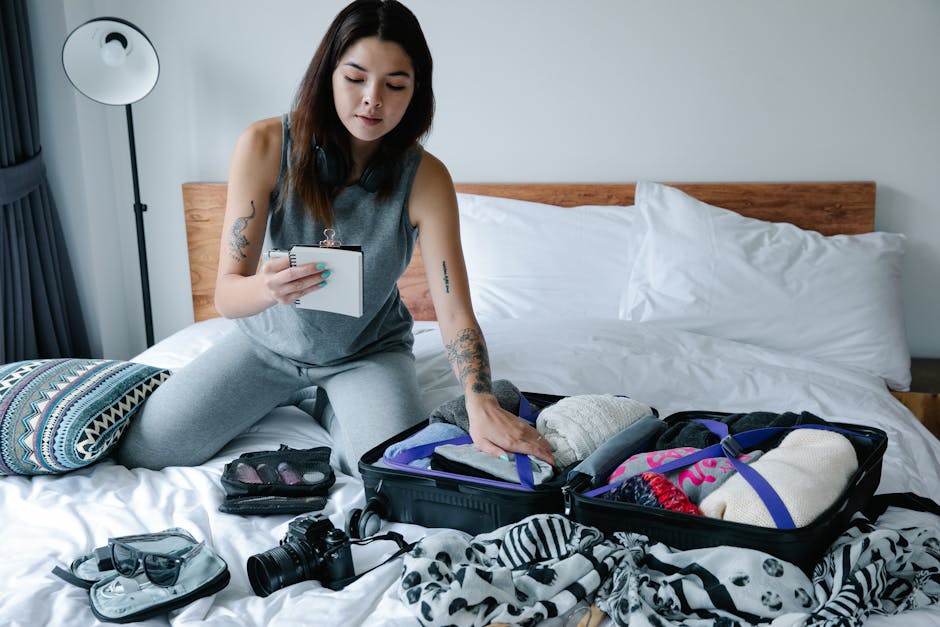
Creating a personalized checklist starts with understanding your trip’s specifics: duration, destination, climate, and planned activities. A two-day city break demands different gear than a two-week safari. Begin by listing core categories, then drill down into sub-items. Use digital tools like Google Keep, Notion, or a simple spreadsheet to build and reuse your list.
Start broad: Clothing, Toiletries, Electronics, Documents, Health & Safety, and Miscellaneous. Under each, add specific items. For example, under Clothing, include “3 pairs of underwear,” “1 jacket for cool evenings,” or “swimwear if applicable.” This level of detail prevents vague entries like “clothes” that lead to overpacking.
Update your checklist after each trip. Note what you didn’t use and what you wish you’d brought. Over time, your list becomes a refined, trip-specific tool.
Essential Categories for Every Traveler
Clothing
Pack based on the weather forecast and your itinerary. Choose neutral colors that mix and match. For a 5-day trip, plan for 5 shirts, 3 bottoms, 5 sets of underwear, and 1–2 sleepwear sets. Include one semi-formal outfit if dining out or attending events.
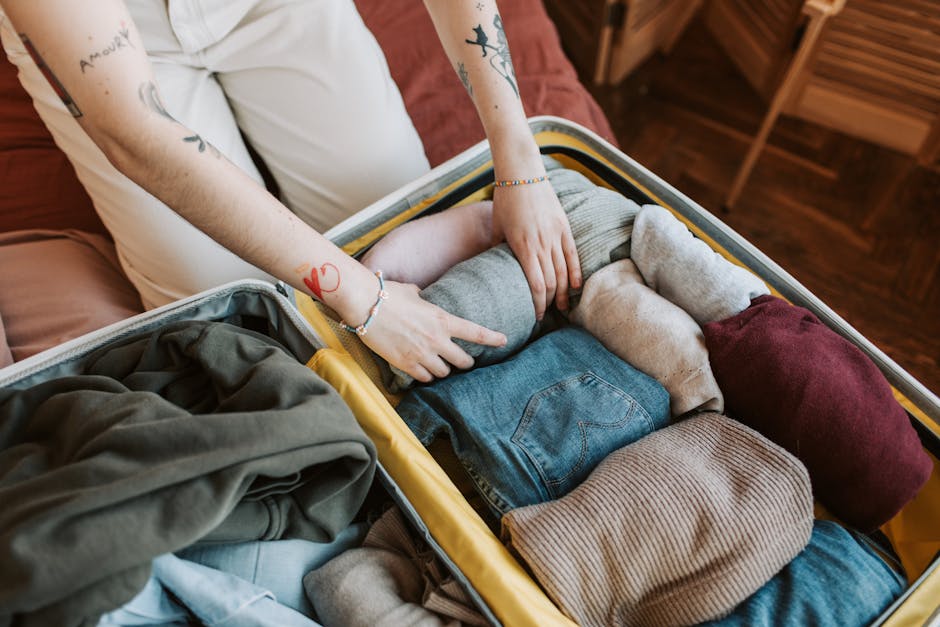
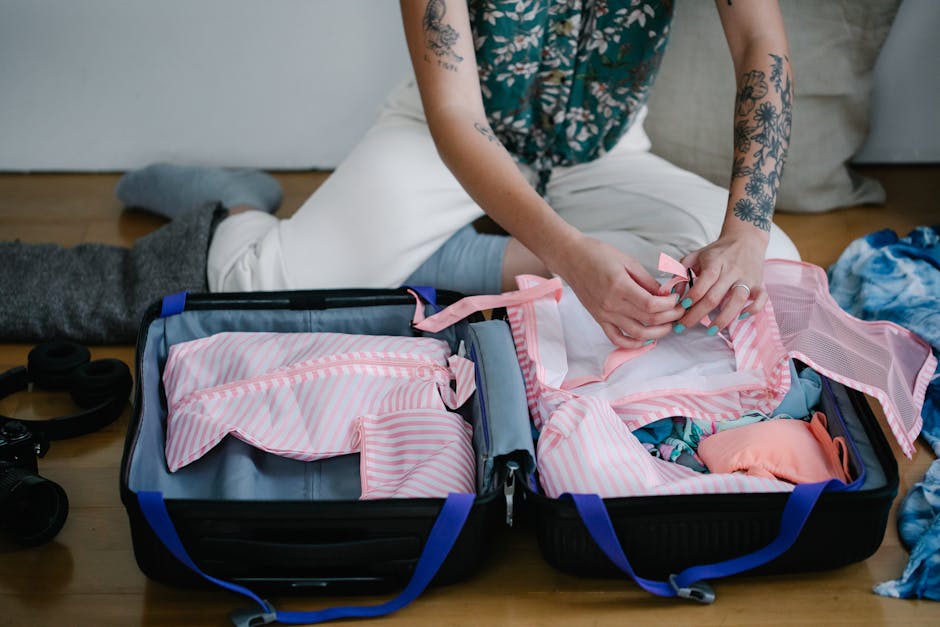
Roll clothes instead of folding to save space and reduce wrinkles. Use packing cubes to separate categories—tops, bottoms, undergarments. This makes unpacking faster and helps you see what you have at a glance.
Avoid the temptation to “just bring one more pair of shoes.” Limit to two: one walking shoe and one casual or dress option. Wear your bulkiest shoes on the plane to free up suitcase space.
Toiletries and Personal Care
Stick to travel-sized containers (under 3.4 oz or 100ml for carry-ons). Include toothbrush, toothpaste, shampoo, conditioner, deodorant, razor, and skincare. Don’t forget contacts, glasses, or contact solution if needed.
Consider solid toiletries like shampoo bars or toothpaste tablets—they’re TSA-friendly and reduce liquid spills. Pack a small first-aid kit with band-aids, pain relievers, antiseptic wipes, and any prescription medications.
For international trips, check local regulations. Some countries restrict certain medications or require prescriptions. Carry a doctor’s note if needed.
Electronics
Bring only what you’ll use. Essentials include phone, charger, power bank, headphones, and adapter plugs for international travel. If you’re working remotely, add a laptop and portable mouse.
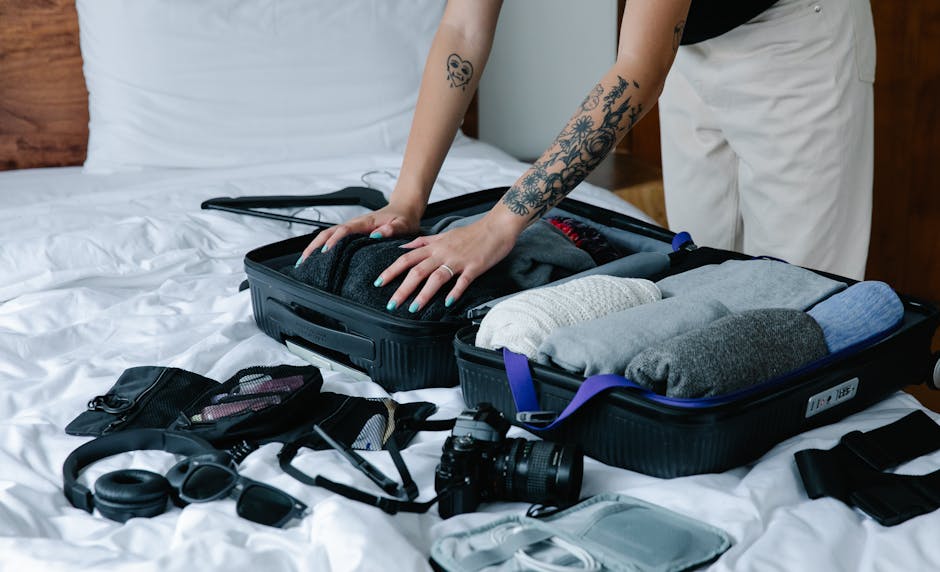
Use a cable organizer to keep cords tangle-free. Label each cord with a small tag or colored tape to identify them quickly. Always pack electronics in your carry-on—never check them.
Download offline maps, translation apps, and entertainment before departure. Airplane mode and limited Wi-Fi make pre-downloaded content invaluable.
Travel Documents and Money
Carry originals and digital copies of your passport, visa, driver’s license, travel insurance, and flight confirmations. Store digital backups in cloud storage or email them to yourself.
Use a travel wallet or document organizer to keep everything in one place. Keep cash and cards separate—use a money belt for extra security in high-theft areas.
Notify your bank of travel plans to avoid card freezes. Research local ATMs and exchange rates. Avoid airport currency exchanges—they often have poor rates.
Health and Safety
Pack a reusable water bottle with a filter if traveling to areas with unsafe tap water. Include hand sanitizer, tissues, and a small towel.
Check if your destination requires vaccinations. Carry a basic first-aid kit with bandages, antiseptic, and antihistamines. For long trips, consider a travel health kit with rehydration salts and anti-diarrheal medication.
Download local emergency numbers and save the address of your country’s embassy. Share your itinerary with a trusted contact.
Miscellaneous Items
Don’t overlook small but useful items: a travel pillow, eye mask, earplugs, reusable shopping bag, and a compact umbrella. These improve comfort, especially on long flights or in unpredictable weather.
Bring snacks for the journey—nuts, granola bars, or dried fruit. Airport food is expensive and often unhealthy. A refillable water bottle saves money and reduces plastic waste.
If traveling with kids, pack entertainment: coloring books, small toys, or a tablet with downloaded shows. For pets, include food, leash, and vaccination records.
Packing by Trip Type
Weekend Getaway
For short trips, aim for a carry-on or small duffel. Pack light: 2–3 outfits, minimal toiletries, and only essential electronics. Choose wrinkle-resistant fabrics and versatile pieces.
Example: A Friday-to-Sunday city break might include 2 shirts, 1 pair of jeans, 1 dress, 3 undergarments, 1 jacket, toiletries, phone charger, and ID. Roll everything and use a compression bag if needed.
Business Trip
Focus on professional attire and tech. Bring 2–3 suits or dress outfits, dress shoes, a laptop, presentation materials, and business cards. Use a garment folder to keep suits wrinkle-free.
Pack a portable steamer or wrinkle-release spray. Include a backup tie, cufflinks, and a lint roller. Keep important documents in a slim portfolio.
Beach Vacation
Prioritize sun protection and swimwear. Pack 2–3 swimsuits, rash guard, flip-flops, sunglasses, wide-brim hat, and reef-safe sunscreen. Bring a waterproof phone case and dry bag for excursions.
Don’t forget after-sun care—aloe vera gel or moisturizer. Pack light cover-ups and sandals for walking. Leave bulky towels behind—most hotels provide them.
Adventure or Backpacking Trip
Durability and weight matter. Use a high-quality backpack with padded straps. Pack quick-dry clothing, moisture-wicking base layers, and a lightweight sleeping bag if camping.
Include a headlamp, multi-tool, water purification tablets, and a compact stove. Choose gear that serves multiple purposes—a bandana can be a towel, scarf, or pot holder.
Test your pack before departure. Aim for under 20% of your body weight to avoid strain.
International Travel
Research visa requirements, customs rules, and local dress codes. Some countries require proof of onward travel or specific vaccinations.
Pack a universal power adapter and voltage converter if needed. Bring a phrasebook or translation app. Learn basic greetings in the local language.
Check baggage allowances for your airline. International flights often have stricter weight limits. Weigh your suitcase before heading to the airport.
Common Packing Mistakes to Avoid
- Overpacking: Bringing “just in case” items leads to heavy bags and unused clothes. Stick to your checklist and edit ruthlessly.
- Ignoring airline rules: Liquids over 3.4 oz, sharp objects, or prohibited items can cause delays. Check TSA or local guidelines.
- Packing at the last minute: Rushing leads to forgotten essentials. Start 2–3 days early.
- Not testing gear: New shoes, backpacks, or electronics should be tried before departure.
- Forgetting a day-of list: Keep a separate list for the morning of travel: phone charged, tickets printed, trash taken out.
Smart Packing Techniques
Roll, Don’t Fold: Rolling clothes saves up to 30% more space and reduces wrinkles. Use the bundle wrap method for suits or dresses.
Use Packing Cubes: These compartmentalize your bag and make unpacking faster. Color-code by category—blue for tops, red for underwear.
Wear Your Bulkiest Items: Jackets, boots, and sweaters take up less space in your bag if worn during travel.
Pack Heavy Items Low: Place shoes, toiletries, and electronics near the wheels of your suitcase for better balance.
Leave Room for Souvenirs: Pack lightly on the way out so you can bring back gifts without exceeding weight limits.
Digital vs. Physical Checklists
Digital checklists offer convenience—easy editing, cloud sync, and reminders. Apps like TripIt or PackPoint generate lists based on destination and duration. However, they require battery and signal.
Physical checklists (printed or handwritten) work offline and reduce screen time. They’re ideal for last-minute packing or shared trips where multiple people need access.
Best practice: Use both. Create a digital master list, then print a simplified version for the day of travel.
| Feature | Digital Checklist | Physical Checklist |
|---|---|---|
| Accessibility | Requires device and battery | Works offline, no power needed |
| Editing | Easy to update and customize | Manual changes only |
| Sharing | Instant via email or app | Must photocopy or retype |
| Reliability | Risk of app crashes or sync issues | Always available |
| Best For | Frequent travelers, complex trips | Last-minute packing, group trips |
Final Tips for Stress-Free Packing
- Start early—2–3 days before departure.
- Weigh your bag before leaving home.
- Keep a “last-minute” list by the door: keys, wallet, phone, tickets.
- Use clear pouches for liquids and small items.
- Label your luggage with your name and contact info.
A well-structured Travel Packing Checklist Complete Guide transforms chaotic prep into a smooth routine. It’s not about perfection—it’s about preparedness. With the right system, you’ll spend less time worrying and more time enjoying your journey.
FAQ
How many outfits should I pack for a 7-day trip?
Pack 5–6 outfits and plan to do light laundry once. Choose versatile pieces that can be mixed and matched. Include one dressier option if needed.
Can I bring full-size toiletries in checked luggage?
Yes, but travel-sized containers are more convenient and reduce the risk of spills. Full-size bottles add weight and take up space.
What’s the best way to pack shoes to save space?
Stuff shoes with socks or small items, then wrap them in shoe bags or shower caps. Place them along the sides or bottom of your suitcase to maximize space.

