
Rome Travel Guide: Top Attractions and Places
Rome Travel Guide: Top Attractions and Places
Rome, the Eternal City, blends ancient history, Renaissance art, and modern Italian life into one unforgettable destination. Whether you’re exploring centuries-old ruins, tossing a coin in the Trevi Fountain, or savoring a cappuccino in a piazza, Rome offers something for every traveler. This guide highlights the city’s must-see attractions, practical visiting tips, and hidden gems to help you make the most of your trip.
Top Historical Landmarks
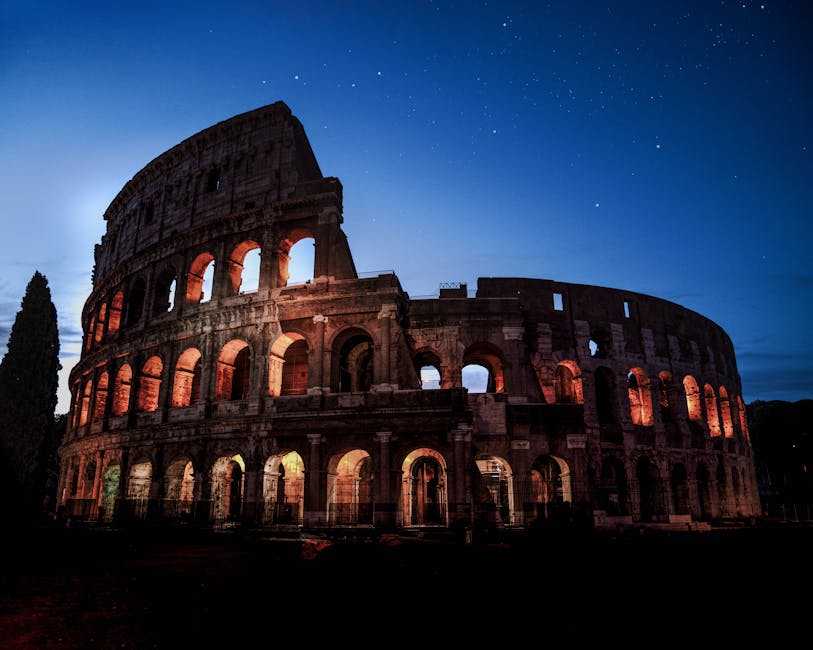
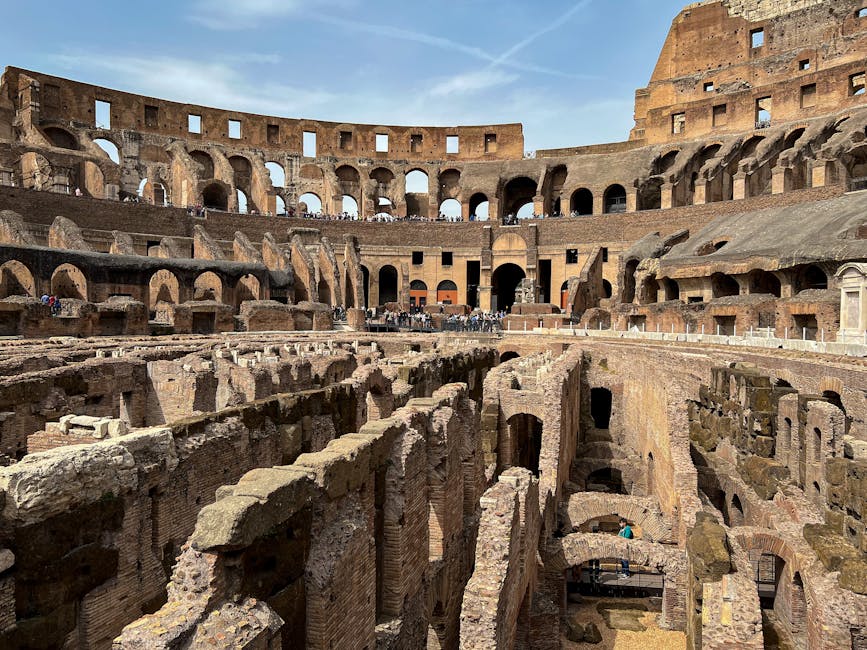
Rome’s ancient core is a living museum. Start with the Colosseum, the iconic amphitheater where gladiators once fought. Book a guided tour to access restricted areas like the underground chambers and upper tiers. Arrive early or reserve skip-the-line tickets to avoid long queues, especially in summer.
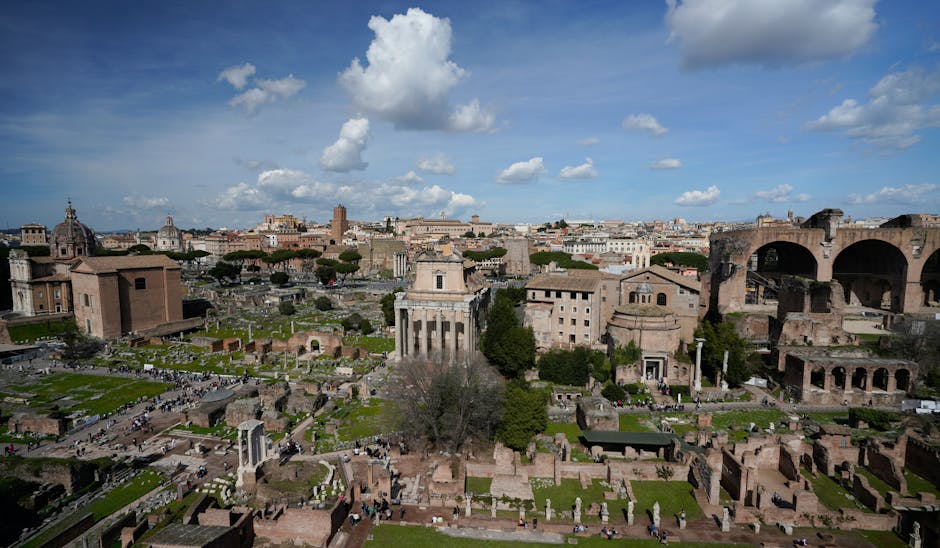
Just a short walk away, the Roman Forum offers a sprawling archaeological site filled with temples, arches, and government buildings from ancient Rome. Combine both sites with a single ticket valid for two days. Wear comfortable shoes—cobblestones and uneven paths are common.
The Pantheon: A Marvel of Ancient Engineering
The Pantheon, with its massive dome and oculus, remains the world’s largest unreinforced concrete dome. Built in 126 AD, it’s remarkably well-preserved and still functions as a church. Entry is free, but photography is restricted during services. Visit in the morning for soft light streaming through the oculus.
Nearby, Piazza della Rotonda is a lively spot for people-watching and gelato. Don’t miss the chance to see the tomb of Raphael, the Renaissance artist, inside the Pantheon.
Palatine Hill: Birthplace of Rome
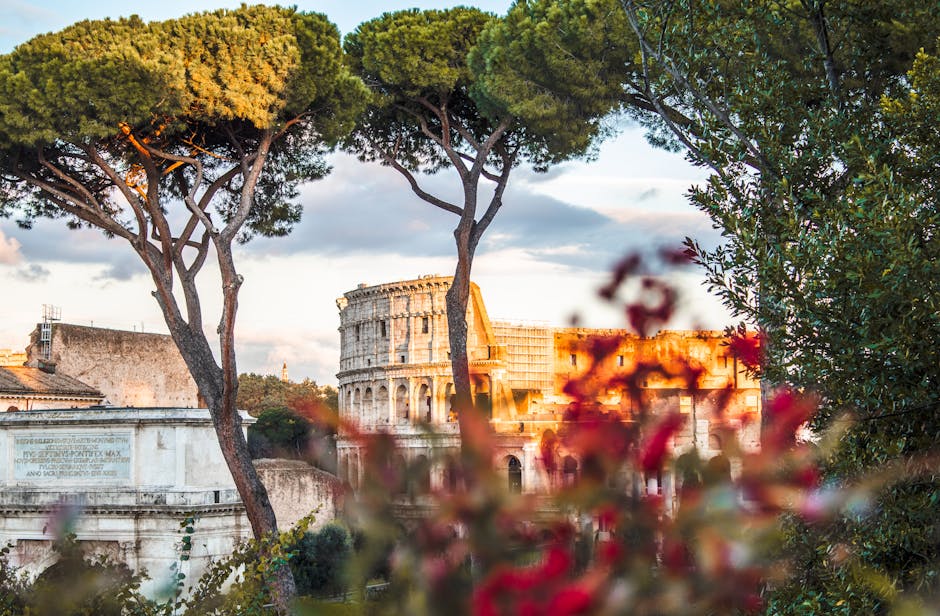
Overlooking the Forum, Palatine Hill is where Rome was founded. Explore imperial palaces, lush gardens, and panoramic views of the city. It’s quieter than the Colosseum but equally impressive. A combined ticket includes access to the Colosseum and Forum.
For a deeper experience, consider a small-group tour with an archaeologist. These often reveal stories and details missed by casual visitors.
Religious and Cultural Sites
Rome is home to over 900 churches, but a few stand out for their art, history, and spiritual significance. Vatican City, an independent enclave within Rome, is a must-visit for its religious and artistic treasures.
St. Peter’s Basilica and the Vatican Museums
St. Peter’s Basilica, the largest church in the world, features Michelangelo’s dome and Bernini’s baldachin. Climb 551 steps (or take the elevator partway) for a breathtaking view of St. Peter’s Square and the city.
The Vatican Museums house one of the world’s greatest art collections, including the Sistine Chapel. Tickets should be booked online in advance. The museums are vast—plan at least half a day. Photography is allowed in most areas, but not in the Sistine Chapel.
Basilica di San Giovanni in Laterano
As the Pope’s cathedral, this basilica is the most important church in Catholicism. Its grand interior, ornate ceilings, and historical significance make it worth a visit. It’s less crowded than St. Peter’s and offers a more contemplative atmosphere.
Don’t miss the adjacent Lateran Palace and the Holy Stairs, believed to be the steps Jesus climbed before his trial. Visitors can ascend on their knees for a spiritual experience.
Piazzas and Fountains
Rome’s public squares are social hubs where locals and tourists gather. Each piazza has its own character, from bustling markets to quiet corners perfect for reflection.
Piazza Navona: Baroque Splendor
Built on the site of an ancient stadium, Piazza Navona is lined with cafes, street artists, and three stunning fountains. The central Fountain of the Four Rivers by Bernini depicts the Nile, Ganges, Danube, and Río de la Plata.
Visit in the evening when the square is lit and lively. Nearby, the Church of Sant’Agnese in Agone offers free entry and impressive frescoes.
Trevi Fountain: Make a Wish
The Trevi Fountain is Rome’s most famous fountain. Tradition says tossing a coin over your left shoulder ensures a return to Rome. Visit early morning or late night to avoid crowds. The fountain is cleaned regularly, but coins are collected daily—over €1 million annually, donated to charity.
Piazza di Spagna and the Spanish Steps
The Spanish Steps connect Piazza di Spagna with Trinità dei Monti church. They’re a popular meeting spot and great for people-watching. The area is also a shopping destination, with luxury boutiques and flagship stores.
Nearby, the Keats-Shelley Memorial House honors the English poets who lived and died in Rome. It’s a quiet retreat for literature lovers.
Museums and Art Galleries
Beyond the Vatican, Rome offers world-class museums showcasing classical sculptures, Renaissance paintings, and modern art.
Galleria Borghese
Housed in a 17th-century villa, the Galleria Borghese features masterpieces by Bernini, Caravaggio, and Raphael. The collection is intimate and carefully curated. Entry is limited to small groups with timed tickets—book at least two weeks in advance.
The surrounding Villa Borghese park is perfect for a stroll or bike ride. Rent a rowboat on the lake or visit the zoo.
Capitoline Museums
Founded in 1471, the Capitoline Museums are the world’s oldest public museums. They display ancient Roman statues, inscriptions, and artifacts. The Michelangelo-designed Piazza del Campidoglio offers a stunning view of the Forum.
Don’t miss the Capitoline Wolf, the she-wolf statue said to have nursed Romulus and Remus. The original is in the museum; a replica stands outside.
Neighborhoods to Explore
Rome’s neighborhoods offer distinct atmospheres and local experiences. Each district has its own charm, from historic streets to trendy cafes.
Trastevere: Authentic Roman Life
Located across the Tiber River, Trastevere is known for its narrow cobblestone streets, ivy-covered buildings, and vibrant nightlife. It’s a favorite among locals and expats. Dine at family-run trattorias and enjoy live music in the piazzas.
Visit the Church of Santa Maria in Trastevere, one of the city’s oldest churches, with beautiful mosaics. The area is especially lively on weekends.
Monti: Bohemian Charm
Just east of the Colosseum, Monti is a hip neighborhood with artisan shops, vintage stores, and cozy wine bars. It’s quieter than the main tourist zones but still central.
Explore the local markets, like the Sunday flea market at Campo de’ Fiori, or relax in one of the small parks. Monti is ideal for travelers seeking a more local vibe.
Prati: Elegant and Residential
Across the Tiber from Vatican City, Prati is a refined district with wide boulevards, upscale shopping, and quiet streets. It’s well-connected by metro and less crowded than central areas.
Try a traditional Roman meal at a local osteria or visit the Museo della Civiltà Romana for exhibits on ancient Rome.
Dining and Food Experiences
Roman cuisine is simple, seasonal, and deeply rooted in tradition. Avoid restaurants with multilingual menus and pictures of food—these are often tourist traps.
Look for places filled with locals, especially at lunch. Classic dishes include carbonara (egg, cheese, guanciale, pepper), cacio e pepe, and supplì (fried rice balls). Pair your meal with a glass of local wine or a Negroni.
For dessert, try maritozzo con panna—a sweet bun topped with whipped cream. It’s a recent trend but quickly becoming a favorite.
Visit a local market like Mercato Testaccio or Mercato di Campagna Amica for fresh produce, cheeses, and street food. Many vendors offer tastings and cooking demos.
Day Trips from Rome
If you have extra time, consider a day trip to nearby destinations. Tivoli, about 30 minutes by train, is home to Villa d’Este and Hadrian’s Villa. Both are UNESCO World Heritage sites with stunning gardens and ancient ruins.
Ostia Antica, Rome’s ancient port city, is a well-preserved archaeological site similar to Pompeii but closer and less crowded. It’s accessible by metro and makes an easy half-day trip.
For coastal scenery, head to the town of Anzio or Nettuno. Both offer beaches, seafood restaurants, and WWII history.
Travel Tips and Practical Advice
Rome is walkable, but public transport helps cover longer distances. The metro has three lines, and buses and trams serve most areas. Buy a Roma Pass for discounted entry to attractions and free public transport.
Dress modestly when visiting churches—shoulders and knees should be covered. Carry a light scarf or shawl if needed.
Pickpocketing is common in crowded areas like the Colosseum, Vatican, and public transport. Use a money belt or crossbody bag, and stay alert in busy piazzas.
Many shops and restaurants close on Sundays or Mondays. Plan meals and shopping accordingly. Supermarkets like Conad or Coop are reliable for essentials.
Comparison of Top Rome Attractions
| Attraction | Best Time to Visit | Entry Fee (Approx.) | Time Needed | Tips |
|---|---|---|---|---|
| Colosseum | Early morning or late afternoon | €18 (with Forum) | 2–3 hours | Book skip-the-line tickets; wear comfortable shoes |
| Vatican Museums | Monday–Saturday, early entry | €20 (online) | 3–4 hours | Reserve online; no photos in Sistine Chapel |
| Pantheon | Morning or late afternoon | Free | 30–45 minutes | Quiet during services; check mass times |
| Trevi Fountain | Early morning or after dark | Free | 15–30 minutes | Best lighting at sunrise or sunset |
| Galleria Borghese | Weekday mornings | €15 (timed entry) | 2 hours | Book weeks in advance; limited capacity |
FAQ
What’s the best time of year to visit Rome?
Spring (April–June) and fall (September–October) offer pleasant weather, fewer crowds, and lower prices. Summer is hot and busy, while winter is mild but rainy.
Do I need to book tickets in advance?
Yes, for major attractions like the Colosseum, Vatican Museums, and Galleria Borghese. Advance booking saves time and guarantees entry, especially in peak season.
Is Rome safe for tourists?
Rome is generally safe, but petty crime like pickpocketing occurs in tourist areas. Stay aware in crowded spots, keep valuables secure, and avoid unlit alleys at night.

