
Colosseum Visit Guide Rome Italy
Visiting the Colosseum in Rome is a must for any traveler interested in ancient history, architecture, or culture. As one of the most iconic landmarks in the world, this ancient amphitheater offers a powerful glimpse into Roman engineering and public life. To make the most of your trip, plan ahead: book tickets online, arrive early, and consider a guided tour. This guide covers essential tips, ticket options, what to expect inside, and how to avoid common pitfalls so your Colosseum visit is smooth and memorable.
Why Visit the Colosseum?
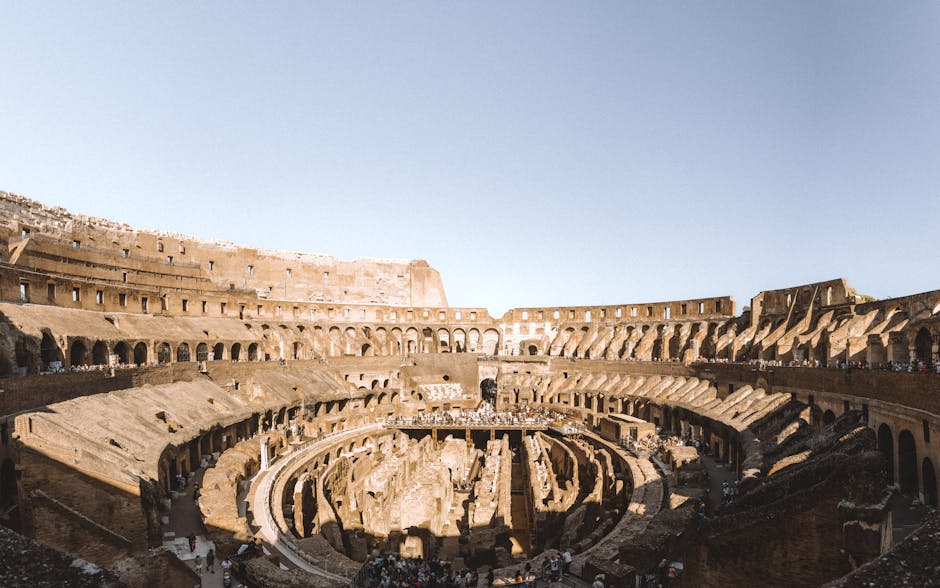
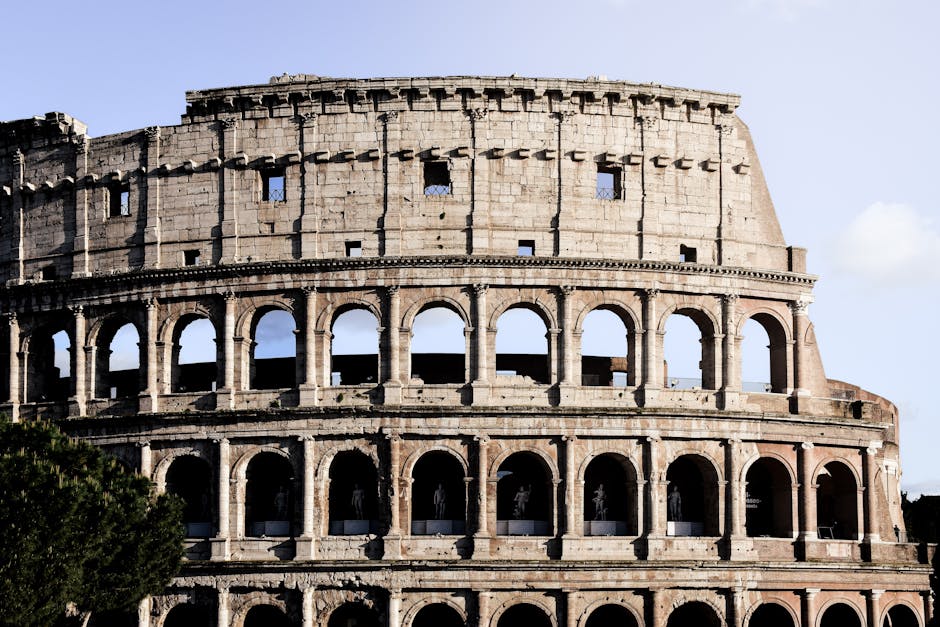
The Colosseum, also known as the Flavian Amphitheatre, was completed in 80 AD under Emperor Titus. It could hold up to 80,000 spectators and hosted gladiator battles, animal hunts, and public spectacles. Today, it stands as a UNESCO World Heritage Site and a symbol of Rome’s enduring legacy.
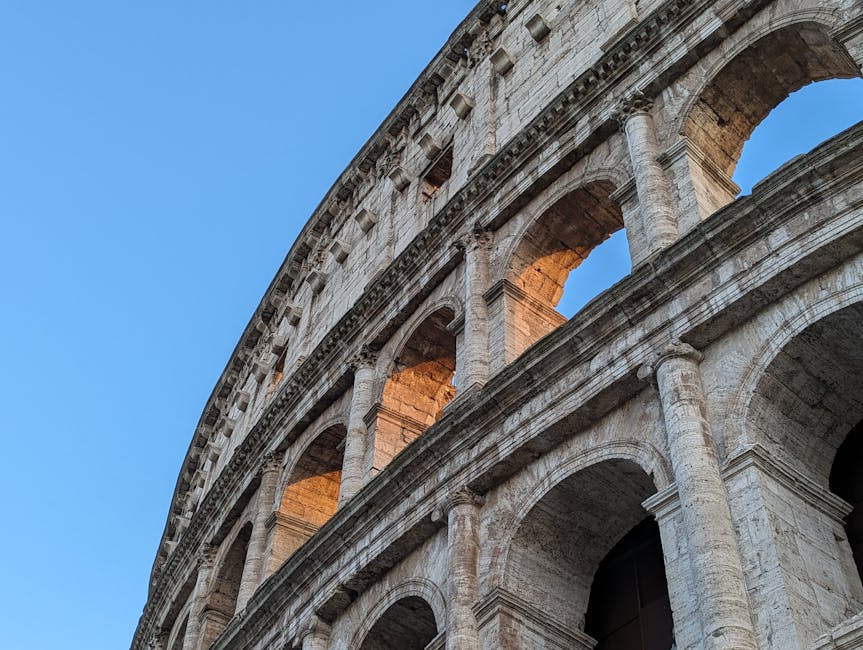
Walking through its arches gives visitors a tangible connection to the past. You’ll see where gladiators once fought, where emperors watched from private boxes, and how advanced Roman engineering was for its time. The structure’s scale and preservation make it a highlight of any Rome itinerary.
How to Get There
The Colosseum is located in central Rome, near the Roman Forum and Palatine Hill. The closest metro station is Colosseo (Line B), just a two-minute walk away. Buses 75, 81, 673, and 175 also stop nearby.
If you’re walking from the historic center, it’s about a 20-minute stroll from Piazza Venezia. Taxis and rideshares are convenient but can be delayed by traffic, especially during peak hours. For a scenic approach, consider walking along Via dei Fori Imperiali, though note that pedestrian access may be restricted at times due to events or construction.
Best Time to Visit
The ideal time to visit the Colosseum is early morning, right when it opens at 8:30 AM. Fewer crowds mean better photo opportunities and a more peaceful experience. Late afternoon, around 4:00 PM, is another good window, especially on weekdays.
Avoid weekends and public holidays when tour groups and families flock to the site. If you visit in summer, bring water, sunscreen, and a hat—shade is limited, and temperatures can exceed 35°C (95°F). Winter visits offer cooler weather and fewer tourists, though some areas may have reduced access due to maintenance.
Seasonal Considerations
- Spring (March–May): Mild weather, blooming gardens nearby, moderate crowds.
- Summer (June–August): Hot and busy, long lines, early arrival essential.
- Autumn (September–November): Pleasant temperatures, fewer tourists after September.
- Winter (December–February): Cool and quiet, possible rain, shorter opening hours.
Ticket Options and Pricing
There are several ticket types for the Colosseum, each offering different access levels. The standard ticket includes entry to the Colosseum, Roman Forum, and Palatine Hill, valid for one day. As of 2024, the full-price ticket costs €18, with reduced fares for EU citizens aged 18–25 (€4) and free entry for children under 18.
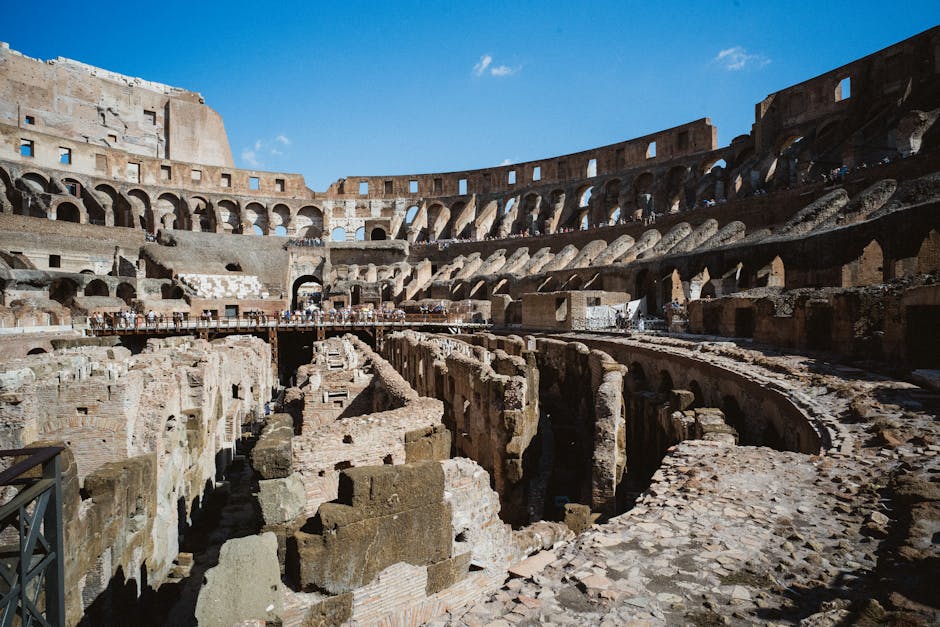
For a deeper experience, consider the Full Experience Ticket (€24), which includes access to the underground chambers (hypogeum) and the upper tiers. This option is highly recommended for first-time visitors who want to see more than the main arena floor.
Guided tours often include skip-the-line access and expert commentary. Prices range from €40 to €80 depending on group size and duration. Private tours offer personalized attention but come at a higher cost.
Where to Buy Tickets
Always purchase tickets online through the official CoopCulture website to avoid scams and long queues. Third-party resellers may charge higher fees or sell invalid tickets. Printed or mobile tickets are accepted at the entrance.
Note: On the first Sunday of each month, entry is free for all visitors—but expect massive crowds. If you’re short on time or prefer comfort, pay for a timed entry ticket instead.
What to Expect Inside
Upon entry, you’ll pass through security checks similar to airport screening. Large bags, tripods, and food are not allowed inside. Lockers are available near the entrance for small items.
The main arena floor is partially reconstructed, giving a sense of its original layout. Walkways allow you to circle the perimeter and view the underground tunnels where gladiators and animals were held. Informational panels and audio guides (available in multiple languages) provide context.
Highlights Not to Miss
- The Hypogeum: The underground network of tunnels and lifts used to transport fighters and animals. Only accessible with the Full Experience Ticket.
- Upper Tier Views: Offers panoramic views of the arena and the city skyline. Stairs are steep—wear comfortable shoes.
- Gladiator Gate: The entrance used by combatants, located on the northern side.
Allow at least 1.5 to 2 hours for a full visit. If you’re also exploring the Roman Forum and Palatine Hill, plan for a full day. Comfortable walking shoes are essential—paths are uneven and made of stone.
Guided Tours vs. Self-Guided Visits
Choosing between a guided tour and self-guided exploration depends on your interests and time. Guided tours provide historical context, access to restricted areas, and skip-the-line entry. They’re ideal for first-time visitors or those with limited time.
Self-guided visits offer flexibility and lower cost. Download the official CoopCulture app or rent an audio guide at the entrance. While you’ll miss some behind-the-scenes access, you can move at your own pace and spend more time in areas that interest you.
Comparison of Tour Options
| Feature | Standard Ticket | Full Experience Ticket | Guided Group Tour |
|---|---|---|---|
| Access to Arena Floor | Yes | Yes | Yes |
| Underground (Hypogeum) | No | Yes | Yes |
| Upper Tiers | No | Yes | Yes |
| Skip-the-Line Entry | No | No | Yes |
| Expert Guide | No | No | Yes |
| Price (approx.) | €18 | €24 | €50–€80 |
Tips for a Smooth Visit
- Book in advance: Timed entry slots fill up quickly, especially in peak season.
- Arrive 15 minutes early: Security and ticket checks take time.
- Dress appropriately: Wear layers, comfortable shoes, and avoid large backpacks.
- Stay hydrated: Bring a refillable water bottle—there are drinking fountains nearby.
- Respect the site: Do not climb on walls, litter, or touch ancient structures.
Photography is allowed in most areas, but flash and tripods are prohibited. Drones are banned without special permission. Be mindful of other visitors—popular spots like the arena center can get crowded quickly.
Nearby Attractions
The Colosseum is part of a larger archaeological park. After your visit, explore the Roman Forum, the political and social heart of ancient Rome. Walk among ruins of temples, basilicas, and government buildings.
Just uphill, Palatine Hill offers stunning views and the remains of imperial palaces. According to legend, it’s where Rome was founded by Romulus. The combined ticket covers all three sites, so plan to spend several hours here.
Other nearby stops include the Arch of Constantine, a triumphal arch celebrating the emperor’s victory, and Capitoline Hill, home to the Capitoline Museums and Michelangelo’s piazza design.
Common Mistakes to Avoid
One of the biggest mistakes is arriving without a ticket and waiting in line for hours. Even with a ticket, late arrivals may miss their time slot. Always check the official website for updates on opening times and closures.
Another pitfall is underestimating the physical demands. The site involves a lot of walking and climbing. Visitors with mobility issues should inquire about accessible routes in advance—some areas have ramps and elevators.
Avoid buying souvenirs from street vendors near the entrance. Prices are inflated, and quality is often poor. For authentic Roman crafts, visit shops in the Trastevere or Campo de’ Fiori neighborhoods instead.
Accessibility and Visitor Support
The Colosseum has made efforts to improve accessibility. Wheelchair users can access the ground level and parts of the Roman Forum via ramps. Audio guides include descriptive content for visually impaired visitors.
Staff are generally helpful and multilingual. Information desks are located at the main entrance and near the Palatine Hill exit. Free Wi-Fi is available in designated areas, useful for downloading maps or translation apps.
Restrooms and water fountains are available but can be crowded. Baby-changing facilities are located near the main entrance. Strollers are allowed, but narrow passages may require folding.
Final Thoughts
A visit to the Colosseum is more than just checking off a bucket list item—it’s an immersive journey into one of history’s most influential civilizations. With proper planning, you can avoid crowds, gain deeper insights, and fully appreciate the engineering marvel before you.
Whether you choose a guided tour or explore independently, take time to absorb the atmosphere. Stand where gladiators once stood, look up at the towering arches, and imagine the roar of the crowd. This is Rome at its most powerful and poetic.
FAQ
Can I visit the Colosseum without a ticket?
No, all visitors must have a valid ticket to enter. Entry is not permitted without one, even on free admission days.
Are backpacks allowed inside the Colosseum?
Small bags are permitted, but large backpacks and suitcases must be stored in lockers near the entrance. Security checks are strict.
How long does it take to tour the Colosseum?
A typical visit lasts 1.5 to 2 hours. If you also explore the Roman Forum and Palatine Hill, allow at least 4–5 hours total.

