
Los Angeles 3 Day Itinerary Guide: See the Best of LA in 72 Hours
Los Angeles 3 Day Itinerary Guide: See the Best of LA in 72 Hours
Spending three days in Los Angeles means you can experience the city’s iconic landmarks, diverse neighborhoods, and cultural hotspots without feeling rushed. This Los Angeles 3 Day Itinerary Guide balances must-see attractions with local favorites, helping you make the most of your short visit. Whether you’re drawn to Hollywood glamour, coastal views, or world-class museums, this plan ensures a well-rounded trip. We’ve included practical tips, timing suggestions, and transportation advice to keep your days smooth and stress-free.
Why This Itinerary Works
Los Angeles is vast and spread out, so a smart itinerary groups nearby activities to minimize driving. This guide clusters attractions by region—Hollywood and the Westside on Day 1, downtown and cultural hubs on Day 2, and beaches and scenic spots on Day 3. Each day includes one major sight, a food stop, and a relaxed evening option. You’ll avoid backtracking and spend more time exploring, not stuck in traffic.
Day 1: Hollywood & the Westside
Morning: Explore Hollywood Boulevard
Start your trip with a walk down Hollywood Boulevard. Begin at the TCL Chinese Theatre, where handprints and footprints of movie stars are embedded in the concrete. Just steps away, the Hollywood Walk of Fame stretches along the sidewalk with over 2,700 stars honoring entertainment legends.
Visit the Dolby Theatre, home of the Academy Awards, for a behind-the-scenes tour. Tickets are available online and recommended—lines can be long, especially on weekends. Allow 60 to 90 minutes for the full experience.
Afternoon: Griffith Observatory & Views of the City
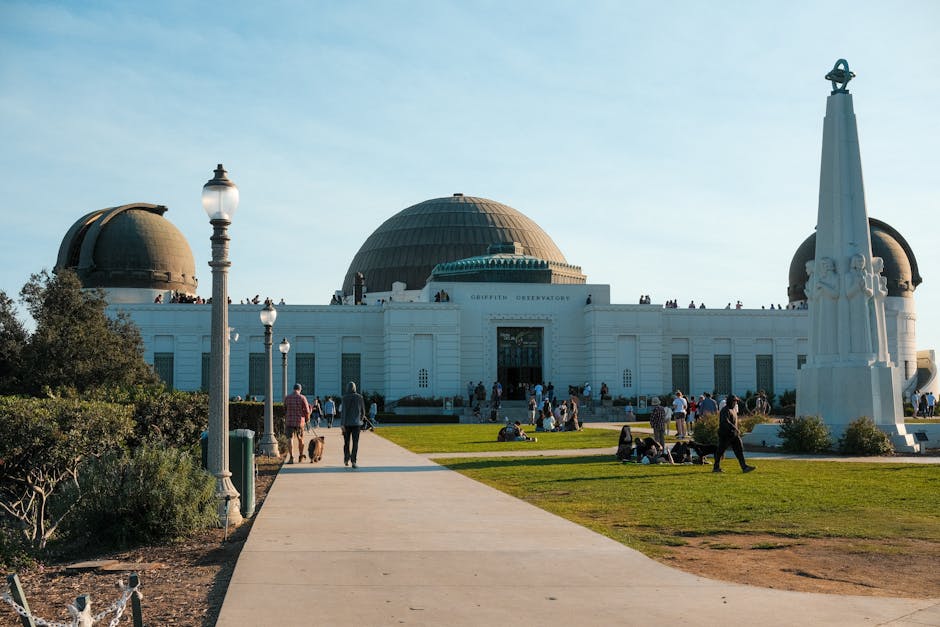
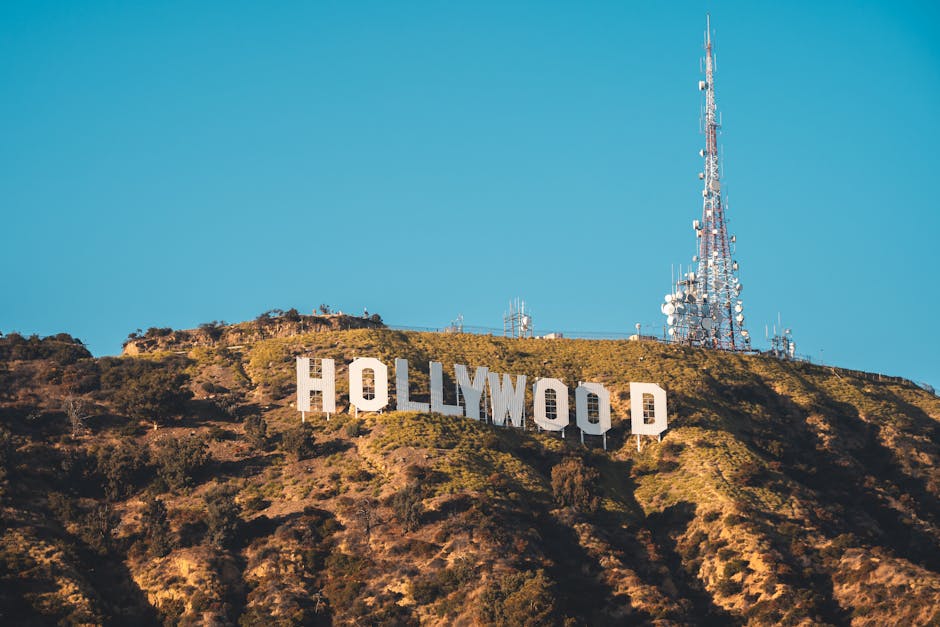
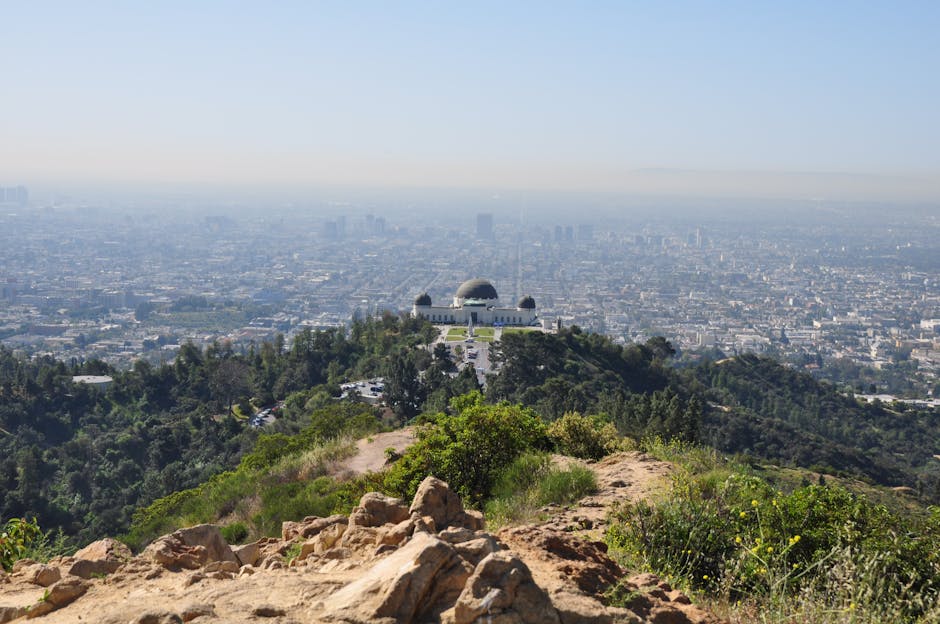
Drive or take the DASH Observatory shuttle up to Griffith Park. The Griffith Observatory offers free admission and stunning panoramic views of Los Angeles, including the Hollywood Sign and downtown skyline.
Explore the exhibits on astronomy and space, or simply relax on the lawn with a picnic. The best photo spot is the front terrace, especially at sunset. Parking fills quickly, so arrive by 11 a.m. or use ride-sharing to avoid delays.
Evening: Dinner in West Hollywood
Head to West Hollywood for dinner at a trendy yet accessible spot. Try Gracias Madre for plant-based Mexican cuisine in a stylish courtyard setting. Reservations are advised, especially for outdoor seating.
After dinner, take a stroll down the Sunset Strip. You might spot a celebrity or catch live music at a small venue like The Troubadour. End the night with a craft cocktail at The Spare Room, a retro bowling alley and bar with a fun, low-key vibe.
Day 2: Downtown LA & Cultural Districts
Morning: The Arts District & Grand Central Market
Begin your second day in the Arts District, a revitalized neighborhood filled with murals, galleries, and boutique shops. Walk along 3rd Street and visit Hauser & Wirth, a contemporary art space housed in a former flour mill.
Next, head to Grand Central Market for lunch. This historic food hall has been serving Angelenos since 1917. Try the famous egg sandwiches at Eggslut or fresh tacos at Tacos Tumbras a Tomas. Arrive by 11:30 a.m. to avoid the lunch rush.
Afternoon: The Broad Museum & Walt Disney Concert Hall
Walk five minutes to The Broad, one of LA’s most popular modern art museums. Admission is free, but timed tickets are required and often sell out weeks in advance. Book online as soon as your travel dates are set.
After the museum, step outside to see the Walt Disney Concert Hall, designed by Frank Gehry. The stainless steel exterior is a architectural marvel. Free guided tours are available on select days—check the LA Philharmonic website for schedules.
Evening: Rooftop Drinks & Dinner in DTLA
For sunset views, go to Perch, a French-inspired rooftop bar with live jazz on weekends. It’s a great spot for cocktails and small plates with a skyline backdrop.
Then, walk to Bestia for dinner—a modern Italian restaurant in the Arts District known for handmade pastas and a lively atmosphere. Reservations are essential. If unavailable, try nearby Bavel for Middle Eastern flavors in a stylish setting.
Day 3: Beaches & Coastal Scenery
Morning: Santa Monica Pier & Beach
Spend your final morning at Santa Monica. Start at the pier, where you can ride the Ferris wheel for ocean views or play games at the arcade. The surrounding Third Street Promenade is lined with shops, street performers, and cafes.
Walk down to the beach and rent a bike or rollerblade along the Marvin Braude Bike Trail. The path stretches 22 miles along the coast—perfect for a short ride to Venice Beach.
Afternoon: Venice Beach & Abbot Kinney Boulevard
Just a 10-minute bike ride south, Venice Beach offers a completely different vibe. Watch street performers at the boardwalk, browse the canals, or grab a coffee at Groundwork Coffee.
For a more relaxed experience, walk or drive to Abbot Kinney Boulevard. This tree-lined street features independent boutiques, art galleries, and farm-to-table restaurants. Try Gjusta for artisanal sandwiches and pastries in a converted warehouse.
Evening: Sunset at Point Dume or Dinner in Malibu
If time allows, drive 20 minutes north to Point Dume in Malibu. This scenic bluff offers one of the best sunset views in Southern California, with waves crashing below and whales sometimes spotted offshore.
Alternatively, stay in Santa Monica for dinner at Elephante, a rooftop restaurant with Mediterranean-inspired dishes and ocean views. For a casual end to your trip, try The Albright for fresh seafood right on the pier.
Transportation Tips for Your 3-Day LA Trip
Los Angeles is not walkable like New York or Chicago. A car is the most efficient way to get around, but parking can be expensive and traffic unpredictable. Consider renting a car for one or two days, or use a combination of rideshares and public transit.
The Metro Rail connects key areas like downtown, Hollywood, and Santa Monica. A TAP card costs $2 and can be loaded with day passes. For short trips, Uber and Lyft are widely available and often cheaper than parking fees.
Where to Stay in Los Angeles
Your base will shape your experience. Staying in Hollywood puts you close to major attractions but can be noisy. Downtown offers easy access to museums and restaurants, with a more urban feel. Santa Monica is ideal if you want beach access and a relaxed pace.
Budget travelers should consider Koreatown for affordable hotels and great food. Mid-range options include The Line Hotel in Koreatown or Hotel Erwin in Venice. For luxury, look at The Peninsula in Beverly Hills or The Shutters on the Beach in Santa Monica.
What to Pack for a 3-Day LA Trip
Los Angeles has mild weather year-round, but temperatures can vary significantly between inland and coastal areas. Mornings and evenings near the beach can be chilly, even in summer.
Pack layers: a light jacket, comfortable walking shoes, sunscreen, and sunglasses. Don’t forget a reusable water bottle—many attractions have refill stations. If you plan to visit upscale restaurants, bring at least one smart-casual outfit.
Budget Breakdown: Sample Costs for 3 Days
| Item | Estimated Cost (USD) |
|---|---|
| Accommodation (mid-range, 2 nights) | $300–$500 |
| Meals (3 days, mix of casual and sit-down) | $150–$250 |
| Attractions & Tours | $50–$100 |
| Transportation (rideshares, Metro, parking) | $60–$120 |
| Total (per person) | $560–$970 |
Common Mistakes to Avoid
First-time visitors often underestimate LA’s size and traffic. Trying to see too much in one day leads to frustration. Stick to one or two areas per day and allow extra time for travel.
Another mistake is skipping reservations. Popular restaurants and museums like The Broad require advance booking. Don’t assume you can walk in—check websites before you go.
Finally, avoid relying solely on public transit for beach days. While Metro Expo Line reaches Santa Monica, getting to Venice or Malibu is faster by car or rideshare.
Final Thoughts
This Los Angeles 3 Day Itinerary Guide gives you a balanced mix of culture, scenery, and local flavor. You’ll see the iconic sights without missing the hidden gems that make LA unique. With smart planning, you can enjoy the city’s energy and diversity in just 72 hours.
FAQ
Q: Do I need a car for this itinerary?
A: Not necessarily. You can use rideshares and Metro for most stops, but a car gives more flexibility, especially for beach days. Rent one for a day or two if possible.
Q: Is it safe to walk around downtown LA at night?
A: Yes, in well-lit, busy areas like the Arts District and near The Broad. Avoid deserted streets and use rideshares after dark if you’re unsure.
Q: Can I see the Hollywood Sign up close?
A: You can’t walk right up to it, but the best views are from Griffith Observatory or the hiking trails in Griffith Park. The hike to the vantage point takes about 30–45 minutes.

