
Istanbul Food Guide: What to Eat
Istanbul’s culinary scene is a vibrant blend of Ottoman heritage, Mediterranean freshness, and Central Asian influences. Whether you’re strolling through the Grand Bazaar or dining by the Bosphorus, knowing what to eat in Istanbul ensures you experience the city’s true flavors. From street snacks to slow-cooked stews, this guide highlights must-try dishes, where to find them, and how to order like a local. With a mix of historic recipes and modern twists, Istanbul offers unforgettable meals for every palate.
Essential Dishes to Try in Istanbul
Start your culinary journey with iconic staples that define Istanbul’s food identity. These dishes are widely available across neighborhoods, from Eminönü to Kadıköy.
Kebabs: The Heart of Turkish Grilled Meats
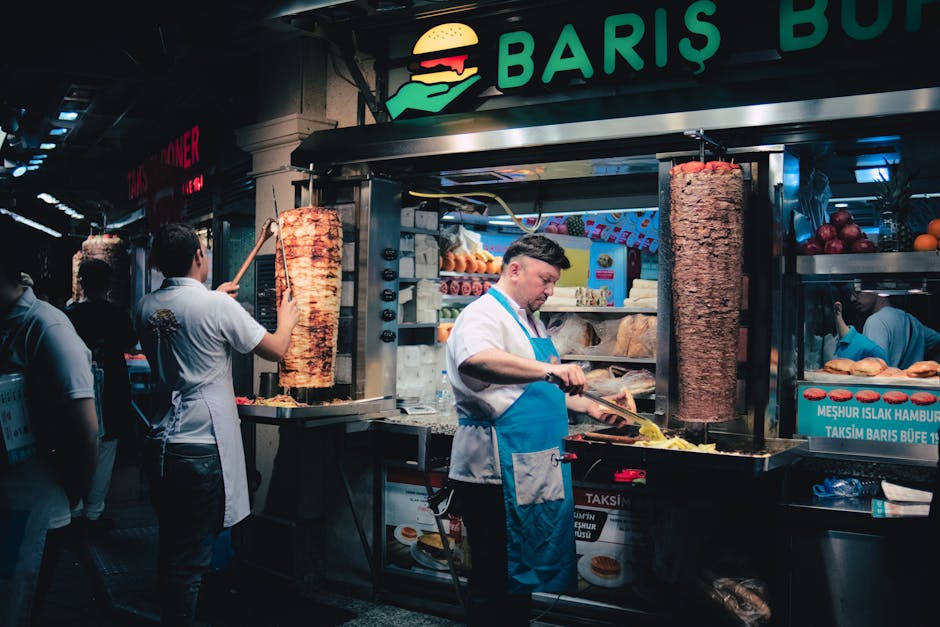
Kebabs are central to Turkish cuisine, and Istanbul serves some of the best. The most popular include döner (meat cooked on a vertical rotisserie), şiş kebab (marinated cubes grilled on skewers), and Adana kebab (spicy minced lamb on a flat skewer).
For an authentic experience, visit Karaköy Güllüoğlu or Hafız Mustafa for their legendary lamb şiş. Always order with pide (Turkish flatbread) and a side of grilled vegetables. Avoid tourist traps near major landmarks—opt for places with long lines of locals.
Meze: Small Plates, Big Flavors
Meze are appetizers that encourage sharing and conversation. Think of them as the Turkish version of tapas. Common options include haydari (thick yogurt with herbs), patlıcan salatası (smoky eggplant dip), and midye dolma (stuffed mussels).
Head to Asitane Restaurant in Edirnekapı for historic Ottoman meze recipes. Pair your selection with rakı, an anise-flavored spirit traditionally enjoyed with seafood or grilled dishes.
Pide and Lahmacun: Turkish Pizza Variants
Pide is a boat-shaped flatbread topped with minced meat, cheese, or eggs. Lahmacun, often called “Turkish pizza,” is thinner and crispier, topped with spiced lamb and parsley.
Try pide at Pidece in Şişli or lahmacun at Konyalı in Sultanahmet. Both are best eaten hot and fresh from the stone oven. Fold lahmacun like a taco and squeeze lemon over it for the full effect.
Börek: Flaky Pastries with Savory Fillings
Börek comes in many forms—sigara böreği (cheese-filled rolls), su böreği (layered dough with cheese or meat), and kol böreği (rolled with minced meat).
Find freshly baked börek at local bakeries like Börekçi Tahir in Fatih. They’re perfect for breakfast or a quick snack. Look for golden, crisp layers—soggy börek is a sign it’s been sitting too long.
Seafood: Fresh from the Bosphorus
Istanbul’s coastal location means excellent seafood. Grilled mackerel (uskumru), fried mussels (midye tava), and stuffed calamari (kalamar dolması) are local favorites.
Visit the fish markets in Karaköy or Kumkapı for the freshest catch. Restaurants like Balıkçı Sabahattin offer traditional preparations. Always check if the fish is grilled over charcoal—it makes a noticeable difference in flavor.
Desserts: Sweet Endings with History
Turkish desserts are rich and often syrup-based. Baklava, layered with nuts and honey, is a must. Other classics include künefe (cheese pastry with sweet syrup) and dondurma (dense, stretchy ice cream).
For baklava, go to Karaköy Güllüoğlu or Güllüoğlu in Taksim. Try künefe at Cağaloğlu Künefe in Sultanahmet. Be prepared for sweetness—these desserts are intensely sugary.
Street Food You Can’t Miss
Street food in Istanbul is affordable, delicious, and deeply rooted in daily life. Vendors can be found in every district, especially near transit hubs and markets.
Simit: The Ring of Istanbul
Simit is a circular bread encrusted with sesame seeds, often called “Turkish bagel.” It’s commonly eaten for breakfast with tea or jam.
Buy simit from street carts for 5–10 TL. The best ones are warm and slightly chewy. Try it with kaymak (clotted cream) for a decadent treat.
Balık Ekmek: Fish Sandwich from the Water
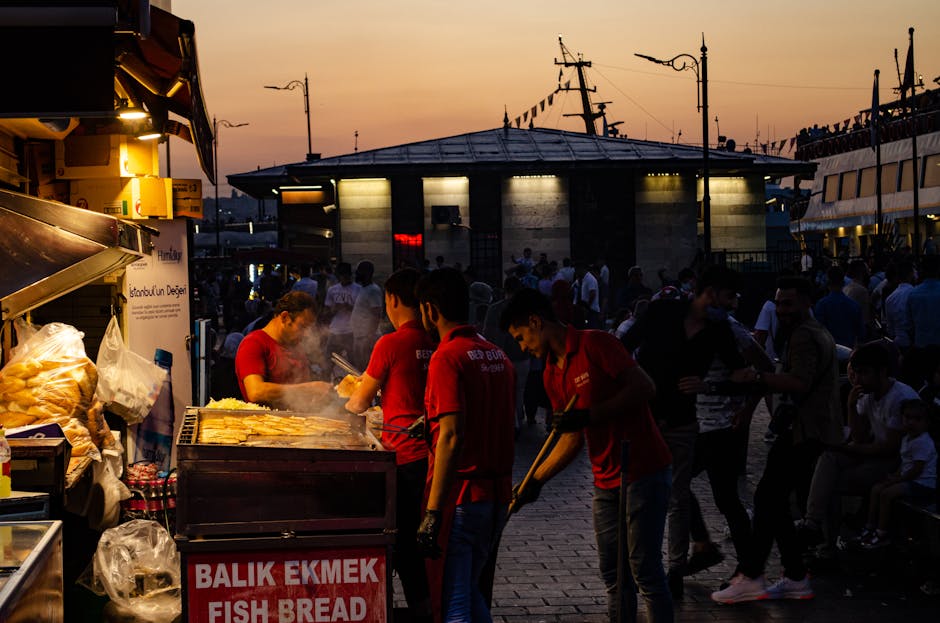
Balık ekmek means “fish bread”—a grilled mackerel fillet served in a crusty roll with onions and parsley. It’s a staple at Eminönü’s floating fish stalls along the Golden Horn.
Order directly from boats docked near the Galata Bridge. Eat it on the spot while watching ferries pass by. The fish should smell ocean-fresh, not fishy.
Roasted Chestnuts and Corn
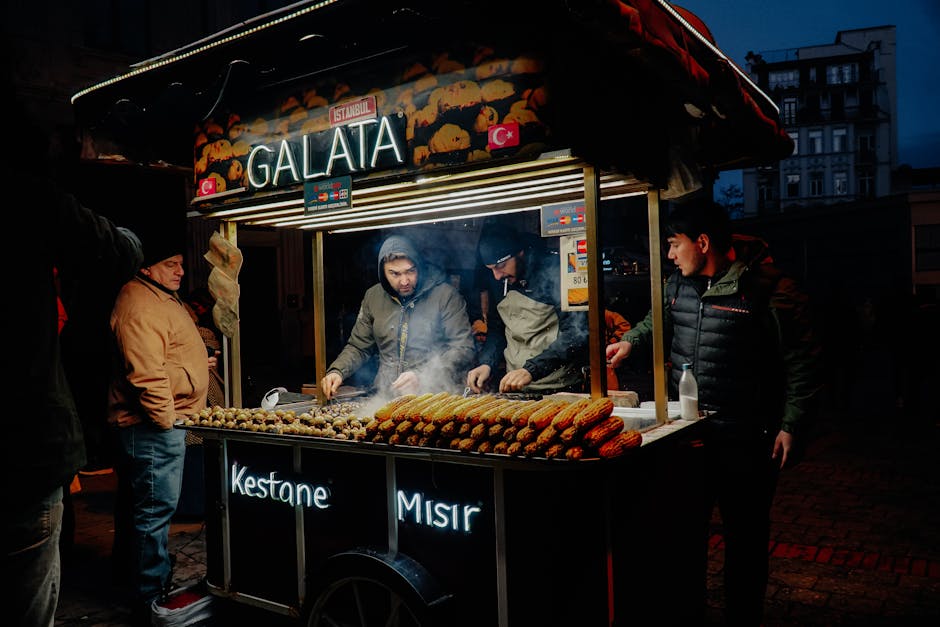
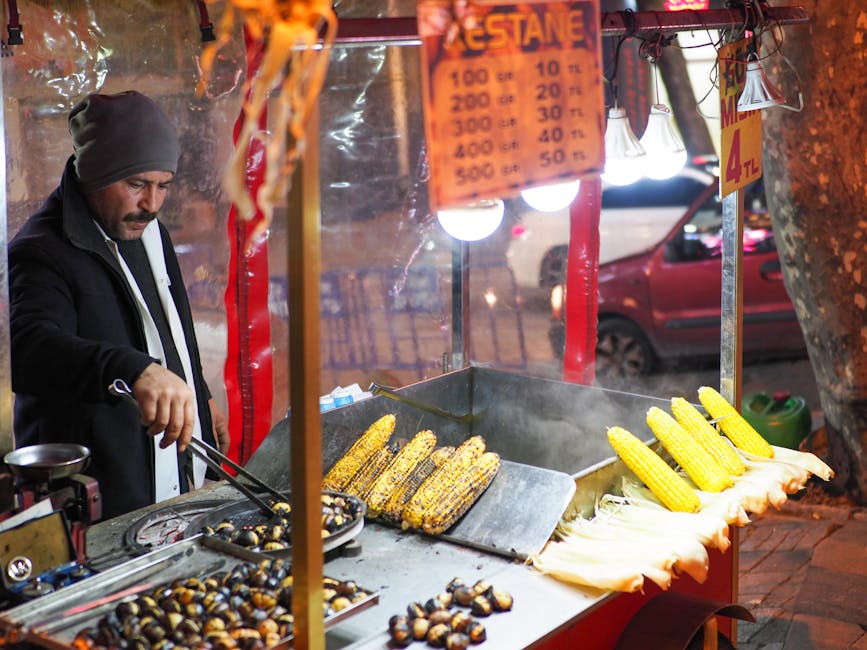
In colder months, street vendors sell kestane (roasted chestnuts) and mısır (grilled corn). These are simple, comforting snacks often enjoyed while walking.
Look for carts with glowing coals and steam rising. Chestnuts are especially popular during winter festivals. They’re filling and cost under 15 TL.
Roasted Chickpeas and Nuts
Leblebi (roasted chickpeas) and mixed nuts are sold in small paper cones. They’re crunchy, salty, and perfect for nibbling while exploring.
Available at kiosks and bazaar stalls. Choose vendors who roast on-site for maximum freshness. A small portion costs around 10 TL.
Where to Eat in Istanbul
Choosing the right restaurant or food spot can make or break your meal. Here’s how to find quality food without falling for tourist traps.
Neighborhoods with the Best Food
Kadıköy on the Asian side offers creative fusion dishes and local favorites in a relaxed setting. Karaköy blends historic charm with modern cafes. Fatih is ideal for traditional Ottoman cuisine.
For a mix of both, visit the Spice Bazaar (Mısır Çarşısı) in Eminönü. It’s busy, but many stalls serve fresh food. Avoid overpriced sit-down restaurants inside—opt for counter service instead.
Markets and Food Halls
The Grand Bazaar has food stalls, but the real gems are outside. The nearby Arasta Bazaar offers better prices and fewer crowds.
For a modern experience, visit Depo in Beyoğlu—a food hall with curated vendors serving everything from gourmet simit to vegan meze.
Restaurant Tips
Look for menus in Turkish only—this often means locals dine there. Check if the kitchen is visible; open kitchens usually indicate fresh preparation.
Reservations are recommended for dinner at popular spots like Neolokal or 360 Istanbul. Lunch is generally more casual and affordable.
Drinks to Pair with Your Meal
Turkish drinks complement food beautifully and are part of the dining ritual.
Tea and Coffee
Çay (black tea) is served in tulip-shaped glasses throughout the day. It’s often sweetened with sugar cubes.
Türk kahvesi (Turkish coffee) is thick, unfiltered, and served with a glass of water. Drink it slowly—the grounds settle at the bottom.
Rakı: The National Spirit
Rakı is an anise-flavored liquor, traditionally drunk with meze and seafood. It turns milky white when mixed with water—a process called “aslan sütü” (lion’s milk).
Start with small glasses and sip slowly. It’s strong—usually 45% alcohol. Best enjoyed in the evening with friends.
Ayran: The Refreshing Yogurt Drink
Ayran is made from yogurt, water, and salt. It’s served cold and helps balance spicy or rich dishes.
Available everywhere, from street vendors to high-end restaurants. It’s inexpensive and hydrating—perfect for hot days.
Dietary Considerations and Tips
Istanbul is generally accommodating, but it helps to know your options.
Vegetarian and Vegan Options
Many meze are plant-based, such as dolma (stuffed grape leaves), mercimek köftesi (lentil balls), and zeytinyağlılar (vegetables in olive oil).
Restaurants like Neolokal and Mürver offer dedicated vegetarian menus. Always confirm ingredients—some dishes use meat broth.
Halal and Religious Dietary Laws
As a predominantly Muslim country, Turkey serves halal meat. Pork is rarely available and not served in most restaurants.
During Ramadan, many restaurants close during daylight hours. Iftar meals are a special experience—book in advance.
Food Allergies and Safety
Inform staff of allergies when ordering. Common allergens like nuts (in baklava) and dairy are widespread.
Drink bottled water and avoid ice in street food stalls. Stick to busy vendors—high turnover means fresher ingredients.
Seasonal and Regional Specialties
What you eat in Istanbul can vary by season and origin.
Winter Dishes
In colder months, warm up with güveç (clay pot stew), içli köfte (bulgur-stuffed meatballs), and lentil soup.
These are hearty and often served in family-style portions. Look for them in neighborhood eateries, not tourist zones.
Summer Favorites
Fresh salads, cold meze, and grilled seafood dominate summer menus. Try çoban salatası (shepherd’s salad) or domatesli kek (tomato cake).
Outdoor dining is popular. Rooftop restaurants with Bosphorus views are ideal, but book early.
Regional Influences
Istanbul blends dishes from across Turkey. You’ll find southeastern flavors like spicy kebabs and Aegean olive oil-based dishes in the same menu.
Ask your server for recommendations—many chefs pride themselves on regional authenticity.
How to Order Like a Local
Ordering food in Istanbul is part of the cultural experience. A few tips go a long way.
Language Tips
Learn a few Turkish phrases: “Bir tane” (one piece), “Iki lira” (two lira), “Teşekkür ederim” (thank you). Most staff understand basic English.
Pointing at menu photos works well. Many restaurants have picture menus or display cases.
Etiquette and Customs
It’s polite to greet with “Merhaba” (hello) before ordering. Tipping 5–10% is appreciated but not mandatory.
Don’t rush your meal. Dining is social—take your time, especially during dinner.
Payment and Pricing
Most places accept cash and cards. Street food is cash-only. Prices are generally lower than in Western Europe.
A full meal at a mid-range restaurant costs 150–300 TL per person. Street snacks range from 5–25 TL.
Comparison of Popular Istanbul Dishes
| Dish | Main Ingredients | Where to Try | Price Range (TL) | Best For |
|---|---|---|---|---|
| Döner Kebab | Lamb or chicken, pide, vegetables | Karaköy Güllüoğlu | 40–70 | Lunch, quick meal |
| Baklava | Phyllo, pistachios, syrup | Güllüoğlu, Taksim | 30–60 | Dessert, gift |
| Balık Ekmek | Mackerel, bread, onions | Eminönü fish boats | 25–40 | Street food, dinner |
| Pide | Flatbread, meat, egg, cheese | Pidece, Şişli | 35–60 | Family meal, late night |
| Künefe | Kadayıf, cheese, syrup | Cağaloğlu Künefe | 40–70 | Dessert, sharing |
Final Tips for Food Lovers
Come hungry and stay curious. Istanbul rewards those who explore beyond the guidebooks. Try a new dish every day, chat with vendors, and follow your nose through the bazaars.
Pack a reusable water bottle and wet wipes—useful for street food. Download a translation app for menus. And above all, eat slowly. The best meals in Istanbul are savored, not rushed.
FAQ
What is the most iconic dish to try in Istanbul?
Döner kebab is arguably the most iconic, but baklava and balık ekmek are equally representative of the city’s culinary soul. Each offers a unique taste of Istanbul’s history and daily life.
Is street food safe to eat in Istanbul?
Yes, as long as you choose busy stalls with high turnover. Look for clean setups and freshly cooked food. Avoid raw vegetables and unpeeled fruits if you’re concerned.
How much should I budget for food per day in Istanbul?
A moderate budget is 200–400 TL per day. This covers street snacks, one sit-down meal, and drinks. Fine dining or multiple restaurant meals will cost more.

