
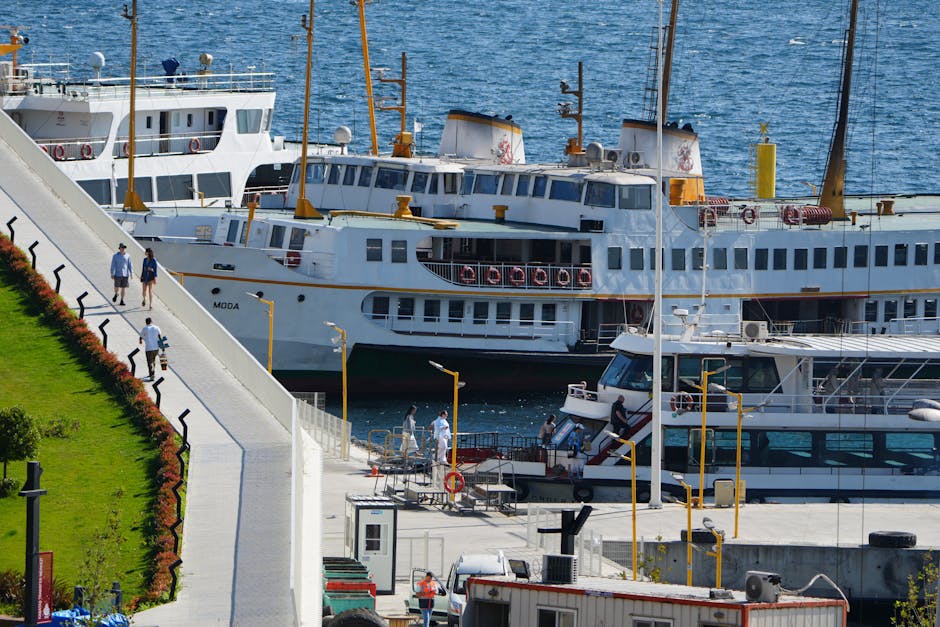
Istanbul 3 Day Itinerary Travel Guide
Istanbul 3 Day Itinerary Travel Guide
Spending three days in Istanbul offers a perfect blend of history, culture, and local flavor. This Istanbul 3 day itinerary travel guide helps you explore the city’s iconic landmarks, hidden gems, and authentic experiences without feeling rushed. From the grandeur of Hagia Sophia to the vibrant energy of the Grand Bazaar, you’ll cover the essentials while leaving room for spontaneous discoveries. Whether you’re a first-time visitor or returning to dig deeper, this plan balances must-sees with local insights.
Why 3 Days in Istanbul?
Three days is the sweet spot for experiencing Istanbul’s dual identity as a bridge between Europe and Asia. It’s enough time to visit major historical sites, sample diverse cuisine, and get a feel for daily life in one of the world’s most storied cities. Rushing through in less time means missing context; staying longer allows deeper exploration, but three days gives you a solid foundation.
This itinerary assumes you’re staying in Sultanahmet, the historic heart of Istanbul. It’s walkable, safe, and close to most attractions. If you’re based elsewhere, factor in 15–30 minutes of travel time between neighborhoods.
Day 1: Historic Heart of Istanbul
Morning: Sultanahmet Square and Hagia Sophia
Start your first day at Sultanahmet Square, the epicenter of Byzantine and Ottoman history. Arrive early—by 9:00 AM—to beat the crowds at Hagia Sophia. This architectural marvel, originally a church, then a mosque, and now a museum, showcases stunning mosaics and a massive dome.
Buy tickets online in advance to skip the line. Allocate 1.5 hours here. Afterward, step into the adjacent Blue Mosque, officially called the Sultan Ahmed Mosque. Note the prayer times—non-Muslims can visit outside these hours, but modest dress is required.
Late Morning: Basilica Cistern and Lunch
Just a five-minute walk away, the Basilica Cistern offers a cool, atmospheric escape. This underground water reservoir, supported by 336 columns, feels like stepping into another world. Allow 45 minutes for the visit.
For lunch, head to Matbah Ottoman Cuisine, a short walk from the cistern. Try the lamb stew with apricots or the stuffed eggplant—both are house specialties. Expect to spend around 150–200 TL per person.
Afternoon: Topkapi Palace
After lunch, walk to Topkapi Palace, the former residence of Ottoman sultans. The palace complex includes courtyards, harem quarters, and imperial treasuries. Focus on the Imperial Gate, the Treasury (home to the famous Topkapi Dagger), and the Harem if time allows.
Plan for 2.5 hours here. Audio guides are helpful, or hire a licensed guide at the entrance for deeper context. The palace gardens offer great views over the Bosphorus—perfect for a quiet moment.
Evening: Dinner and Bosphorus Views
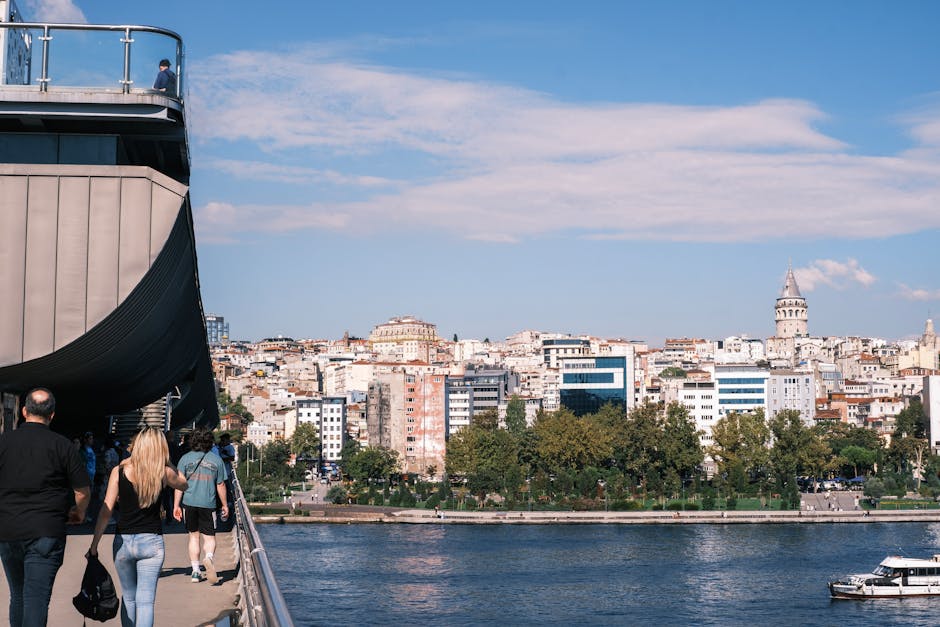
End your day with dinner at 360 Istanbul, a rooftop restaurant with panoramic views of the Old City. It’s pricier (meals start at 300 TL), but the sunset over the Hagia Sophia and Bosphorus is unforgettable.
Alternatively, for a more local experience, try Konyalı in the same area. Their Ottoman menu and garden setting provide a traditional yet refined atmosphere.
Day 2: Markets, Mosques, and the Bosphorus
Morning: Grand Bazaar and Spice Bazaar
Begin Day 2 at the Grand Bazaar, one of the world’s oldest covered markets. Open at 8:30 AM, it’s best visited early to avoid peak crowds. With over 4,000 shops, it’s easy to get lost—focus on specific alleys like jewelry, textiles, or ceramics.
Set a budget before entering. Bargaining is expected—start at 40–50% of the asking price. Allow 1.5 hours, then walk 15 minutes to the Spice Bazaar (also known as the Egyptian Bazaar).
The Spice Bazaar is smaller and more aromatic. Sample Turkish delight, dried apricots, and saffron. Pick up a few edible souvenirs—packaged goods travel better than loose spices.
Midday: Süleymaniye Mosque and Lunch
From the Spice Bazaar, walk uphill to the Süleymaniye Mosque, one of Istanbul’s most beautiful Ottoman structures. Designed by Mimar Sinan, it offers serene courtyards and sweeping views of the Golden Horn.
Visit during non-prayer times and dress modestly. The mosque’s library and courtyard café are peaceful spots to rest. For lunch, try Pandeli in the nearby Eminönü district. This historic restaurant has served Turkish classics since 1891—try the lamb with beans or the stuffed artichokes.
Afternoon: Bosphorus Cruise
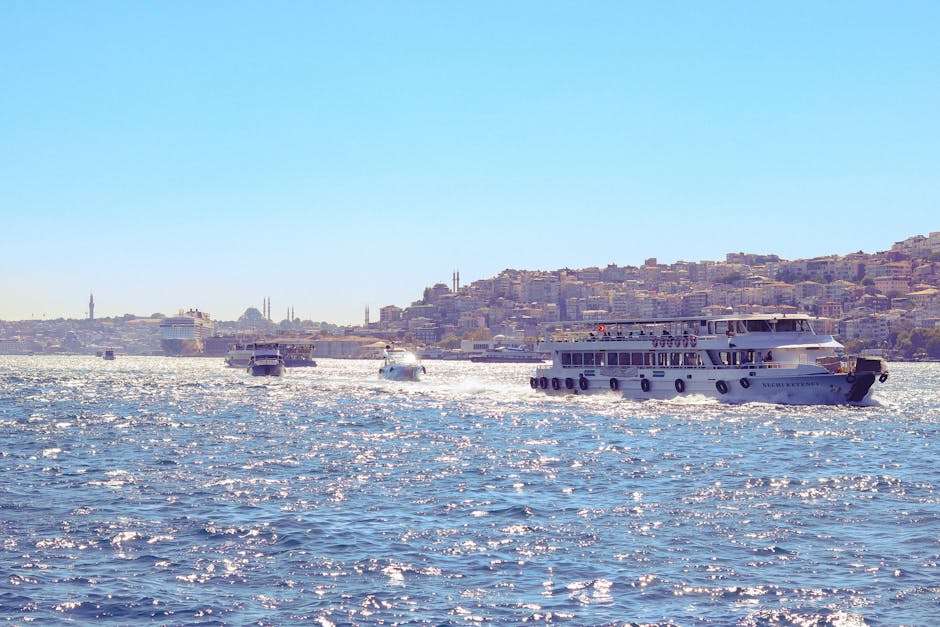
After lunch, head to the Eminönü ferry terminal for a public Bosphorus cruise. These ferries run every 30–60 minutes and cost under 50 TL. The two-hour round trip takes you past palaces, fortresses, and waterfront mansions.
Sit on the upper deck for the best views. Pass by Dolmabahçe Palace, the Bosphorus Bridge, and the Rumeli Fortress. Bring water and sunscreen—seating can get crowded in summer.
Evening: Beyoğlu and Istiklal Street
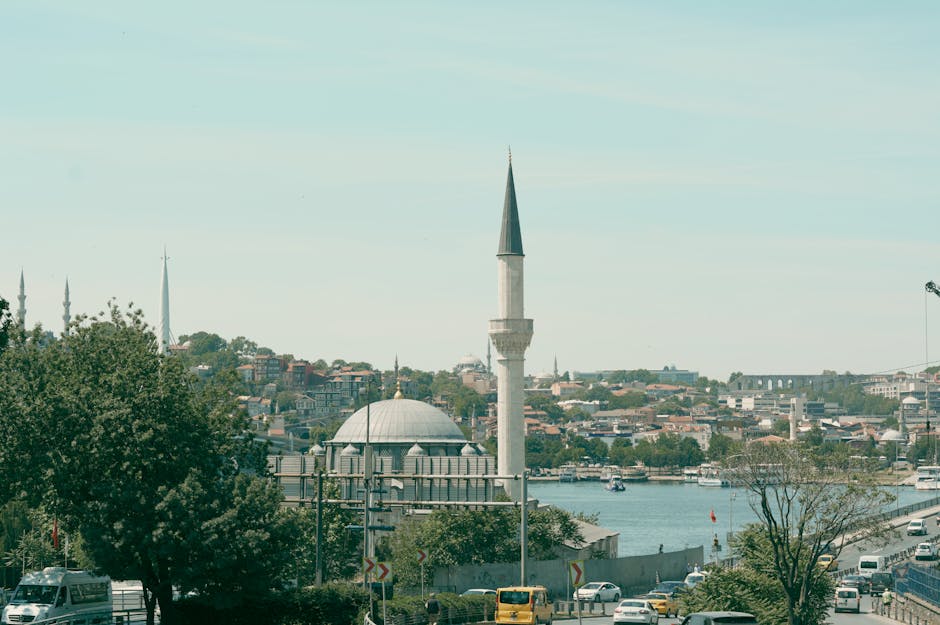
Disembark at Kabataş and take the historic T1 tram to Karaköy. Walk up to Istiklal Street, a bustling pedestrian avenue lined with shops, cafes, and street performers.
Stop by Karaköy Güllüoğlu for baklava—this family-run shop has been making it since 1880. Then explore side streets like Çukurcuma for vintage finds and indie boutiques.
Dinner options abound. 3 Meze offers a modern take on Turkish meze, while Asitane specializes in Ottoman-era recipes. Both are excellent choices for a memorable meal.
Day 3: Local Life and Hidden Gems
Morning: Balat and Fener Neighborhoods
On your final day, explore the colorful, lesser-known neighborhoods of Balat and Fener. These areas are known for their pastel-colored houses, artisan workshops, and Greek Orthodox heritage.
Start at the Church of St. George (the Ecumenical Patriarchate), then wander the cobblestone streets. Visit Balat Antiques for unique finds or Café Privato for a strong Turkish coffee and homemade cakes.
Photographers will love the Instagram-worthy corners, but be respectful—many homes are private residences.
Late Morning: Chora Church
From Balat, walk or take a short taxi to the Chora Church (Kariye Museum). This Byzantine church is famous for its breathtaking mosaics and frescoes, often considered superior to those in Hagia Sophia.
Entry is around 200 TL, and the interior is dimly lit to preserve the art. Allow 1 hour. Audio guides or a guided tour enhance the experience, as the scenes depict biblical stories in intricate detail.
Afternoon: Kadiköy (Asian Side)
Take a ferry from Eminönü to Kadiköy on the Asian side. The 20-minute ride offers a different perspective of the city. Kadiköy feels more relaxed and local, with a vibrant food scene.
Visit Kadiköy Market for fresh produce, olives, and street food. Try Çiya Sofrası, a renowned restaurant serving regional Turkish dishes from across the country. Their lamb with tahini or manti (Turkish dumplings) are standout dishes.
After lunch, stroll along the Moda waterfront. It’s a favorite spot for locals to relax, with parks, cafes, and views of the sea.
Evening: Sunset and Farewell Dinner
End your trip with a sunset view from Çamlıca Hill, the highest point in Istanbul. It’s accessible by taxi (about 20 minutes from Kadiköy). The panoramic vista includes the Bosphorus, minarets, and city skyline.
For your final dinner, return to the European side and dine at Neolokal in Galata. This Michelin-recommended spot blends modern techniques with Turkish ingredients. The tasting menu is worth the splurge.
Tips for a Smooth Trip
Wear comfortable walking shoes—Istanbul is hilly and cobblestoned. Many sites require walking on uneven surfaces.
Download offline maps and translation apps. While many locals speak English, having a few Turkish phrases helps.
Carry small bills for markets and tips. Tipping 10% in restaurants is standard. For guides and drivers, 15–20% is appreciated.
Avoid visiting major sites on Mondays—Hagia Sophia and Topkapi Palace are closed. Plan accordingly.
Comparison: Public Ferry vs. Private Bosphorus Cruise
| Feature | Public Ferry | Private Cruise |
|---|---|---|
| Cost | Under 50 TL | 500–1,500 TL |
| Duration | 2 hours (round trip) | 1.5–2 hours (one way or round trip) |
| Views | Great, but crowded upper deck | Unobstructed, premium seating |
| Food & Drinks | Available on board (basic) | Included (often gourmet) |
| Best For | Budget travelers, authentic experience | Special occasions, comfort |
FAQ
Q: Is Istanbul safe for tourists?
Yes, Istanbul is generally safe for tourists. Stick to well-lit, busy areas, especially at night. Avoid political demonstrations and be cautious of pickpockets in crowded markets and public transport.
Q: Do I need a visa to visit Istanbul?
Most travelers need an e-Visa to enter Turkey. Apply online at evisa.gov.tr before your trip. Processing is usually quick, and the fee is around $50 USD.
Q: What’s the best time of year to visit Istanbul?
Spring (April–June) and fall (September–October) offer mild weather and fewer crowds. Summer is hot and busy; winter is chilly but festive, with holiday markets and fewer tourists.

