
Free Things to Do in Rome Travel Guide
Free Things to Do in Rome Travel Guide
Looking for free things to do in Rome without sacrificing the magic of the Eternal City? You don’t need a big budget to experience Rome’s iconic landmarks, vibrant neighborhoods, and cultural treasures. From ancient ruins to sun-drenched piazzas, this guide highlights the best no-cost activities that deliver authentic Roman experiences. Whether you’re a first-time visitor or returning to rediscover the city, these free attractions offer rich history, stunning views, and local charm—all without spending a euro.
Explore Rome’s Historic Center on Foot
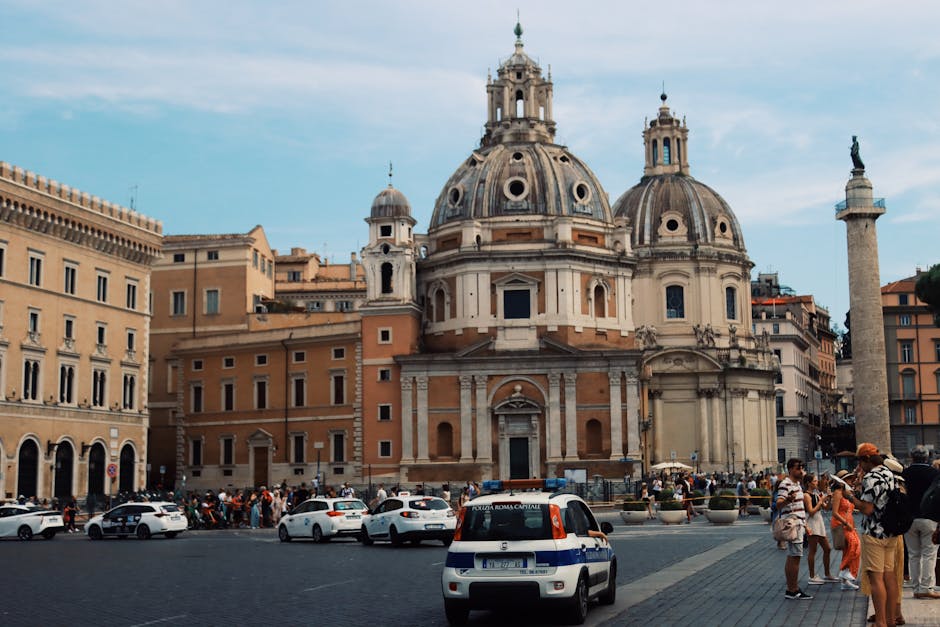
Rome’s historic center is a UNESCO World Heritage site and one of the most walkable cities in Europe. Wandering its cobblestone streets is not only free but also the best way to absorb the city’s layered history. Start at Piazza Venezia and make your way toward the Capitoline Hill, where ancient Roman temples meet Renaissance architecture.
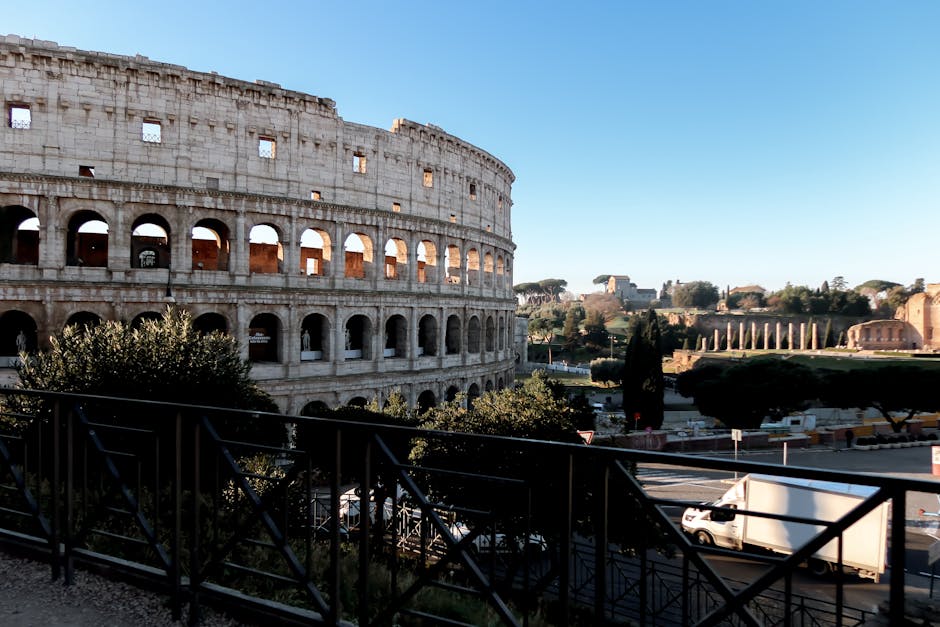
Along the way, you’ll pass the Roman Forum and Palatine Hill—while entry fees apply for the archaeological site, you can view both from the Via dei Fori Imperiali sidewalk. The elevated path offers panoramic views of the ruins, perfect for photos and quiet reflection.
Must-See Free Landmarks in the Historic Core
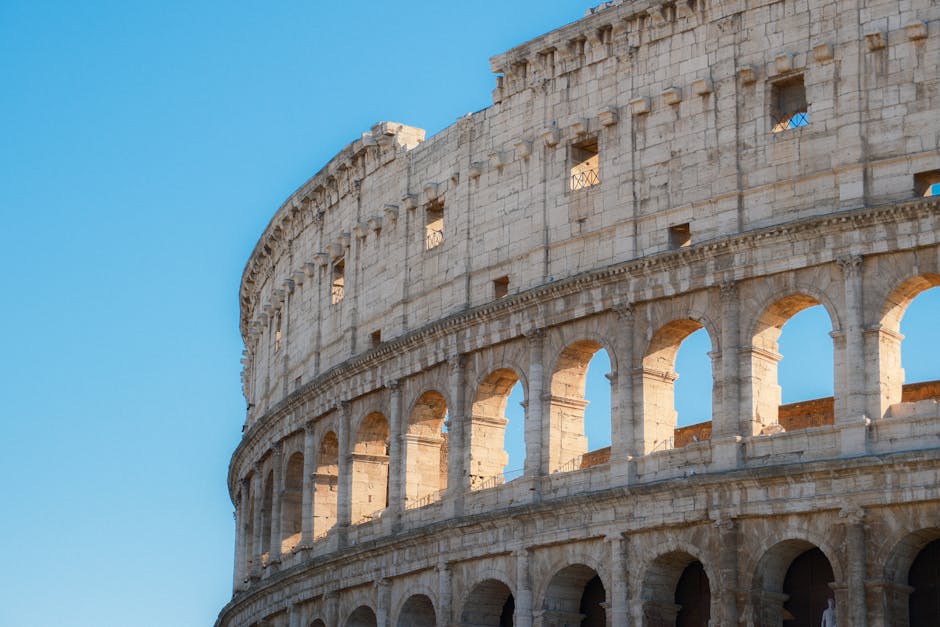
Several major landmarks are visible and accessible without admission fees. The Colosseum’s exterior is free to admire from Via dei Fori Imperiali, and the golden-hour glow on its travertine walls is unforgettable. Similarly, the Arch of Constantine stands just steps away, richly decorated with ancient reliefs.
Don’t miss the Temple of Hadrian near Piazza di Pietra, a remarkably preserved Roman temple now integrated into a modern bank building. It’s a striking example of how ancient and contemporary Rome coexist.
Visit Rome’s Iconic Fountains and Squares
Rome is famous for its fountains, and many of the most beautiful are free to visit and photograph. The Trevi Fountain, despite its popularity, requires no ticket—just arrive early to avoid crowds. Toss a coin over your left shoulder to ensure your return to Rome, a tradition dating back decades.
Piazza Navona is another must-see, built on the site of an ancient Roman stadium. The square features three fountains, including Bernini’s Fountain of the Four Rivers, and is surrounded by outdoor cafes and street performers. Visit in the late afternoon when the golden light enhances the baroque sculptures.
Hidden Gems: Lesser-Known Fountains
Escape the crowds at the Fountain of the Acqua Paola on Janiculum Hill. Known as the “acqua pazza” for its powerful flow, this fountain offers sweeping views of the city and the dome of St. Peter’s Basilica. It’s less visited than Trevi but equally photogenic.
The Fountain of the Naiads near the Triton Fountain in Piazza della Repubblica is another overlooked spot. The four bronze figures representing water nymphs are dynamic and expressive, set in a large basin that’s especially striking at night when illuminated.
Enjoy Panoramic Views from Free Vantage Points
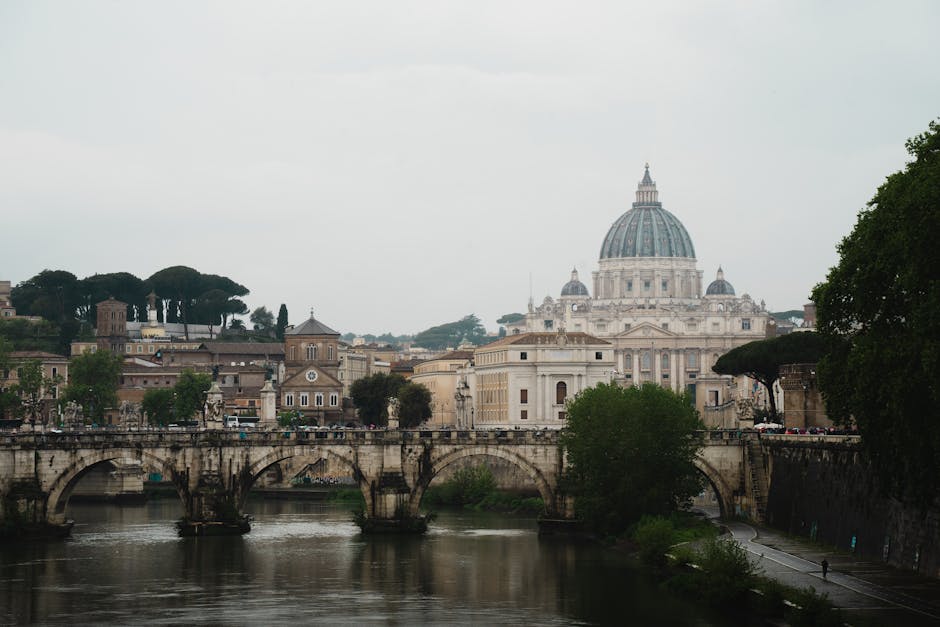
Rome’s hills provide some of the city’s most rewarding views, and many are accessible without cost. The Janiculum Hill (Gianicolo) is a favorite among locals and offers one of the best panoramic vistas of Rome. The terrace near the American Church provides an unobstructed view of St. Peter’s Basilica and the Tiber River.
Another excellent spot is the Orange Garden (Giardino degli Aranci) on Aventine Hill. This peaceful park features cypress trees, orange groves, and a quiet bench known as the “Keyhole View,” which frames St. Peter’s Dome perfectly through a keyhole in a nearby gate.
Sunset Spots with No Entry Fee
For a memorable sunset, head to the Pincian Hill (Pincio) above Piazza del Popolo. The tree-lined promenade offers a romantic setting with views over the Spanish Steps and the city skyline. It’s especially popular in spring when the wisteria blooms.
The Capitoline Hill also provides a dramatic backdrop, particularly at dusk when the lighting highlights Michelangelo’s design of the piazza below. The climb is short, and the reward is a sense of timeless grandeur.
Discover Free Museums and Cultural Spaces
While many of Rome’s museums charge admission, several offer free entry under specific conditions. The Galleria Borghese requires tickets, but the surrounding Villa Borghese park is free and expansive. It’s ideal for a stroll, picnic, or bike ride, with lakes, sculptures, and shaded paths.
The National Roman Museum has multiple branches, and some offer free admission on the first Sunday of each month. Check the official website for updates, as schedules may change.
Free Entry Days and Cultural Events
Many state-run museums in Italy, including those in Rome, offer free admission on the first Sunday of the month from October to March. This includes sites like the Baths of Caracalla and the Palazzo Massimo alle Terme.
Additionally, public libraries and cultural centers often host free exhibitions, lectures, and film screenings. The Biblioteca Angelica near Piazza Navona, for example, occasionally opens its historic reading room to the public for special events.
Experience Local Life in Rome’s Neighborhoods
One of the best free things to do in Rome is simply to immerse yourself in daily life. Neighborhoods like Trastevere, Monti, and Testaccio offer authentic experiences far from tourist crowds. Wander through narrow alleys, browse local markets, and observe Romans going about their day.
Trastevere, located across the Tiber, is known for its colorful buildings, ivy-covered walls, and lively evening atmosphere. Visit during the day to enjoy the quiet charm, then return at night for street music and outdoor dining.
Markets and Street Food
Explore local markets like Mercato di Testaccio or Mercato Trionfale to see fresh produce, cheeses, and cured meats. While buying food isn’t free, window shopping and people-watching are. These markets offer a glimpse into Roman cuisine and community life.
Street food is affordable and delicious. Try a supplì (fried rice ball) or a slice of pizza al taglio from a neighborhood bakery. Many shops offer small portions for under €3, making it easy to sample local flavors on a budget.
Attend Free Religious and Cultural Events
Rome’s churches are not only spiritual centers but also architectural masterpieces, and most are free to enter. St. Peter’s Basilica in Vatican City allows free access to the main nave, though the dome climb and Vatican Museums require tickets.
Other notable churches include Santa Maria in Trastevere, known for its golden mosaics, and San Luigi dei Francesi, which houses three Caravaggio paintings in the Contarelli Chapel. Always dress modestly—shoulders and knees covered—when visiting religious sites.
Free Papal Events and Blessings
If your visit coincides with a Wednesday, you may be able to attend the Pope’s weekly General Audience in St. Peter’s Square. While tickets are required for seated areas, standing room in the square is often available on a first-come, first-served basis.
On Sundays, the Pope delivers the Angelus prayer at noon from his window overlooking the square. It’s a moving experience, even for non-Catholics, and completely free to observe.
Walk the Tiber River and Enjoy Public Art
The Tiber River runs through the heart of Rome, and its banks offer scenic walking paths. The Lungotevere, or river embankments, are lined with trees, benches, and occasional public art installations. It’s a peaceful escape from the city’s bustle.
In recent years, the city has added murals and sculptures along the river, particularly in the Ostiense and Trastevere areas. These works reflect contemporary Roman culture and are free to view at any time.
Evening Strolls and Night Views
Walking along the Tiber at night reveals a different side of Rome. The bridges are illuminated, and the water reflects the city lights. Ponte Sant’Angelo, with its ten angel statues, is especially beautiful after dark.
For a quieter experience, cross the river to the Gianicolo side and walk back along the less-traveled paths. The sound of the water and distant church bells create a serene atmosphere.
Participate in Free Walking Tours
Free walking tours are a popular way to explore Rome with a local guide. These tip-based tours typically last two to three hours and cover major sights like the Pantheon, Piazza Navona, and the Jewish Ghetto. Guides share historical insights and personal anecdotes, making the experience engaging and informative.
Companies like GuruWalk and Strawberry Tours operate in Rome. While the tours are technically free, it’s customary to tip your guide based on your satisfaction and budget. Aim for €5–€10 per person for a standard tour.
What to Expect on a Free Tour
Most tours begin at central meeting points, such as the Largo Argentina cat sanctuary or near the Trevi Fountain. Guides use microphones to ensure everyone hears clearly, even in noisy areas. Groups are usually small to medium-sized, allowing for questions and interaction.
Be punctual and bring water, especially in summer. Tours run rain or shine, so dress appropriately. While the content is educational, the tone is often light and conversational, appealing to a wide audience.
Visit Rome’s Parks and Gardens
Rome has numerous public parks that are free and open daily. Villa Borghese is the largest, offering 80 hectares of green space with lakes, museums, and rental rowboats. While some attractions inside charge fees, the park itself is free.
Another option is Villa Pamphili, located in the west of the city. It’s one of Rome’s largest parks and features a historic villa, a lake, and extensive walking trails. It’s less crowded than Villa Borghese and ideal for families or those seeking solitude.
Seasonal Highlights in Public Parks
In spring, the rose garden in Villa Borghese blooms with hundreds of varieties. The park also hosts free outdoor concerts and film screenings during the summer months. Check local listings for event schedules.
Autumn brings golden foliage to parks like Parco degli Acquedotti, located on the city’s outskirts. This park is home to ancient Roman aqueducts and is perfect for a peaceful walk or bike ride.
Take Advantage of Free Transportation Options
While Rome’s metro and buses require tickets, there are ways to move around for free. The city’s compact center is highly walkable, and many top attractions are within a 20-minute walk of each other. Use a map or GPS app to plan efficient routes.
Some hotels and hostels offer free bike rentals or shuttle services. Ask your accommodation provider about available options. Additionally, certain tourist passes include free public transport, but these are only cost-effective if you plan multiple paid activities.
Walking Routes for First-Time Visitors
Create a self-guided walking route that connects major free sights. Start at the Pantheon, walk to Piazza Navona, then cross to Campo de’ Fiori and end at the Jewish Ghetto. This loop takes about two hours and covers some of Rome’s most historic areas.
For a longer route, add the Tiber Island and Trastevere. The walk from Campo de’ Fiori to Trastevere takes about 25 minutes and passes through charming side streets and local shops.
Compact Comparison: Free vs. Paid Attractions in Rome
| Attraction | Cost | Best For | Tip |
|---|---|---|---|
| Colosseum Exterior | Free | Photos, history | Visit at sunset for best lighting |
| Trevi Fountain | Free | Iconic photo, tradition | Go early morning to avoid crowds |
| Pantheon | Free | Architecture, history | Free entry, but guided tours cost extra |
| Vatican Museums | Paid (€20+) | Art, Sistine Chapel | Free on last Sunday of month (Oct–Mar) |
| St. Peter’s Basilica | Free (basilica only) | Religious site, dome views | Dome climb costs €8 (stairs) or €10 (elevator) |
Tips for Maximizing Your Free Experience in Rome
To make the most of your visit, plan your days around free activities and use paid attractions sparingly. Prioritize mornings for popular spots like the Trevi Fountain and Pantheon, when crowds are lighter. Download offline maps to navigate without data.
Carry a reusable water bottle—Rome has hundreds of public drinking fountains (nasoni) that provide fresh, cold water. Refill at any of these to stay hydrated without buying bottled water.
What to Avoid
Avoid “free” tours that pressure you into expensive add-ons or souvenir shops. Legitimate free tours rely on tips, not commissions. Also, be cautious of street vendors near major attractions who may overcharge for water or trinkets.
Don’t assume all churches are open during the day. Some close between noon and 3 PM for midday rest. Check opening hours in advance or ask locally.
Final Thoughts
Rome offers an abundance of free experiences that capture the city’s essence. From ancient ruins and baroque fountains to quiet parks and vibrant neighborhoods, you can enjoy a rich and memorable trip without spending a fortune. With a little planning and curiosity, the Eternal City reveals its treasures to all—regardless of budget.
FAQ
Is the Pantheon really free to enter?
Yes, the Pantheon is free to enter and open to the public. It’s one of Rome’s best-preserved ancient buildings and features a stunning dome with an oculus. Guided tours are available for a fee, but general admission is free.
Are there free walking tours in Rome?
Yes, several companies offer free walking tours in Rome. These are tip-based and cover major landmarks in the historic center. Tours typically last 2–3 hours and are led by local guides. Tipping is expected and appreciated.
Can I visit the Vatican for free?
You can enter St. Peter’s Basilica for free, but the Vatican Museums and dome climb require paid tickets. The basilica is open daily, and the Pope’s weekly audience and Sunday Angelus are free to attend, though space may be limited.
