

Digital Nomad Travel Guide: How to Work and Travel Sustainably
Digital Nomad Travel Guide: How to Work and Travel Sustainably
The digital nomad lifestyle combines remote work with global travel, offering freedom and flexibility—but it requires planning, discipline, and the right tools. This digital nomad travel guide breaks down how to work and travel effectively, from choosing destinations and setting up a reliable workspace to managing finances and staying productive on the move. Whether you’re a freelancer, remote employee, or entrepreneur, this guide provides actionable steps to help you build a sustainable, fulfilling nomadic life without burning out or breaking the bank.
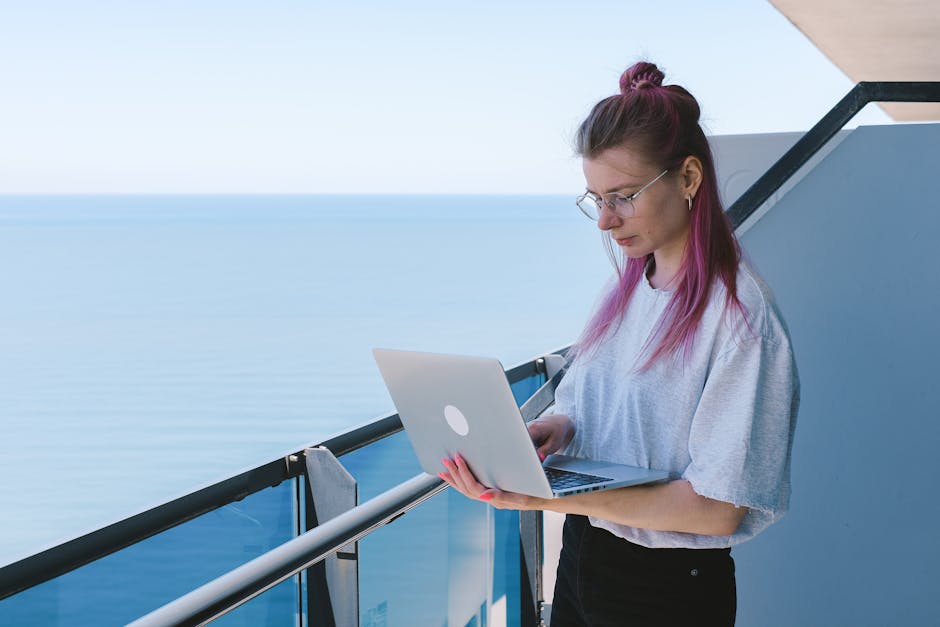
What Is a Digital Nomad?
A digital nomad is someone who uses technology to perform their job remotely while traveling. Unlike traditional tourists or expats, digital nomads often move between countries every few weeks or months, working from cafes, co-working spaces, or rented apartments. Common professions include software development, writing, design, marketing, consulting, and online teaching.
While the lifestyle sounds glamorous, it’s not all sunsets and Wi-Fi. Success depends on preparation, adaptability, and realistic expectations. Many nomads face challenges like time zone mismatches, unreliable internet, visa restrictions, and loneliness. This guide helps you navigate those hurdles with practical solutions.
How to Start Your Digital Nomad Journey
Before booking a one-way ticket, take time to prepare. Rushing into nomad life without a plan often leads to frustration or financial strain. Follow these steps to launch your journey with confidence:
1. Secure Remote Work First
Don’t quit your job to travel. Instead, transition into remote work while still employed or build a stable freelance income. Talk to your employer about remote options, or start freelancing on platforms like Upwork, Fiverr, or Toptal. Aim for at least three months of living expenses saved before leaving.
2. Choose the Right Destinations
Not all countries welcome digital nomads equally. Prioritize locations with:
- Reliable high-speed internet (minimum 25 Mbps recommended)
- Affordable cost of living
- Nomad-friendly visas or tourist visa options
- Safe environments and good healthcare access
- Active expat or digital nomad communities
Popular starting points include Lisbon, Portugal; Chiang Mai, Thailand; Medellín, Colombia; and Bali, Indonesia. Each offers strong infrastructure, low costs, and vibrant coworking scenes.
3. Set Up Your Tech and Workspace
Your laptop is your office. Invest in a lightweight, durable machine with long battery life (e.g., MacBook Air, Dell XPS, or Lenovo ThinkPad). Bring essential accessories: noise-canceling headphones, portable charger, universal power adapter, and a compact external hard drive for backups.
Use cloud storage (Google Drive, Dropbox) and project management tools (Trello, Notion, Asana) to stay organized. Test your setup at home before traveling to avoid surprises.
4. Manage Your Finances Wisely
Track expenses with apps like YNAB or Mint. Open a multi-currency bank account (e.g., Wise or Revolut) to reduce foreign transaction fees. Always have a backup payment method and emergency fund. Consider travel insurance that covers health, theft, and trip cancellations.
5. Understand Visa and Tax Rules
Most countries allow short-term stays (30–90 days) on tourist visas. For longer stays, research digital nomad visas (available in over 40 countries as of 2024), such as Portugal’s D7, Estonia’s Digital Nomad Visa, or Costa Rica’s Rentista Visa. These often require proof of income and health insurance.
Tax obligations vary. If you’re a U.S. citizen, you still file taxes regardless of location. Use foreign earned income exclusion (FEIE) if eligible. Consult a tax professional familiar with expat rules.
Top Destinations for Digital Nomads in 2024
Choosing where to go depends on your budget, climate preference, language skills, and work needs. Below is a comparison of four popular destinations based on key nomad criteria:
| Destination | Avg. Monthly Cost | Internet Speed | Nomad Visa Available | Best For |
|---|---|---|---|---|
| Lisbon, Portugal | $1,800 | 80+ Mbps | Yes (D7 Visa) | Europe-based nomads, EU access |
| Chiang Mai, Thailand | $900 | 50+ Mbps | No (Tourist visa runs) | Budget travelers, Asian culture |
| Medellín, Colombia | $1,200 | 60+ Mbps | Yes (Digital Nomad Visa) | Climate, affordability, safety |
| Bali, Indonesia | $1,100 | 40+ Mbps | Yes (B211a Visa) | Beach life, coworking hubs |
Staying Productive While Traveling
Distractions are everywhere when you’re surrounded by new sights and cultures. Maintain productivity with these strategies:
1. Establish a Routine
Wake up at the same time daily. Dedicate mornings to focused work when energy is highest. Use time-blocking to schedule tasks, meetings, and breaks. Avoid working from bed—it blurs work-life boundaries.
2. Use Co-Working Spaces
Co-working spaces offer reliable Wi-Fi, quiet environments, and networking opportunities. Many cities have nomad-friendly hubs like WeWork, Hubud (Bali), or Selina (global chain). A monthly membership often costs less than daily café purchases and provides consistency.
3. Manage Time Zones
If your team is in a different time zone, use tools like World Time Buddy to schedule meetings. Set clear expectations with clients about availability. Consider shifting your work hours slightly to overlap with key collaborators.
4. Limit Tourist Activities During Work Hours
It’s tempting to explore during the day, but over-scheduling leads to burnout. Reserve afternoons or weekends for sightseeing. Treat travel like a reward, not a distraction.
Common Challenges and How to Overcome Them
Even seasoned nomads face setbacks. Be prepared for these common issues:
Unreliable Internet
Always have a backup plan. Use mobile hotspots (local SIM cards often offer cheap data), download offline maps and documents, and identify nearby cafes with strong Wi-Fi. Apps like Speedtest help you check connection quality before starting work.
Isolation and Loneliness
Working alone in a foreign country can feel isolating. Join local nomad meetups via Facebook Groups, Meetup.com, or Nomad List. Attend co-working events or language exchanges. Stay in coliving spaces where social interaction is built-in.
Burnout from Constant Movement
Traveling every few weeks is exhausting. Slow down. Stay in one place for at least 4–6 weeks to build routines, make connections, and reduce packing stress. This “slowmad” approach improves well-being and work output.
Health and Safety Concerns
Research local healthcare quality and pharmacies. Keep digital copies of prescriptions and insurance documents. Avoid risky areas and stay aware of local scams. Register with your embassy if staying long-term.
Essential Tools for Digital Nomads
The right tools streamline your workflow and reduce stress. Here are must-haves:
- Communication: Slack, Zoom, WhatsApp
- Project Management: Notion, ClickUp, Trello
- Time Tracking: Toggl, Clockify
- VPN: ExpressVPN or NordVPN for secure browsing
- Cloud Backup: Backblaze or iCloud
- Travel Planning: Google Trips, Rome2Rio, Skyscanner
Building a Sustainable Digital Nomad Lifestyle
Sustainability isn’t just environmental—it’s financial, emotional, and professional. To thrive long-term:
- Diversify income streams: Don’t rely on one client or job.
- Invest in skills: Take online courses to stay competitive.
- Prioritize health: Exercise regularly, eat well, and get enough sleep.
- Give back: Volunteer or mentor others in the nomad community.
- Know when to pause: It’s okay to return home or settle temporarily.
Final Thoughts: Is the Digital Nomad Life Right for You?
The digital nomad lifestyle offers incredible freedom, cultural immersion, and personal growth—but it’s not for everyone. It demands self-discipline, adaptability, and resilience. If you value routine, stability, or deep local roots, a slower travel pace or part-time remote work might suit you better.
Use this digital nomad travel guide as a roadmap, not a rulebook. Start small: try a two-week workation before committing long-term. Listen to your needs, adjust as you go, and remember that balance is the key to lasting success.
FAQ
How much money do I need to start as a digital nomad?
You should have at least $3,000–$5,000 saved to cover initial expenses like flights, accommodations, visas, and emergencies. Monthly costs vary by location—from $800 in Southeast Asia to $2,500+ in Western Europe.
Can I work legally as a digital nomad in any country?
No. Many countries don’t allow paid remote work on tourist visas. Always check local laws. Use official digital nomad visas where available, or consult an immigration expert to avoid fines or deportation.
What’s the best way to find reliable Wi-Fi while traveling?
Research internet speeds on Nomad List or Speedtest.net before arriving. Use co-working spaces, buy local SIM cards with data plans, and download offline backups of essential files. Always have a mobile hotspot as a backup.
Related keywords: Digital Nomad Travel Guide Work and Travel.

