

Best Things to Do in Lisbon Travel Guide – Top Tips
Best Things to Do in Lisbon Travel Guide
Lisbon is a city built on seven hills, with tiled facades, pastel buildings, and a light that painters chase. The best things to do in Lisbon travel guide for most visitors starts in the historic neighborhoods and ends with pastéis de nata. This article cuts through the noise and gives you a grounded plan for your trip.
You will find practical advice on where to go, what to eat, and how to move around. We skip the obvious tourist traps and focus on what locals and seasoned travelers actually recommend. Read on for a complete Lisbon experience.
Why Visit Lisbon
Lisbon offers a blend of old-world charm and modern energy. The city is safe, walkable, and affordable compared to other Western European capitals. You get Atlantic beaches, world-class museums, and a food scene that punches above its weight.
The weather is mild year-round. Spring and fall are perfect for exploring without the summer crowds. Winter brings fewer tourists and lower prices, though some attractions have reduced hours.
Best Neighborhoods to Explore
Alfama
Alfama is the oldest district, a maze of narrow alleys and stairways. The Moors built this neighborhood, and it survived the 1755 earthquake. You will hear fado music spilling from small restaurants at night.
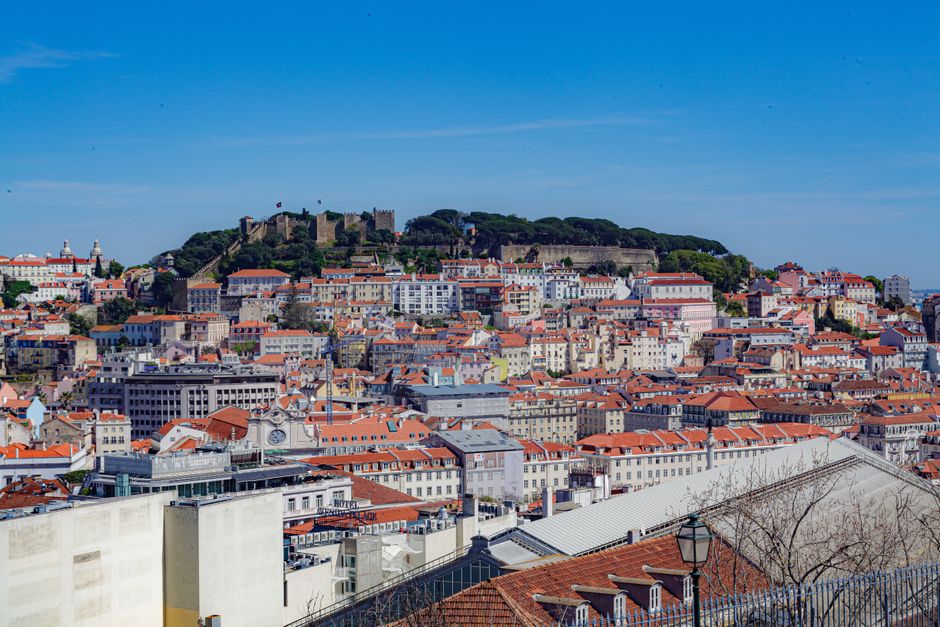
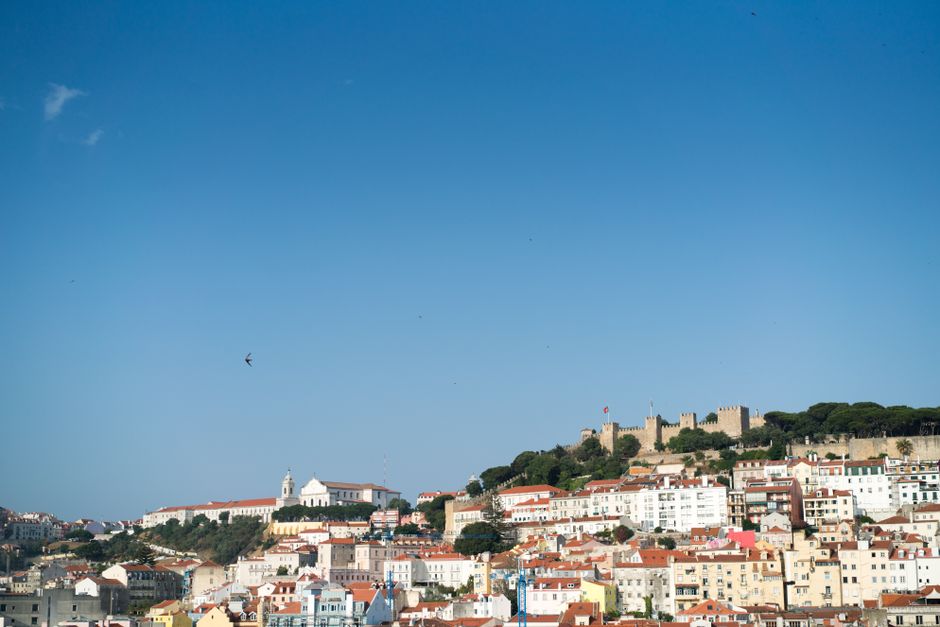
Start at the Sé de Lisboa (the cathedral) and wander uphill toward the Castelo de São Jorge. The views from the castle walls are worth the climb. Skip the tram 28 if it is packed — walking gives you a better feel for the area.
Baixa and Chiado
Baixa is the grid-planned downtown rebuilt after the earthquake. Wide boulevards, elegant squares, and neoclassical buildings define this area. Rua Augusta is the main pedestrian street, leading to the triumphal arch.
Chiado sits just above Baixa. It is the cultural heart of Lisbon, with bookstores, theaters, and the famous Café A Brasileira. This is a good spot for a coffee break or people-watching.
Belém
Belém is west of the center, along the Tagus River. This is where Portuguese explorers set sail. The Belém Tower and the Jerónimos Monastery are UNESCO World Heritage sites. Both are stunning examples of Manueline architecture.
Do not leave Belém without trying the pastéis de nata from Pastéis de Belém. The original recipe dates back to the 19th century. The queue moves fast, so do not be deterred by the line.
Essential Attractions and Landmarks
Castelo de São Jorge

This Moorish castle sits on the highest hill in Lisbon. The views over the city and the river are panoramic. Arrive early to avoid the crowds and the midday heat. The castle grounds include a small archaeological museum and a camera obscura.
Allow at least an hour for a proper visit. The entrance fee is around €15, but it is included in the Lisboa Card if you plan to use public transport extensively.
Jerónimos Monastery
The monastery is a masterpiece of Portuguese late Gothic architecture. It took over 100 years to build. The cloisters are particularly impressive, with intricate stone carvings of maritime motifs.
Entry costs €10 for the monastery and €12 for a combined ticket with the Belém Tower. Book online to skip the ticket line. Sundays and holidays before 2 PM offer free entry, but expect long queues.
Tower of Belém
This fortified tower was built to defend the entrance to Lisbon’s harbor. It is one of the most photographed landmarks in Portugal. The tower is small inside, and the spiral staircases are narrow. Claustrophobic visitors may prefer to admire it from the outside.
Combine your visit with the monastery. Both are within walking distance of each other along the waterfront.
Food and Drink You Cannot Miss
Pastéis de Nata
The custard tart is Portugal’s most famous pastry. The best versions have a flaky, caramelized crust and a creamy, not-too-sweet filling. Pastéis de Belém is the gold standard, but Manteigaria in Chiado runs a close second.
Eat them fresh and warm, dusted with cinnamon and powdered sugar. A typical price is €1.20 to €1.50 per tart. Do not buy them from tourist-oriented shops near the main squares — quality varies widely.
Bacalhau
Salt cod is Portugal’s national dish. There are said to be 365 ways to prepare it — one for each day of the year. The most common versions are bacalhau à brás (shredded cod with eggs and potatoes) and bacalhau com natas (baked with cream).
Try it at a traditional tasca (small eatery) rather than a fancy restaurant. Casa Portuguesa do Pastel de Bacalhau in Chiado serves a good version in a pastry shell.
Ginjinha
This sour cherry liqueur is a Lisbon institution. It is served in small shot glasses, often with a piece of fruit at the bottom. The best place to try it is at A Ginjinha near Rossio Square. The shop is tiny and has been operating since the 19th century.
A shot costs about €1.50. It is sweet and strong — pace yourself if you plan to sample multiple spots.
Day Trips from Lisbon
Sintra
Sintra is a fairy-tale town of palaces, castles, and lush forests. It is 40 minutes by train from Lisbon’s Rossio station. The Pena Palace, with its colorful towers, is the main attraction. The Moorish Castle and the Sintra National Palace are also worth visiting.
Buy tickets online in advance. The queues at Pena Palace can exceed two hours in peak season. Wear comfortable shoes — the town is hilly and the walk between attractions is steep.
Cascais
Cascais is a coastal town with beaches, a marina, and a relaxed vibe. It is a 30-minute train ride from Lisbon’s Cais do Sodré station. The old town is charming, with pastel-colored houses and seafood restaurants.
For a longer excursion, combine Cascais with a visit to the Boca do Inferno (Hell’s Mouth), a dramatic sea cliff formation. The walk from the town center takes about 20 minutes.
Setúbal and the Arrábida Coast
Setúbal is a fishing port south of Lisbon, known for its fresh seafood and the Arrábida Natural Park. The park has some of the best beaches near Lisbon, with turquoise water and pine-covered hills. Take a ferry from Lisbon to Trafaria, then drive or take a bus to Setúbal.
Do not miss the dolphin-watching tours in the Sado Estuary. The resident pod of bottlenose dolphins is active year-round. Tours cost around €35 per person and last about two hours.
Practical Tips for Visiting Lisbon
Getting Around
Lisbon has a good public transport network: metro, buses, trams, and trains. The metro is efficient and covers most tourist areas. The famous tram 28 runs through Alfama, Graça, and Estrela, but it is often overcrowded. Walk or take the metro if you are in a hurry.
Buy a Viva Viagem card (€0.50) and load it with credit. A single metro ride costs €1.65. The Lisboa Card offers unlimited transport and free entry to many museums, but only if you plan to visit at least three paid attractions per day.
Best Time to Visit
March to May and September to October are the best months. The weather is pleasant, crowds are thinner, and prices are lower than in summer. July and August are hot, with temperatures often above 30°C, and the city is packed. December through February is cool and rainy but quiet.
Safety
Lisbon is safe for tourists, but pickpocketing happens in crowded areas. Keep your valuables in a zipped bag, especially on public transport and in popular squares like Rossio and Praça do Comércio. Do not leave belongings unattended on beaches or in cafes.
Emergency number: 112. The police in tourist areas speak English.
FAQs
How many days do you need in Lisbon?
Three full days is enough to see the main sights and take one day trip. Add a fourth or fifth day if you want to explore Sintra, Cascais, and Setúbal at a relaxed pace.
Is Lisbon expensive for tourists?
Lisbon is more affordable than Paris, London, or Rome. A meal at a mid-range restaurant costs around €15-20 per person. Public transport is cheap, and many attractions have reasonable entrance fees. Budget travelers can get by on €60-80 per day, excluding accommodation.
Do I need to speak Portuguese in Lisbon?
No. English is widely spoken in hotels, restaurants, and tourist attractions. Learning a few basic phrases like “bom dia” (good morning) and “obrigado” (thank you) is appreciated but not necessary.
Lisbon vs Porto: A Quick Comparison
| Aspect | Lisbon | Porto |
|---|---|---|
| Best for | First-time visitors, nightlife, beaches | Wine lovers, romantic getaways, smaller scale |
| Main attractions | Belém Tower, Jerónimos Monastery, Alfama | Port wine cellars, Dom Luís I Bridge, Ribeira |
| Food specialty | Pastéis de nata, bacalhau | Francesinha, tripas à moda do Porto |
| Day trips | Sintra, Cascais, Setúbal | Douro Valley, Guimarães, Braga |
| Average daily cost | €80-120 | €70-100 |
Both cities are worth visiting. If you have only three days, pick Lisbon for its variety. If you prefer a quieter, more intimate experience, Porto may be a better fit. Many travelers combine both in a single trip, spending four days in Lisbon and three in Porto.
Final Thoughts
Lisbon rewards those who take their time. Skip the rushed itineraries and allow yourself to get lost in the narrow streets. Eat a pastel de nata while sitting on a bench overlooking the Tagus. Listen to fado in a small Alfama tavern. These are the moments that make a trip memorable.
This best things to do in Lisbon travel guide gives you the foundation. What you do with it is up to you. Pack comfortable shoes, bring an open mind, and enjoy one of Europe’s most captivating capitals.