
Best Markets in Barcelona Guide
Best Markets in Barcelona Guide
Barcelona’s markets are more than just places to shop—they’re vibrant cultural hubs where locals gather, chefs source ingredients, and visitors discover authentic flavors. From historic covered markets to lively street bazaars, the city offers a rich tapestry of shopping experiences. Whether you’re hunting for fresh produce, handmade crafts, or unique souvenirs, this guide covers the best markets in Barcelona, including must-visit spots, insider tips, and practical advice to help you make the most of your visit.
Why Visit Barcelona’s Markets?
Markets in Barcelona reflect the city’s deep-rooted traditions and modern urban energy. They offer a glimpse into daily Catalan life, with stalls overflowing with seasonal fruits, artisanal cheeses, cured meats, and local wines. Unlike chain stores or tourist traps, these markets emphasize quality, sustainability, and community.
Many markets also host food stalls and tapas bars, turning a shopping trip into a full culinary experience. For travelers, they provide an affordable, immersive way to taste regional specialties like jamón ibérico, escalivada, or pan con tomate.
Top Markets in Barcelona
La Boqueria (Mercat de Sant Josep)
No visit to Barcelona is complete without stopping at La Boqueria, the city’s most famous market. Located just off Las Ramblas, it’s a sensory feast with colorful displays of fresh fruit, seafood, spices, and gourmet snacks. While it draws crowds, it remains a working market loved by locals and chefs alike.
Avoid the busiest times by arriving before 10 a.m. or after 2 p.m. Skip the overpriced tourist stands near the entrance and head deeper inside for better deals and authentic vendors. Try the freshly squeezed orange juice or a montadito topped with Iberian ham.
Mercat de Santa Caterina
Tucked away in the El Born district, Santa Caterina offers a more relaxed alternative to La Boqueria. Its undulating, mosaic-covered roof is an architectural highlight, and the market itself is less crowded but equally rich in quality.
Here, you’ll find excellent seafood counters, organic produce, and specialty shops selling olive oil and saffron. The adjacent Santa Caterina Museum provides context on the site’s medieval history, making it a cultural stop as well.
Mercat de la Concepció
Known primarily for its flower section, La Concepció is a hidden gem for plant lovers and home decor enthusiasts. The flower hall on the upper level bursts with seasonal blooms, potted plants, and gardening supplies.
Downstairs, the food market offers high-quality meats, cheeses, and prepared foods. It’s a favorite among local cooks and a great place to pick up ingredients for a picnic. Visit on a Saturday morning for the liveliest atmosphere.
Mercat de Sant Antoni
This market blends tradition with modern flair. The main building houses a classic food market, while the surrounding streets transform on Sundays for the famous book and collectibles market.
Sant Antoni is ideal for vintage finds, secondhand books, and retro posters. The food section includes a popular rotisserie chicken stand and a well-stocked deli. It’s less touristy than La Boqueria, offering a more local vibe.
Encants Vells
Barcelona’s oldest flea market, Encants Vells, has operated since 1334. Set under a striking metallic canopy in the city center, it’s a treasure trove of antiques, vintage clothing, furniture, and quirky collectibles.
Open Monday, Wednesday, Friday, and Saturday, it’s best visited early in the morning when dealers are setting up. Bargaining is expected, and patience pays off—many unique items are buried among the stalls.
Mercat de Ninot
A local favorite in the Eixample district, Ninot is spacious, clean, and well-organized. It’s less known to tourists, making it a peaceful spot to shop like a resident.
The market features a wide range of fresh produce, seafood, and charcuterie, plus a few food stalls serving quick bites. It’s particularly strong in organic and specialty items, including gluten-free and vegan options.
Fira de Bellcaire (Gràcia Market)
Held every Sunday in the Gràcia neighborhood, this open-air market focuses on antiques, vintage fashion, and handmade crafts. It’s smaller than Encants but has a charming, village-like atmosphere.
You’ll find restored furniture, retro accessories, and local artisan goods. Pair your visit with a stroll through Gràcia’s narrow streets and cozy plazas for a full cultural experience.
Tips for Shopping at Barcelona’s Markets
Know the Hours
Most markets open early, between 7:30 and 8:30 a.m., and close by 2:30 or 3 p.m. on weekdays. Some, like Sant Antoni and Encants, also operate on weekends. Always check opening times in advance, as they can vary by season.
Bring Cash
While larger stalls may accept cards, many vendors prefer cash. ATMs are usually available on-site, but lines can be long during peak hours. Withdraw money the day before to avoid delays.
Shop Early for the Best Selection
Fresh produce and popular items sell out quickly. Arriving within the first hour of opening ensures access to the full range of goods. Seafood and baked goods are especially limited by mid-morning.
Respect Local Etiquette
Markets are working spaces, not theme parks. Keep voices low, avoid blocking aisles, and ask before taking photos of vendors or their stalls. A simple “¿Puedo fotografiar?” goes a long way.
Try Before You Buy
Many food vendors offer small samples. Take advantage of this to taste cheeses, olives, or cured meats before committing to a purchase. It’s a great way to discover new flavors and support local producers.
What to Buy at Barcelona’s Markets
Fresh Produce
Seasonal fruits like cherries in spring, peaches in summer, and persimmons in winter are abundant. Look for locally grown tomatoes, peppers, and leafy greens—often more flavorful than supermarket versions.
Charcuterie and Cheese
Spain is famous for its cured meats and artisanal cheeses. Try jamón ibérico de bellota, lomo embuchado, or a wedge of Manchego. Many stalls vacuum-seal purchases for travel.
Seafood
From anchovies to prawns, Barcelona’s markets offer some of the freshest seafood in Europe. Ask vendors about the catch of the day or try pre-marinated options for easy cooking.
Spices and Condiments
Saffron, smoked paprika (pimentón), and olive oil are staples. Buy small quantities to ensure freshness, and look for vendors who grind spices on-site.
Handmade Goods
At flea markets and craft fairs, you’ll find leather goods, ceramics, textiles, and jewelry. These make meaningful souvenirs that support local artisans.
How to Get to Barcelona’s Markets
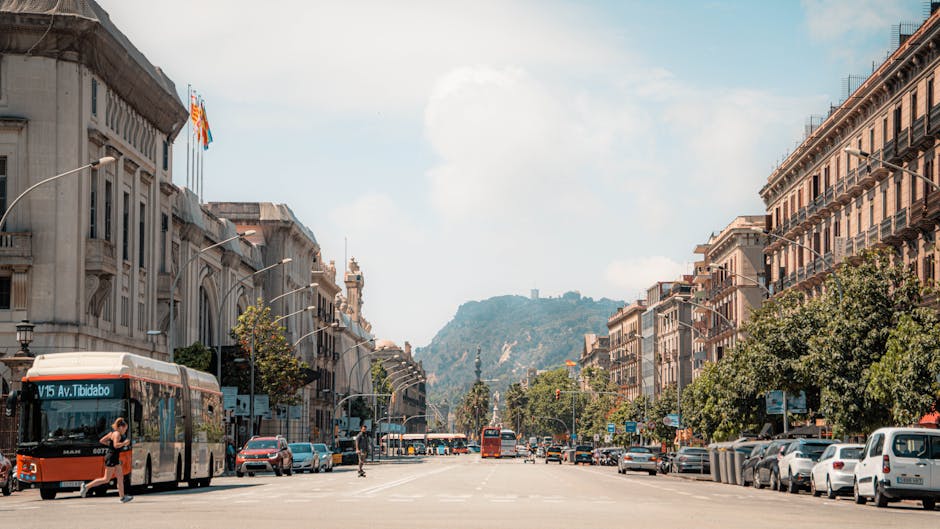
Most markets are centrally located and easily accessible by metro, bus, or foot. La Boqueria is a short walk from Liceu station, while Santa Caterina is near Jaume I. Sant Antoni is close to the same-named metro stop.
For Encants Vells, take the metro to Arc de Triomf or Urquinaona. Ninot is best reached via the Hospital Clínic station. Always allow extra time during peak tourist seasons.
Best Time to Visit
Weekday mornings are ideal for a quieter experience. Markets are busiest on weekends, especially Sunday, when many locals shop and socialize. Summer brings longer hours and more outdoor stalls, but also larger crowds.
Avoid public holidays, when many markets close or operate with reduced hours. Check local listings before your trip.
Comparison of Top Barcelona Markets
| Market | Best For | Opening Days | Tourist Level | Unique Feature |
|---|---|---|---|---|
| La Boqueria | Food, souvenirs, atmosphere | Mon–Sat | High | Central location on Las Ramblas |
| Santa Caterina | Fresh produce, seafood, architecture | Mon–Sat | Medium | Colorful wavy roof design |
| Sant Antoni | Food, antiques, books (Sun) | Mon–Sat (food), Sun (flea) | Medium | Sunday collectibles market |
| Encants Vells | Vintage, antiques, collectibles | Mon, Wed, Fri, Sat | Medium | Over 700 years of history |
| La Concepció | Flowers, home goods, gourmet food | Mon–Sat | Low | Dedicated flower hall |
Common Mistakes to Avoid
Don’t assume all vendors accept cards—always carry cash. Avoid buying large quantities of perishable items unless you have storage. Be cautious with “bargain” souvenirs near major tourist sites; quality is often low.
Never haggle in food markets—prices are typically fixed. At flea markets, polite negotiation is acceptable, but don’t lowball excessively. Finally, don’t skip smaller markets in favor of only visiting La Boqueria; you’ll miss out on authentic local experiences.
Final Thoughts
Barcelona’s markets are essential stops for anyone wanting to experience the city’s culture, cuisine, and community spirit. Whether you’re a foodie, a collector, or just curious, there’s a market to match your interests. Go with an open mind, a reusable bag, and an appetite for discovery.
Plan your visits early, respect local customs, and take time to chat with vendors. You’ll leave not just with great products, but with stories and memories that reflect the true heart of Barcelona.
FAQ
What is the best market in Barcelona for food?
La Boqueria is the most famous, but Santa Caterina and Sant Antoni offer equally high-quality food with fewer crowds. All three are excellent for fresh produce, seafood, and local delicacies.
Are Barcelona’s markets open on Sundays?
Some are. Sant Antoni hosts a popular flea market on Sundays, and Encants Vells is also open. Most food markets close, but a few, like parts of La Boqueria, may have limited hours.
Can I bargain at Barcelona’s markets?
Bargaining is not common in food markets, where prices are fixed. However, it’s acceptable at flea markets like Encants Vells and Fira de Bellcaire, especially for higher-priced items.

