
Domestic Travel Checklist Guide: Everything You Need Before You Go
Domestic Travel Checklist Guide: Everything You Need Before You Go
Planning a domestic trip? A solid domestic travel checklist guide ensures you don’t forget essentials like IDs, medications, or chargers. Whether you’re driving to a national park, flying to a nearby city, or taking a weekend train ride, being prepared reduces stress and avoids last-minute scrambles. This guide covers must-have items, smart packing strategies, and often-overlooked steps to make your next journey smooth and enjoyable. From documents to toiletries, tech gear to emergency contacts, we’ve organized everything you need into clear, actionable categories—so you can focus on the adventure ahead.
Why a Domestic Travel Checklist Matters
Even short trips can go sideways without proper preparation. Forgetting your ID at airport security, arriving at a campsite without a flashlight, or realizing your phone died mid-navigation are avoidable mishaps. A checklist isn’t just about packing—it’s about peace of mind. Domestic travel often feels “low-risk” compared to international trips, which leads travelers to skip critical prep steps. But weather delays, transportation changes, or unexpected closures happen everywhere. Using a structured checklist helps you anticipate needs, save time, and stay calm when things don’t go as planned.
Essential Documents and IDs
Domestic travel doesn’t require a passport, but you still need proper identification. The Transportation Security Administration (TSA) requires a valid government-issued photo ID for domestic flights. Acceptable forms include a driver’s license, state ID card, or military ID. If you’re traveling by car, ensure your driver’s license and vehicle registration are current. Keep digital copies on your phone and physical backups in a secure travel wallet.
Other important documents include:
- Hotel or accommodation confirmation (printed or saved offline)
- Event tickets or reservations (concerts, tours, restaurants)
- Insurance cards (health, travel, or rental car coverage)
- Emergency contact list with names, numbers, and medical info
Store these in a dedicated folder or envelope. Avoid carrying unnecessary items like your Social Security card unless absolutely required. For families, bring birth certificates or custody documents if traveling with children who aren’t your own.
Packing Smart: Clothing and Personal Items
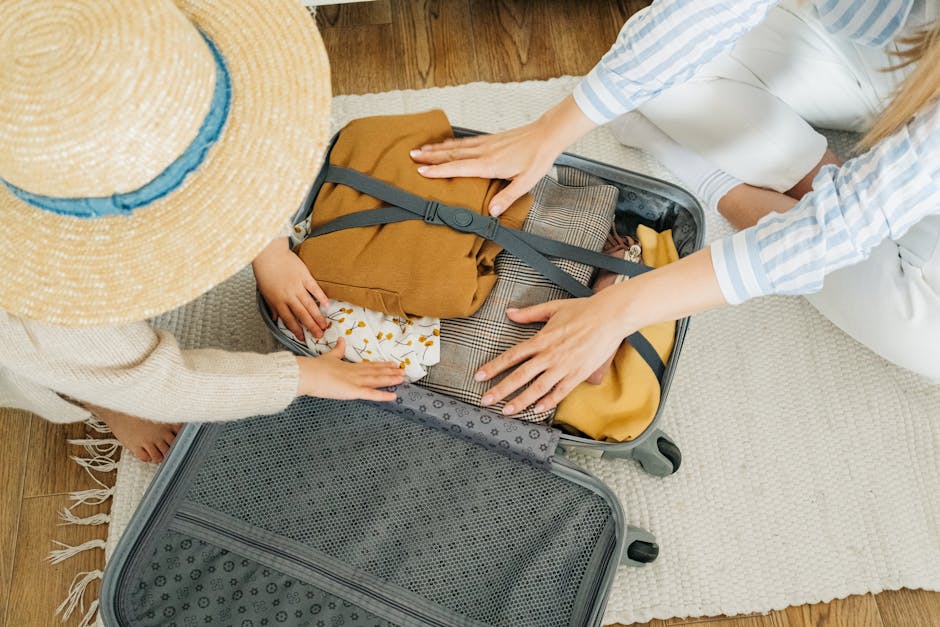
Pack based on destination, season, and activity. Check the weather forecast 48 hours before departure and adjust accordingly. Layering works best for variable climates—think lightweight shirts, a fleece, and a waterproof jacket. Roll clothes instead of folding to save space and reduce wrinkles.
Don’t forget:
- Underwear and socks (pack one extra pair per day)
- Comfortable walking shoes and a second pair for evenings or activities
- Pajamas and sleepwear
- Swimwear if applicable
- Hat, sunglasses, and sunscreen
For toiletries, follow TSA’s 3-1-1 rule for carry-ons: liquids in containers no larger than 3.4 ounces (100ml), all in a single quart-sized clear bag. Toothpaste, mouthwash, and moisturizer count. Solid toiletries like shampoo bars or deodorant sticks avoid liquid restrictions. Include a small first-aid kit with band-aids, pain relievers, antiseptic wipes, and any prescription medications in original packaging.
Tech Gear and Chargers
Your phone, camera, and other devices are lifelines during travel. Pack all necessary chargers, power banks, and adapters. A multi-port USB charger reduces clutter. Bring a car charger if driving long distances. For flights, noise-canceling headphones improve comfort. Don’t assume outlets will be available—airports and rest stops may have limited access.
Essential tech items:
- Smartphone and charger
- Camera and extra batteries/memory cards
- Portable power bank (under 100Wh for air travel)
- Headphones or earbuds
- Laptop or tablet (if needed for work or entertainment)
Download offline maps, entertainment, and travel apps before leaving. Google Maps, airline apps, and translation tools work without Wi-Fi. Enable battery-saving mode and close unused apps to extend usage.
Transportation and Accommodation Prep
Confirm your travel details 24–48 hours before departure. Check-in online for flights, print or save boarding passes, and review gate information. For trains or buses, verify schedules and platform numbers. If driving, inspect your vehicle: tire pressure, oil level, windshield fluid, and spare tire. Fill the gas tank the night before to avoid rush-hour lines.
Accommodation tips:
- Call ahead to confirm check-in times and parking availability
- Ask about amenities (Wi-Fi, breakfast, pet policies)
- Save the property’s address and contact number offline
- Pack a doorstop or portable alarm for added security in unfamiliar places
If renting a car, inspect it thoroughly before driving off. Note existing damage and take photos. Understand the fuel policy and return location. Avoid toll roads if your rental doesn’t include transponder coverage.
Food, Snacks, and Hydration
Pack snacks to avoid overpriced airport or roadside options. Granola bars, nuts, dried fruit, and protein packs travel well. Bring a reusable water bottle—fill it after security or at rest stops. Many airports and train stations have refill stations. Avoid bringing large liquids through security; buy them post-checkpoint.
For longer trips, consider:
- Instant coffee or tea bags
- Electrolyte packets for hydration
- Cooler with ice packs for perishables (if driving)
- Utensils and a reusable container for leftovers
Check dietary restrictions at your destination. Some rural areas have limited vegan or gluten-free options. Research restaurants in advance or pack backup meals.
Safety and Emergency Preparedness
Share your itinerary with a trusted friend or family member. Include flight numbers, hotel names, and planned activities. Check in regularly, especially if traveling alone. Save local emergency numbers and the nearest hospital or clinic locations.
Carry a small emergency kit with:
- Flashlight and extra batteries
- Whistle or personal alarm
- Basic first-aid supplies
- Emergency blanket (compact and lightweight)
- Multi-tool or pocket knife (check airline rules if flying)
Know your surroundings. Avoid displaying valuables in public. Use hotel safes for passports, extra cash, and electronics. Be cautious with public Wi-Fi—avoid banking or sensitive logins unless using a VPN.
Packing by Trip Type: Customizing Your Checklist
Not all trips are the same. A beach vacation, mountain hike, or city break each require tailored preparation. Use this comparison table to adjust your packing list:
| Item | Beach Trip | City Break | Camping/Hiking |
|---|---|---|---|
| Swimwear | ✔️ | ❌ | ✔️ (if near water) |
| Hiking Boots | ❌ | ❌ | ✔️ |
| Portable Fan | ✔️ | ✔️ | ❌ |
| Tent & Sleeping Bag | ❌ | ❌ | ✔️ |
| Formal Outfit | ❌ | ✔️ | ❌ |
| Water Purification Tablets | ❌ | ❌ | ✔️ |
Adjust quantities based on trip length. A weekend getaway needs fewer clothes than a two-week road trip. Roll outfits together to save space and make dressing easier.
Last-Minute Checks Before You Leave
The night before departure, run through this quick list:
- Charge all devices and pack chargers
- Set alarms and notify house sitters or pet caregivers
- Lock doors and windows at home
- Unplug non-essential electronics
- Check traffic or flight status
- Pack your carry-on with essentials (meds, wallet, phone, snacks)
Arrive at the airport at least two hours early for domestic flights. For peak travel times (holidays, summer weekends), allow extra time. At the gate, keep your boarding pass and ID accessible.
Returning Home: Post-Travel Tips
Don’t forget the return journey. Wash clothes, recharge devices, and restock your travel kit. Review receipts for expense reports or reimbursements. Check your car’s mileage and fuel level if you drove. Unpack promptly to avoid mold or pests in damp clothes.
Reflect on what worked and what didn’t. Did you overpack? Forget something crucial? Update your checklist for next time. Keep a digital version on your phone for easy editing.
Domestic Travel Checklist Guide: Final Thoughts
A well-prepared traveler enjoys the journey more. This domestic travel checklist guide covers the essentials—from IDs and tech to safety and packing—so you can travel with confidence. Customize it to your destination and trip type, and review it before every departure. Preparation doesn’t limit spontaneity; it frees you to embrace it.
FAQ
Q: Do I need a passport for domestic travel in the U.S.?
A: No, a passport is not required for domestic flights or travel within the United States. A valid government-issued photo ID, such as a driver’s license, is sufficient.
Q: What should I do if I forget an essential item while traveling?
A: Most essentials can be purchased at your destination. Pharmacies, convenience stores, and big-box retailers carry toiletries, medications, and basic clothing. For tech items, check airport shops or electronics stores.
Q: How early should I arrive at the airport for a domestic flight?
A: Arrive at least two hours before your domestic flight’s departure time. During busy periods, allow up to three hours to account for longer lines and security checks.

