
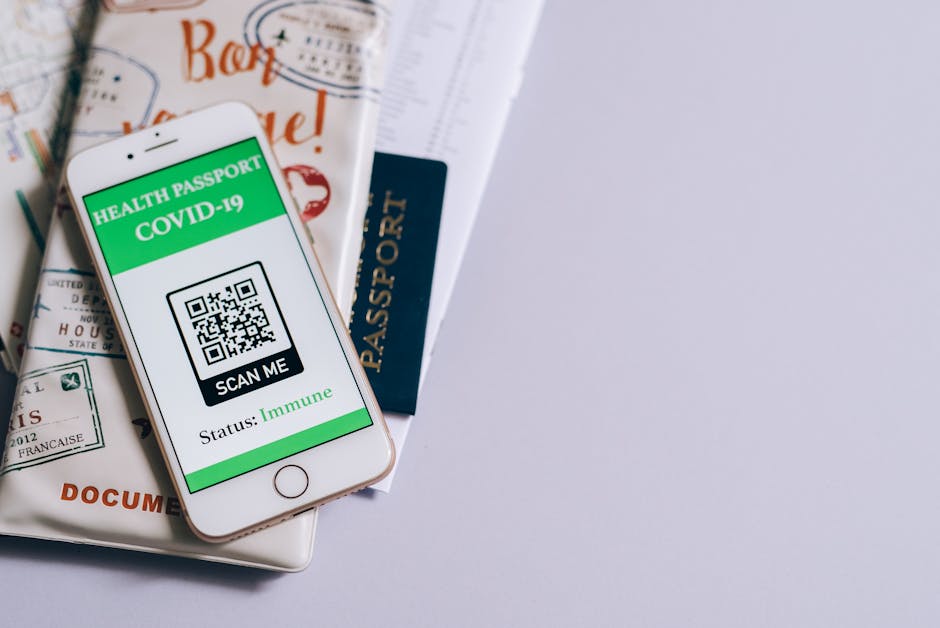
International Travel Checklist Guide: Everything You Need Before You Go
Planning an international trip can be exciting, but it’s easy to overlook critical details that could disrupt your journey. A thorough international travel checklist guide helps you prepare efficiently, avoid common pitfalls, and ensure a smooth experience from departure to return. Whether you’re traveling for business, leisure, or a long-term stay, this comprehensive checklist covers essential documents, health precautions, packing essentials, financial arrangements, and arrival logistics—so you can focus on enjoying your destination.
Why an International Travel Checklist Matters
International travel involves more complexity than domestic trips. Different countries have unique entry requirements, health regulations, currency systems, and cultural norms. Missing a single document or failing to notify your bank could result in denied boarding, unexpected fees, or even quarantine. A structured checklist reduces stress, prevents last-minute scrambles, and increases your confidence that you’re fully prepared.
Essential Documents to Prepare
Start with your paperwork—this is the foundation of any successful international trip. Without the right documents, your travel plans can unravel before you even board the plane.

- Valid Passport: Ensure your passport is valid for at least six months beyond your return date. Many countries enforce this rule strictly. Check expiration dates well in advance.
- Visas: Research visa requirements for your destination. Some countries offer visa-free entry or visas on arrival for certain nationalities, while others require advance applications. Apply early—processing can take weeks.
- Travel Insurance: Obtain comprehensive coverage that includes medical emergencies, trip cancellations, and lost luggage. Confirm it’s valid internationally and covers your activities (e.g., adventure sports).
- Flight and Accommodation Confirmations: Keep digital and printed copies of your itinerary, hotel bookings, and return tickets. Immigration officers may request them upon arrival.
- Vaccination Records: Some countries require proof of specific vaccinations (e.g., yellow fever). Check the CDC or WHO website for current health advisories.
- Driver’s License and International Permit: If you plan to drive abroad, an International Driving Permit (IDP) may be required alongside your domestic license.
Health and Safety Preparations
Your health is just as important as your documents. Take proactive steps to protect yourself before and during your trip.
Medical Readiness
- Consult Your Doctor: Schedule a pre-travel health visit 4–6 weeks before departure. Discuss destination-specific risks, necessary vaccines, and prescription needs.
- Prescription Medications: Bring enough medication to last your entire trip, plus a little extra. Carry them in original containers with clear labels. Include a copy of your prescription and a doctor’s note if required.
- Over-the-Counter Supplies: Pack pain relievers, antidiarrheal medication, antihistamines, and any personal health items you rely on.
- Water and Food Safety: In regions with questionable water quality, drink only bottled or purified water. Avoid raw foods and street vendors if you’re prone to stomach issues.
Safety and Emergency Planning
- Register with Your Embassy: Enroll in your country’s travel registration program (e.g., STEP for U.S. citizens) so the embassy can assist in emergencies.
- Emergency Contacts: Save local emergency numbers, your country’s embassy address, and a trusted contact back home. Share your itinerary with someone reliable.
- Personal Safety: Research local customs, laws, and areas to avoid. Dress appropriately and stay aware of your surroundings, especially in crowded or unfamiliar places.
Financial and Communication Arrangements
Managing money and staying connected are key to a stress-free trip. Don’t assume your home banking and phone services will work seamlessly abroad.
Banking and Currency
- Notify Your Bank: Inform your bank and credit card companies of your travel dates and destinations to prevent card freezes due to suspicious activity.
- Check Foreign Transaction Fees: Use cards with no foreign transaction fees. Consider a travel-specific credit card for better rewards and protection.
- Carry Local Currency: Exchange a small amount of cash before departure for immediate expenses like transportation or tips. Use ATMs at your destination for better rates, but beware of fees.
- Budget Wisely: Estimate daily expenses based on your destination. Include meals, attractions, transport, and souvenirs. Add a 10–15% buffer for unexpected costs.
Communication Tools
- Mobile Phone Plan: Check if your carrier offers international roaming. Alternatively, buy a local SIM card or use an eSIM for data and calls.
- Download Offline Maps: Use apps like Google Maps or Maps.me to download maps of your destination for use without internet.
- Communication Apps: Install WhatsApp, Telegram, or Signal for free messaging and calls over Wi-Fi.
- Power Adapters and Converters: Bring the correct plug adapter for your destination. If your devices aren’t dual-voltage, use a converter to avoid damage.
Packing Smart for International Travel
Efficient packing saves space, reduces stress, and helps you comply with airline restrictions. Follow these guidelines to pack like a seasoned traveler.
Carry-On Essentials
Always keep critical items in your carry-on bag in case your checked luggage is delayed or lost.
- Passport, boarding pass, and travel documents
- Medications and first-aid kit
- Change of clothes and underwear
- Toiletries in travel-sized containers (under 100ml each for liquids)
- Phone charger and portable battery
- Snacks and reusable water bottle
Clothing and Personal Items
- Pack Versatile Outfits: Choose lightweight, mix-and-match clothing suitable for the climate and cultural expectations. Layering works well for variable weather.
- Comfortable Footwear: Bring shoes that are broken in and appropriate for walking, sightseeing, and dress codes (e.g., temples, restaurants).
- Weather-Appropriate Gear: Include rain gear, sun hat, or warm layers as needed. Check the forecast before departure.
- Toiletries and Hygiene: Pack travel-sized shampoo, toothpaste, deodorant, and any personal care items. Consider solid toiletries to save space and avoid spills.
Electronics and Accessories
- Laptop or tablet (if needed)
- Camera and memory cards
- Headphones or earbuds
- Universal power adapter
- Portable charger (power bank)
Pre-Departure Tasks
The days leading up to your trip are crucial for finalizing details and ensuring nothing slips through the cracks.
- Check Flight Status: Confirm your flight times 24–48 hours before departure. Sign up for airline alerts.
- Arrange Airport Transfers: Book transportation from the airport to your accommodation in advance, especially if arriving late at night.
- Confirm Accommodation: Double-check your booking details, check-in time, and address. Save directions offline.
- Set Up Travel Alerts: Monitor government travel advisories (e.g., U.S. State Department, UK FCO) for your destination.
- Back Up Important Data: Save digital copies of your passport, visa, insurance, and itinerary in cloud storage or email them to yourself.
- Secure Your Home: Set timers for lights, pause mail delivery, and inform a neighbor of your absence.
At the Airport and During Transit
Airport procedures can be overwhelming, especially in foreign countries. Stay prepared with these tips.
- Arrive Early: Allow at least 3 hours for international departures. Delays in security or check-in are common.
- Know Liquid Rules: Follow the 3-1-1 rule: liquids in containers of 100ml or less, all fitting in one clear quart-sized bag.
- Wear Easy Shoes: Choose footwear that’s simple to remove for security screening.
- Stay Hydrated and Move: Drink water during the flight and walk periodically to reduce the risk of deep vein thrombosis (DVT).
- Use Airport Lounges: If you have access, lounges offer quiet spaces, charging stations, and refreshments during long layovers.
Upon Arrival: First Steps in Your Destination
Your journey isn’t over when the plane lands. These steps will help you transition smoothly.
- Immigration and Customs: Have your passport, visa, and arrival forms ready. Answer questions honestly and calmly.
- Collect Luggage: Check that your bags arrive and inspect them for damage. Report any issues immediately.
- Exchange Currency: Use airport kiosks sparingly—they often have poor rates. Withdraw cash from ATMs in the city for better value.
- Activate Local SIM or eSIM: Insert your new SIM card or activate your eSIM to regain connectivity.
- Reach Your Accommodation: Use pre-booked transport or trusted taxi services. Avoid unlicensed vehicles.
- Check In and Rest: Freshen up, hydrate, and adjust to the local time. Avoid heavy activities on your first day to combat jet lag.
Returning Home: Post-Travel Checklist
Don’t forget to wrap up your trip properly when you return.
- Check for Souvenirs and Purchases: Ensure all items comply with customs regulations. Some goods (e.g., plants, meats, cultural artifacts) may be restricted.
- File Travel Insurance Claims: Submit receipts and documentation promptly if you experienced delays, cancellations, or medical issues.
- Update Your Bank: Monitor statements for unauthorized charges and remove travel alerts from your accounts.
- Rest and Recover: Allow time to readjust to your time zone and routine. Reflect on your trip and organize photos or mementos.
Compact Comparison: Carry-On vs. Checked Luggage Essentials
Knowing what to pack where can prevent headaches at the airport and during your trip.
| Item | Carry-On | Checked Luggage |
|---|---|---|
| Passport & Travel Documents | ✅ Required | ❌ Never |
| Prescription Medications | ✅ Required | ❌ Risky |
| Valuables (Jewelry, Electronics) | ✅ Recommended | ❌ Not advised |
| Clothing (1–2 Changes) | ✅ Smart backup | ✅ Primary storage |
| Liquids (Over 100ml) | ❌ Prohibited | ✅ Allowed |
| Toiletries (Full-Size) | ❌ Not permitted | ✅ Ideal |
Final Tips for a Smooth International Trip
Even with a perfect checklist, unexpected issues can arise. Stay flexible and patient. Research local customs to show respect and enhance your experience. Keep digital backups of everything. And most importantly, allow time to enjoy the journey—not just the destination.
By following this international travel checklist guide, you’ll minimize stress, avoid common mistakes, and set yourself up for a successful and memorable trip. Preparation is the key to confident, worry-free travel.
Frequently Asked Questions
How far in advance should I start preparing for an international trip?
Begin at least 8–12 weeks before departure. This allows time to renew your passport, apply for visas, schedule medical appointments, and book flights and accommodations at better rates.
What should I do if my passport is lost or stolen abroad?
Report the loss immediately to local police and contact your country’s nearest embassy or consulate. They can issue an emergency travel document to help you return home. Keep digital copies of your passport to speed up the process.
Can I use my credit card everywhere internationally?
Major credit cards are widely accepted in cities and tourist areas, but smaller vendors, rural areas, or certain countries may only accept cash. Always carry some local currency and notify your bank to avoid card blocks.

