
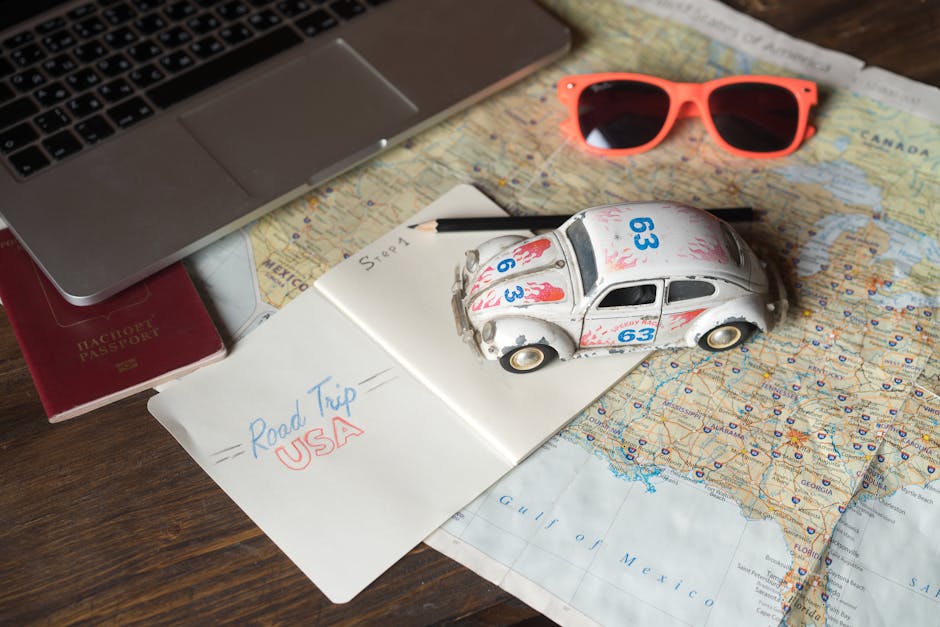
Road Trip Checklist Complete Guide
”
Road Trip Checklist Complete Guide
Planning a road trip? A solid road trip checklist complete guide ensures you don’t forget essentials, avoid breakdowns, or face avoidable delays. This comprehensive resource covers vehicle prep, packing lists, safety items, navigation tools, and real-time tips to keep your journey smooth and enjoyable. Whether you’re heading out for a weekend getaway or a cross-country adventure, this guide delivers practical, actionable steps to help you prepare thoroughly—without the stress.

Why a Road Trip Checklist Matters
A well-prepared road trip starts long before you hit the gas. Without a structured checklist, it’s easy to overlook critical items like spare tires, insurance documents, or even snacks for restless passengers. Studies and travel surveys consistently show that travelers who use detailed checklists report fewer delays, lower stress levels, and more enjoyable trips. A checklist isn’t just about organization—it’s about peace of mind, especially when driving through remote areas or unfamiliar terrain.
Common Mistakes to Avoid
- Assuming your car is road-ready without inspection
- Packing too much or forgetting key documents
- Ignoring weather forecasts for your route
- Failing to plan rest stops or overnight stays
- Not informing someone of your travel itinerary
These oversights can turn a dream trip into a logistical nightmare. The good news? Most are preventable with a few hours of preparation and a reliable checklist.
Pre-Trip Vehicle Inspection
Your vehicle is the backbone of any road trip. A thorough inspection before departure can prevent breakdowns and costly repairs miles from home. Start with the basics and work your way through mechanical, safety, and comfort systems.
Essential Vehicle Checks
- Tire condition and pressure: Check tread depth and inflate to the manufacturer’s recommended PSI. Don’t forget the spare.
- Engine oil and fluids: Top off oil, coolant, brake fluid, and windshield washer fluid. Look for leaks under the car.
- Battery health: Ensure terminals are clean and connections tight. Test voltage if possible—especially in older vehicles.
- Brake function: Listen for squeaking or grinding. If brakes feel soft or pull to one side, have them inspected.
- Headlights, brake lights, and turn signals: Replace any burnt-out bulbs. Clean lenses for maximum visibility.
- Windshield wipers: Replace worn blades to ensure clear vision in rain or snow.
- Air conditioning and heating: Test both systems, especially if traveling through varying climates.
When to Visit a Mechanic
If your car is overdue for service, has warning lights on the dashboard, or you’re planning a long-distance trip (over 500 miles), schedule a professional inspection. A mechanic can catch issues you might miss, such as worn suspension components or timing belt wear. Many shops offer pre-trip inspection packages for under $100—a small price for long-term reliability.
Documents and Legal Requirements
Carrying the right documents isn’t optional—it’s essential for legal compliance and emergency situations. Keep these in a secure, easily accessible folder in your glove compartment or center console.
- Driver’s license: Must be current and valid in all states or countries you’ll visit.
- Vehicle registration: Proof of ownership and registration. Required at traffic stops and border crossings.
- Auto insurance card: Must show active coverage. Some states require additional proof of financial responsibility.
- Roadside assistance information: Include membership number and contact details for services like AAA.
- Emergency contact list: Names, phone numbers, and medical information for all travelers.
- Travel itinerary: Share a copy with a trusted friend or family member, including planned stops and arrival times.
If traveling internationally, research visa requirements, international driving permits, and vehicle import rules. Some countries require additional documentation, such as a Carnet de Passage for customs.
Packing Essentials: What to Bring
Packing efficiently means balancing preparedness with space. Overpacking leads to clutter and reduced fuel efficiency, while underpacking can leave you stranded. Use a categorized approach to ensure nothing vital is forgotten.
Clothing and Personal Items
- Weather-appropriate clothing (layers for cold climates, light fabrics for heat)
- Comfortable walking shoes and driving footwear
- Rain gear and sun protection (hat, sunglasses, sunscreen)
- Toiletries, medications, and a small first-aid kit
- Reusable water bottles and travel towels
Electronics and Charging
- Smartphone and car charger or power inverter
- Portable power bank (at least 10,000mAh capacity)
- GPS device or offline maps (in case of poor signal)
- Camera and extra memory cards or batteries
- Adapters for international outlets (if applicable)
Food, Snacks, and Hydration
- Non-perishable snacks (nuts, granola bars, dried fruit)
- Bottled water (at least one gallon per person per day in hot climates)
- Cooler with ice packs for perishables
- Utensils, napkins, and a small trash bag
- Reusable coffee mug or water bottle
Tip: Pack a “day bag” with essentials like water, snacks, maps, and first aid for easy access during stops.
Safety and Emergency Preparedness
Emergencies can happen anywhere, especially on long drives through rural or mountainous areas. Being prepared can mean the difference between a minor delay and a dangerous situation.
Emergency Kit Essentials
- Jumper cables or portable jump starter
- Basic toolkit (screwdrivers, pliers, wrench, duct tape)
- Tire inflator and sealant (for minor punctures)
- Reflective warning triangles or flares
- Flashlight with extra batteries
- Blanket or emergency thermal blanket
- Multi-tool or pocket knife
- Fire extinguisher (rated for automotive use)
Communication and Navigation
- Fully charged mobile phone with emergency apps (e.g., Life360, Waze)
- Paper maps of your route (digital maps can fail)
- Offline GPS downloads (Google Maps allows saving areas)
- CB radio or satellite communicator for remote areas (e.g., Garmin inReach)
Note: In national parks or desert regions, cell service may be nonexistent. Always inform someone of your route and expected return time.
Route Planning and Navigation
Even with GPS, smart route planning saves time, fuel, and frustration. Use digital tools to optimize your journey, but always have a backup plan.
Steps to Plan Your Route
- Use mapping services like Google Maps or Waze to estimate drive time and identify traffic patterns.
- Identify rest stops, gas stations, and food options along the way—especially in rural stretches.
- Check for road closures, construction zones, or weather advisories using state DOT websites.
- Plan overnight stays in advance, particularly during peak travel seasons.
- Set alternate routes in case of unexpected delays or detours.
Example: A trip from Denver to Moab, Utah, covers 350 miles but includes mountain passes and limited services. Planning fuel stops in Grand Junction and checking for snow closures on I-70 is essential in winter.
Navigation Tools Comparison
| Tool | Pros | Cons |
|---|---|---|
| Google Maps (Mobile) | Real-time traffic, offline maps, user reviews | Requires data or pre-downloaded maps |
| Dedicated GPS (e.g., Garmin) | No data needed, large screen, voice guidance | Outdated maps if not updated regularly |
| Paper Road Atlas | No batteries, reliable in remote areas | No real-time updates, harder to read while driving |
For most travelers, a combination of digital and analog tools offers the best balance of convenience and reliability.
Comfort and Entertainment
Long hours on the road can lead to fatigue and boredom, especially with passengers. Prioritize comfort and engagement to keep everyone alert and happy.
In-Car Comfort Tips
- Adjust seat position and lumbar support before driving
- Use seat cushions or back supports for long stretches
- Take breaks every 2 hours or 100 miles to stretch and rest
- Maintain a cool cabin temperature to reduce drowsiness
- Keep windows slightly open for fresh air
Entertainment Options
- Create a collaborative playlist with all passengers
- Download audiobooks or podcasts in advance
- Bring travel games or card decks for rest stops
- Use tablet mounts for passengers to watch movies
- Limit screen time for drivers—use voice commands for navigation and calls
Tip: Rotate driving duties if possible to reduce fatigue and keep the journey enjoyable for everyone.
Fuel, Budgeting, and Expenses
Unexpected costs can derail even the best-planned trips. A clear budget helps you manage fuel, food, lodging, and activities without financial stress.
Budgeting Tips
- Estimate fuel costs using current gas prices and your vehicle’s MPG
- Set a daily spending limit for food and activities
- Use cash or a dedicated travel card to track expenses
- Book accommodations in advance for better rates
- Look for free attractions and scenic byways to save money
Example: A 7-day trip for two people driving 1,200 miles might cost $1,200–$1,800, including gas ($300), lodging ($600), food ($400), and activities ($200). Adjust based on your route and preferences.
Fuel-Saving Strategies
- Maintain steady speeds and avoid rapid acceleration
- Use cruise control on highways
- Remove roof racks or cargo boxes when not in use
- Keep tires properly inflated
- Combine errands or sightseeing to reduce total miles
Packing and Loading Your Vehicle
How you pack affects safety, accessibility, and fuel efficiency. A well-organized vehicle makes it easier to find items and reduces the risk of shifting cargo.
Loading Best Practices
- Place heavy items low and near the center of the vehicle
- Secure loose items to prevent movement during sudden stops
- Keep frequently used items (snacks, maps, first aid) within reach
- Use storage bins or organizers to group similar items
- Avoid blocking windows or mirrors with luggage
For SUVs and minivans, consider cargo nets or dividers to keep items from sliding. In sedans, use the trunk efficiently and avoid overloading the back seat.
On the Road: Daily Checks and Maintenance
Even with thorough prep, daily attention ensures your trip stays on track. Simple checks during stops can prevent small issues from becoming major problems.
Daily Routine While Driving
- Check tire pressure at gas stations (use a portable gauge)
- Monitor fuel levels—don’t let the tank drop below 1/4 full
- Listen for unusual engine noises or vibrations
- Clean windshield and windows for better visibility
- Restock snacks and water during refueling
Tip: Use rest stops to stretch, hydrate, and review your next leg of the journey. It’s also a good time to check weather updates or traffic alerts.
Returning Home: Post-Trip Steps
Your road trip doesn’t end when you park in the driveway. A few post-trip actions help maintain your vehicle and preserve memories.
- Inspect the vehicle for damage, leaks, or flat tires
- Remove trash and clean the interior
- Check oil and fluid levels after long drives
- Review photos and notes while memories are fresh
- Schedule a maintenance check if the trip was particularly long or strenuous
Taking 30 minutes to reset your car and reflect on the trip ensures you’re ready for the next adventure.
Final Thoughts: Your Road Trip Checklist Complete Guide
A successful road trip hinges on preparation, not luck. This road trip checklist complete guide covers every critical phase—from vehicle inspection and document checks to packing, navigation, and safety. By following these steps, you reduce risks, save money, and increase enjoyment. Remember, the goal isn’t perfection—it’s readiness. Whether you’re driving to the coast, through the mountains, or across state lines, a thoughtful checklist turns travel dreams into smooth, memorable journeys.
FAQ
How far in advance should I prepare for a road trip?
Start preparing at least one week in advance. This gives you time to inspect your vehicle, gather documents, pack thoughtfully, and adjust your route based on weather or traffic updates.</p

