
What to Eat in Istanbul: Turkey Food Guide
{
“content_html”: “
What to Eat in Istanbul: Turkey Food Guide
n
Istanbul is a city where continents meet, and its food reflects centuries of cultural exchange. From bustling street corners to elegant rooftop restaurants, the answer to what to eat in Istanbul isn’t just about taste—it’s about history, tradition, and flavor. This guide walks you through the must-try dishes, where to find them, and how to eat like a local. Whether you’re exploring the Grand Bazaar or strolling along the Bosphorus, knowing what to eat in Istanbul ensures you experience the city’s culinary soul.
nn
A Taste of Istanbul: The Culinary Heart of Turkey
n
Istanbul’s food scene blends Ottoman grandeur with everyday Turkish comfort. It’s a city where a simit vendor shares the sidewalk with a fine dining chef, and where meals unfold slowly over conversation. The cuisine draws from Central Asian, Middle Eastern, Balkan, and Mediterranean influences, creating a rich tapestry of flavors.
n
Breakfast, lunch, and dinner each offer distinct experiences. Mornings begin with olives, cheese, and bread; midday brings hearty soups and kebabs; evenings are for meze, seafood, and slow-cooked stews. Street food is not just convenient—it’s essential. And while Istanbul is modern, many dishes remain unchanged for generations.
n
To truly understand what to eat in Istanbul, you need to move beyond tourist menus. Seek out neighborhood eateries, follow local crowds, and embrace the rhythm of the city’s meal times. The best meals often happen in unassuming spots, where the chef knows your name and the bread is still warm from the oven.
nn
Must-Try Dishes: What to Eat in Istanbul
n
Knowing what to eat in Istanbul starts with recognizing the signature dishes that define the city. These aren’t just popular—they’re cultural touchstones.
nn
1. Simit
n
This circular sesame-crusted bread is Istanbul’s ultimate street snack. Sold from carts on nearly every corner, simit is best eaten fresh, warm, and slightly chewy. Pair it with a cup of Turkish tea or a slice of white cheese for a quick, satisfying bite. Unlike bagels, simit is softer and sweeter, with a crisp exterior that shatters gently under pressure.
nn
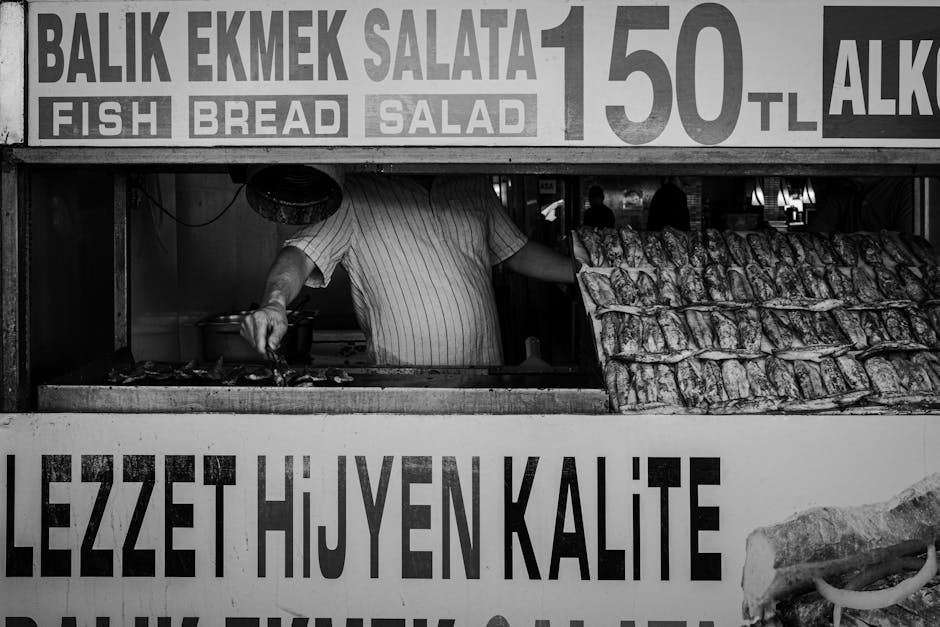
2. Balık Ekmek (Fish Sandwich)
n
A staple along the Eminönü waterfront, balık ekmek is a simple grilled mackerel sandwich served in a crusty roll with onions, lettuce, and a squeeze of lemon. Cooked on small boats turned kitchens, these sandwiches are smoky, oily, and deeply flavorful. They’re best enjoyed with your feet dangling over the water, watching ferries glide past.
nn
3. Iskender Kebab
n
Originating in Bursa but perfected in Istanbul, Iskender kebab features thinly sliced lamb served over diced pide bread, topped with tomato sauce and melted sheep’s milk butter. The dish is rich and aromatic, often accompanied by yogurt and a side of pickled vegetables. Look for traditional kebapçıs in neighborhoods like Kadıköy or Şişli.
nn
4. Meze
n
Meze are small plates meant for sharing, often served with rakı or wine. Think hummus, haydari (thick yogurt with herbs), patlıcan ezmesi (eggplant puree), and midye dolma (stuffed mussels). Meze turns a meal into an event, encouraging conversation and variety. In Istanbul, meze is especially popular in coastal districts like Ortaköy and Bebek.
nn
5. Lahmacun
n
Often called “Turkish pizza,” lahmacun is a thin, crispy flatbread topped with minced meat, onions, peppers, and spices. It’s rolled up and eaten by hand, usually with a squeeze of lemon and a sprig of parsley. It’s a favorite for lunch or a late-night snack, and you’ll find it at small bakeries and street stalls across the city.
nn
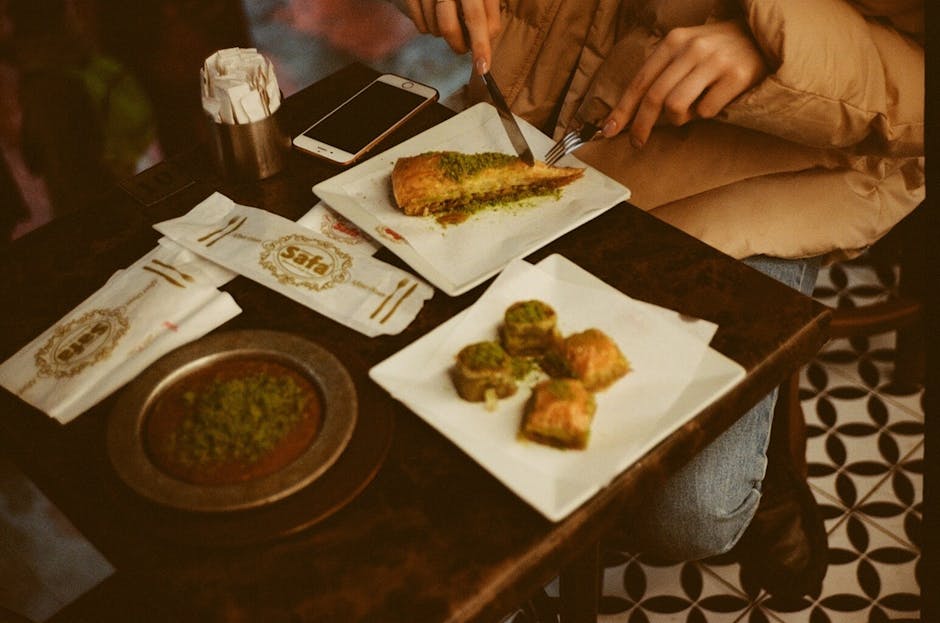
6. Baklava
n
No visit to Istanbul is complete without baklava. Layers of phyllo dough, nuts, and syrup create a dessert that’s both rich and delicate. The best versions use pistachios from Gaziantep and are made fresh daily. Try it at historic sweet shops like Karaköy Güllüoğlu or Hafız Mustafa.
nn
7. Turkish Breakfast
n
A Turkish breakfast is a feast. Expect white cheese (beyaz peynir), olives, tomatoes, cucumbers, boiled eggs, honey, clotted cream (kaymak), and fresh bread. Many cafes offer set menus, often with homemade jams and simit. It’s a leisurely affair—perfect for starting your day slowly.
nn
8. Manti
n
These tiny dumplings, filled with spiced meat and served with yogurt and garlic sauce, are a labor of love. Often called “Turkish ravioli,” manti are time-consuming to make, so they’re usually found in dedicated restaurants. The best versions are hand-rolled and served with a drizzle of melted butter and paprika.
nn
9. Döner
n
While döner is popular worldwide, Istanbul’s version is distinct. The meat is often lamb or beef, slow-roasted on a vertical spit, and served in a pide or as a plate with rice and salad. Avoid tourist-heavy areas for döner—local spots in neighborhoods like Üsküdar or Fatih offer better quality and value.
nn
10. Kadayıf
n
This shredded phyllo dessert can be served sweet or savory, but the sweet version—filled with nuts and soaked in syrup—is the most beloved. It’s often baked until golden and served warm. Look for it in dessert shops or as part of a meze spread.
nn
Where to Eat: Neighborhoods and Dining Styles
n
Istanbul is vast, and where you eat depends on what you’re craving. Different neighborhoods offer distinct experiences, from casual street food to refined dining.
nn
Kadıköy and Moda (Asian Side)
n
This vibrant area is a local favorite. The streets are lined with bakeries, fish markets, and casual eateries. Try the grilled seafood at Çiya Sofrası, a legendary spot known for regional Turkish dishes. The food here is bold, authentic, and often experimental.
nn
Karaköy and Galata
n
Once industrial, now trendy, this area blends old and new. Historic buildings house modern cafes and bakeries. Karaköy Güllüoğlu is a must for baklava, while nearby cafes serve excellent Turkish coffee and pastries. The Galata Tower area is also great for rooftop dining with Bosphorus views.
nn
Ortaköy and Bebek
n
These upscale waterfront neighborhoods are perfect for seafood and meze. Restaurants here often have outdoor seating, ideal for sunset dining. Ortaköy’s iconic mosque backdrop makes it a scenic spot for a fish sandwich or a glass of rakı.
nn
Eminönü and Sultanahmet
n
Touristy but essential. This is where you’ll find balık ekmek boats, simit carts, and historic hans (covered markets). While some spots cater to visitors, others remain authentic. Look for small kebab joints tucked away from the main plazas.
nn
Nişantaşı and Şişli
n
These central districts offer a mix of high-end restaurants and casual eateries. Nişantaşı is known for designer boutiques and chic cafes, while Şişli has a more local feel. Both are great for trying modern Turkish cuisine—think updated meze or fusion kebabs.
nn
Street Food: The Pulse of Istanbul’s Cuisine
n
Street food is where Istanbul’s culinary energy lives. It’s fast, affordable, and deeply rooted in daily life. Locals rely on it for breakfast, lunch, and late-night snacks.
nn
Top Street Foods to Try
n
- n
- Simit: Grab one from a street cart, ideally warm.
- Midye Dolma: Stuffed mussels with spiced rice, sold in paper cups.
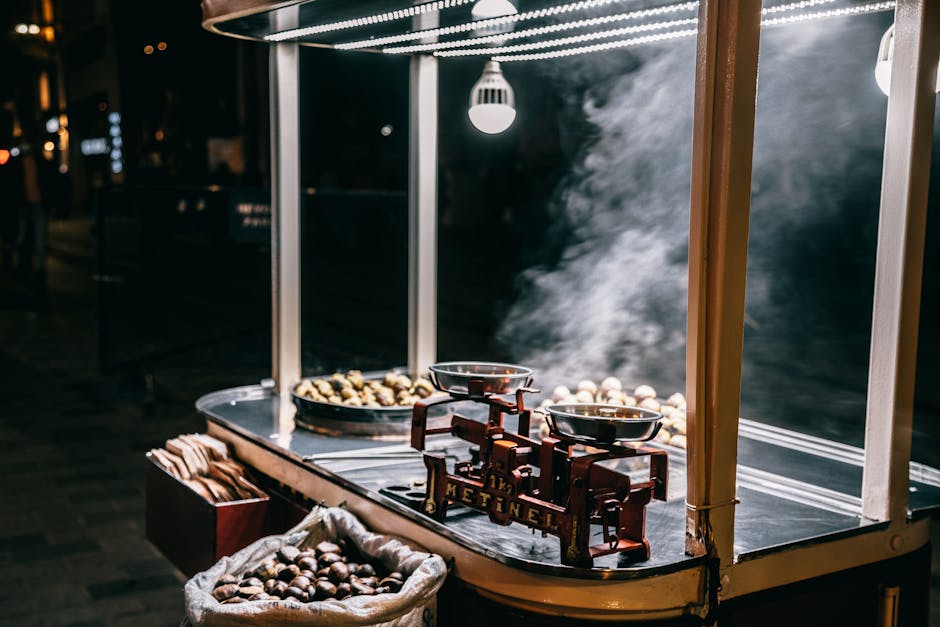
- Roasted Chestnuts: A winter favorite, especially near Taksim Square.
- Corn on the Cob: Grilled and sprinkled with salt, found in parks and squares.
- Gözleme: Thin savory pancakes filled with cheese, spinach, or potatoes, cooked on a sac (griddle).
- Kumpir: Baked potato stuffed with toppings like cheese, corn, sausage, and mayonnaise—popular in Ortaköy.
n
n
n
n
n
n
nn
Tips for Eating Street Food Safely
n
- n
- Choose busy stalls—high turnover means fresher food.
- Observe food handling: is the vendor using gloves or tongs?
- Avoid pre-cut fruit or unsealed drinks in very touristy areas.
- Drink bottled water, especially in summer.
- Carry hand sanitizer and wet wipes.
n
n
n
n
n
nn
Drinks: More Than Just Turkish Coffee
n
Food in Istanbul is incomplete without the right drink. While Turkish coffee is iconic, the city offers a wide range of beverages.
nn
Turkish Coffee
n
Slow-brewed in a cezve, Turkish coffee is thick, strong, and served with foam. It’s traditionally accompanied by a glass of water and a small sweet. Sip it slowly—it’s as much about ritual as taste.
nn
Turkish Tea (Çay)
n
Served in tulip-shaped glasses, çay is brewed strong and often sweetened. It’s available everywhere, from street carts to offices. Unlike coffee, tea is consumed throughout the day and is a symbol of hospitality.
nn
Rakı
n
Known as “lion’s milk,” rakı is an anise-flavored spirit that turns cloudy when mixed with water. It’s the national drink, typically enjoyed with meze and seafood. Best sipped slowly, over conversation.
nn
Ayran
n
This yogurt-based drink is refreshing and slightly salty. It’s the perfect accompaniment to spicy or greasy foods like kebabs and döner. Widely available in bottles or made fresh at restaurants.
nn
Boza
n
A fermented drink made from millet, boza is thick, slightly sour, and mildly alcoholic. It’s a winter specialty, sold from traditional carts in neighborhoods like Fatih. Often topped with cinnamon.
nn
Dining Etiquette: How to Eat Like a Local
n
Understanding local customs enhances your dining experience. Istanbulians value hospitality, conversation, and respect for food.
nn
General Tips
n
- n
- Meals are social: Eating alone is fine, but sharing is encouraged. Meze, in particular, is meant for groups.
- Tipping is appreciated: 10% is standard in restaurants. For street food or small vendors, rounding up is common.
- Remove shoes when entering some homes or traditional eateries: Look for a shoe rack at the entrance.
- Don’t rush: Meals unfold slowly. Even a quick kebab can turn into a 30-minute break.
- Use your right hand: Especially when eating with hands or passing food.
n
n
n
n
n
nn
What to Avoid
n
- n
- Don’t waste bread—it’s considered disrespectful.
- Avoid loud conversations in traditional settings.
- Don’t ask for substitutions in meze or set menus—trust the chef.
- Never pour your own rakı at a group dinner—wait to be served.
n
n
n
n
nn
Seasonal and Regional Specialties
n
Istanbul’s food changes with the seasons. Spring brings fresh herbs and vegetables; summer is for seafood and cold soups; autumn features roasted nuts and dried fruits; winter calls for warm stews and boza.
nn
Spring and Summer
n
- n
- Mercimek Çorbası: Red lentil soup, often served with mint and lemon.
- Şehriye Çorbası: Orzo soup with tomatoes and herbs.
- Grilled Fish: Sea bass, mackerel, and sardines are best in summer.
- Akdeniz Salatası: Mediterranean salad with tomatoes, cucumbers, and olive oil.
n
n
n
n
nn
Autumn and Winter
n
- n
- Karnıyarık: Stuffed eggplant with ground meat and tomatoes.
- İmam Bayıldı: Eggplant stuffed with onions, garlic, and tomatoes—served cold or at room temperature.
- Kuru Fasulye: White beans in tomato sauce, often eaten with rice and pickles.
- Boza and Salep: Warm, spiced drinks perfect for cold days.
n
n
n
n
nn
Vegetarian and Vegan Options
n
While Turkish cuisine is meat-heavy, vegetarian and vegan options are plentiful—especially in meze and vegetable dishes.
nn
Vegetarian-Friendly Dishes
n
- n
- Hummus and Baba Ghanoush: Widely available in meze restaurants.
- Patlıcan Ezmesi: Smoky eggplant puree.
- Zeytinyağlılar: Vegetables cooked in olive oil, served cold—like artichokes, green beans, and carrots.
- Gözleme: Often made with spinach, cheese, or potatoes.
- Mercimek Köftesi: Lentil balls, similar to vegan meatballs.
n
n
n
n
n
nn
Vegan Tips
n
- n
- Ask for “etsiz ve sütsüz” (no meat, no dairy) when ordering.
- Avoid dishes with yogurt or butter unless specified vegan.
- Look for vegan-friendly cafes in Kadıköy and Beyoğlu.
- Many meze are naturally vegan—just confirm ingredients.
n
n
n
n
nn
Food Markets: A Feast for the Senses
n
Markets are where Istanbul’s food culture comes alive. They’re not just for shopping—they’re for tasting, learning, and connecting.
nn
Grand Bazaar (Kapalıçarşı)
n
While primarily a shopping destination, the Grand Bazaar has hidden food gems. Look for spice stalls selling saffron, sumac, and Turkish delight. Some vendors offer free samples—don’t hesitate to try.
nn
Mısır Çarşısı (Egyptian Market)
n
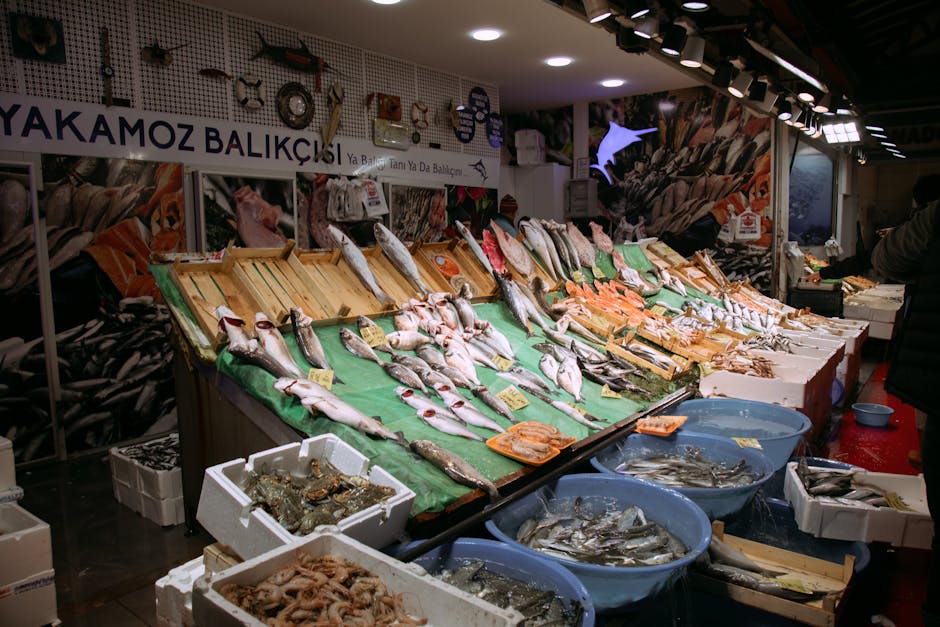
Located in Eminönü, this covered market is a food lover’s paradise. Stalls sell dried fruits, nuts, spices, olives, and lokum (Turkish delight). It’s also home to small eateries serving fresh seafood and meze.
nn
Kadıköy Market
n
This open-air market on the Asian side is more local than touristy. You’ll find fishmongers, cheese vendors, and bakeries. Try the fresh simit or a bowl of mercimek çorbası from a stall.
nn
Spice and Sweet Shops
n
Visit Hafız Mustafa for baklava, Turkish delight, and coffee. The shop has been operating since 1864 and offers beautifully packaged treats perfect for souvenirs.
nn
Budget vs. Fine Dining: What to Expect
n
Istanbul offers dining options for every budget. You can eat well without spending much—or splurge on a luxurious experience.
nn
Budget Eats
n
Related keywords: What to Eat in Istanbul Turkey Food Guide.

