

Best Street Food Cities in the World Travel Guide
For travelers who live for bold flavors, local ingredients, and authentic culinary experiences, the best street food cities in the world offer unforgettable meals at a fraction of restaurant prices. From bustling night markets to roadside carts tucked into narrow alleys, these destinations turn everyday eating into an adventure. Whether you’re craving spicy noodles in Bangkok, savory crepes in Paris, or smoky grilled meats in Mexico City, this guide highlights the top cities where street food isn’t just a snack—it’s a cultural cornerstone. We’ve evaluated each location based on variety, authenticity, affordability, and local popularity to bring you a practical, traveler-focused ranking.
Why Street Food Defines a City’s Culinary Identity
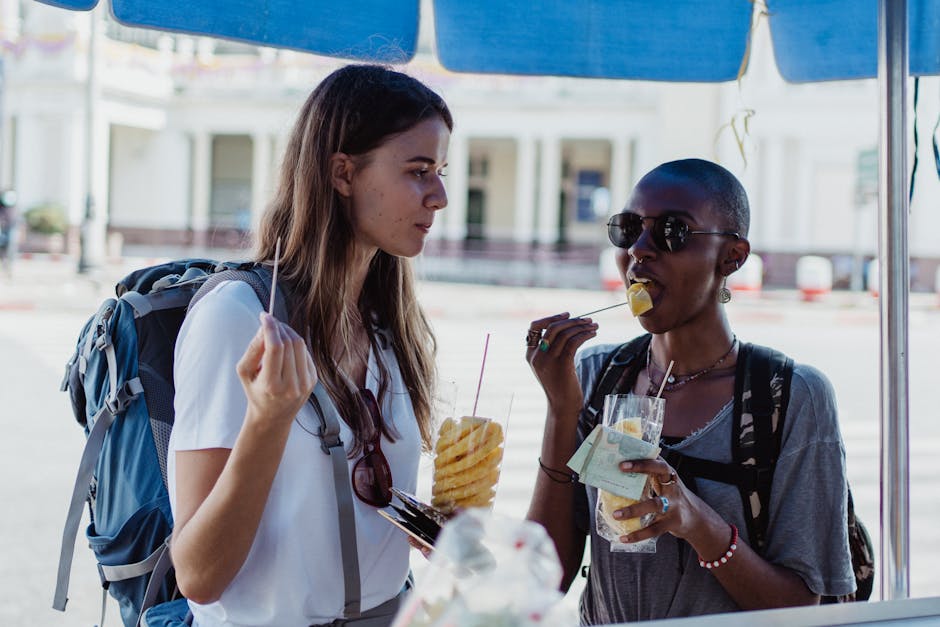
Street food is more than quick bites on the go—it reflects centuries of tradition, migration, and local agriculture. In many cities, street vendors are the keepers of recipes passed down through generations, often using family techniques and regional produce. Unlike high-end restaurants that cater to tourists or global trends, street food stalls serve the daily diet of locals, making them a reliable indicator of a city’s true flavor profile. Eating street food also supports small-scale entrepreneurs and offers a direct connection to daily life, far removed from curated tourist experiences.
That said, not all street food is created equal. Hygiene standards, ingredient sourcing, and preparation methods vary widely. The best street food cities maintain a balance between accessibility and safety, often backed by municipal regulations or community oversight. Travelers should look for busy stalls with high turnover—this usually means fresher ingredients and greater confidence from locals.
Top 10 Best Street Food Cities in the World
Below are the ten cities that consistently deliver exceptional street food experiences. Each destination stands out for its diversity, flavor intensity, and cultural significance.
1. Bangkok, Thailand
Bangkok is arguably the global capital of street food, with over 50,000 vendors operating across the city. The aroma of sizzling woks, lemongrass, and fish sauce fills the air from early morning until late night. Iconic dishes include pad thai, som tam (green papaya salad), and mango sticky rice. The city’s Chinatown district, Yaowarat, is a must-visit, especially after dark when the streets transform into a neon-lit food bazaar.
One key advantage in Bangkok is the visibility of food preparation—most dishes are cooked to order in front of customers, reducing the risk of contamination. The government has also implemented vendor licensing and hygiene training programs in recent years, improving overall safety without sacrificing authenticity.
2. Mexico City, Mexico
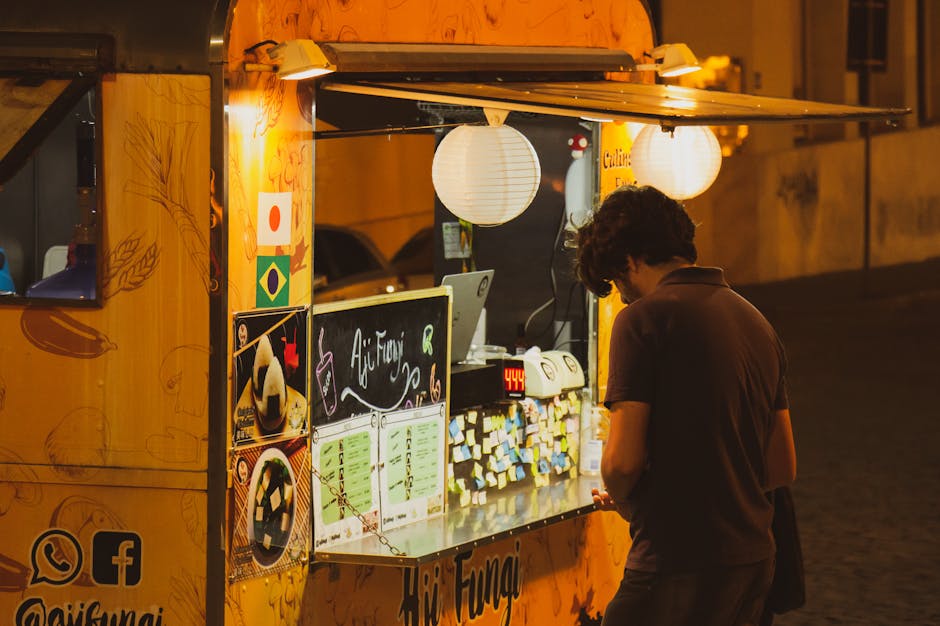
Mexico City’s street food scene is deeply rooted in pre-Hispanic traditions and Spanish influence. Tacos al pastor—marinated pork cooked on a vertical spit—are a local favorite, often served with pineapple, cilantro, and onions on small corn tortillas. Other staples include tlayudas (Oaxacan-style giant tortillas), elote (grilled corn with mayo, cheese, and chili), and quesadillas filled with Oaxaca cheese and squash blossoms.
Street food here is not only delicious but also deeply social. Vendors often operate from fixed stalls in public squares or near metro stations, creating communal dining spaces where office workers, students, and families gather. The city’s informal food economy supports thousands of families, making street food both a cultural and economic pillar.
3. Istanbul, Turkey
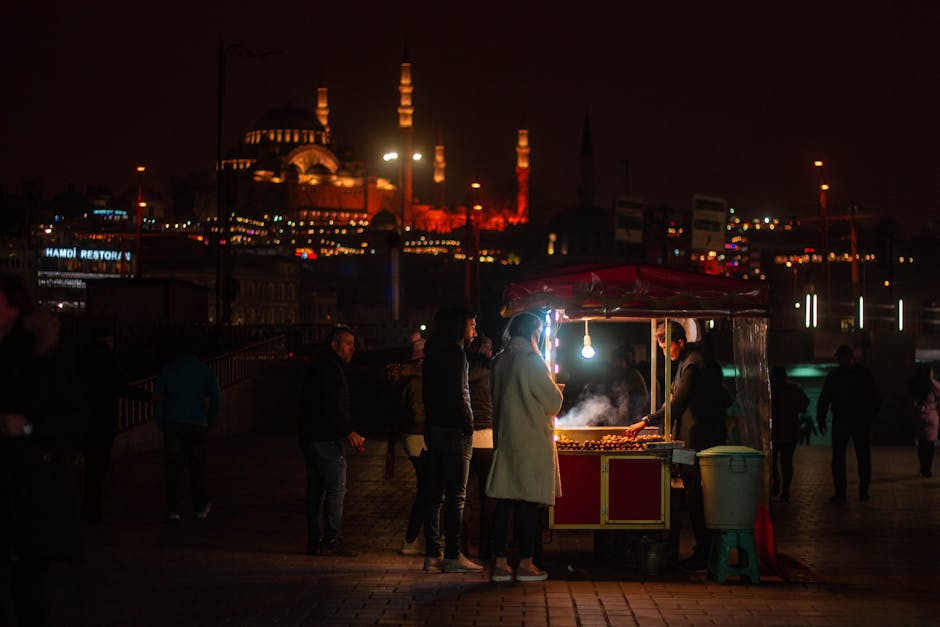
Istanbul’s street food blends Ottoman, Central Asian, and Middle Eastern influences. Simit (sesame-crusted bread rings), balık ekmek (grilled fish sandwiches), and döner kebab are widely available and deeply satisfying. The Eminönü district along the Golden Horn is a hotspot, especially for fresh fish caught that morning and served on crusty bread with lettuce and onions.
One unique feature is the prevalence of mobile vendors—donkey carts, bicycles, and small boats that bring food directly to busy neighborhoods and ferry docks. This adaptability ensures that even in a sprawling metropolis, fresh food is never more than a few minutes away.
4. Ho Chi Minh City, Vietnam
Vietnamese street food is celebrated for its balance of sweet, sour, salty, and spicy flavors. In Ho Chi Minh City, pho (beef noodle soup), banh mi (baguette sandwiches), and bun cha (grilled pork with noodles) are everyday staples. The city’s humid climate and vibrant nightlife make street food a central part of urban culture, with many vendors operating well past midnight.
What sets Ho Chi Minh City apart is the speed and efficiency of service. Meals are prepared in minutes, often at tiny stalls no larger than a closet. Despite the informal setup, food safety is generally high due to rapid turnover and visible cooking processes.
5. Mumbai, India
Mumbai’s street food is a riot of textures and spices. Vada pav (spiced potato fritters in a bun), pav bhaji (vegetable mash with buttered bread), and pani puri (crispy hollow shells filled with flavored water) are beloved by locals and visitors alike. The city’s fast pace means food is designed for quick consumption, often eaten while walking or standing.
One challenge for travelers is the spice level—many dishes are intensely hot. First-time visitors should start with milder options and gradually build tolerance. Also, stick to stalls that use bottled or filtered water, especially for items like pani puri, where hygiene is critical.
6. Tokyo, Japan
While Tokyo is known for its high-end sushi and kaiseki, its street food scene is equally impressive—though more subtle in presentation. Takoyaki (octopus balls), yakitori (grilled chicken skewers), and taiyaki (fish-shaped pastries filled with red bean) are popular at festivals and in neighborhoods like Shibuya and Harajuku.
Tokyo’s street food stands out for its cleanliness and precision. Vendors often wear gloves, use separate utensils for raw and cooked items, and maintain spotless cooking areas. This attention to detail makes it one of the safest cities for street food, even for sensitive stomachs.
7. Marrakech, Morocco
The Jemaa el-Fnaa square in Marrakech transforms at sunset into a sprawling open-air food court. Here, you’ll find grilled lamb skewers, harira soup, mint tea, and sweet msemen ( layered pancakes). The sensory experience—smoke, music, and crowds—is as much a part of the meal as the food itself.
One tip for visitors: arrive after 7 p.m. when the square is fully active. Daytime offerings are limited, and the real magic happens under the stars. Also, observe which stalls are busiest—locals know where the best food is.
8. New York City, USA
New York’s street food is a melting pot of global influences. Halal carts serving chicken and rice, dollar pizza slices, and knishes from historic delis are iconic. In recent years, food trucks have expanded the scene with gourmet tacos, Korean BBQ, and vegan options.
Unlike many international cities, New York’s street food is highly regulated. Vendors must obtain permits and pass health inspections, which helps maintain quality. However, prices are higher than in Asian or Latin American cities, and portions can be smaller.
9. Bangkok, Thailand (Revisited for Depth)
While Bangkok already ranks first, it deserves special mention for its night markets. The Chatuchak Weekend Market and Rod Fai Market offer not only food but also a glimpse into Thai social life. Try kai yang (grilled chicken), kuay teow (rice noodle soup), or roti gluay (banana pancakes) while browsing vintage clothes and handmade crafts.
Travelers should note that some night markets operate only on weekends or specific days. Planning ahead ensures you don’t miss out.
10. Lisbon, Portugal
Lisbon’s street food scene is growing, blending traditional Portuguese flavors with modern twists. Pastéis de nata (custard tarts), bifana (pork sandwiches), and chouriço (grilled sausage) are widely available. The city’s hilly terrain means food carts are often found at viewpoints or near tram stops, offering scenic backdrops to meals.
One advantage is the use of fresh, local ingredients—seafood, olive oil, and seasonal vegetables. Lisbon also benefits from EU food safety standards, giving travelers added peace of mind.
How to Eat Street Food Safely While Traveling
Enjoying street food doesn’t have to come with stomach troubles. Follow these practical tips to minimize risk:
- Choose busy stalls: High customer turnover usually means fresher food and better hygiene.
- Watch the cooking process: Prefer items cooked to order in front of you, especially meats and seafood.
- Avoid raw ingredients: Salads, unpeeled fruits, and ice made from tap water can be risky in some regions.
- Carry hand sanitizer: Use before eating, especially if you’re eating with your hands.
- Stay hydrated with sealed bottles: Dehydration can worsen foodborne illness.
If you do get sick, rest, stay hydrated, and seek medical help if symptoms persist beyond 48 hours. Most cases of traveler’s diarrhea are mild and resolve on their own.
Comparing Street Food Scenes: A Snapshot
Below is a quick comparison of key factors across five top street food cities:
| City | Signature Dish | Avg. Meal Cost (USD) | Safety Level | Best Time to Visit |
|---|---|---|---|---|
| Bangkok | Pad Thai | $2–$4 | High | Evening |
| Mexico City | Tacos al Pastor | $1–$3 | Moderate to High | Lunch or late night |
| Istanbul | Balık Ekmek | $3–$5 | High | Evening |
| Ho Chi Minh City | Banh Mi | $1–$2 | Moderate | Morning or night |
| Tokyo | Takoyaki | $3–$6 | Very High | Afternoon or evening |
Cultural Etiquette and Local Tips
Respecting local customs enhances your street food experience. In Thailand, it’s polite to eat with a fork and spoon, not chopsticks. In Mexico, don’t ask for cheese on tacos al pastor—it’s considered inauthentic. In Japan, avoid walking while eating; many vendors expect you to stand or sit nearby.
Learning a few phrases in the local language—like “How much?” or “No spicy, please”—goes a long way. Vendors appreciate the effort, and it often leads to friendlier service or small discounts.
Final Thoughts: Why These Cities Stand Out
The best street food cities in the world share common traits: deep culinary traditions, vibrant public spaces, and a culture that values food as a daily ritual. They offer more than just meals—they provide insight into how people live, work, and connect. Whether you’re a first-time traveler or a seasoned foodie, these destinations promise flavors that linger long after the trip ends.
Plan your visit around local food festivals or market days for the fullest experience. And remember: the best street food isn’t always the most famous—it’s the one served with pride, prepared fresh, and enjoyed by locals.
FAQ
Is street food safe to eat in foreign countries?
Yes, in most cases—especially in cities with high tourist traffic and local oversight. Choose busy stalls, avoid raw ingredients, and observe food handling practices. When in doubt, stick to fully cooked, hot meals.
What should I do if I get sick from street food?
Rest, drink plenty of safe fluids, and avoid dairy and caffeine. Over-the-counter medications like loperamide can help with diarrhea. Seek medical attention if symptoms worsen or last more than two days.
How can I find the best street food spots as a tourist?
Ask locals, hotel staff, or use apps like Google Maps to find highly rated stalls. Look for places with long lines of locals—this is often the best indicator of quality and authenticity.

