
What to Eat in Paris France Food Guide
{
“content_html”: “
What to Eat in Paris France Food Guide
n
Paris is a global capital of culinary excellence, and knowing what to eat in Paris France is essential for any visitor seeking an authentic taste of the city. From buttery croissants at sunrise to rich coq au vin at dusk, the Parisian food scene blends tradition, technique, and seasonal ingredients into unforgettable meals. This guide covers must-try dishes, where to find them, and how to dine like a local—without falling into tourist traps. Whether you’re planning a romantic dinner, a casual bistro lunch, or a market food crawl, this comprehensive food guide will help you navigate Paris’s diverse and delicious offerings with confidence.
nn
Classic French Dishes You Must Try in Paris
n
Parisian cuisine is rooted in time-honored recipes that reflect the country’s regional diversity and culinary precision. These dishes are not just meals—they’re cultural experiences. Start your culinary journey with these iconic French foods, each representing a cornerstone of the Parisian table.
nn
Coq au Vin
n
A rustic yet refined dish, coq au vin features chicken braised slowly in red wine—traditionally Burgundy—with mushrooms, lardons, and pearl onions. The result is tender meat infused with deep, earthy flavors. You’ll find it on menus at traditional bistros like Le Comptoir du Relais in Saint-Germain, where the dish is served with buttery mashed potatoes or crusty bread for soaking up the sauce.
nn
Boeuf Bourguignon
n
Similar in technique to coq au vin, boeuf bourguignon is beef slow-cooked in red wine with carrots, onions, and herbs. This hearty stew is a winter favorite, but many Parisian restaurants serve it year-round. Look for it at La Tour d’Argent or neighborhood spots like Chez Janou, where it’s often paired with a glass of Côtes du Rhône.
nn
Escargots de Bourgogne
n
Snails cooked in garlic-parsley butter may sound adventurous, but escargots are a beloved French appetizer. Served in their shells and typically eaten with a special fork and tongs, they’re rich, savory, and surprisingly mild. Try them at Le Procope, one of Paris’s oldest restaurants, or at Le Petit Pontoise for a more intimate setting.
nn
Steak Frites
n
Simple but satisfying, steak frites consists of a grilled steak—usually entrecôte or hanger steak—served with golden, crispy French fries. The key is the sauce: béarnaise, peppercorn, or simple shallot butter. For an elevated version, visit Le Baratin in Belleville, where the fries are hand-cut and double-fried.
nn
Confit de Canard
n
Duck leg slow-cooked in its own fat until meltingly tender, confit de canard is a specialty of southwestern France but widely available in Paris. The skin is crisped to perfection and often served with garlic potatoes or lentils. L’Ami Jean offers a legendary version that draws crowds, so reservations are recommended.
nn
Parisian Street Food and Quick Bites
n
Not every great meal in Paris requires a reservation or a three-hour sit-down. The city’s street food and casual eateries offer quick, delicious options for travelers on the go. These bites capture the essence of French flavor without the formality.
nn
Crêpes
n
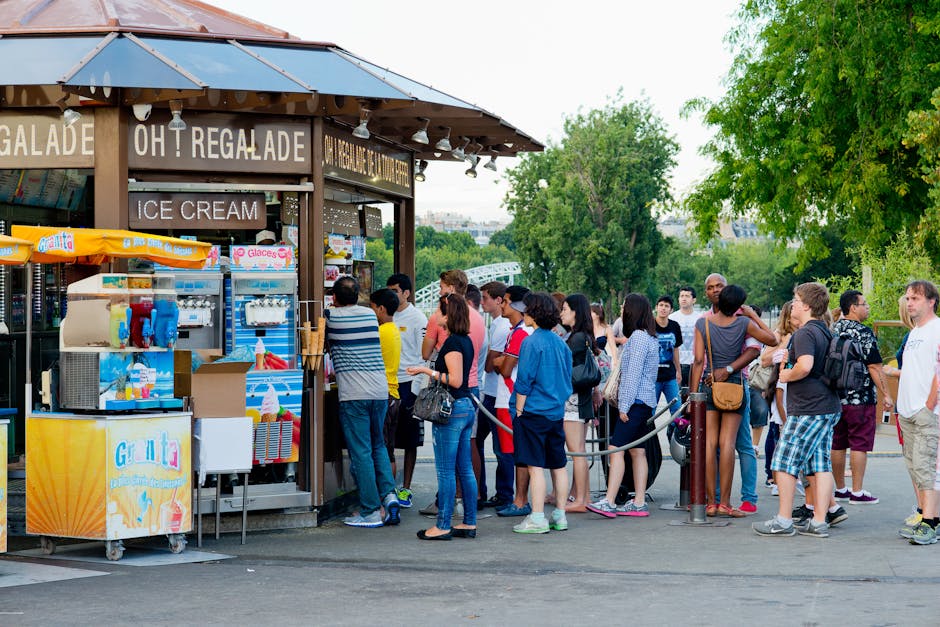
Whether sweet or savory, crêpes are a staple of Parisian street food. Thin, delicate pancakes made from wheat or buckwheat flour are filled with ingredients like Nutella, sugar and lemon, ham and cheese, or mushrooms and cream. Look for stands in Montmartre or along the Seine, especially near Pont Neuf. Breizh Café is a modern favorite, known for high-quality ingredients and creative combinations.
nn
Sandwich Jambon-Beurre
n
The humble jambon-beurre—a baguette split and filled with ham and butter—is a Parisian lunch icon. It’s simple, satisfying, and best enjoyed fresh from a local boulangerie. Try it at Du Pain et des Idées in the 10th arrondissement, where the bread is baked daily using traditional methods.
nn
Falafel in the Marais
n
While not French in origin, falafel has become a beloved part of Parisian street food culture, especially in the Marais district. L’As du Fallafel on Rue des Rosiers is legendary, serving crispy chickpea balls in a pita with tahini, pickles, and vegetables. Expect lines, but the wait is usually worth it.
nn
Macarons
n
These delicate, colorful almond meringue cookies with ganache or fruit fillings are a Parisian confectionery staple. While Ladurée and Pierre Hermé are the most famous names, smaller patisseries like Jean-Paul Hévin and Des Gâteaux et du Pain offer equally exquisite versions with seasonal flavors.
nn
Breakfast and Café Culture in Paris
n
Parisians take their morning rituals seriously, and breakfast—while often modest—is an important part of the day. The city’s café culture is as much about atmosphere as it is about food.
nn
Classic French Breakfast
n
A traditional Parisian breakfast includes a croissant or pain au chocolat, a café crème (similar to a latte), and sometimes a tartine—a slice of baguette with butter and jam. You’ll find this combo at nearly every café, but quality varies. Seek out bakeries with “boulangerie” in the name and look for the “Boulangerie de Qualité” label, indicating adherence to traditional baking standards.
nn
Croissants and Pain au Chocolat
n
A good croissant should be flaky, buttery, and slightly crisp on the outside with a soft, airy interior. The best are made with 82% butter and laminated dough. Gontran Cherrier and Blé Sucré are known for exceptional viennoiseries. Avoid pre-packaged versions sold in tourist areas—they’re often stale and mass-produced.
nn
Coffee Culture
n
While Paris isn’t known for specialty coffee like Melbourne or Seattle, the scene is evolving. Third-wave cafés such as Trois Cafés Gourmands and Coutume Café serve expertly brewed espresso and pour-overs. That said, most Parisians prefer a quick espresso at the bar, standing—a habit rooted in efficiency and tradition.
nn
Markets and Food Halls: Where to Eat Like a Local
n
For a true taste of Parisian life, visit its markets and food halls. These spaces offer fresh produce, artisanal products, and ready-to-eat meals, all in vibrant, authentic settings.
nn
Marché des Enfants Rouges
n
Paris’s oldest covered market, located in the Marais, features stalls selling Moroccan tagines, Italian pasta, Japanese bento, and French cheeses. It’s a great spot for a diverse, affordable lunch. Try the duck confit sandwich at Chez Alain Miam Miam—a local favorite.
nn
Marché d’Aligre
n
This lively market in the 12th arrondissement combines fresh produce, flowers, and food stalls. The adjacent Marché Beauvau offers cooked dishes like oysters, charcuterie, and quiches. Visit in the morning for the best selection.
nn
La Grande Épicerie de Paris
n
Located near the Seine, this upscale food hall inside the Le Bon Marché department store offers gourmet products from France and around the world. It’s ideal for picking up picnic supplies or souvenirs like foie gras, truffle oil, or macarons.
nn
Dining Out: Bistros, Brasseries, and Fine Dining
n
Paris offers a wide range of dining experiences, from casual bistros to Michelin-starred restaurants. Understanding the differences helps you choose the right setting for your meal.
nn
Bistros vs. Brasseries
n
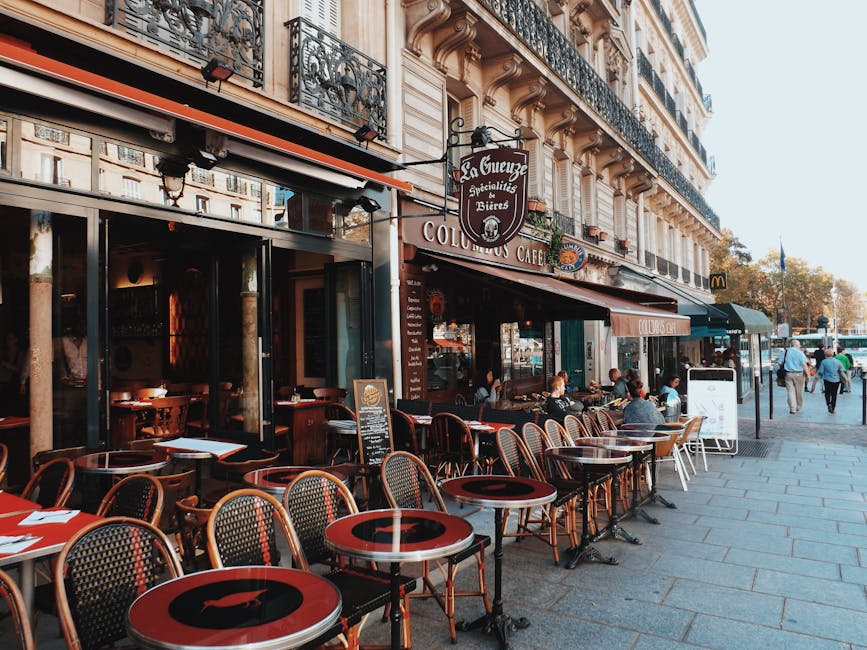
Bistros are typically small, neighborhood-focused restaurants offering seasonal menus and a cozy atmosphere. They often have limited seating and may not serve food after 9:30 PM. Brasseries, by contrast, are larger, open late, and serve a fixed menu all day. They’re great for a late-night steak frites or seafood platter.
nn
Fine Dining in Paris
n
Paris is home to some of the world’s most celebrated chefs and restaurants. While Michelin-starred venues like Epicure and Arpège require reservations months in advance, many offer lunch menus at more accessible prices. Look for “menu découverte” or “formule déjeuner” for a multi-course tasting menu at a reduced cost.
nn
Vegetarian and Vegan Options
n
Vegetarian dining in Paris has improved significantly in recent years. Restaurants like Le Potager du Marais (vegan bistro) and Wild & The Moon (plant-based café) offer creative, flavorful dishes. Many traditional bistros now include vegetarian options, such as vegetable tarts or lentil stews, but it’s wise to call ahead or check menus online.
nn
Wine and Drinks: What to Sip in Paris
n
No meal in Paris is complete without a drink. The city’s wine culture is deeply ingrained, but non-alcoholic options are also widely available.
nn
French Wine
n
Parisians favor wine over beer or spirits, and a bottle of red, white, or rosé often accompanies dinner. House wines (“vin du marchand”) are usually affordable and of good quality. Ask for a “pichet” for a carafe of house wine, typically from regions like Bordeaux, Burgundy, or the Loire Valley.
nn
Apéritif Culture
n
The apéritif—a pre-dinner drink to stimulate the appetite—is a cherished ritual. Common choices include kir (white wine with crème de cassis), pastis, or a simple glass of champagne. Many cafés offer “apéro” platters with charcuterie, olives, and cheese for sharing.
nn
Non-Alcoholic Options
n
For those avoiding alcohol, Paris offers excellent alternatives. Try a “sirop” (fruit syrup) mixed with sparkling water, available at cafés and markets. Freshly squeezed orange juice or herbal teas are also popular.
nn
Seasonal and Regional Specialties
n
Parisian menus change with the seasons, reflecting France’s rich agricultural traditions. Knowing what’s in season helps you choose the freshest, most flavorful dishes.
nn
Spring and Summer
n
In warmer months, look for dishes featuring asparagus, strawberries, tomatoes, and fresh herbs. Salads like salade niçoise or salade de chèvre chaud (warm goat cheese salad) are common. Seafood, especially oysters and mussels, is also popular.
nn
Autumn and Winter
n
Colder months bring heartier fare: game meats, root vegetables, and rich stews. Truffles appear on menus from December to March, often shaved over pasta or eggs. Chestnuts and clementines are seasonal treats, especially around the holidays.
nn
Food Tours and Cooking Classes
n
For a deeper dive into Parisian cuisine, consider joining a food tour or cooking class. These experiences offer insight into local ingredients, techniques, and traditions.
nn
Guided Food Tours
n
Companies like Paris by Mouth and Context Travel offer small-group tours led by food experts. Routes might include cheese tastings, market visits, or pastry workshops. Tours typically last 3–4 hours and include multiple tastings.
nn
Cooking Classes
n
Learn to make French classics at schools like La Cuisine Paris or Le Foodist. Classes range from 3-hour beginner sessions to multi-day intensive courses. Many include market visits and wine pairings.
nn
Tips for Eating in Paris
n
To make the most of your culinary adventure, keep these practical tips in mind.
nn
- n
- Make reservations: Popular restaurants book up quickly, especially for dinner. Use platforms like LaFourchette or call directly.
- Learn basic French phrases: “Bonjour,” “s’il vous plaît,” and “l’addition, s’il vous plaît” go a long way.
- Tip appropriately: Service charge is included in the bill, but leaving €1–2 in cash is customary for good service.
- Avoid tourist traps: Steer clear of restaurants with menus in multiple languages or pictures of food. Look for places filled with locals.
- Eat dinner late: Parisians typically dine after 8 PM. Restaurants may not serve food before 7:30 PM.
n
n
n
n
n
nn
Comparison of Parisian Dining Establishments
n
| Type | Atmosphere | Typical Hours | Price Range | Best For |
|---|---|---|---|---|
| Bistro | Intimate, neighborhood-focused | 12–2 PM, 7:30–9:30 PM | €€ | Traditional French dishes |
| Brasserie | Lively, open layout | All day, often until 12 AM | €€ | Late meals, seafood, group dining |
| Patisserie | Elegant, display-focused | 7 AM–7 PM | € | Pastries, desserts, coffee |
| Food Market | Crowded, vibrant | 8 AM–2 PM (weekends) | €–€€ | Fresh produce, street food |
nn
Conclusion
n
Knowing what to eat in Paris France means embracing the city’s culinary traditions while staying open to modern interpretations and global influences. From iconic dishes like coq au vin and escargots to casual crêpes and market falafel, Paris offers a food experience for every palate and budget. By dining where locals eat, respecting meal times, and trying seasonal specialties, you’ll not only taste the best of French cuisine—you’ll live it. Whether you’re sipping wine at a sidewalk café or learning to make soufflé in a cooking class, every bite tells a story of culture, craft, and passion.
nn
FAQ
n
What is the best time to eat dinner in Paris?
nMost Parisians eat dinner after 8 PM, and many restaurants don’t serve food before 7:30 PM. For the best experience, aim for 8:30–9:30 PM.
nn
Do I need to tip at restaurants in Paris?
nService charge is included in the bill, but it’s customary to leave €1–2 in cash for good service, especially at casual eateries.
nn
Are

