
Best Travel Adapters for International Travel: A Practical Guide
Best Travel Adapters for International Travel: A Practical Guide
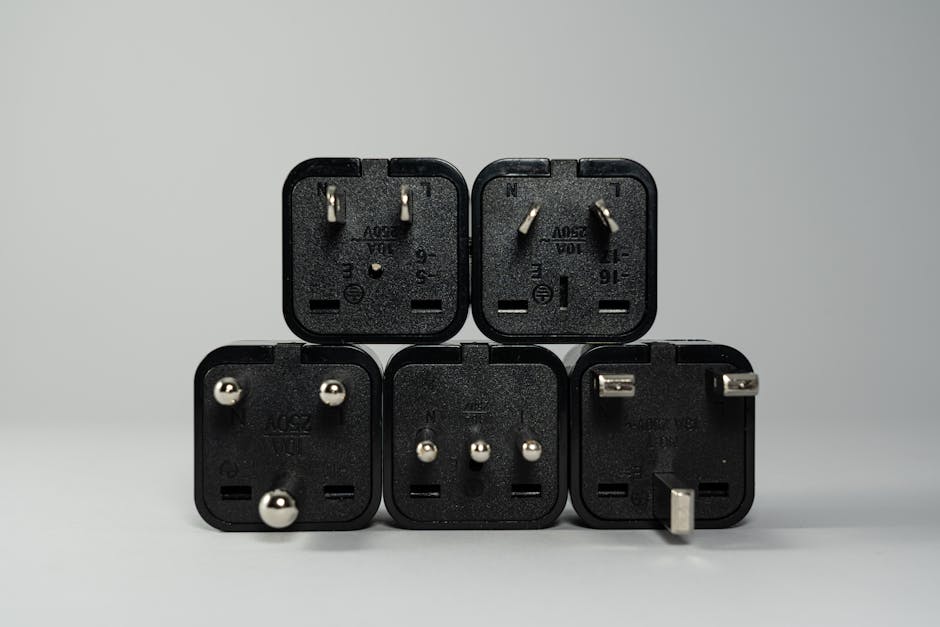
Choosing the best travel adapters for international travel can mean the difference between staying connected and being left powerless abroad. With over 15 different plug types used worldwide—ranging from Type A in the U.S. to Type G in the U.K.—travelers need reliable, versatile solutions. The right adapter ensures your phone, laptop, camera, and other essentials stay charged across borders. This guide breaks down what to look for, compares top models, and helps you avoid common pitfalls so you can pack smart and travel confidently.
Why You Need a Travel Adapter (and Why It’s Not Just About Plugs)
Many travelers confuse adapters with converters or voltage transformers. A travel adapter simply changes the physical shape of your plug to fit foreign outlets—it does not convert voltage. If your device isn’t dual-voltage (most modern electronics like smartphones and laptops are), using only an adapter in a high-voltage country could damage your gear.
For example, a U.S. laptop (110–120V) plugged into a 230V outlet in Germany via an adapter alone risks overheating or failure. Always check your device’s label or manual for voltage compatibility before traveling. If it lists “100–240V,” you’re safe with just an adapter. If not, you’ll also need a converter—but note that converters are bulky, expensive, and often unnecessary for short trips with compatible devices.

Key Features to Look for in a Travel Adapter
Not all adapters are created equal. When shopping, prioritize these essential features:
- Universal Compatibility: Covers all major plug types (A, B, C, D, E, F, G, I, J, L, M) used in Europe, Asia, Africa, Australia, and the Americas.
- Compact and Lightweight Design: Should fit easily in carry-on luggage without adding bulk.
- Built-in USB Ports: Allows charging multiple devices (phone, tablet, power bank) without occupying outlet space.
- Surge Protection: Shields electronics from power spikes in regions with unstable electricity.
- Indicator Lights: Confirms power is flowing and the adapter is functioning properly.
- Durable Construction: Look for reinforced prongs and heat-resistant materials.
Top 5 Best Travel Adapters for International Travel in 2024
After evaluating dozens of models based on reliability, design, and real-world usability, here are five standout options that balance performance and value.
1. Epicka Universal Travel Adapter
The Epicka is a favorite among frequent flyers for its all-in-one design. It supports plug types in over 150 countries, including the U.S., U.K., EU, Australia, and Japan. It includes four USB-A ports and one USB-C port, enabling simultaneous charging of five devices. The foldable prongs make it compact, and the built-in fuse adds basic surge protection. At under $25, it’s an excellent budget-friendly choice for multi-country trips.
2. Zendure Passport Pro II
Designed for tech-savvy travelers, the Zendure Passport Pro II offers fast charging via USB-C PD (Power Delivery) up to 65W—enough to charge a MacBook Air. It covers 200+ countries and features a slide-out plug system that switches between four configurations (U.S., U.K., EU, AU). The rugged shell and 10A fuse provide solid protection. Priced around $50, it’s ideal for those who prioritize speed and durability.
3. Ceptics World Travel Adapter Kit
This set includes five separate adapters, each tailored to specific regions (Europe, UK, USA, Australia, and Asia). While less compact than all-in-one units, it offers precise fit and reduced wobble in outlets—a common issue with universal designs. Each adapter has dual USB ports. Best for travelers visiting one or two regions repeatedly. The kit costs about $30 and comes with a travel pouch.
4. OREI World Travel Adapter with Surge Protection
OREI’s model stands out for its integrated surge protector, which is rare in this category. It works in 150+ countries and includes three USB-A ports. The prongs are sturdy and retractable, and the unit has a power indicator. At $35, it’s a smart pick for destinations with unreliable power grids, like parts of Southeast Asia or South America.
5. Skross World Travel Adapter Pro
Made in Switzerland, Skross emphasizes precision engineering. The Pro model supports all major plug types and includes two USB-A ports. Its slim profile fits snugly in tight spaces, and the build quality feels premium. While pricier at $45, it’s a reliable long-term investment for business travelers or digital nomads.
Compact Comparison of Top Travel Adapters
| Model | Countries Covered | USB Ports | Surge Protection | Price Range |
|---|---|---|---|---|
| Epicka Universal | 150+ | 4 USB-A, 1 USB-C | Basic fuse | $20–$25 |
| Zendure Passport Pro II | 200+ | 2 USB-A, 1 USB-C PD | 10A fuse | $45–$55 |
| Ceptics Kit (5 adapters) | Region-specific | 2 USB-A per adapter | No | $28–$32 |
| OREI with Surge Protection | 150+ | 3 USB-A | Yes | $30–$38 |
| Skross Pro | 160+ | 2 USB-A | No | $40–$50 |
How to Use a Travel Adapter Safely
Safety should always come first. Follow these steps to avoid electrical mishaps:
- Check your device’s voltage rating. Look for “Input: 100–240V” on the charger or device. If it says only “110V” or “120V,” do not use it in 220–240V countries without a converter.
- Test the adapter before packing. Plug it into a compatible outlet at home to ensure all ports work and the indicator light turns on.
- Avoid daisy-chaining adapters. Never plug one adapter into another—this can cause overheating or fire.
- Unplug during storms or when not in use. Power surges are more common in developing regions.
- Use grounded outlets when possible. Some adapters support grounding (like Type B or F), which offers better protection for sensitive electronics.
Common Mistakes to Avoid
- Assuming all adapters work everywhere. A “universal” adapter may not fit snugly in older European outlets or Australian sockets with safety shutters.
- Overloading USB ports. Charging a laptop, tablet, and phone simultaneously can exceed the adapter’s wattage limit, causing slow charging or shutdowns.
- Buying cheap knockoffs. Unbranded adapters from market stalls or unknown online sellers often lack safety certifications (like CE, FCC, or RoHS) and may pose fire risks.
- Ignoring country-specific quirks. For example, Italy uses Type L, which differs from standard European Type C. Ireland and Malta use Type G (same as the U.K.), while Cyprus uses both G and F.
Packing Tips for International Travelers
Efficient packing starts with knowing your itinerary. If you’re visiting multiple countries, a single universal adapter is more practical than carrying several. Store the adapter in your carry-on, not checked luggage, in case you need to charge devices during layovers.
Pair your adapter with a compact power strip (ensure it’s compatible with local voltage) if you’re staying in hotels with limited outlets. For long-term stays, consider a regional adapter specific to your destination—it’s often smaller and more reliable.
Always carry a backup. Adapters can break, get lost, or be left behind. A $15 spare can save you from being stranded without a phone in a foreign city.
Where to Buy Travel Adapters
Reputable retailers include Amazon, Best Buy, REI, and specialty travel stores like TravelSmith or Eagle Creek. Avoid airport kiosks, where prices are often 2–3x higher. Check for warranties—brands like Zendure and Skross offer 18–24 month coverage. Read recent reviews to catch any design flaws or batch issues.
Final Thoughts: Choosing the Right Adapter for Your Trip
The best travel adapters for international travel combine versatility, safety, and convenience. For most travelers, the Epicka or Zendure models offer the best balance of features and price. If you’re visiting a single region, a dedicated adapter like those from Ceptics may be more reliable. Always prioritize certified products, verify voltage compatibility, and test before you go.
FAQ
Q: Can I use a travel adapter to charge my laptop internationally?
A: Yes, if your laptop charger supports 100–240V (most modern ones do). The adapter only changes the plug shape—it doesn’t convert voltage. Always check the charger’s input rating first.
Q: Do I need a different adapter for each country?
A: Not necessarily. Universal adapters work in most countries, but some regions (like Italy or South Africa) use unique plug types. Check your destinations and choose an adapter that covers them all.
Q: Are USB ports on travel adapters safe for fast charging?
A: Yes, if the adapter supports the required output (e.g., 5V/2.4A or USB-C PD). Models like the Zendure Passport Pro II enable fast charging for compatible devices, but cheaper adapters may charge slowly.

