
Travel Safety Checklist Complete Guide
“
Travel Safety Checklist Complete Guide
Whether you’re planning a weekend getaway or a month-long international adventure, having a reliable travel safety checklist can make the difference between a smooth trip and a stressful one. This complete guide walks you through essential precautions, from pre-departure planning to on-the-ground awareness, so you can travel with confidence. We cover documentation, health, packing, transportation, accommodation, and emergency preparedness—all designed to help you avoid common risks and respond effectively if something goes wrong.
Why a Travel Safety Checklist Matters
Traveling exposes you to unfamiliar environments, local laws, health risks, and unpredictable situations. A well-prepared traveler isn’t just lucky—they’re informed and organized. According to the U.S. Department of State, thousands of travelers face emergencies abroad each year, ranging from lost passports to medical crises. Many of these incidents could be mitigated with proper planning.
A comprehensive travel safety checklist helps you anticipate risks before they become problems. It ensures you don’t overlook critical details like visa requirements, vaccination records, or local emergency numbers. More importantly, it gives you peace of mind, allowing you to focus on enjoying your journey.

Pre-Travel Preparation: The Foundation of Safe Travel
Smart travel starts long before you pack your suitcase. The groundwork you lay at home significantly reduces your vulnerability on the road.
1. Verify Travel Documents
Start by checking the validity of your passport. Many countries require your passport to be valid for at least six months beyond your return date. For example, Thailand, Egypt, and Brazil all enforce this rule. If your passport expires soon, renew it immediately—processing can take several weeks.
Next, research visa requirements. Some destinations offer visa-free entry or visas on arrival, while others require advance applications. Use official government websites like travel.state.gov (U.S.) or gov.uk/foreign-travel-advice (UK) for accurate, up-to-date information.
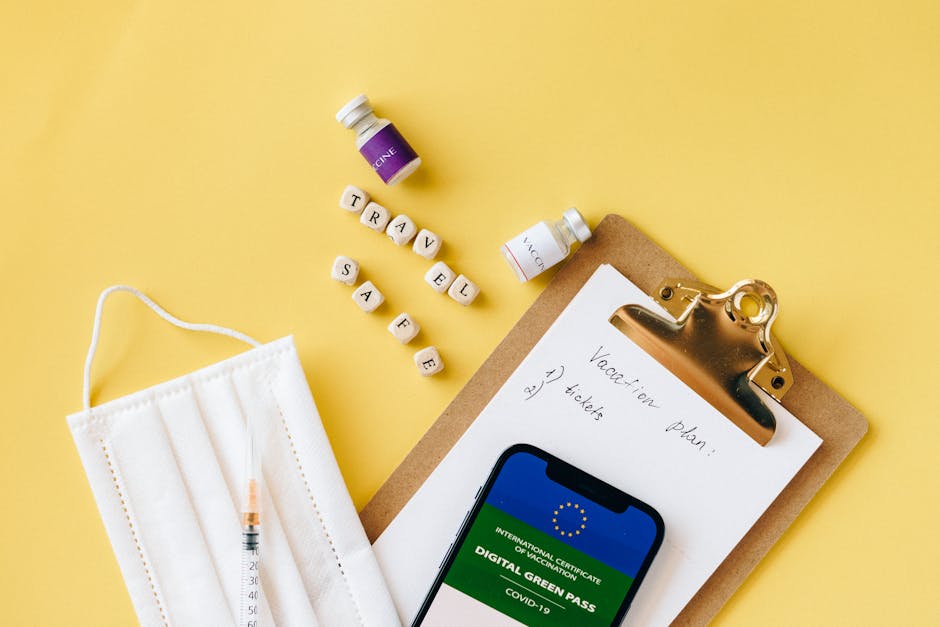
Make digital and physical copies of all important documents: passport, visa, driver’s license, travel insurance policy, and itinerary. Store digital copies in a secure cloud service and email them to yourself. Carry physical copies separately from the originals.
2. Research Your Destination
Understanding local customs, laws, and potential risks is crucial. For instance, dress codes in Middle Eastern countries may require modest clothing, while certain medications legal at home might be restricted abroad. The U.S. Department of State issues country-specific travel advisories that highlight safety concerns, health risks, and entry requirements.
Check for any travel alerts related to natural disasters, political unrest, or disease outbreaks. The CDC’s Travel Health Notices provide guidance on health precautions, including recommended vaccines.
3. Arrange Travel Insurance
Travel insurance is not optional—it’s a necessity. A good policy covers medical emergencies, trip cancellations, lost luggage, and evacuation. Look for plans that include 24/7 emergency assistance and coverage for adventure activities if applicable.
Read the fine print. Some policies exclude high-risk activities like scuba diving or skiing. Others may not cover pre-existing conditions unless you purchase a waiver. Compare plans using trusted comparison sites or consult a licensed agent.
4. Notify Your Bank and Mobile Provider
Contact your bank and credit card companies to inform them of your travel dates and destinations. This prevents your cards from being frozen due to suspicious activity. Ask about foreign transaction fees and consider getting a no-fee travel card.
Check your mobile plan. International roaming can be expensive. Options include purchasing a local SIM card, using an eSIM, or relying on Wi-Fi with messaging apps like WhatsApp or Signal.
Health and Medical Precautions
Your health is one of your most valuable travel assets. Taking preventive measures can protect you from illness and ensure access to care if needed.
1. Get Required and Recommended Vaccinations
Visit a travel clinic or your healthcare provider 4–6 weeks before departure. Some countries require proof of vaccination for entry. For example, yellow fever vaccination is mandatory for travelers arriving from infected areas and for entry into countries like Kenya and Brazil.
Routine vaccines such as measles, flu, and tetanus should be up to date. Depending on your destination, you may also need hepatitis A, typhoid, or Japanese encephalitis vaccines. The CDC’s destination tool provides personalized recommendations.
2. Pack a Travel Health Kit
Assemble a compact medical kit with essentials:
- Prescription medications (in original containers, with a copy of the prescription)
- Pain relievers (ibuprofen, acetaminophen)
- Antihistamines and anti-diarrheal medication
- Antibacterial ointment and bandages
- Thermometer and hand sanitizer
- Insect repellent with DEET or picaridin
- Sunscreen (SPF 30 or higher)
Include a first-aid guide and a list of allergies or medical conditions. If you have a chronic condition, carry a medical ID bracelet and a letter from your doctor explaining your treatment.
3. Understand Local Healthcare
Research the quality and accessibility of medical care at your destination. In some regions, hospitals may lack resources or require upfront payment. Know the location of the nearest embassy or consulate, as they can assist in finding medical providers.
Carry a translated summary of your medical history if traveling to a non-English-speaking country. Apps like Canopy or DocDoc can help locate English-speaking doctors abroad.
Packing Smart for Safety
What you bring—and how you pack it—can influence your safety and comfort.
1. Choose Secure Luggage
Opt for luggage with lockable zippers and durable construction. Consider a TSA-approved lock for checked bags. Backpacks with slash-proof material and hidden zippers offer added security in crowded areas.
Label your bags clearly with your name and contact information, but avoid displaying your home address. Use a luggage tag with a cover to protect your privacy.
2. Pack Essentials in Your Carry-On
Always keep critical items in your carry-on bag:
- Passport, tickets, and travel documents
- Prescription medications and health kit
- Change of clothes and toiletries
- Phone charger and power bank
- Copies of insurance and emergency contacts
This ensures you’re not stranded if your checked luggage is delayed or lost.
3. Be Mindful of Prohibited Items
Check airline and destination regulations for restricted items. Liquids over 3.4 ounces (100ml) are typically prohibited in carry-ons. Sharp objects, flammable materials, and certain electronics may be banned.
Some countries have strict rules about food, plants, and animal products. For example, Australia and New Zealand enforce biosecurity laws to prevent invasive species.
Transportation Safety
How you get around can pose risks, especially in unfamiliar places.
1. Airport and Transit Security
Arrive at the airport with plenty of time—international flights typically require 3 hours, domestic 2. Keep your boarding pass and ID accessible. Follow TSA or local security guidelines to avoid delays.
Be aware of your surroundings in transit areas. Keep your belongings close and avoid displaying valuables. Use official transportation services like airport shuttles or licensed taxis.
2. Safe Driving Abroad
If renting a car, ensure you have an international driving permit (IDP) if required. Familiarize yourself with local traffic laws—driving on the left, roundabouts, or toll systems can be confusing.
Inspect the vehicle before driving. Check tires, lights, and brakes. Avoid driving at night in rural or poorly lit areas. Use GPS cautiously; offline maps like Google Maps (downloaded) or Maps.me can help when signal is weak.
3. Public Transportation Tips
Public transit is often safe and efficient, but petty theft is common in busy stations. Keep bags in front of you and avoid empty train cars late at night.
In cities like Tokyo or Zurich, systems are reliable and well-marked. In others, routes may be confusing. Ask station staff or use transit apps like Citymapper or Moovit for real-time updates.
Accommodation Safety
Where you stay plays a big role in your overall safety.
1. Choose Reputable Lodging
Book accommodations with good reviews on trusted platforms like Booking.com, Airbnb, or Google. Look for properties with 24-hour front desks, secure entry, and in-room safes.
Avoid ground-floor rooms and those near elevators or ice machines, which can be noisy and less private. Check window locks and ensure the door has a deadbolt or chain.
2. Secure Your Room
Upon arrival, test the door lock and locate emergency exits. Use the peephole before opening the door to strangers. Never leave keys or access cards unattended.
Store valuables in the room safe. If there isn’t one, use a portable travel safe or keep items hidden. Avoid discussing your room number or travel plans in public areas.
3. Be Cautious with Short-Term Rentals
When using platforms like Airbnb, verify the host’s identity and read recent reviews. Meet in a public place if possible. Ensure the listing matches the photos and description.
Check for working smoke detectors, clear exit routes, and functional locks. Report any safety concerns to the platform immediately.
On-the-Ground Safety Practices
Even with perfect planning, staying alert during your trip is essential.
1. Stay Aware of Your Surroundings
Avoid distractions like excessive phone use in crowded or unfamiliar areas. Keep your bag zipped and close to your body. Be cautious of scams, such as distraction techniques used to steal wallets or bags.
In tourist-heavy areas, be wary of overly friendly strangers offering unsolicited help or tours. Always use licensed guides or book through your hotel.
2. Protect Your Personal Information
Use secure Wi-Fi networks. Avoid logging into banking or sensitive accounts on public networks. Consider using a VPN for added protection.
Be cautious when sharing travel plans on social media. Posting real-time updates can alert thieves that your home is empty.
3. Know Emergency Contacts
Save local emergency numbers in your phone. In most countries, 112 is the universal emergency number. Know the address and phone number of your country’s nearest embassy or consulate.
Program important contacts into your phone: family, travel insurance provider, and your hotel. Share your itinerary with someone at home and check in regularly.
Technology and Digital Safety
Your devices are both tools and vulnerabilities when traveling.
1. Secure Your Devices
Enable password or biometric locks on all devices. Install security updates before you leave. Use encryption and remote wipe features in case your device is lost or stolen.
Back up important data to the cloud. Avoid storing sensitive information like credit card numbers or passport scans unless encrypted.
2. Use Trusted Apps
Download useful apps before you go: offline maps, translation tools, currency converters, and local transit guides. Stick to official app stores to avoid malware.
Consider safety apps like bSafe or TripWhistle, which allow you to share your location with trusted contacts and send emergency alerts.
3. Monitor Your Accounts
Regularly check bank and credit card statements for unauthorized charges. Set up transaction alerts if available. Report suspicious activity immediately.
Cultural Awareness and Local Laws
Respecting local norms helps you avoid trouble and build positive interactions.
1. Learn Basic Etiquette
Research greetings, gestures, and dress codes. In Japan, bowing is common; in India, removing shoes before entering homes is expected. Avoid public displays of affection in conservative countries.
Learn a few key phrases in the local language—hello, thank you, excuse me. Locals appreciate the effort and are often more helpful.
2. Understand Local Laws
Laws vary widely. In Singapore, chewing gum is restricted. In the UAE, public drunkenness can lead to arrest. Drug laws are especially strict in countries like Thailand and Malaysia.
Ignorance is not a defense. If unsure, ask your hotel staff or consult your embassy’s website.
3. Respect Religious and Cultural Sites
Dress modestly when visiting temples, mosques, or churches. Follow photography rules—some sites prohibit pictures altogether. Be quiet and respectful during ceremonies.
Emergency Preparedness
Despite best efforts, emergencies can happen. Being prepared helps you respond calmly and effectively.
1. Create an Emergency Plan
Know what to do in common scenarios: lost passport, medical emergency, natural disaster. Keep a printed copy of your emergency plan with your documents.
Identify safe meeting points if you’re traveling with others. Agree on a communication method if separated.
2. Know How to Contact Help
Save the following in your phone and written notes:
- Local emergency services (police, fire, medical)
- Your country’s embassy or consulate
- Travel insurance emergency hotline
- Hotel contact information
If you’re in a remote area, consider carrying a personal locator beacon (PLB) or satellite messenger like Garmin inReach.
3. Stay Calm and Document Incidents
In an emergency, stay as calm as possible. Follow instructions from local authorities. If you’re a victim of crime, report it to police and your embassy.
Take photos of damage, injuries, or stolen items for insurance claims. Keep receipts for any emergency expenses.
Post-Travel Safety Checklist
Your responsibility doesn’t end when you return home.
1. Monitor Your Health
Some illnesses, like malaria or dengue, can appear weeks after exposure. Watch for symptoms such as fever, rash, or fatigue. Seek medical attention if concerned.
Update your vaccination records and schedule any follow-up care.
2. Review Financial Statements
Check for unauthorized charges. Dispute any fraudulent transactions promptly. Consider placing a fraud alert on your credit report if your cards were compromised.
3. Reflect and Improve
Review what went well and what could be improved. Update your travel safety checklist for future trips. Share lessons learned with fellow travelers.
Compact Comparison: Essential vs. Optional Safety Items
| Item | Essential | Optional but Recommended |
|---|---|---|
| Passport & Visa | Yes | — |
| Travel Insurance | Yes | — |
| Prescription Medications | Yes | — |
| Portable Charger | — | Yes |
| VPN Subscription | — | Yes |

