
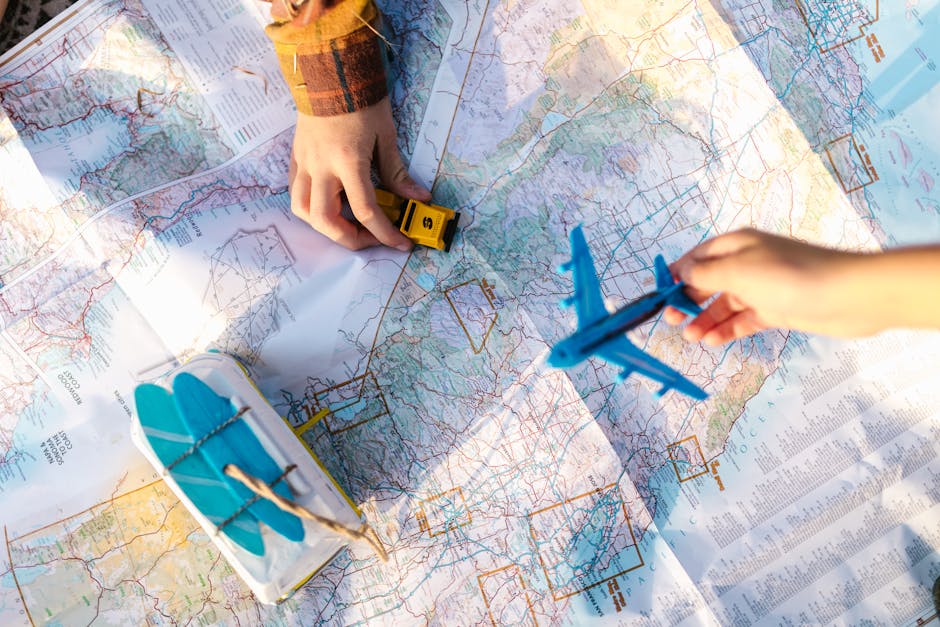
Travel Guide for Short Trips: Plan Smart, Explore More
Travel Guide for Short Trips: Plan Smart, Explore More
A well-planned short trip can deliver big rewards—fresh scenery, new experiences, and a break from routine—without requiring weeks of vacation time. Exploring short trip planning reveals important insights. Whether you’re heading out for a weekend or a four-day escape, this travel guide for short trips covers everything you need to make the most of limited time. From choosing the right destination to packing efficiently and staying within budget, we’ll walk you through each step with clear, actionable advice. By focusing on preparation, smart choices, and realistic expectations, you can turn a brief getaway into a memorable adventure.
Why Short Trips Deserve a Strategic Approach
Many travelers treat short trips as low-stakes excursions, but that mindset often leads to wasted time, overspending, or missed opportunities. Unlike longer journeys, short trips offer little room for error—every hour counts. A strategic approach ensures you arrive prepared, minimize stress, and prioritize experiences that matter most.
Consider a Friday-to-Sunday trip to a nearby city. Without advance planning, you might spend your first afternoon searching for accommodations, your second day stuck in traffic, and your final morning rushing to catch a return flight. But with a clear itinerary, pre-booked transport, and a list of must-see spots, you can cover key attractions, enjoy local food, and still have time to relax.
The key is to treat your short trip like a mini-project: define your goals, allocate resources wisely, and stay flexible. Whether your aim is cultural immersion, outdoor adventure, or pure relaxation, a little forethought goes a long way.
Choosing the Right Destination
Not all destinations are equally suited for short trips. Proximity, accessibility, and activity density play major roles in determining whether a location will deliver value within a tight timeframe.
Prioritize Proximity and Transport Options
For trips under four days, aim for destinations within a 3–5 hour travel radius. This reduces transit time and maximizes time on the ground. Cities connected by direct flights, high-speed rail, or reliable bus routes are ideal. For example, a traveler in Chicago can reach Milwaukee in 90 minutes by train, making it a strong candidate for a weekend trip. In contrast, a destination requiring multiple layovers or long drives may consume too much of your limited time.
Assess Activity Density and Walkability
Choose places where key attractions are clustered or easily reachable by foot, bike, or public transit. Compact historic centers like Savannah, Georgia, or Quebec City, Canada, allow you to see multiple sites in a single afternoon. Avoid sprawling destinations unless you’re focusing on one or two major experiences, such as a national park or a renowned museum.
Match the Destination to Your Trip Goals
Define your trip’s purpose early. Are you seeking relaxation, adventure, culture, or food? A beach town like Charleston, South Carolina, suits a laid-back weekend, while Asheville, North Carolina, offers hiking, breweries, and mountain views for active travelers. Urban centers like Portland, Oregon, or Montreal, Quebec, appeal to foodies and culture seekers with dense restaurant scenes and walkable neighborhoods.
Planning Your Itinerary: Less Is More
One of the biggest mistakes travelers make on short trips is over-scheduling. Trying to cram too much into a few days leads to fatigue and superficial experiences. Instead, adopt a “less is more” philosophy—focus on quality over quantity.
Limit Daily Activities to 2–3 Key Items
Plan no more than two to three main activities per day. This allows time for transit, meals, and spontaneous discoveries. For example, on Day 1 of a trip to Austin, Texas, you might visit the Texas State Capitol in the morning, enjoy lunch at a food truck park, and attend an evening concert on Sixth Street. That’s a full but manageable day.
Build in Buffer Time
Always include 30–60 minutes of buffer time between activities. Delays happen—trains run late, restaurants are busy, or you simply want to linger at a viewpoint. Buffer time prevents stress and keeps your trip feeling relaxed, not rushed.
Use the “Anchor Activity” Method
Select one must-do experience per day as your anchor—a museum, a hike, a guided tour—and build the rest of your schedule around it. This ensures you accomplish your top priority even if other plans fall through. For instance, if your anchor is a sunrise hike at Haleakalā in Maui, schedule lighter activities for the afternoon.
Packing Smart for Short Trips
Efficient packing is essential for short trips, where every ounce and inch of space matters. The goal is to bring only what you need, avoid checked bags, and stay mobile.
Adopt a Capsule Wardrobe
Choose 3–4 versatile clothing items that mix and match. Neutral colors, layerable pieces, and wrinkle-resistant fabrics work best. For a three-day city trip, pack two pairs of pants, three tops, one jacket, and two pairs of shoes (one casual, one slightly dressier). This reduces bulk and simplifies outfit decisions.
Use Packing Cubes and Compression Bags
Packing cubes help organize items by category (e.g., tops, underwear, accessories) and make unpacking quicker. Compression bags reduce the volume of bulky items like sweaters or jackets. Both tools are especially helpful for carry-on-only travel.
Limit Toiletries and Electronics
Bring travel-sized toiletries or use refillable containers. Many hotels provide basics like shampoo and soap, so check in advance. For electronics, limit yourself to a phone, charger, and one additional device (e.g., camera or e-reader). Avoid bringing laptops unless work is required.
Carry a Compact Day Bag
Use a lightweight backpack or crossbody bag for daily excursions. Include essentials like a reusable water bottle, portable charger, sunscreen, and a small first-aid kit. This reduces the need to return to your accommodation midday.
Budgeting for a Short Trip
Short trips can be surprisingly expensive if costs aren’t managed carefully. Flights, accommodations, and dining add up quickly, especially in popular destinations. A clear budget helps you avoid overspending and enjoy your trip without financial stress.
Set a Daily Spending Limit
Determine your total budget before booking. Then divide it by the number of days to set a daily limit. For example, a $600 budget for a three-day trip equals $200 per day. Allocate portions for lodging, food, transport, activities, and souvenirs.
Book Flights and Lodging Early
Prices for flights and hotels tend to rise as the departure date approaches. Booking 4–6 weeks in advance typically yields the best rates. Use fare comparison tools like Google Flights or Skyscanner to monitor price trends and set alerts.
Choose Accommodations Strategically
Stay in central locations to reduce transit time and costs. A hotel near public transit or within walking distance of attractions saves money on taxis and ride-shares. Consider alternatives like vacation rentals or boutique inns for better value or unique experiences.
Eat Like a Local
Dining out for every meal can blow your budget. Exploring short trip planning reveals important insights. Balance restaurant meals with affordable options like food trucks, markets, or grocery store picnics. In cities like Barcelona or Bangkok, street food offers delicious, low-cost meals without sacrificing authenticity.
Maximizing Time and Minimizing Stress
Time is the most limited resource on a short trip. Smart time management ensures you experience more with less hassle.
Arrive Early or Stay Late
If your schedule allows, consider arriving a day early or departing a day late. Red-eye flights or early morning departures can add a full day of exploration. For example, flying out Sunday night instead of Monday morning gives you an extra day at your destination.
Use Public Transit or Walk
Rental cars, taxis, and ride-shares eat into your budget and time. In most cities, public transit is faster and cheaper. Download local transit apps (e.g., Citymapper or Transit) for real-time schedules and route planning. Walking not only saves money but also helps you discover hidden gems.
Avoid Peak Crowds
Visit popular attractions early in the morning or later in the afternoon. Museums, national parks, and landmarks are often less crowded during weekday mornings. Check opening hours and consider timed-entry tickets to skip lines.
Stay Connected, But Not Too Connected
Use your phone for maps, translation, and bookings, but resist the urge to document every moment. Over-photographing or scrolling through social media can distract from the experience. Designate specific times for checking messages or posting updates.
Health, Safety, and Travel Essentials
Even brief trips require attention to health and safety. A minor issue—like lost luggage or a missed connection—can derail your plans if you’re unprepared.
Carry Essential Documents
Bring printed or digital copies of your ID, travel insurance, hotel confirmations, and emergency contacts. Store digital copies in a secure cloud service. For international trips, ensure your passport is valid for at least six months beyond your return date.
Check Local Health and Safety Guidelines
Review government travel advisories and local health recommendations. Some destinations require vaccinations or have specific safety concerns. Carry a basic first-aid kit with pain relievers, bandages, and any personal medications.
Use Secure Payment Methods
Notify your bank of your travel dates to avoid card blocks. Use credit cards with no foreign transaction fees for international trips. Carry a small amount of local cash for tips or small purchases.
Stay Aware of Your Surroundings
Short trips often involve unfamiliar environments. Stay alert in crowded areas, avoid displaying valuables, and trust your instincts. Share your itinerary with a friend or family member for added safety.
Making the Most of Your Return
The trip doesn’t end when you arrive home. A few post-travel steps help preserve memories and improve future trips.
Unpack and Clean Immediately
Unpack as soon as possible to avoid mildew, lost items, or forgotten souvenirs. Wash clothes and recharge devices so you’re ready for the next adventure.
Review and Reflect
Take 15 minutes to jot down what worked and what didn’t. Did you overpack? Was the itinerary too ambitious? Use these insights to refine your approach for future trips.
Share Responsibly
If you post photos or reviews online, do so thoughtfully. Avoid sharing real-time location updates that could compromise your home’s security. Tag locations accurately to help other travelers.
Comparison of Short Trip Styles
Different trip styles suit different travelers. Use the table below to compare common short trip types and choose the one that aligns with your goals.
| Trip Style | Best For | Ideal Duration | Key Considerations |
|---|---|---|---|
| Urban Explorer | Culture, food, shopping | 2–4 days | Stay central; use public transit; book popular restaurants early |
| Nature Retreat | Hiking, scenery, relaxation | 3–5 days | Check weather; pack layers; reserve park permits in advance |
| Beach Escape | Sun, sand, water activities | 3–4 days | Book oceanfront lodging; bring reef-safe sunscreen; monitor tides |
| Cultural Immersion | Museums, history, local life | 3–5 days | Learn basic local phrases; respect customs; visit off-peak hours |
Final Tips for a Successful Short Trip
A short trip doesn’t need to be complicated, but it does benefit from thoughtful planning. Here are three key takeaways:
- Plan ahead, but stay flexible. Book essentials early, but leave room for spontaneity.
- Pack light and smart. Bring only what you need and organize for efficiency.
- Focus on experiences, not checklists. Quality moments matter more than ticking off attractions.
With the right approach, even a weekend away can feel refreshing and fulfilling. Use this travel guide for short trips as your foundation, adapt it to your preferences, and enjoy the journey.
FAQ
How far in advance should I book a short trip?
Book flights and accommodations 4–6 weeks ahead for the best rates. For popular destinations or holiday weekends, consider booking even earlier.
Can I have a meaningful trip in just two days?
Yes. Focus on one or two key experiences, stay nearby, and minimize transit time. A well-planned two-day trip can be deeply rewarding.
What’s the best way to avoid overspending on a short trip?
Set a daily budget, cook one meal a day, use public transit, and prioritize free or low-cost activities like walking tours or park visits.
Related keywords: Travel Guide for Short Trips Guide.

