

Travel Guide for Seniors: Smart, Safe, and Stress-Free Adventures
Traveling in your golden years doesn’t have to mean staying close to home. With thoughtful planning and the right resources, seniors can enjoy enriching, safe, and comfortable journeys around the world. This travel guide for seniors offers practical advice on choosing destinations, managing health and mobility needs, packing smart, and navigating transportation—all tailored to the unique considerations of older travelers. Whether you’re dreaming of a European river cruise, a national park road trip, or a cultural tour in Asia, this guide helps you travel confidently and independently.

Why Travel Matters for Older Adults
Travel isn’t just about sightseeing—it’s a powerful way to maintain physical health, mental sharpness, and emotional well-being. Studies consistently show that older adults who travel report higher life satisfaction, reduced stress, and improved cognitive function. Exploring new places encourages curiosity, fosters social connections, and provides a sense of purpose. Even short trips can reignite passions, create lasting memories, and strengthen family bonds when shared with loved ones.
Yet, many seniors hesitate to travel due to concerns about health, safety, or logistics. This guide addresses those concerns head-on, offering realistic solutions and empowering older adults to explore the world on their own terms.
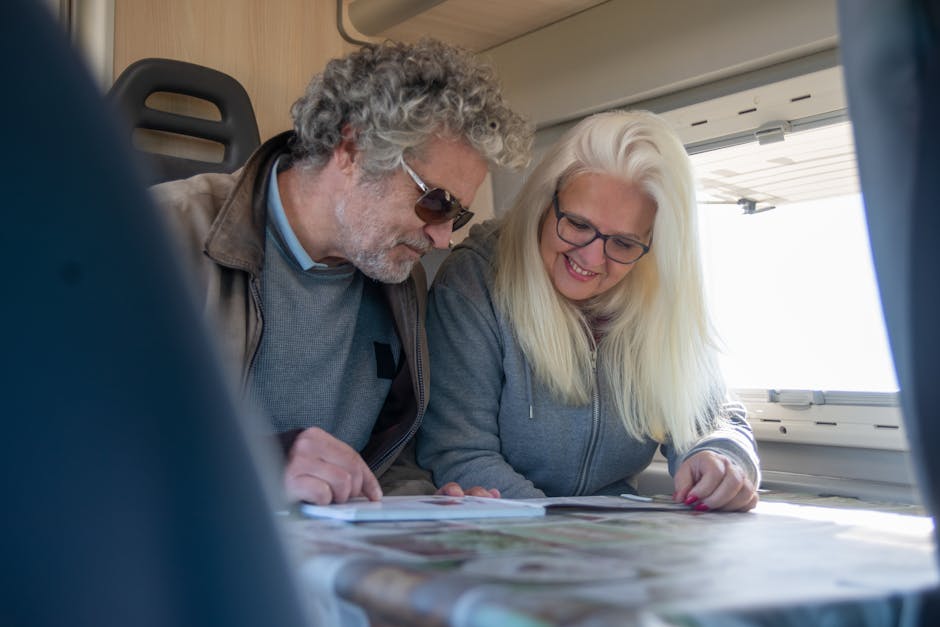
Choosing the Right Destination
Not all destinations are equally suited for senior travelers. The ideal location balances accessibility, comfort, medical support, and cultural interest. Consider these factors when planning your next trip:
- Ease of Access: Opt for destinations with direct flights, minimal layovers, and good public transit. Cities like Barcelona, Kyoto, and Vancouver offer excellent infrastructure and senior-friendly amenities.
- Medical Facilities: Choose locations with reputable hospitals and clinics. Major cities in Europe, North America, and Japan typically have high standards of healthcare.
- Climate: Avoid extreme heat or cold if you have respiratory or cardiovascular conditions. Mediterranean climates in spring or fall are often ideal.
- Pace of Travel: Prefer relaxed itineraries over rushed tours. Look for trips that include downtime, optional activities, and flexible schedules.
- Language Barriers: If you don’t speak the local language, consider destinations where English is widely spoken or join guided tours with English-speaking guides.
For first-time senior travelers, domestic destinations like national parks (Yellowstone, Grand Canyon), historic cities (Savannah, Charleston), or scenic train routes (Rocky Mountaineer in Canada) offer low-stress introductions to travel.
Health and Safety: Preparing Before You Go
Your health is your most valuable travel asset. Taking proactive steps before departure can prevent minor issues from becoming major problems.

Medical Preparation Checklist
- Consult Your Doctor: Schedule a pre-travel checkup at least 4–6 weeks before departure. Discuss any chronic conditions, medications, and vaccinations.
- Medication Management: Pack enough medication for the entire trip, plus a 7-day buffer. Keep prescriptions in original containers and carry a copy of each prescription.
- Travel Insurance: Invest in comprehensive travel insurance that covers medical emergencies, trip cancellations, and medical evacuation. Look for policies with no upper age limit and coverage for pre-existing conditions.
- Emergency Contacts: Carry a card with your name, blood type, allergies, medications, and emergency contacts. Store digital copies in your phone and email.
- Vaccinations: Check CDC or WHO recommendations for your destination. Some countries require proof of yellow fever or other vaccines.
Mobility and Accessibility
If you use a walker, cane, or wheelchair, research accessibility in advance. Many countries have improved infrastructure, but standards vary widely.
- Hotels: Book accommodations with elevators, step-free access, grab bars, and accessible bathrooms. Chains like Marriott, Hilton, and Accor often list accessibility features online.
- Transportation: Airlines must accommodate mobility devices, but notify them at least 48 hours in advance. Trains and buses in Europe and Japan are generally accessible; in other regions, confirm ahead of time.
- Attractions: Museums, historic sites, and national parks often offer wheelchair loans, audio guides, or senior discounts. The U.S. National Park Service provides free lifetime access passes for U.S. citizens over 62.
Packing Smart: What to Bring (and What to Leave Behind)
Efficient packing reduces stress and prevents overloading. Aim for a carry-on plus a small personal bag when possible.
Essential Items for Senior Travelers
- Comfortable Footwear: Bring supportive, broken-in shoes with non-slip soles. Pack two pairs in case one gets wet.
- Layered Clothing: Weather can change quickly. Pack lightweight layers that can be added or removed.
- Travel Pillow and Blanket: Especially useful on long flights or train rides.
- Portable Charger: Keep your phone powered for navigation, emergencies, and communication.
- First-Aid Kit: Include bandages, antiseptic wipes, pain relievers, motion sickness tablets, and any personal medications.
- Copies of Documents: Scan and email passports, IDs, insurance cards, and itineraries to yourself. Carry physical copies in a secure travel wallet.
Avoid overpacking by choosing versatile clothing in neutral colors. Roll clothes instead of folding to save space and reduce wrinkles.
Transportation Options: Finding the Best Fit
How you get there—and move around—can make or break your trip. Here’s how to choose the right transportation for your needs.
Flying
Air travel is fast but can be taxing. Tips for a smoother experience:
- Request wheelchair assistance or early boarding at booking.
- Choose window seats for easier access to restrooms or aisle seats for more legroom.
- Stay hydrated and move every hour to reduce the risk of deep vein thrombosis (DVT).
- Wear compression socks if recommended by your doctor.
Cruises
Cruises are a popular choice for seniors due to their all-inclusive nature and minimal packing/unpacking. Look for ships with medical centers, accessible cabins, and shore excursions designed for older adults. River cruises in Europe (e.g., on the Rhine or Danube) offer scenic views and stops in historic towns with minimal walking.
Train and Bus Travel
Trains are often more comfortable than planes, with spacious seats, dining cars, and scenic views. In Europe, the Eurail Pass offers flexibility for seniors. In the U.S., Amtrak’s long-distance routes (like the Coast Starlight) provide sleeper cabins and accessible facilities.
Driving
Renting a car gives you control over your schedule. Choose vehicles with automatic transmission, backup cameras, and easy entry/exit. Use GPS apps with voice guidance and avoid driving at night or in heavy traffic. Consider scenic byways or road trips with frequent rest stops.
Accommodations: Comfort and Convenience
Where you stay should support your well-being and enhance your experience.
Hotel vs. Vacation Rental
| Feature | Hotel | Vacation Rental |
|---|---|---|
| Housekeeping | Daily service included | Usually self-service |
| Accessibility | Often ADA-compliant | Varies widely; check listing |
| Kitchen | Rarely available | Common; good for dietary needs |
| Location | Central, near attractions | Residential areas; quieter |
| Cost | Higher per night | Often cheaper for longer stays |
Hotels are ideal for short stays and convenience, while vacation rentals (like Airbnb or Vrbo) offer more space and privacy for extended trips. Always read recent reviews and verify accessibility features.
Dining and Dietary Needs
Food is a highlight of travel, but dietary restrictions require planning.
- Research Local Cuisine: Learn about common ingredients and meal times. In Italy, dinner starts late; in Japan, breakfast may be minimal.
- Communicate Restrictions: Learn key phrases like “no dairy” or “gluten-free” in the local language. Carry a dietary card if needed.
- Stay Hydrated: Drink plenty of water, especially in hot climates or at high altitudes.
- Pack Snacks: Bring non-perishable snacks like nuts, granola bars, or dried fruit for long travel days.
Many restaurants in tourist areas accommodate dietary needs, but rural locations may have limited options. Apps like HappyCow (for vegetarians) or Find Me Gluten Free can help locate suitable eateries.
Staying Connected and Safe
Technology can enhance safety and convenience, but it’s important to use it wisely.
- Mobile Plans: Consider an international data plan or local SIM card. In Europe, a single SIM often works across countries.
- Emergency Apps: Download local emergency numbers and translation apps (like Google Translate).
- Share Your Itinerary: Let family or friends know your daily plans and check in regularly.
- Avoid Scams: Be cautious with unsolicited offers, fake tour guides, or “too good to be true” deals. Use official taxi services or ride-sharing apps.
Budgeting for Your Trip
Travel doesn’t have to be expensive. With smart planning, seniors can enjoy rich experiences without overspending.
- Travel Off-Peak: Visit popular destinations in shoulder seasons (spring or fall) for lower prices and fewer crowds.
- Senior Discounts: Many airlines, museums, trains, and attractions offer discounts for travelers over 60 or 65. Always ask.
- Loyalty Programs: Join airline or hotel loyalty programs for free nights, upgrades, or waived fees.
- Group Tours: Companies like Road Scholar or Trafalgar offer educational, small-group tours designed for older adults, often including meals and transportation.
Overcoming Common Challenges
Even with the best planning, issues can arise. Here’s how to handle them:
- Jet Lag: Adjust your sleep schedule a few days before departure. Stay hydrated and avoid alcohol on flights.
- Lost Luggage: Pack essentials in your carry-on. Take photos of your luggage and keep receipts for valuables.
- Illness Abroad: Contact your travel insurance provider immediately. Most offer 24/7 assistance hotlines.
- Loneliness: Stay connected with family via video calls. Join group activities or walking tours to meet others.
Final Tips for a Successful Journey
- Start small: Take a weekend trip nearby to build confidence.
- Travel with a companion: A friend or family member can provide support and shared memories.
- Be flexible: Allow room in your schedule for rest and unexpected discoveries.
- Document your trip: Keep a journal, take photos, or start a travel blog to preserve memories.
- Listen to your body: It’s okay to skip an activity if you’re tired or unwell.
Conclusion
This travel guide for seniors proves that age is no barrier to exploration. With careful planning, the right tools, and a positive mindset, older adults can enjoy safe, fulfilling, and memorable journeys. Whether you’re revisiting a favorite destination or venturing somewhere entirely new, the world is still full of wonder—and it’s never too late to discover it.
FAQ
What travel insurance do seniors need?
Seniors should choose comprehensive travel insurance that covers medical emergencies, trip cancellations, and medical evacuation. Look for policies with no upper age limit and coverage for pre-existing conditions. Always read the fine print and compare providers like Allianz, Travel Guard, or InsureMyTrip.
Are there senior discounts for flights and hotels?
Yes, many airlines, hotels, and attractions offer discounts for travelers over 60 or 65. Examples include Amtrak’s 15% senior fare, Marriott’s AARP rates, and free admission to U.S. national parks with a Senior Pass. Always ask when booking.
How can I travel safely if I have mobility issues?
Research accessibility in advance, book accessible accommodations, and notify transportation providers of your needs. Use mobility aids, plan rest breaks, and consider guided tours designed for seniors. Travel insurance with medical coverage is essential.

