

Travel Guide for First Time Flyers: Everything You Need to Know Before Your First Flight
Travel Guide for First Time Flyers: Everything You Need to Know Before Your First Flight
Flying for the first time can feel overwhelming, but with the right preparation, it doesn’t have to be. This travel guide for first time flyers breaks down every essential step—from booking your ticket to stepping off the plane at your destination. Whether you’re nervous about airport security, confused about boarding procedures, or unsure what to pack, this guide offers clear, practical advice to help you fly with confidence. By following these tips, you’ll navigate check-in, security, and in-flight etiquette smoothly, making your first flight a positive experience.
Before You Book: Smart Planning for First-Time Flyers
Planning ahead is the most effective way to reduce stress before your first flight. Start by choosing a direct flight if possible—fewer connections mean fewer chances for delays or missed flights. Airlines like Southwest, Delta, and United offer user-friendly websites and apps that make booking straightforward, even for beginners. When selecting a seat, consider your comfort: window seats offer views and a place to lean, while aisle seats provide easier access to the restroom and more legroom.
Book your flight during off-peak hours—early morning or late evening flights are often less crowded and may have fewer delays. Also, sign up for airline email alerts to receive updates about gate changes, delays, or cancellations. If you’re traveling internationally, check passport and visa requirements at least six weeks in advance. The U.S. Department of State website provides up-to-date entry requirements for every country.
Choosing the Right Airline and Fare Type
Not all airline tickets are created equal. First-time flyers should understand the difference between fare types: basic economy, standard economy, and premium economy. Basic economy is the cheapest but often comes with restrictions—no seat selection, no changes, and last boarding group. Standard economy allows seat selection and more flexibility. Premium economy offers extra legroom and priority boarding for a higher price.
For your first flight, standard economy is usually the best balance of cost and convenience. Avoid basic economy unless you’re certain your plans won’t change. Also, consider airlines known for good customer service and on-time performance. According to recent industry reports, Alaska Airlines, Delta, and Hawaiian Airlines consistently rank high in customer satisfaction.
What to Pack: Essentials and Prohibited Items
Packing correctly can save you time and trouble at the airport. Start with a carry-on bag that meets airline size requirements—typically 22 x 14 x 9 inches. This allows you to keep your belongings with you and avoid checked baggage fees. Pack essentials like medications, a change of clothes, toiletries, and important documents in your carry-on in case your checked luggage is delayed.
Liquids in carry-on bags must follow the TSA’s 3-1-1 rule: containers must be 3.4 ounces (100ml) or less, all fit in one quart-sized clear plastic bag, and each passenger is limited to one bag. Examples include shampoo, toothpaste, and hand sanitizer. Solid items like deodorant, lip balm, and makeup are exempt from this rule.
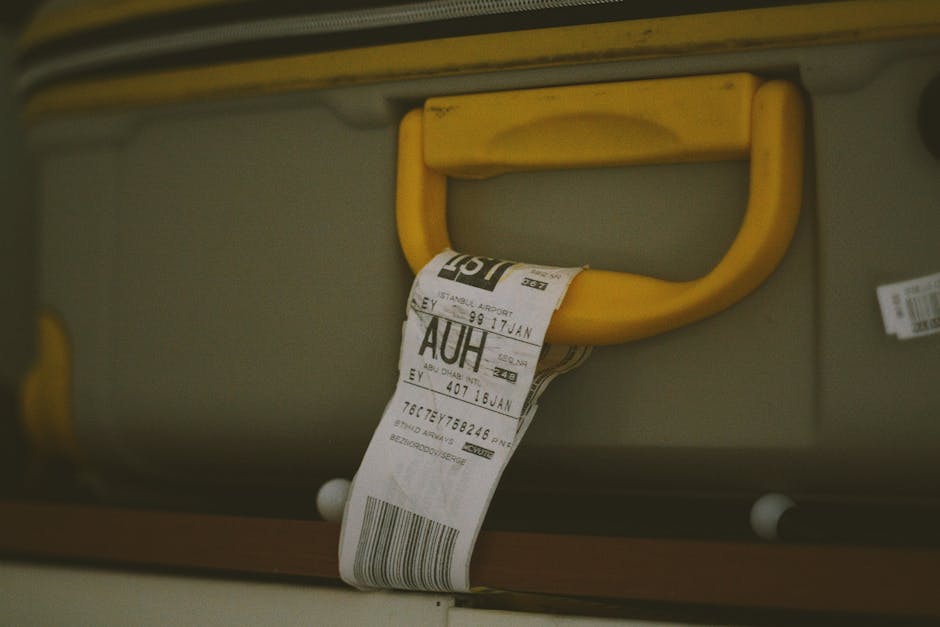
Checked luggage should include items you don’t need immediately, such as extra shoes, formal wear, or gifts. Always attach a luggage tag with your name, phone number, and destination address. Consider using a brightly colored luggage strap or cover to make your bag easier to identify on the carousel.
Prohibited and Restricted Items
The Transportation Security Administration (TSA) maintains a detailed list of items that are prohibited or restricted on flights. Common banned items in carry-ons include scissors with blades over 4 inches, lighters, and certain batteries. Knives, regardless of size, are not allowed in the cabin.
Some items are allowed in checked baggage but not in carry-ons. These include tools, sporting goods like baseball bats, and flammable items such as spray paint. Always check the TSA website before packing. When in doubt, leave it at home or pack it in your checked bag.
Medications are generally allowed, but prescription drugs should be in their original containers with labels. Liquid medications over 3.4 ounces are permitted but must be declared at security. If you have medical devices like insulin pumps or CPAP machines, inform TSA officers before screening.
Navigating the Airport: A Step-by-Step Walkthrough
Arriving at the airport can be intimidating, but knowing what to expect helps. Plan to arrive at least two hours before a domestic flight and three hours before an international flight. This gives you enough time for check-in, security, and unexpected delays.
Start by locating your airline’s check-in counter or kiosk. Most airlines allow online check-in 24 hours before departure, which lets you select your seat and print or download your boarding pass. If you’re checking bags, proceed to the counter. Have your ID and confirmation number ready.
After check-in, head to security. Have your boarding pass and government-issued ID (like a driver’s license or passport) ready. Remove laptops, tablets, and liquids from your carry-on and place them in a bin. Wear shoes that are easy to take off and put back on. TSA PreCheck members can keep shoes, belts, and light jackets on and leave laptops in bags.
Once through security, locate your gate using the flight information screens. Gates can change, so check the board periodically. Use the time before boarding to charge your phone, grab a snack, or use the restroom. Many airports now offer free Wi-Fi, so download entertainment or maps in advance.
Boarding Process: What to Expect
Boarding typically begins 30 to 45 minutes before departure. Airlines board by groups or zones, announced over the intercom. Listen for your group number or zone. Boarding order usually starts with passengers needing extra time (like families with small children or travelers with disabilities), followed by premium cabin passengers, then economy by row.
Have your boarding pass and ID ready as you approach the gate agent. They will scan your pass and may check your ID again. Once on the plane, find your seat and stow your carry-on in the overhead bin or under the seat in front of you. If the bin is full, flight attendants will help you find space.
Stow your personal item—like a purse, backpack, or laptop bag—under the seat. Keep it secure and out of the aisle. Once seated, fasten your seatbelt and review the safety card in the seat pocket. Flight attendants will demonstrate safety procedures before takeoff.
In-Flight Etiquette and Comfort Tips
Flying courteously makes the experience better for everyone. Keep noise levels down, especially during takeoff and landing when flight attendants are giving safety instructions. Use headphones for music, movies, or podcasts. Avoid loud conversations or phone calls—most airlines prohibit voice calls during flight.
Respect personal space. Recline your seat gently and only after the person in front has done so. If you need to get up frequently, choose an aisle seat. Use the restroom one at a time to avoid crowding. Dispose of trash properly and leave the lavatory clean for the next passenger.
Stay hydrated by drinking water throughout the flight. Cabin air is dry and can cause dehydration, which may lead to fatigue or headaches. Avoid excessive alcohol or caffeine, as they can worsen dehydration. Bring a reusable water bottle and fill it after security.
For comfort, wear loose, layered clothing. Temperatures on planes can vary. Bring a neck pillow, eye mask, or blanket if you plan to sleep. Compression socks can help prevent swelling on long flights. If you feel anxious, practice deep breathing or listen to calming music.
Handling Turbulence and In-Flight Announcements
Turbulence is normal and rarely dangerous, but it can be unsettling for first-time flyers. When the seatbelt sign is on, stay seated with your belt fastened. If you’re moving about the cabin, hold onto seatbacks for stability. Flight attendants will secure the galley and stop service during rough patches.
Pay attention to announcements. They include important information like flight duration, altitude, weather, and connecting gate details. If you’re unsure about anything, don’t hesitate to ask a flight attendant—they’re trained to help passengers.
In rare cases of emergency, remain calm and follow crew instructions. Oxygen masks will drop from the ceiling if cabin pressure drops. Pull the mask toward you, place it over your nose and mouth, and breathe normally. Life vests are under your seat and should only be inflated after exiting the plane.
Arriving at Your Destination: Post-Flight Steps
After landing, stay seated until the seatbelt sign is turned off and the plane has reached the gate. Gather your belongings carefully—check under your seat and in the overhead bin. Don’t forget small items like phones, headphones, or books.
Exit the plane in an orderly fashion, following the flow of passengers. If you’re connecting to another flight, check the departure screens for your next gate. Allow extra time for walking, security rechecks (if required), and potential delays.
If you checked luggage, proceed to the baggage claim area. Look for your flight number on the carousel monitors. Report missing or damaged bags immediately to the airline’s baggage service office. Most airlines offer online tracking for checked luggage.
Once you have your bags, head to ground transportation. Options include rental cars, taxis, ride-shares, shuttles, or public transit. Many airports have designated pickup areas. If you pre-booked a ride, check the app for driver details and meeting point.
International Arrivals: Customs and Immigration
International travelers must clear customs and immigration upon arrival. Have your passport, customs declaration form, and any required visas ready. Officers may ask about the purpose of your trip, length of stay, and items you’re bringing into the country.
Declare all food, plants, animals, and large amounts of currency. Failure to declare prohibited items can result in fines or confiscation. Use the electronic customs kiosks if available—they speed up the process. After clearing customs, collect your luggage and proceed to the exit.
If you’re unsure about entry requirements, check the embassy website of your destination country. Some nations require proof of return tickets, vaccination records, or travel insurance. The U.S. Customs and Border Protection website offers a helpful traveler’s guide.
Common Mistakes First-Time Flyers Make (And How to Avoid Them)
Even with the best planning, first-time flyers often make avoidable errors. One common mistake is arriving too late. Traffic, parking, and long security lines can delay you. Build in extra time, especially during holidays or peak travel seasons.
Another error is overpacking carry-ons. Oversized bags may be checked at the gate, causing delays. Use a tape measure to confirm your bag fits airline dimensions. Packing too many liquids is also a frequent issue—stick to the 3-1-1 rule.
Forgetting to charge devices is another pitfall. A dead phone can leave you stranded without maps, boarding passes, or contact information. Bring a portable charger and use airport charging stations. Also, don’t forget to download offline maps or entertainment before your flight.
Some travelers forget to check in online, leading to last-minute rushes at the counter. Always check in ahead of time and save your boarding pass to your phone. Finally, never ignore gate changes—monitor the flight boards until you board.
Travel Guide for First Time Flyers: Key Takeaways
This travel guide for first time flyers covers the essentials to help you fly confidently. Start by booking a direct flight with a reputable airline and choosing a standard economy fare. Pack smart—follow the 3-1-1 rule for liquids, keep essentials in your carry-on, and avoid prohibited items. Arrive early, check in online, and prepare for security screening. On the plane, follow etiquette, stay hydrated, and listen to crew instructions. After landing, collect your bags and proceed to ground transportation. With preparation and awareness, your first flight can be smooth and stress-free.
| Feature | Carry-On | Checked Luggage |
|---|---|---|
| Size Limit | 22 x 14 x 9 inches (typical) | Varies by airline (usually 62 linear inches) |
| Fees | Free on most airlines | $30–$50 per bag (domestic) |
| Liquids Allowed | 3.4 oz or less, in quart-sized bag | No limit (except hazardous materials) |
| Accessibility During Flight | Yes (overhead bin or under seat) | No (stored in cargo hold) |
| Risk of Loss/Delay | Low | Higher (especially on connections) |
Frequently Asked Questions
Q: Can I bring snacks on a plane?
A: Yes, solid food items like sandwiches, fruit, chips, and granola bars are allowed in carry-ons. Avoid strong-smelling foods to be considerate of other passengers.
Q: What happens if I miss my flight?
A: If you miss your flight, contact the airline immediately. Many offer same-day standby or rebooking for a fee. Travel insurance may cover missed connections due to delays.
Q: Do I need to print my boarding pass?
A: No, most airlines accept mobile boarding passes. Save it to your phone’s wallet app or take a screenshot. Have your ID ready for verification.
Related keywords: Travel Guide for First Time Flyers Guide.

