
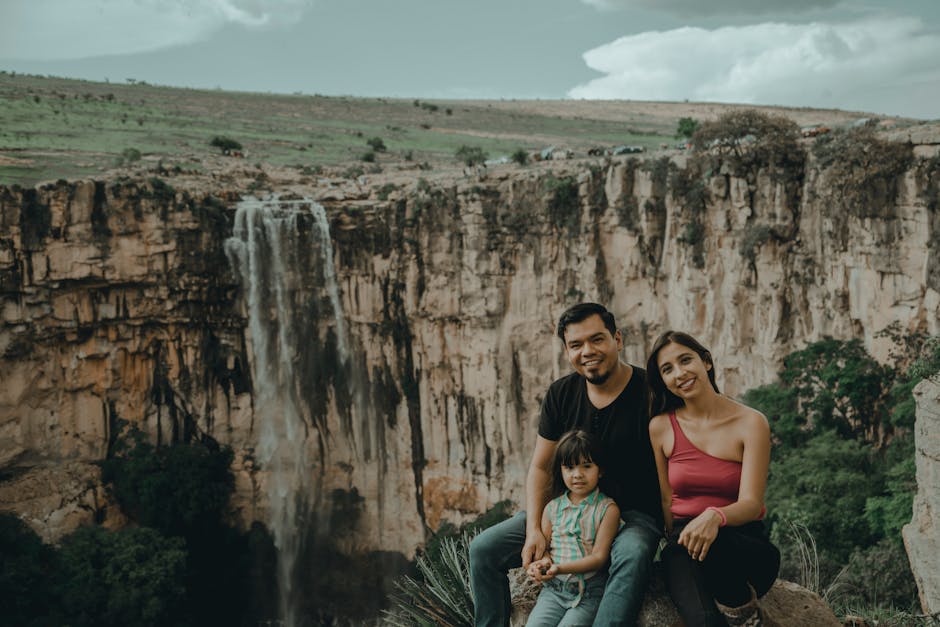
Travel Guide for Families: Complete Guide to Stress-Free Family Trips
Travel Guide for Families: Complete Guide to Stress-Free Family Trips
A well-planned family trip can create lasting memories, but poor preparation often leads to stress and disappointment. This complete travel guide for families covers everything from choosing the right destination to packing smart and managing travel with kids of all ages. Whether you’re planning a weekend getaway or a two-week international adventure, this guide offers practical advice to help your family travel smoothly, safely, and enjoyably.
How to Choose the Best Family Travel Destination
Selecting the right destination is the foundation of a successful family trip. Consider your children’s ages, interests, and energy levels. Younger kids may benefit from destinations with short travel times and plenty of open spaces, while teens might enjoy cultural cities or adventure parks.
Popular family-friendly destinations include:
- Orlando, Florida – Home to Walt Disney World, Universal Studios, and numerous water parks. Ideal for families with school-aged children.
- Yellowstone National Park – Offers outdoor adventures like wildlife viewing, hiking, and geysers. Best for families with older kids who can handle moderate hiking.
- San Diego, California – Combines beaches, the world-famous San Diego Zoo, and mild weather year-round.
- London, UK – Rich in history and museums with interactive exhibits. Great for families interested in culture and education.
When evaluating destinations, ask:
- Is the location safe and accessible?
- Are there activities suitable for all age groups?
- What is the average cost per day for lodging, food, and attractions?
- How long is the flight or drive?
Planning Your Itinerary: Balance Fun and Downtime
A packed schedule might sound exciting, but over-scheduling can exhaust kids and parents alike. A balanced itinerary includes structured activities, free time, and built-in rest periods.
Step-by-Step Itinerary Planning
- List must-see attractions – Prioritize 2–3 key activities per day.
- Schedule breaks – Allow 1–2 hours between major activities for meals, naps, or unstructured play.
- Include flexible options – Have backup indoor activities in case of bad weather.
- Plan travel time – Account for walking, public transit, or traffic delays.
- Involve kids in planning – Let them choose one activity per day to increase engagement.
Example: A day in Paris with kids might include the Eiffel Tower in the morning, lunch near the Seine, an afternoon at the Cité des Sciences (science museum), and an early dinner before returning to the hotel.
Booking Flights and Accommodations
Family travel requires special considerations when booking flights and lodging. Look for options that offer convenience, space, and child-friendly amenities.
Flight Booking Tips
- Book direct flights – Minimize layover stress and reduce the risk of missed connections.
- Choose morning departures – Kids are typically more alert and cooperative earlier in the day.
- Reserve seats together – Use airline seat maps to ensure your family sits as a group.
- Check baggage policies – Some airlines allow free checked bags for children or offer family baggage discounts.
Accommodation Options
Hotels, vacation rentals, and resorts each have pros and cons for families. Consider the following:
| Type | Best For | Pros | Cons |
|---|---|---|---|
| Vacation Rental | Families with young kids or longer stays | Kitchen, separate bedrooms, laundry | May lack daily housekeeping or on-site amenities |
| Family Hotel | Short trips or urban destinations | Daily cleaning, concierge, breakfast included | Less space, higher cost per night |
| All-Inclusive Resort | Beach vacations or all-ages groups | Meals, activities, and childcare included | Less flexibility, can feel crowded |
Always read recent guest reviews focusing on cleanliness, noise levels, and proximity to attractions. Use platforms like Google Maps to check walking distances to key sites.
Packing Smart for Family Travel
Overpacking is a common mistake. Focus on versatility, essentials, and comfort.
Essential Packing Checklist
- Documents – Passports, visas, insurance cards, copies of reservations.
- Clothing – Pack one outfit per day plus extras for spills or weather changes. Choose mix-and-match colors.
- Toiletries – Travel-sized shampoo, toothpaste, diapers (if needed), and a basic first-aid kit.
- Entertainment – Tablets with downloaded shows, coloring books, small toys, and chargers.
- Snacks – Bring non-perishable favorites to avoid overpriced airport food.
Use packing cubes to organize by person or category. Label bags clearly, especially if checking luggage. For international trips, pack a universal power adapter and a small phrasebook or translation app.
Managing Travel with Kids: Tips for Smooth Journeys
Traveling with children requires patience and preparation. Anticipate common challenges and plan ahead.
Flying with Kids
- Arrive early – Allow extra time for security and boarding with strollers or car seats.
- Use TSA PreCheck – Speeds up security screening for the whole family.
- Bring comfort items – A favorite blanket or stuffed animal can ease anxiety during takeoff and landing.
- Stay hydrated – Offer water frequently, especially during long flights.
Driving with Kids
- Plan rest stops – Stop every 2–3 hours for bathroom breaks and stretching.
- Rotate drivers – If possible, switch drivers to reduce fatigue.
- Prepare a road trip kit – Include snacks, water, trash bags, and a phone mount.
- Use GPS wisely – Download offline maps in case of poor signal in rural areas.
For long drives, consider audiobooks or family podcasts to keep everyone entertained without screen overload.
Staying Safe and Healthy While Traveling
Safety and health should never be an afterthought. Take proactive steps to protect your family.
Health Precautions
- Check vaccination requirements – Some countries require specific immunizations.
- Pack a travel health kit – Include pain relievers, antiseptic wipes, motion sickness medication, and any prescription drugs.
- Stay hydrated and avoid tap water – In many destinations, bottled water is safer.
- Use sunscreen and insect repellent – Especially in tropical or outdoor-heavy locations.
Safety Tips
- Keep copies of important documents – Store digital copies in email or cloud storage.
- Use hotel safes – Store passports, extra cash, and electronics when not in use.
- Establish a meeting point – In case someone gets separated, agree on a central location like the hotel lobby or information desk.
- Teach kids emergency phrases – In foreign countries, help them learn “help,” “I’m lost,” and “call the police” in the local language.
Register your trip with your country’s travel advisory service (e.g., STEP for U.S. citizens) to receive safety updates and assistance if needed.
Budgeting for Family Travel
Family trips can be expensive, but smart budgeting makes them more accessible.
Cost-Saving Strategies
- Travel during off-peak seasons – Flights and hotels are cheaper, and attractions are less crowded.
- Use family discounts – Many museums, theme parks, and transit systems offer reduced rates for children or family passes.
- Cook some meals – Choose accommodations with kitchens to save on dining out.
- Book in advance – Early bird rates for flights and accommodations can save hundreds.
- Use public transportation – Often cheaper and more immersive than taxis or rental cars.
Set a daily spending limit and track expenses using a simple app or notebook. Include a 10–15% buffer for unexpected costs.
Making the Most of Your Family Trip
Beyond logistics, focus on creating meaningful experiences. Encourage curiosity, flexibility, and shared discovery.
Ways to Enhance Family Bonding
- Take family photos – But don’t let photography dominate the trip. Capture moments naturally.
- Try local foods together – Even picky eaters can enjoy one new dish as a family challenge.
- Keep a travel journal – Let each family member write or draw about their favorite part of the day.
- Play games – Bring a deck of cards or play “I Spy” during downtime.
- Limit screen time – Encourage conversation and observation over devices.
Remember, the goal isn’t perfection—it’s connection. A delayed flight or a spilled drink won’t ruin the trip if the family stays positive and supportive.
Final Tips for a Successful Family Adventure
This complete travel guide for families emphasizes preparation, flexibility, and joy. Start planning early, involve your kids, and prioritize experiences over perfection. With the right mindset and tools, your family trip can be both manageable and magical.
Whether you’re exploring a national park, wandering through European cities, or relaxing on a beach, the memories you create will last long after the trip ends.
FAQ
What is the best age to start traveling with kids?
There’s no single “best” age, but many families find that children aged 3 and up begin to remember and enjoy trips more fully. However, well-planned trips with infants or toddlers can still be rewarding with proper preparation and realistic expectations.
How can I keep my kids entertained during long flights?
Bring a mix of new and familiar activities: downloaded movies, coloring books, small toys, and snacks. Rotate items every 30–60 minutes to maintain interest. Avoid relying solely on screens.
Should I buy travel insurance for a family trip?
Yes, especially for international travel or expensive bookings. Travel insurance can cover trip cancellations, medical emergencies, and lost luggage, offering peace of mind and financial protection.
Related keywords: Travel Guide for Families Complete Guide.

