

Travel Guide for Budget Travelers: Smart Strategies to Explore the World Without Overspending
n
A Travel Guide for Budget Travelers is essential for anyone who wants to explore new destinations without draining their savings. With careful planning, smart choices, and insider tips, you can enjoy rich cultural experiences, delicious local food, and unforgettable adventures—all on a tight budget. Whether you’re backpacking across Southeast Asia, road-tripping through Europe, or exploring hidden gems in your own country, this guide delivers practical, actionable advice to stretch every dollar. From finding affordable flights and accommodations to eating like a local and avoiding tourist traps, you’ll learn how to travel farther and longer without compromising on quality or safety.

nn
Why a Budget Travel Guide Matters
n
Travel doesn’t have to be expensive. In fact, some of the most rewarding journeys happen when you’re not staying in luxury resorts or dining at high-end restaurants. A solid Travel Guide for Budget Travelers helps you prioritize experiences over expenses, making travel accessible to more people. It empowers you to make informed decisions, avoid common financial pitfalls, and discover authentic places that aren’t overrun by crowds or inflated prices.
nn
Budget travel isn’t about deprivation—it’s about value. You can still enjoy comfort, safety, and convenience while spending less. The key is knowing where to cut costs without sacrificing the essence of your trip. This guide focuses on real-world strategies that work, whether you’re traveling solo, with family, or in a group.
nn
How to Plan Your Trip on a Budget
n
Smart travel begins long before you board the plane. Planning ahead gives you the upper hand in securing the best deals and avoiding last-minute expenses. Here’s how to get started:
nn
1. Set a Realistic Travel Budget
n
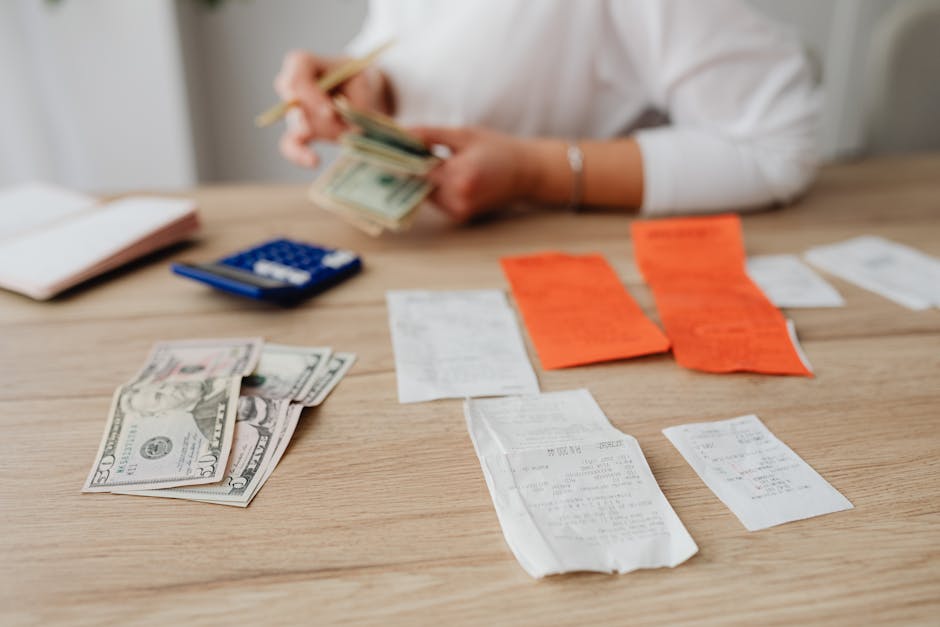
Before booking anything, determine how much you can afford to spend. Break it down into categories: transportation, lodging, food, activities, and miscellaneous expenses. Include a 10–15% buffer for unexpected costs. For example, if you plan a two-week trip to Portugal with a $1,500 budget, allocate roughly $600 for flights, $400 for lodging, $300 for food, $150 for activities, and $50 for emergencies.
nn
Use budgeting apps like Trail Wallet or Splitwise to track spending in real time. These tools help you stay accountable and adjust your habits on the go.

nn
2. Choose the Right Destination
n
Not all destinations are created equal when it comes to affordability. Some countries offer incredible value for money, while others are notoriously expensive. Consider the following when picking where to go:
nn
- n
- Cost of living: Countries like Vietnam, India, and Bolivia are significantly cheaper than Switzerland, Norway, or Japan.
- Exchange rates: Favor destinations where your home currency has strong purchasing power.
- Seasonality: Traveling during the shoulder or off-season can slash prices by 30–50%.
n
n
n
nn
For example, a week in Budapest during spring can cost half as much as the same trip in July, with fewer crowds and pleasant weather.
nn
3. Book Flights Strategically
n
Airfare is often the biggest expense, but there are proven ways to reduce it:
nn
- n
- Be flexible with dates: Flying mid-week (Tuesday or Wednesday) is usually cheaper than weekends.
- Use flight comparison tools: Google Flights, Skyscanner, and Momondo allow you to compare prices across airlines and dates.
- Set price alerts: Get notified when fares drop for your desired route.
- Consider nearby airports: Sometimes flying into a secondary airport saves money and time.
- Book in advance: For international trips, aim to book 2–3 months ahead for the best rates.
n
n
n
n
n
nn
One traveler saved over $400 on a round-trip flight from New York to Lisbon by shifting her departure from Saturday to Tuesday and using a fare alert.
nn
Affordable Accommodation Options
n
Where you stay can make or break your budget. Fortunately, there are many cost-effective alternatives to expensive hotels.
nn
Hostels: Social and Economical
n
Hostels are a staple for budget travelers. They offer dormitory-style rooms at a fraction of hotel prices and often include free Wi-Fi, breakfast, and communal kitchens. Many modern hostels also have private rooms if you prefer more privacy.
nn
Look for highly rated hostels on platforms like Hostelworld or Booking.com. Read recent reviews to ensure cleanliness and safety. In cities like Bangkok or Berlin, you can find clean, secure hostels for under $15 per night.
nn
Alternative Stays: Homestays, Guesthouses, and More
n
Beyond hostels, consider these options:
nn
- n
- Homestays: Live with a local family through platforms like Airbnb or Homestay.com. You’ll often get a room, meals, and cultural insights for less than a hotel.
- Guesthouses and B&Bs: Common in Europe and Asia, these offer a middle ground between hotels and hostels—cozier and often cheaper.
- Couchsurfing: Stay with locals for free through Couchsurfing.com. It’s a great way to meet people and save money, though it requires trust and flexibility.
- House Sitting: Websites like TrustedHousesitters connect travelers with homeowners who need someone to watch their property (and sometimes pets) in exchange for free accommodation.
n
n
n
n
nn
For example, a couple traveling through Italy stayed in a Tuscan farmhouse via a house-sitting arrangement, saving over $1,200 in lodging over three weeks.
nn
Long-Term Stays and Work Exchanges
n
If you’re planning an extended trip, consider work exchanges. Programs like Workaway, WWOOF, or HelpX allow you to volunteer a few hours a day in exchange for room and board. Common opportunities include teaching English, helping on organic farms, or assisting in hostels.
nn
These programs not only reduce costs but also provide deeper cultural immersion. Just be sure to read reviews and communicate clearly with hosts before committing.
nn
Eating Well Without Breaking the Bank
n
Food is a major part of the travel experience—and a major expense. But you don’t need to eat at restaurants every meal to enjoy local cuisine.
nn
Eat Like a Local
n
Tourist restaurants near major attractions often charge inflated prices for mediocre food. Instead, venture a few blocks away to where locals eat. Street food, market stalls, and neighborhood cafes usually offer tastier, cheaper meals.
nn
In Mexico City, a taco from a street vendor costs $1–2 and is often more authentic than a $15 dish at a tourist spot. In Thailand, a bowl of pad Thai from a night market stall can be had for under $2.
nn
Cook Your Own Meals
n
If your accommodation has a kitchen, take advantage of it. Buy groceries from local markets and prepare simple meals. This is especially useful for breakfast and lunch, freeing up your budget for one nice dinner per day.
nn
Farmers’ markets are also great for sampling regional produce, cheeses, and baked goods at low prices. In Barcelona, a visit to La Boqueria offers fresh fruit, jamón, and pastries for under €5.
nn
Take Advantage of Free Breakfasts
n
Many hostels and budget hotels include breakfast in the room rate. Even if it’s just toast, fruit, and coffee, it’s a free meal that saves time and money. Prioritize accommodations that offer this perk.
nn
Getting Around on a Budget
n
Transportation costs can add up quickly, especially in large cities or when traveling between destinations. Here’s how to keep them low.
nn
Use Public Transportation
n
Buses, trams, and metro systems are far cheaper than taxis or ride-sharing apps. In cities like Berlin, Tokyo, or Mexico City, a weekly transit pass can cost less than three taxi rides.
nn
Download local transit apps (like Citymapper or Moovit) for real-time schedules and route planning. Always validate your ticket to avoid fines.
nn
Walk or Bike When Possible
n
Many cities are walkable, especially in historic centers. Walking is free, healthy, and allows you to discover hidden alleys and local life. In places like Prague or Lisbon, you can cover major sights on foot in a day.
nn
If walking isn’t practical, rent a bike. Cities like Amsterdam, Copenhagen, and Barcelona have excellent bike-sharing programs. A day pass often costs less than $10.
nn
Choose Budget Airlines and Buses for Long Distances
n
For intercity travel, compare options:
nn
| Transport Type | Average Cost (per 500 km) | Travel Time | Best For |
|---|---|---|---|
| Budget Airline | $50–$100 | 1–2 hours | Long distances, time-sensitive trips |
| Overnight Bus | $20–$40 | 8–12 hours | Medium distances, saving on lodging |
| Train (Regional) | $30–$60 | 4–6 hours | Scenic routes, comfort |
nn
For example, a flight from Madrid to Barcelona might cost €60 and take 1.5 hours, while an overnight bus costs €25 and takes 8 hours—but includes a night’s sleep, effectively saving you a hotel night.
nn
Free and Low-Cost Activities
n
Experiences don’t have to come with a high price tag. Many of the best things to do are free or very affordable.
nn
Explore Nature and Public Spaces
n
Parks, beaches, hiking trails, and botanical gardens are often free or have minimal entry fees. In cities like San Francisco, you can spend a full day exploring Golden Gate Park, Alcatraz views from the shore, and the Presidio—all without spending a dime.
nn
National parks may charge entrance fees, but many countries offer free admission days or discounted passes for students and seniors. In the U.S., the America the Beautiful pass costs $80 and grants access to all national parks for a year.
nn
Take Advantage of Free Walking Tours
n
Many cities offer free walking tours led by local guides. These operate on a tip-based model, so you pay what you think the tour is worth at the end. They’re a great way to learn history, see major landmarks, and get oriented in a new place.
nn
Companies like Sandemans or local operators in cities like Edinburgh, Buenos Aires, and Hanoi provide high-quality tours. Just be sure to tip fairly—guides often rely on tips for income.
nn
Visit Museums on Discount Days
n
Many museums offer free or reduced admission on certain days of the week or month. For example, the Louvre in Paris is free on the first Saturday of each month from 6 PM to 9:45 PM. The Smithsonian museums in Washington, D.C., are always free.
nn
Check museum websites in advance and plan your itinerary around these opportunities.
nn
Avoiding Common Budget Travel Mistakes
n
Even the most careful travelers can fall into traps that blow their budget. Here are key pitfalls to avoid:
nn
1. Overpacking Your Itinerary
n
Trying to see too much in too little time leads to rushed experiences and higher transportation costs. Focus on a few key destinations and allow time to relax and explore at a slower pace.
nn
2. Ignoring Travel Insurance
n
While it adds to upfront costs, travel insurance can save you thousands in case of medical emergencies, trip cancellations, or lost luggage. Look for policies that cover adventure activities if needed. Compare plans on sites like Squaremouth or InsureMyTrip.
nn
3. Using Credit Cards with Foreign Transaction Fees
n
Many credit cards charge 3% or more on international purchases. Use a no-foreign-fee card like those from Capital One, Chase Sapphire, or Revolut to avoid these hidden costs.
nn
4. Exchanging Money at Airports
n
Airport exchange counters offer the worst rates. Use ATMs in the destination country (check for fees) or withdraw cash from local banks. Notify your bank before traveling to avoid card blocks.
nn
Packing Smart to Save Money
n
What you bring—and don’t bring—can impact your budget.
nn
- n
- Pack light: Avoid checked baggage fees by traveling with a carry-on only. Most budget airlines charge extra for checked bags.
- Bring a reusable water bottle: Save money and reduce plastic waste by refilling instead of buying bottled water.
- Carry a portable charger: Avoid paying for phone charging at airports or cafes.
- Pack versatile clothing: Mix-and-match outfits reduce the need to buy clothes abroad.
n
n
n
n
nn
A well-packed bag not only saves money but also makes travel more comfortable and stress-free.
nn
Staying Safe While Traveling on a Budget
n
Safety should never be compromised to save money. However, there are smart ways to stay secure without overspending:
nn
- n
- Research your destination: Check government travel advisories (like those from the U.S. State Department or UK Foreign Office) for safety tips.
- Keep copies of important documents: Store digital and physical copies of your passport, visa, and insurance.
- Use secure accommodations: Read reviews and look for places with 24-hour reception, lockers, and good lighting.
- Avoid displaying valuables: Keep phones, cameras, and jewelry out of sight to deter theft.
n
n
n
n
nn
Remember: a stolen passport or medical emergency can cost far more than a slightly pricier hotel or flight.
nn
Final Tips for Successful Budget Travel
n
To wrap up this Travel Guide for Budget Travelers, here are three essential takeaways:
nn
- n
- Plan ahead, but stay flexible: Book major expenses early, but leave room for spontaneous discoveries.
- Prioritize experiences over things: Spend on memories, not souvenirs.
- Connect with locals: They often know the best cheap eats, hidden sights, and cultural events.
n
n
n
nn
Budget travel is not about doing less—it’s about doing more with what you have. With the right mindset and preparation, you can explore the
Related keywords: Travel Guide for Budget Travelers Guide.

