

Travel Guide and Packing Tips Guide
Travel Guide and Packing Tips Guide
Whether you’re planning a weekend getaway or a month-long international adventure, a reliable travel guide and packing tips guide can make all the difference. This comprehensive resource covers essential strategies for efficient packing, smart travel planning, and avoiding common pitfalls. From choosing the right luggage to organizing your wardrobe, we provide actionable advice to help you travel lighter, smarter, and more confidently. With practical checklists, real-world examples, and expert-backed recommendations, this guide ensures you’re fully prepared—no matter your destination or travel style.
Why a Travel Guide and Packing Tips Guide Matters
Traveling without a plan often leads to overpacking, forgotten essentials, and unnecessary stress at the airport. A well-structured travel guide and packing tips guide helps streamline your preparation, saving time and reducing anxiety. It ensures you bring only what you need, comply with airline regulations, and stay organized from departure to return. Whether you’re a frequent flyer or a first-time traveler, having a clear system in place increases comfort, minimizes delays, and enhances your overall experience.
Essential Elements of a Smart Travel Plan
Before you even think about packing, a solid travel plan sets the foundation for a smooth trip. Start by researching your destination’s climate, local customs, transportation options, and required documents. For example, a trip to Tokyo in spring requires light layers and an umbrella, while a safari in Kenya demands durable clothing and insect repellent. Knowing what to expect helps you pack appropriately and avoid last-minute purchases.
Step-by-Step Travel Planning Checklist
- Book flights and accommodations early to secure better rates and preferred locations.
- Check visa and passport requirements at least six weeks in advance.
- Review local weather patterns for your travel dates to guide clothing choices.
- Download offline maps and translation apps for areas with limited connectivity.
- Notify your bank and mobile carrier to prevent service disruptions abroad.
- Pack a digital copy of important documents (passport, insurance, itinerary) in cloud storage.
Mastering the Art of Packing: What to Bring and What to Leave Behind
Packing efficiently is about more than just fitting everything into a suitcase. It’s about prioritizing versatility, minimizing weight, and maximizing space. The goal is to bring fewer items that serve multiple purposes. For instance, a wrinkle-resistant button-down shirt can work for a business meeting, a casual dinner, or a sightseeing day with the right accessories.
Clothing: The Foundation of Your Packing List
Start with a color-coordinated wardrobe. Neutral tones like navy, gray, black, and white mix and match easily. Pack clothing that can be layered—this is especially useful for destinations with fluctuating temperatures. For a seven-day trip, aim for five to six tops, three bottoms, one dress or suit (if needed), and one jacket or sweater.
Consider fabric types: merino wool resists odors and regulates temperature, making it ideal for long trips. Quick-dry synthetics are great for active travel. Avoid cotton for multi-day trips—it retains moisture and takes longer to dry.
Footwear: Comfort and Practicality First
Shoes take up significant space and weight, so limit yourself to three pairs maximum: one for walking, one for dressier occasions, and one for lounging or sleeping (like flip-flops). Break in new shoes before your trip to avoid blisters. Use shoe bags or stuff socks inside to save space and protect other items.
Toiletries and Personal Care
Most toiletries can be purchased at your destination, so avoid overpacking. Bring travel-sized containers of essentials: toothpaste, shampoo, deodorant, and any prescription medications. Use a clear, resealable bag for liquids to comply with TSA regulations (3.4 oz or 100ml per container, all fitting in one quart-sized bag).
Don’t forget sunscreen, lip balm with SPF, and any specialized items like contact lens solution or skincare serums. If you’re traveling to a region with hard water, consider bringing your own travel-sized moisturizer to combat dryness.
Electronics and Gadgets
Limit electronics to what you’ll actually use. A smartphone, charger, and portable power bank are essential. If you’re bringing a camera, ensure you have extra batteries and memory cards. For international travel, pack a universal power adapter—research the plug types used in your destination country beforehand.
Avoid bringing multiple devices. Instead of a laptop and tablet, consider a 2-in-1 device. Use cloud storage to back up photos and documents so you can leave hard drives at home.
Packing Techniques That Save Space and Reduce Wrinkles
How you pack is just as important as what you pack. Using the right techniques can help you fit more into your luggage while keeping clothes neat and accessible.
Rolling vs. Folding: Which Is Better?
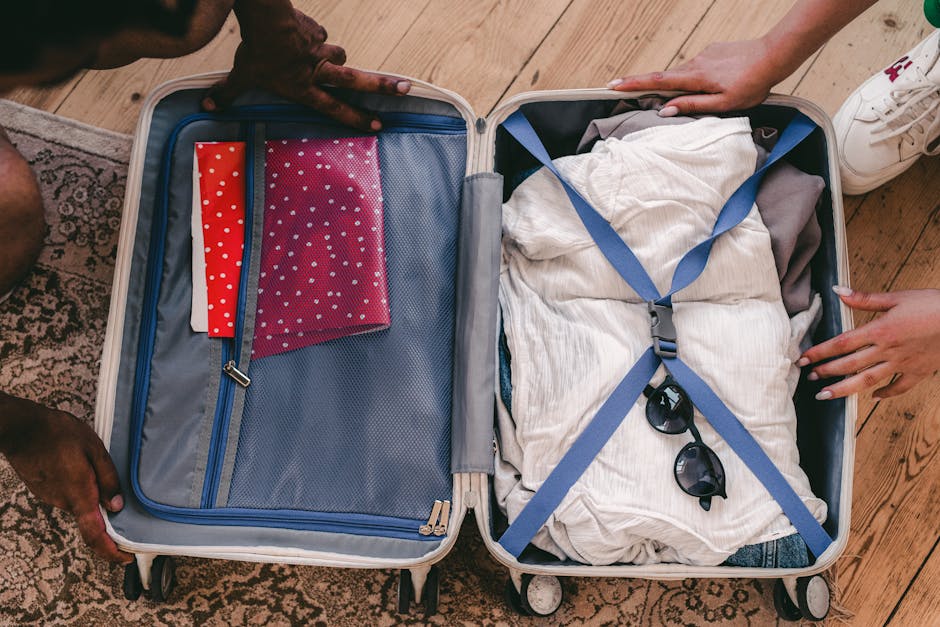
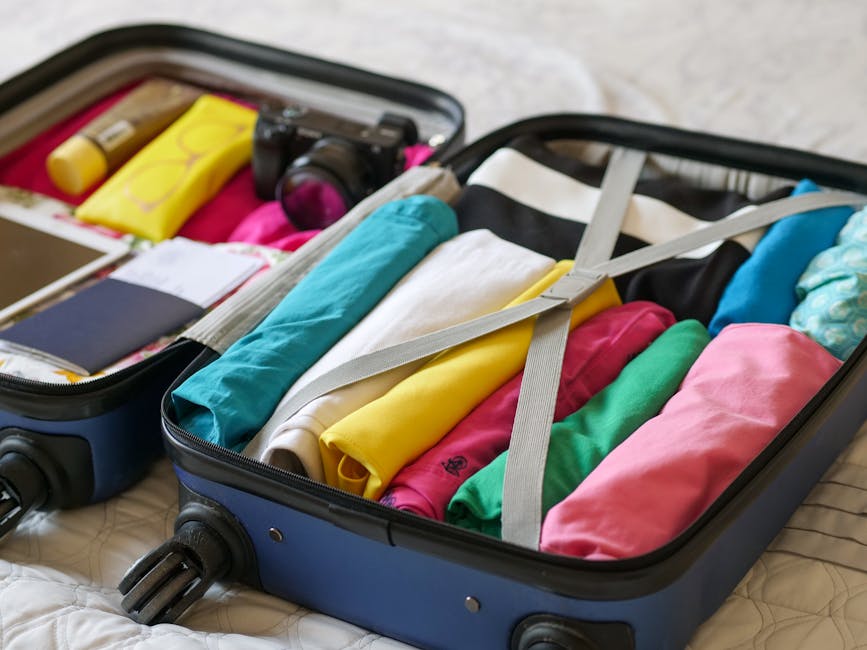
Rolling clothes saves space and reduces wrinkles, especially for casual wear like t-shirts, jeans, and pajamas. Folding works better for structured items like dress shirts and blazers. For maximum efficiency, use a combination: roll soft items and fold formal ones.
Use Packing Cubes and Compression Bags
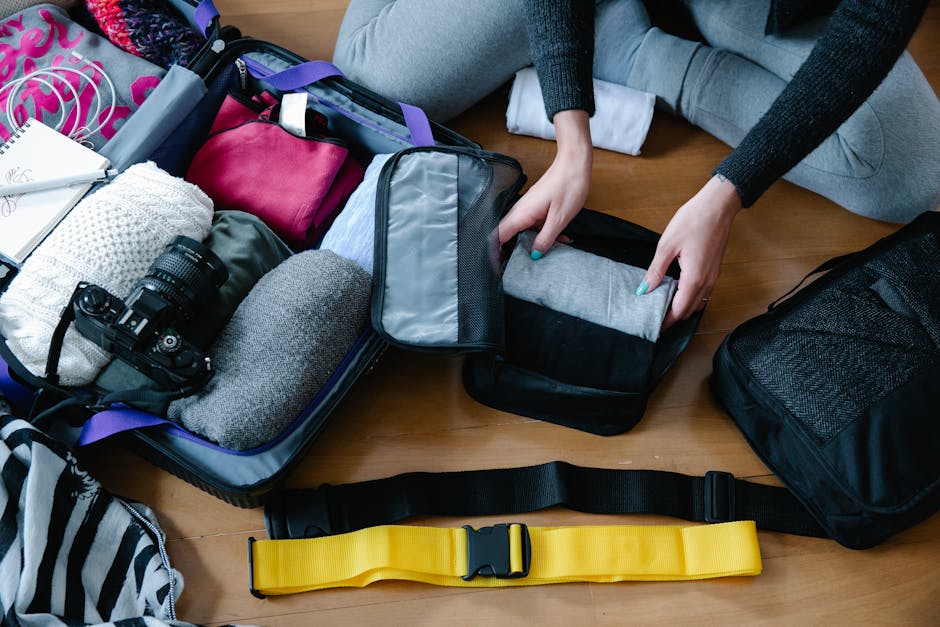
Packing cubes organize your suitcase and make it easy to locate items without unpacking everything. Compression bags are ideal for bulky items like sweaters or jackets—they reduce volume by up to 50%. However, avoid over-compressing delicate fabrics, as this can cause permanent creasing.
Maximize Empty Spaces
Fill shoes with small items like socks, chargers, or jewelry. Place heavier items at the bottom of your suitcase, near the wheels, to improve balance. Use the inside of hats or bags to store lightweight accessories.
Choosing the Right Luggage for Your Trip
The type of luggage you choose depends on the length and nature of your trip. Consider durability, weight, maneuverability, and airline restrictions.
Carry-On vs. Checked Bag: When to Use Each
A carry-on is ideal for short trips, business travel, or destinations with unreliable baggage handling. Most airlines allow carry-ons up to 22 x 14 x 9 inches. If you’re traveling for more than five days or need formal attire, a checked bag may be necessary.
Weigh your luggage before heading to the airport—many airlines charge fees for bags over 50 lbs (23 kg). A digital luggage scale can prevent surprise charges.
Backpacks, Duffels, and Hard-Shell Suitcases: Pros and Cons
| Type | Best For | Pros | Cons |
|---|---|---|---|
| Backpack | Adventure travel, city exploration | Hands-free, great for uneven terrain | Less organization, harder to access items |
| Duffel Bag | Short trips, gym use, outdoor activities | Lightweight, flexible, easy to carry | No structure, prone to overpacking |
| Hard-Shell Suitcase | Air travel, protection of fragile items | Durable, weather-resistant, secure | Heavy, less flexible, can crack under pressure |
Travel Documents and Security Essentials
Never leave home without the right documents. Keep originals secure and carry photocopies or digital backups. Store digital copies in a password-protected cloud service like Google Drive or iCloud.
Must-Have Documents
- Passport (valid for at least six months beyond your return date)
- Visa or entry permit (if required)
- Flight and hotel confirmations
- Travel insurance policy details
- Emergency contact information
- Copies of prescriptions and medical records
Use a travel wallet or document organizer to keep everything in one place. Avoid keeping all documents in your checked luggage—always carry them with you.
Health and Safety Considerations
Staying healthy while traveling starts before you leave. Visit your doctor or a travel clinic at least four to six weeks before departure to discuss vaccinations and medications.
Common Health Precautions
- Get recommended vaccines (e.g., hepatitis A, typhoid, yellow fever)
- Pack a basic first-aid kit: band-aids, antiseptic wipes, pain relievers, antihistamines
- Bring hand sanitizer and disinfectant wipes for public surfaces
- Stay hydrated and avoid tap water in regions with poor sanitation
- Use insect repellent in areas with mosquito-borne diseases
If you have a chronic condition, carry a letter from your doctor explaining your medication needs. This can help at customs and in case of emergency.
Packing for Different Types of Travel
Your packing list should adapt to your travel style. A beach vacation requires different gear than a business conference or a mountain trek.
Beach and Tropical Getaways
- Lightweight, breathable clothing (linen, cotton blends)
- Swimwear (pack two sets)
- Sunglasses, wide-brimmed hat, reef-safe sunscreen
- Waterproof phone case or dry bag
- Flip-flops and water shoes
Business Travel
- Wrinkle-resistant suits or blazers
- Collared shirts or blouses
- Professional shoes (polished and comfortable)
- Portfolio or laptop bag
- Chargers and presentation materials
Adventure and Outdoor Travel
- Moisture-wicking base layers
- Insulated jacket and rain gear
- Hiking boots and trekking poles
- Headlamp, compass, and multi-tool
- Reusable water bottle with filter
Last-Minute Packing Tips
Even with the best planning, last-minute tasks can slip through the cracks. Use this checklist 24 hours before departure:
- Confirm flight times and gate information
- Charge all devices and pack chargers
- Empty and clean out your refrigerator
- Set up mail holds or pet care
- Double-check that your luggage meets size and weight limits
- Lock your home and set alarms
Avoid packing liquids or sharp objects in your carry-on at the last minute—these can delay security screening.
Common Packing Mistakes to Avoid
Even experienced travelers make errors. Here are frequent missteps and how to prevent them:
- Overpacking: Stick to a list and limit yourself to one suitcase or backpack.
- Ignoring airline restrictions: Check carry-on and checked bag policies for your airline.
- Packing prohibited items: Avoid bringing liquids over 3.4 oz, sharp objects, or flammable materials in your carry-on.
- Forgetting adapters or converters: Research your destination’s electrical outlets and voltage.
- Not labeling your luggage: Use a durable tag with your name, phone number, and email.
Eco-Friendly and Sustainable Packing
Travel sustainably by choosing reusable and biodegradable products. Bring a reusable water bottle, utensils, and shopping bag to reduce plastic waste. Choose luggage made from recycled materials and support eco-conscious brands.
Avoid single-use toiletries—opt for solid shampoo bars and bamboo toothbrushes. When possible, buy local products at your destination instead of packing everything from home.
Final Thoughts: Your Complete Travel Guide and Packing Tips Guide
A well-prepared traveler is a confident traveler. By following this travel guide and packing tips guide, you’ll save time, reduce stress, and enjoy a smoother journey. Focus on versatility, organization, and preparation. Remember, the goal isn’t to bring everything—it’s to bring only what you need and use it well.
Whether you’re heading to Paris, Bali, or a national park, the principles remain the same: plan ahead, pack smart, and stay flexible. With these strategies, you’re ready for any adventure.
FAQ
What should I pack for a 7-day trip?
For a 7-day trip, aim for 5–6 tops, 3 bottoms, 1 jacket, 3 pairs of underwear, 3 pairs of socks, and 2–3 pairs of shoes. Add toiletries, medications, electronics, and documents. Use packing cubes to stay organized.
Can I bring a power bank on a plane?
Yes, you can bring a power bank in your carry-on, but it must be 100 watt-hours or less. Do not pack it in checked luggage, as lithium batteries are prohibited there.
How do I prevent clothes from wrinkling in my suitcase?
Roll soft fabrics, fold structured items, and use packing cubes. Place heavier items at the bottom and avoid overpacking. For dress shirts, use tissue paper between folds or pack them in a garment folder.

