
Top Tourist Attractions in New York City Guide
Top Tourist Attractions in New York City Guide
New York City is home to some of the world’s most iconic landmarks and cultural destinations. Exploring New York City tourist attractions reveals important insights. Whether you’re visiting for the first time or returning to rediscover its energy, this guide covers the top tourist attractions in New York City that define the city’s spirit. From towering skyscrapers and world-class museums to serene green spaces and bustling neighborhoods, NYC offers unforgettable experiences for every traveler. This guide highlights must-see sights, practical visiting tips, and lesser-known insights to help you make the most of your trip.
Why Visit New York City?
New York City consistently ranks among the most visited cities globally, and for good reason. It blends history, art, architecture, entertainment, and cuisine into a dynamic urban experience. With over 60 million tourists annually, the city thrives on diversity and constant reinvention. Whether you’re drawn to Broadway shows, historic sites, or panoramic views from observation decks, NYC delivers. Its public transit system makes getting around relatively easy, and many attractions are within walking distance of one another—especially in Manhattan.
Iconic Landmarks You Can’t Miss
Several landmarks have become synonymous with New York City’s identity. These sites attract millions each year and offer both photo opportunities and cultural significance.
Statue of Liberty and Ellis Island
A symbol of freedom and hope, the Statue of Liberty stands on Liberty Island in New York Harbor. A gift from France in 1886, it welcomed millions of immigrants arriving by ship. Today, visitors can take a ferry from Battery Park to see the statue up close and explore the museum inside the pedestal. Nearby Ellis Island, once the nation’s busiest immigration station, now houses a powerful museum detailing the immigrant experience.
- Best time to visit: Early morning to avoid crowds
- Ticket tip: Book Crown Access tickets in advance—they sell out quickly
- Duration: Allow 3–4 hours for both sites
Empire State Building
Completed in 1931, the Empire State Building remains one of the most recognizable skyscrapers in the world. Its Art Deco design and 86th and 102nd-floor observatories offer sweeping views of Manhattan and beyond. The building lights up in different colors to mark holidays and events, adding to its visual appeal.
- Skip the line: Purchase Express Pass tickets online
- Viewing advice: Visit at sunset for daylight and nighttime views
- Alternative: Consider Top of the Rock for a view that includes the Empire State Building
One World Observatory
Located at the top of One World Trade Center in Lower Manhattan, this observatory provides a modern, high-tech experience. The SkyPod elevator accelerates to the 100th floor in under a minute, and interactive exhibits share the story of the rebuilt World Trade Center site. The views span Brooklyn, New Jersey, and the Statue of Liberty.
- Security: Expect airport-style screening
- Photography: Glass walls minimize reflections—great for photos
- Nearby: Visit the 9/11 Memorial & Museum afterward
Cultural and Historical Attractions
Beyond landmarks, NYC is rich in history and culture. Its museums, theaters, and neighborhoods offer deep dives into American and global heritage.
The Metropolitan Museum of Art (The Met)
One of the world’s largest and most prestigious art museums, The Met houses over 2 million works spanning 5,000 years. Highlights include Egyptian artifacts, European masterpieces, and the rooftop garden with seasonal installations. The Met Cloisters, located in Fort Tryon Park, focuses on medieval European art and architecture.
- Admission: Pay-what-you-wish for NY residents and students from NY, NJ, CT
- Must-sees: Temple of Dendur, European paintings, American Wing
- Plan ahead: Use the museum map to prioritize galleries
American Museum of Natural History
Located on the Upper West Side, this museum is a favorite for families and science enthusiasts. Its exhibits include dinosaur fossils, a life-sized blue whale model, and the Hayden Planetarium. The museum also hosts temporary exhibitions on topics like climate change and human origins.
- Tip: Download the museum app for interactive maps and audio guides
- Don’t miss: The Hall of Biodiversity and the Fossil Halls
- Timing: Allow at least half a day for a thorough visit
9/11 Memorial & Museum
This solemn and moving tribute honors the victims of the September 11 attacks. The memorial features two reflecting pools set in the footprints of the original Twin Towers, surrounded by the names of those lost. The museum beneath offers personal stories, artifacts, and multimedia exhibits.
- Emotional note: Prepare for a powerful, reflective experience
- Visiting hours: Open daily; arrive early to avoid lines
- Accessibility: Free admission for children under 6; discounts for students and seniors
Parks and Outdoor Spaces
Despite its urban density, NYC offers expansive green spaces perfect for relaxation and recreation.
Central Park
Spanning 843 acres in the heart of Manhattan, Central Park is a sanctuary amid the city’s hustle. Designed by Frederick Law Olmsted and Calvert Vaux, it features meadows, lakes, walking paths, and landmarks like Bethesda Terrace and Bow Bridge. Popular activities include rowing on the lake, visiting the Central Park Zoo, and attending free performances at SummerStage.
- Best entrances: 59th & 5th Ave (Grand Army Plaza), 72nd & Central Park West
- Rentals: Bike, rowboat, and horse-drawn carriage rides available
- Seasonal tip: Visit in fall for foliage or winter for ice skating at Wollman Rink
Brooklyn Bridge Park
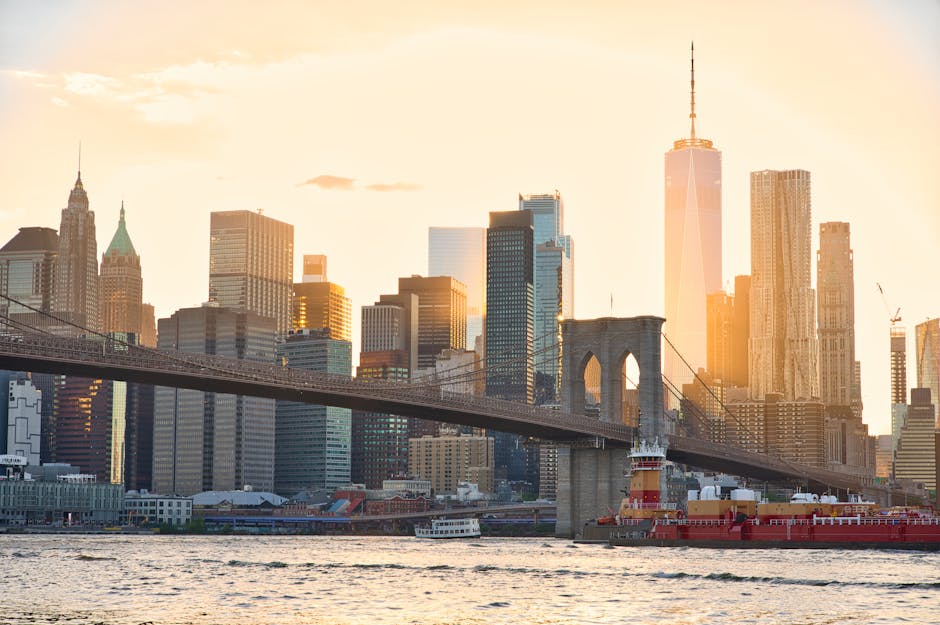
This waterfront park along the East River offers stunning views of the Manhattan skyline, the Brooklyn Bridge, and the Statue of Liberty. With playgrounds, sports courts, and picnic areas, it’s a favorite for locals and tourists alike. The park also hosts outdoor movies and fitness classes in warmer months.
- Access: Walk across the Brooklyn Bridge or take the subway to York Street
- Photo spot: Jane’s Carousel and the Piers 1–6 promenade
- Nearby: Explore DUMBO for cobblestone streets and art galleries
High Line
Built on a historic freight rail line elevated above the streets of Manhattan’s West Side, the High Line is a unique linear park. Lined with gardens, art installations, and seating areas, it offers a peaceful escape with views of the Hudson River and city streets below. The park runs from Gansevoort Street to 34th Street.
- Walking time: About 1.5 miles; allow 1–2 hours to explore
- Best sections: The Chelsea Thicket and the Rail Yards
- Combine with: Visit the nearby Whitney Museum of American Art
Entertainment and Performing Arts
NYC is the global capital of theater, music, and live performance.
Broadway and Theater District
Broadway is synonymous with world-class theater. Exploring New York City tourist attractions reveals important insights. Located in Times Square and the surrounding blocks, it hosts long-running musicals, plays, and new productions. Shows like The Lion King, Hamilton, and Wicked draw audiences from around the world.
- Tickets: Buy in advance online or try same-day discounts at TKTS booths
- TKTS locations: Times Square, Lincoln Center, South Street Seaport
- Tip: Check for lottery or rush ticket options for popular shows
Carnegie Hall and Lincoln Center
For classical music and opera, Carnegie Hall and Lincoln Center are premier venues. Carnegie Hall, opened in 1891, has hosted legends like Tchaikovsky and Duke Ellington. Lincoln Center is home to the Metropolitan Opera, New York Philharmonic, and Juilliard School.
- Tours: Both offer behind-the-scenes tours
- Season: Performances run year-round; check schedules online
- Dress code: Smart casual is typical; no strict requirements
Neighborhoods to Explore
Each NYC neighborhood has its own character, from historic charm to trendy boutiques.
SoHo and Greenwich Village
SoHo is known for its cast-iron architecture, art galleries, and high-end shopping. Greenwich Village offers a bohemian vibe with tree-lined streets, historic townhouses, and Washington Square Park. Both areas are great for walking, dining, and people-watching.
- Eat here: Try a classic New York slice in the Village or brunch in SoHo
- Shopping: SoHo has flagship stores; the Village has independent boutiques
- Transport: Both are easily accessible by subway
Chinatown and Little Italy
These adjacent neighborhoods offer a taste of global culture. Chinatown is one of the largest Chinese communities outside Asia, with bustling markets, dim sum restaurants, and traditional pharmacies. Little Italy, though smaller than in the past, still features Italian eateries and the annual Feast of San Gennaro.
- Must-try: Pork buns in Chinatown, cannoli in Little Italy
- Best time: Visit during festivals for authentic experiences
- Walking tour: Combine both in one afternoon
Williamsburg, Brooklyn
A hub for artists, musicians, and young professionals, Williamsburg blends industrial history with modern creativity. Its streets are lined with vintage shops, craft breweries, and rooftop bars. The waterfront offers views of Manhattan and access to ferry service.
- Getting there: Take the L train to Bedford Avenue
- Don’t miss: Smorgasbord food market on weekends
- Stay: Consider a Brooklyn hotel for a local experience
Practical Tips for Visitors
Navigating NYC is easier with a few key strategies.
Transportation
The subway is the fastest way to get around. The MetroCard or OMNY contactless payment system works on all trains and buses. Taxis and ride-shares are convenient but can be expensive during rush hour.
- Subway map: Download the MTA app for real-time updates
- Safety: Stay aware of your surroundings, especially at night
- Walking: Many attractions are within walking distance in Manhattan
Timing Your Visit
Avoid peak tourist seasons if possible. Summer (June–August) is busy and hot, while winter (December–February) can be cold but offers holiday decorations and fewer crowds. Spring (April–May) and fall (September–October) offer mild weather and vibrant scenery.
Budgeting
NYC can be expensive, but many attractions are free or low-cost. Public parks, street performances, and museum pay-what-you-wish days help stretch your budget. Pack snacks and use refillable water bottles to save on food costs.
Comparison of Top Observation Decks
For panoramic views, NYC offers several observation decks. Here’s how they compare:
| Attraction | Height | Location | Unique Feature | Average Wait Time |
|---|---|---|---|---|
| Empire State Building | 1,250 ft (381 m) | Midtown Manhattan | Art Deco architecture, iconic status | 30–60 minutes |
| Top of the Rock | 850 ft (259 m) | Rockefeller Center | Views include Empire State Building | 20–40 minutes |
| One World Observatory | 1,268 ft (387 m) | Lower Manhattan | SkyPod elevator, 9/11 memorial nearby | 15–30 minutes |
| Edge at Hudson Yards | 1,131 ft (345 m) | West Side, Manhattan | Highest outdoor sky deck in the Western Hemisphere | 20–45 minutes |
Final Thoughts
Exploring the top tourist attractions in New York City offers a mix of awe-inspiring sights, cultural depth, and urban energy. Whether you’re marveling at the skyline from an observatory, walking through centuries of art at The Met, or enjoying a quiet moment in Central Park, NYC rewards curiosity and adventure. With careful planning—especially around tickets, timing, and transportation—you can experience the best of the city without unnecessary stress. Remember to wear comfortable shoes, stay hydrated, and embrace the unexpected moments that make New York truly unforgettable.
FAQ
What is the best time of year to visit New York City?
Spring (April–May) and fall (September–October) offer pleasant weather, fewer crowds, and beautiful scenery. Avoid summer if you dislike heat and large crowds.
Do I need a car to get around NYC?
No. The subway, buses, and walking are the most efficient ways to travel. Parking is expensive and traffic can be heavy.
Are there free attractions in NYC?
Yes. Central Park, the High Line, Brooklyn Bridge Park, and many museums offer free or pay-what-you-wish admission on certain days.

