
Tokyo Nightlife Travel Guide: Where to Go, What to Do, and How to Stay Safe
Tokyo’s nightlife is legendary—diverse, safe, and open late. Whether you’re into rooftop bars, underground jazz clubs, or neon-lit karaoke booths, the city delivers unforgettable after-dark experiences. This guide covers the best districts, venue types, practical tips, and cultural norms to help you navigate Tokyo’s night scene with confidence. From first-time visitors to repeat travelers, you’ll find actionable advice to make the most of your evening out.
Why Tokyo’s Nightlife Stands Out
Tokyo combines safety, variety, and late-night accessibility like few cities can. Most neighborhoods stay lively past midnight, and many bars and clubs operate until 5 a.m. or later. Public transportation runs efficiently until around 12:30 a.m., with night buses and taxis available afterward.
The city offers something for every taste: high-energy dance floors in Shibuya, intimate speakeasies in Ginza, and quirky themed bars in Shinjuku. Unlike many global capitals, Tokyo is remarkably safe for solo travelers and groups alike—petty crime is rare, and locals are generally respectful and helpful.
Top Nightlife Districts in Tokyo
Choosing the right neighborhood sets the tone for your night. Each area has a distinct vibe, price range, and crowd. Below are the most popular districts for nightlife, ranked by atmosphere and accessibility.
Shinjuku: The Beating Heart of Tokyo Nights
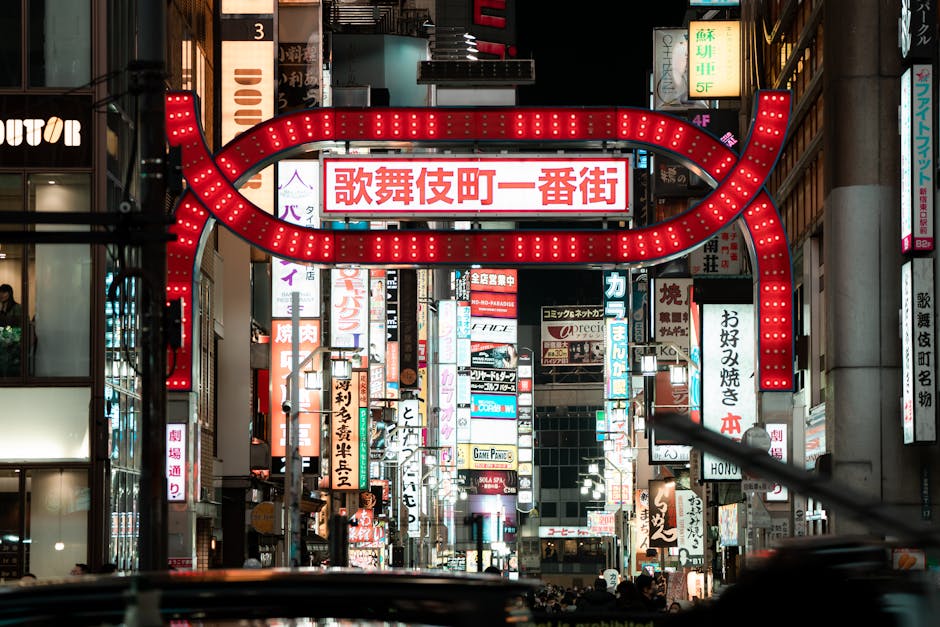
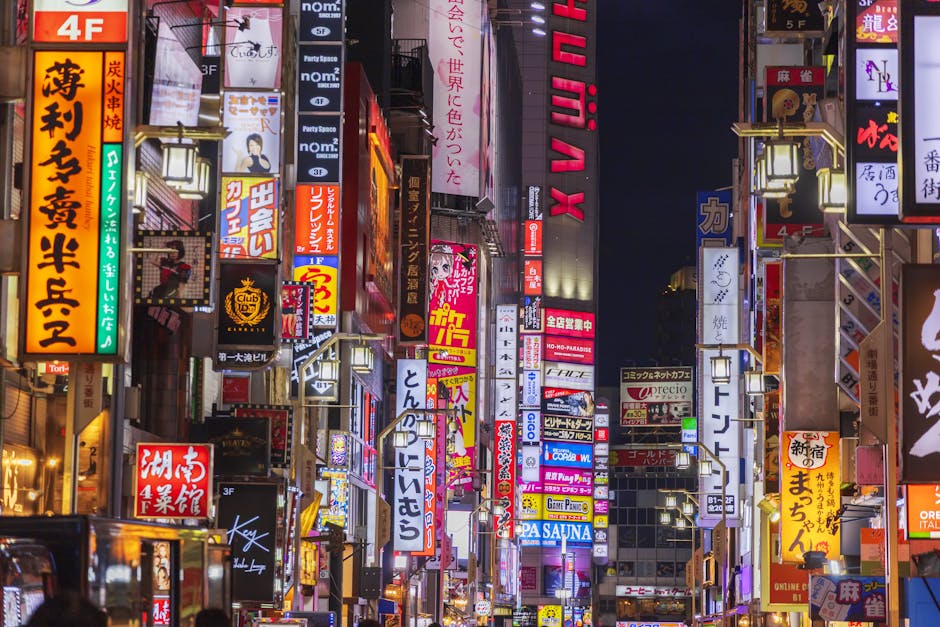
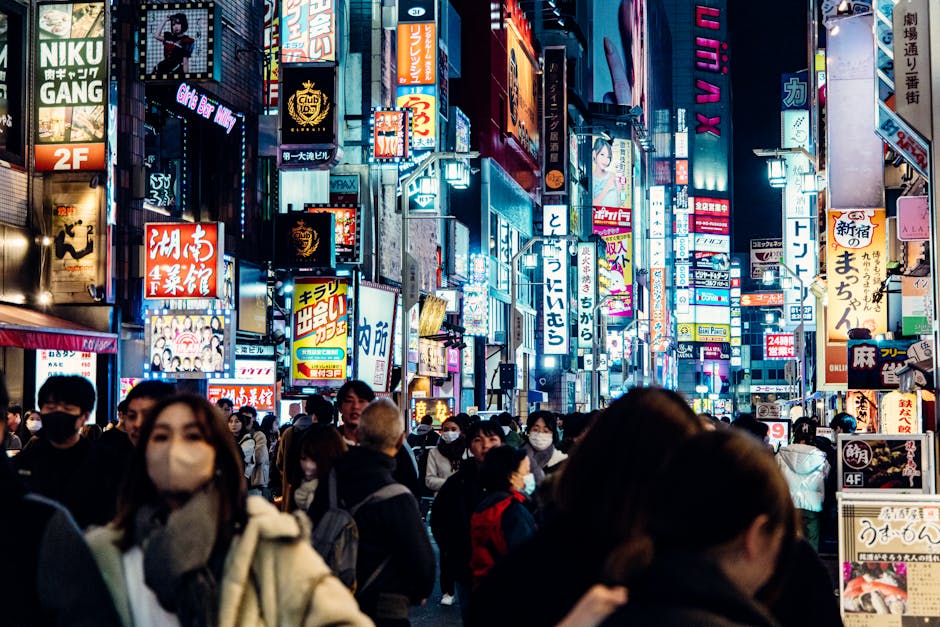
Shinjuku is Tokyo’s most iconic nightlife hub. It’s home to everything from massive nightclubs to tiny standing bars. The area splits into two main zones: Shinjuku Sanchome (calmer, with upscale lounges) and Kabukicho (livelier, with neon signs and host/hostess clubs).
Kabukicho can feel overwhelming at first—touts may approach you near the entrance. Politely decline and head toward Golden Gai or Memory Lane (Omoide Yokocho) for a more authentic experience. These narrow alleys pack in dozens of micro-bars, many seating only 6–10 people.
Shibuya: Youth Energy and Late-Night Beats
Shibuya draws a younger, fashion-forward crowd. It’s ideal for clubbing, live music, and people-watching. Womb and Contact are top-tier clubs with international DJs, while Loft and Shibuya O-West host live bands and indie acts.
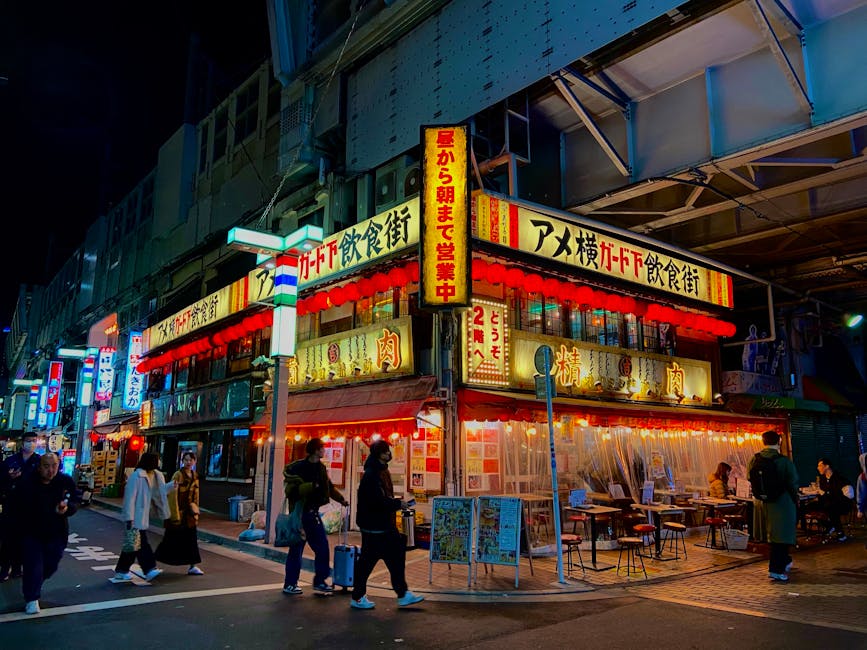
The area around Shibuya Crossing stays busy until 2 a.m., with convenience stores and fast food open all night. For a quieter drink, try Nonbei Yokocho (“Drunkard’s Alley”), a cluster of tiny izakayas under the train tracks.
Roppongi: International Flair and Rooftop Views
Roppongi caters to expats, tourists, and business travelers. It’s known for upscale lounges, international restaurants, and clubs with English-speaking staff. Many venues offer city views from high floors or rooftops.
While convenient, Roppongi can be pricier and less “local” than other areas. Stick to well-reviewed spots and avoid touts near the main intersection. Roppongi Hills and Tokyo Midtown have cleaner, safer environments with quality bars.
Ebisu & Daikanyama: Chic and Relaxed
These neighboring districts offer a more refined night out. Ebisu is known for craft cocktail bars and wine lounges, while Daikanyama blends boutique shopping with cozy pubs and jazz cafes.
The crowd here tends to be older and more relaxed. It’s a great choice if you prefer conversation over dancing. Many bars close earlier—around 11 p.m. to 1 a.m.—so plan accordingly.
Shimokitazawa: Indie Vibes and Local Charm
Shimokitazawa (or “Shimokita”) is beloved by locals for its indie music scene, vintage shops, and laid-back bars. It’s less touristy and more affordable than central districts.
Venues are small and often cash-only. Live houses like Koenji and Shimokitazawa Garage host bands most nights. The area feels like a neighborhood hangout, not a tourist trap.
Types of Nightlife Venues in Tokyo
Tokyo’s nightlife isn’t just bars and clubs—it’s a culture of specialized spaces. Understanding the options helps you pick the right spot for your mood.
Izakayas: Casual Drinking and Small Plates
Izakayas are Japan’s version of pubs—relaxed spots for drinks and shared dishes. They’re perfect for groups or casual meetups. Most serve beer, sake, shochu, and highballs (whiskey and soda).
Look for places with a “nomihodai” (all-you-can-drink) option, usually 60–90 minutes for ¥1,500–¥2,500. Popular chains like Torikizoku or Yoroniku offer consistent quality and English menus.
Standing Bars (Tachinomi)
Tachinomi bars are exactly what they sound like—places where you drink standing up. They’re cheap, fast, and social. Many are no bigger than a closet, with room for 8–15 people.
These bars thrive in Shinjuku, Shibuya, and Koenji. Drinks start at ¥300, and the vibe is unfiltered Tokyo. Bring cash and be ready to mingle.
Karaoke Boxes
Karaoke is a national pastime. Private rooms (karaoke boxes) let you sing without stage fright. Big chains like Karaoke Kan and Big Echo have English song lists and themed rooms.
Prices vary by time and group size. Off-peak hours (before 7 p.m.) are cheapest. Most places offer drink packages and snack menus.
Host and Hostess Clubs
These are entertainment venues where staff engage guests in conversation, pour drinks, and provide companionship. They’re expensive and not for everyone.
Host clubs cater to women; hostess clubs to men. Tipping is built into the pricing. Avoid touts who promise “free entry”—they often lead to overcharging. If you go, set a budget beforehand.
Clubs and Live Music Venues
Tokyo’s club scene rivals global capitals. Womb (Shibuya), AgeHa (Shin-Kiba), and Vent (Shinjuku) draw top DJs. Live houses like Blue Note Tokyo (jazz) and Liquidroom (indie/rock) offer quality performances.
Entry fees range from ¥2,000 to ¥5,000. Some venues require advance tickets. Dress codes vary—smart casual is safe; avoid flip-flops and gym wear.
Practical Tips for Enjoying Tokyo Nightlife
A few smart habits go a long way in Tokyo. The city runs on etiquette, timing, and preparation.
Transportation After Midnight
The last trains typically depart between 12:30 a.m. and 1 a.m. Use Google Maps or the Jorudan app to check exact times. Night buses (“深夜バス”) run on major routes but are slower.
Taxis are safe but expensive—a 30-minute ride can cost ¥5,000 or more. Consider staying near a 24-hour venue or booking a hotel within walking distance of your plans.
Payment Methods
Many bars, especially small ones, are cash-only. ATMs at convenience stores (7-Eleven, FamilyMart) accept foreign cards. Inform your bank of travel plans to avoid card blocks.
Mobile payments like Apple Pay are accepted in larger venues but not universal. Always carry ¥3,000–¥5,000 in cash for smaller spots.
Dress Code and Behavior
Tokyo values modesty and quiet confidence. Avoid loud conversations, especially on trains or in residential areas. Dress neatly—ripped jeans or beachwear won’t fly in most bars.
Smoking is banned indoors in most places. Look for designated smoking areas outside. Vaping is often treated the same as smoking.
Safety and Scams
Tokyo is one of the safest cities in the world. Violent crime is rare. However, be cautious of overcharging at unlicensed bars, especially in Kabukicho or Roppongi.
If a tout invites you to a “free drink” or “special show,” walk away. Licensed venues display their prices clearly. When in doubt, ask your hotel concierge for recommendations.
Sample Itineraries for Different Travelers
Your ideal night depends on your interests. Here are three realistic plans based on common traveler types.
First-Time Visitor: Classic Tokyo Night
Start with dinner in Shinjuku—try an izakaya like Han no Daidokoro for grilled skewers and highballs. Walk to Golden Gai around 9 p.m. and pop into a few micro-bars (Bar Ishinpai is a favorite).
End the night with karaoke in Shibuya. Big Echo near the station has English support and late hours. Catch the last train home or take a taxi if you miss it.
Music Lover: Live and Loud
Check listings at Tokyo Gig Guide or Time Out Tokyo. Head to Liquidroom in Ebisu for indie bands or Blue Note in Ginza for jazz. Arrive early for good seats.
After the show, grab a drink at a nearby standing bar. Many musicians hang out post-gig in Shimokitazawa or Koenji.
Foodie: Late-Night Bites and Drinks
Tokyo’s food scene doesn’t sleep. Try ramen at Ichiran or Ippudo (open 24/7 in some locations), or yakitori at a standing bar in Omoide Yokocho.
Pair with sake at a traditional “sake bar” like Sake Plaza in Ginza. Many serve small plates and close around 11 p.m.
Comparison of Popular Tokyo Nightlife Districts
| District | Vibe | Best For | Average Drink Price | Safety Level |
|---|---|---|---|---|
| Shinjuku (Kabukicho) | High-energy, neon-lit | Clubs, themed bars, nightlife variety | ¥800–¥1,500 | Very safe (avoid touts) |
| Shibuya | Youthful, trendy | Clubs, live music, people-watching | ¥700–¥1,200 | Very safe |
| Roppongi | International, upscale | Rooftop bars, expat scene | ¥1,000–¥2,000 | Safe (watch for overcharging) |
| Ebisu | Chic, relaxed | Cocktails, wine, conversation | ¥900–¥1,500 | Very safe |
| Shimokitazawa | Indie, local | Live music, affordable drinks | ¥500–¥900 | Very safe |
Final Thoughts
Tokyo’s nightlife rewards curiosity and respect. Go beyond the obvious spots, talk to locals, and embrace the city’s unique rhythms. Whether you’re sipping craft cocktails in a hidden basement bar or dancing until dawn under neon lights, the experience will stay with you.
Plan ahead, stay aware, and keep an open mind. With its blend of tradition and innovation, Tokyo offers one of the world’s most exciting night scenes—safe, diverse, and endlessly surprising.
FAQ
Is Tokyo safe for solo travelers at night?
Yes. Tokyo is consistently ranked among the safest cities globally. Violent crime is rare, and public spaces are well-lit and monitored. Solo travelers, including women, can explore confidently—just avoid unlicensed bars and stay aware of your surroundings.
Do I need to speak Japanese to enjoy nightlife in Tokyo?
Not necessarily. Many staff in tourist areas speak basic English, and menus often have pictures or translations. Learning a few phrases (like “sumimasen” for “excuse me”) helps. In smaller bars, smiles and gestures go a long way.
What time do bars and clubs close in Tokyo?
Most bars close between 11 p.m. and 2 a.m., while clubs often stay open until 5 a.m. or later. Some izakayas and karaoke boxes operate 24/7. Always check closing times in advance, especially on weekdays.

