
Singapore Travel Guide: Top Attractions
Singapore Travel Guide: Top Attractions
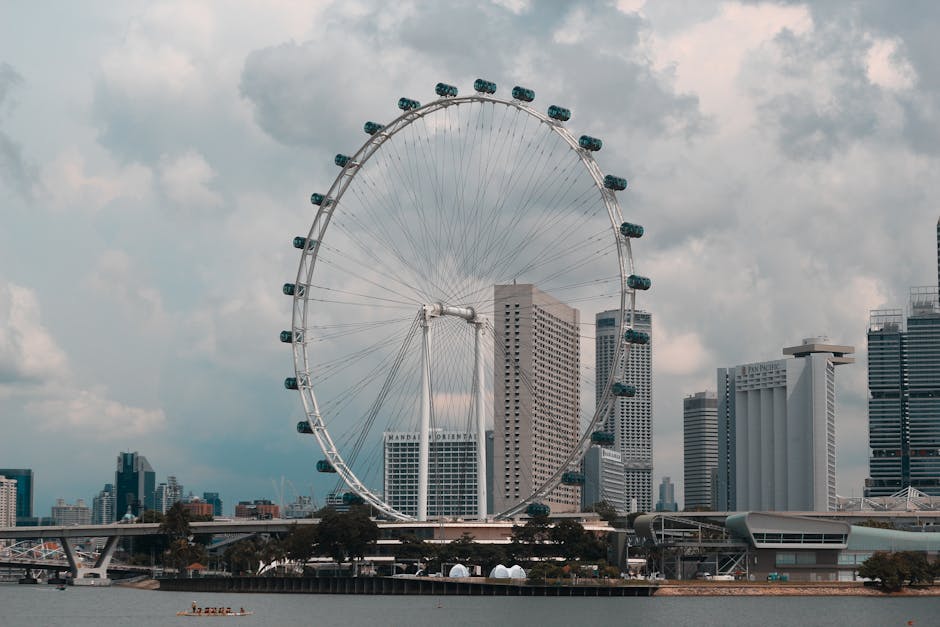
Singapore is a vibrant city-state that blends modern innovation with rich cultural heritage. Whether you’re exploring lush gardens, iconic skylines, or historic neighborhoods, this compact destination offers world-class experiences in a short time. From family-friendly theme parks to serene nature reserves, Singapore’s top attractions cater to every type of traveler. This guide highlights the must-visit spots, practical tips, and essential insights to help you plan a seamless trip.
Why Visit Singapore?
Singapore consistently ranks among the world’s most livable and visitor-friendly cities. Its efficient public transport, clean streets, and diverse culinary scene make it ideal for first-time international travelers and seasoned explorers alike. The city is safe, multilingual, and packed with attractions within easy reach—no car needed.
Beyond its reputation as a financial hub, Singapore offers a surprising variety of experiences. You can spend the morning at a high-tech science center, the afternoon wandering through a traditional Malay village, and the evening watching a light show from a rooftop bar. The blend of cultures—Chinese, Malay, Indian, and Western—shapes everything from food to festivals.
Top Attractions in Singapore
Marina Bay Sands
Marina Bay Sands is more than just a luxury hotel—it’s a symbol of modern Singapore. The complex includes a casino, high-end shopping, fine dining, and the famous SkyPark Observation Deck. From the 57th floor, you’ll enjoy panoramic views of the city skyline, Gardens by the Bay, and the Marina Bay waterfront.
The infinity pool on the SkyPark is a major draw, though access is restricted to hotel guests. Even if you’re not staying there, visiting the observation deck or dining at one of the restaurants offers a taste of the experience. Book tickets online in advance to avoid long queues, especially during weekends and holidays.
Gardens by the Bay
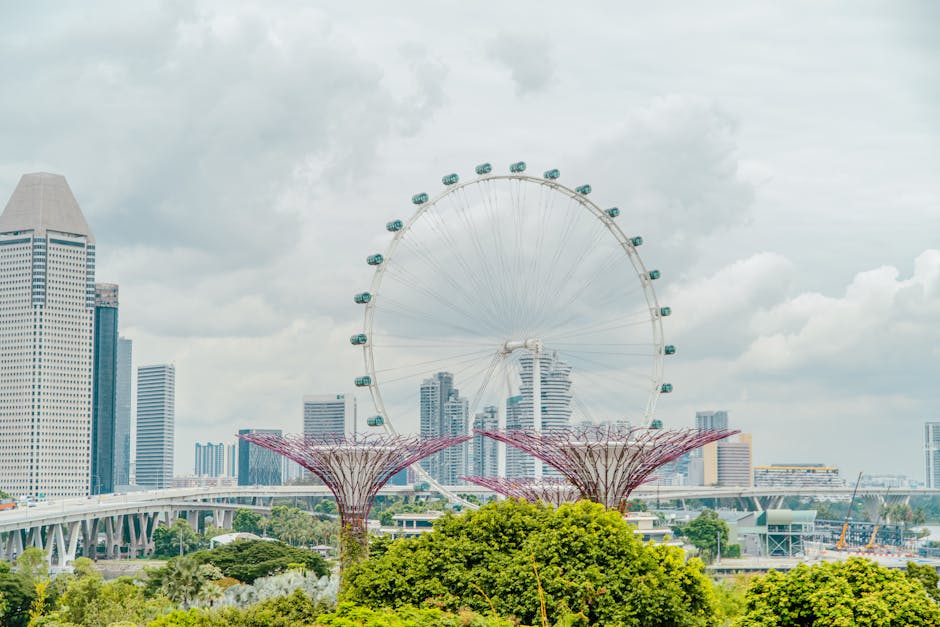
Gardens by the Bay is a futuristic nature park spanning 101 hectares in the heart of the city. Its most recognizable features are the Supertree Grove—towering vertical gardens up to 50 meters tall—and the two climate-controlled conservatories: the Flower Dome and the Cloud Forest.
The Flower Dome replicates a Mediterranean climate and features seasonal floral displays, including cherry blossoms and tulips. The Cloud Forest houses a 35-meter-tall indoor waterfall and a misty mountain covered in tropical plants. Visit in the evening to see the Garden Rhapsody light and sound show, which illuminates the Supertrees with dynamic projections.
Senso-Sea World
Located on Sentosa Island, S.E.A. Aquarium is one of the world’s largest oceanariums. It houses over 100,000 marine animals across more than 1,000 species, including manta rays, hammerhead sharks, and giant groupers. The massive viewing panel in the Open Ocean habitat offers an immersive experience, making you feel like you’re walking on the ocean floor.
While the aquarium is popular with families, it also appeals to adults interested in marine conservation. The facility emphasizes education and sustainability, with interactive exhibits and behind-the-scenes tours available. Combine your visit with other Sentosa attractions like Universal Studios or the Skyline Luge.
Sentosa Island
Sentosa is Singapore’s resort island, offering beaches, theme parks, and adventure activities. Siloso Beach is the most popular stretch, ideal for sunbathing, beach volleyball, or trying water sports like kayaking and paddleboarding. For thrill-seekers, the AJ Hackett Sentosa bungee jump provides a 47-meter leap over the jungle canopy.
Universal Studios Singapore features movie-themed rides based on blockbusters like Transformers, Jurassic Park, and The Mummy. It’s smaller than its Hollywood counterpart but well-designed and efficient, with shorter wait times during weekdays. The island is accessible via the Sentosa Express monorail, cable car, or on foot via the Sentosa Boardwalk.
Chinatown
Chinatown is a historic district where traditional shophouses, temples, and street food converge. The Buddha Tooth Relic Temple is a must-see, with its ornate architecture and sacred relic housed in a golden stupa. The surrounding streets are lined with souvenir shops, tea houses, and hawker stalls serving dim sum and bak kut teh.
Visit during the Lunar New Year for the vibrant street light-up and festive markets. Even outside of festivals, Chinatown offers a glimpse into Singapore’s Chinese heritage. Don’t miss the Chinatown Complex Food Centre, one of the largest hawker centers in the city, where you can sample local favorites like chicken rice and laksa.
Little India
Little India bursts with color, spice, and energy. The area is known for its fragrant curries, gold jewelry stores, and Hindu temples. Sri Veeramakaliamman Temple, dedicated to the goddess Kali, features intricate carvings and is a focal point during the Thaipusam festival.
Mustafa Centre, a 24-hour shopping mall, is a local institution offering everything from electronics to groceries at bargain prices. It’s especially popular with budget travelers. For food, head to Komala Vilas for vegetarian South Indian thali or sample freshly made roti prata at any of the late-night stalls.
Clarke Quay
Once a bustling river port, Clarke Quay has transformed into a lively nightlife and dining hub. The historic warehouses now house bars, clubs, and restaurants, many with riverside seating. It’s a great place to unwind after a day of sightseeing, especially during happy hour.
The area is particularly lively on weekends, with live music and outdoor seating along the Singapore River. While it’s more tourist-oriented than other districts, it offers a convenient and scenic spot to enjoy a cocktail or dinner cruise. Be aware that drinks can be pricey—check menu prices before ordering.
Singapore Zoo & Night Safari
The Singapore Zoo is renowned for its open-concept enclosures and conservation efforts. Animals roam in naturalistic habitats separated by moats instead of bars, creating a more ethical and immersive experience. Highlights include the Fragile Forest biodome and the Rainforest Kidzworld playground.
The Night Safari, located adjacent to the zoo, is the world’s first nocturnal wildlife park. It features over 2,500 animals from 130 species, many of which are active at night. Take the tram tour for a narrated overview, then explore walking trails like the Fishing Cat Trail. Book tickets online for discounts and to secure preferred times.
Botanic Gardens
A UNESCO World Heritage Site, the Singapore Botanic Gardens spans 82 hectares and is a peaceful escape from the urban buzz. The National Orchid Garden alone contains over 1,000 species and 2,000 hybrids, displayed in themed terraces. It’s free to enter the main gardens, though the Orchid Garden has a small admission fee.
The Swan Lake and Symphony Lake are popular spots for picnics and photography. On weekends, you’ll find families flying kites, couples strolling, and musicians performing at the Shaw Foundation Symphony Stage. The gardens are easily accessible by MRT, with exits near the Tanglin and Botanic Gardens stations.
Merlion Park
The Merlion—a mythical creature with a lion’s head and fish’s body—is Singapore’s national icon. The original Merlion statue stands at Merlion Park, offering a classic photo opportunity with Marina Bay in the background. It’s a quick stop, best visited early morning or late afternoon to avoid crowds and midday heat.
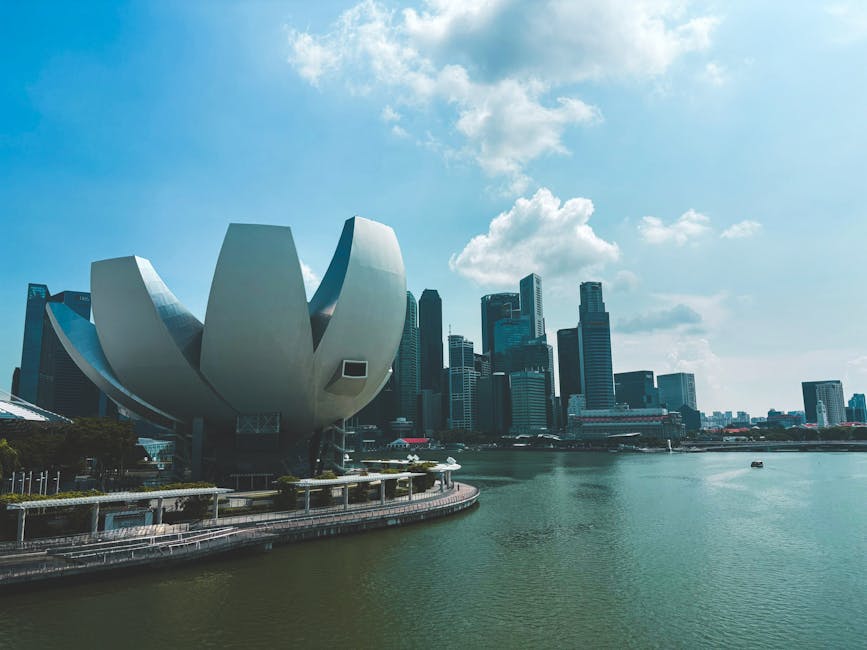
While the statue itself is modest in size, the location is unbeatable for views of Marina Bay Sands, the ArtScience Museum, and the Helix Bridge. Combine your visit with a river cruise or a walk along the waterfront promenade.
How to Get Around
Singapore’s public transportation system is efficient, affordable, and easy to navigate. The Mass Rapid Transit (MRT) network connects all major attractions, with clear signage in English. A single trip on the MRT costs between SGD 1.50 and SGD 3.00, depending on distance.
Consider purchasing an EZ-Link card or Singapore Tourist Pass for unlimited rides. The Tourist Pass offers 1, 2, or 3 days of unlimited travel on buses and trains for SGD 15, SGD 20, or SGD 26, respectively. Taxis and ride-hailing apps like Grab are also widely available, though traffic can be heavy during peak hours.
Best Time to Visit
The best time to visit Singapore is during the dry season, from February to April. While the city experiences rainfall year-round, these months see fewer downpours and more sunshine. Temperatures remain consistently warm, averaging 25–31°C (77–88°F).
Avoid the haze season, typically from July to October, when smoke from forest fires in neighboring Indonesia can reduce air quality. Major festivals like Chinese New Year (January/February) and Deepavali (October/November) offer cultural experiences but may mean higher prices and larger crowds.
Travel Tips
Singapore is generally safe, but petty theft can occur in crowded areas. Keep your belongings secure, especially in hawker centers and on public transport. Chewing gum is restricted—importing it for personal use is allowed, but selling or offering it to others can result in fines.
Dress modestly when visiting religious sites like temples and mosques. Shoulders and knees should be covered. Tipping is not customary, as a 10% service charge is usually included in restaurant bills. Tap water is safe to drink, so carry a reusable bottle to stay hydrated.
Accommodation Options
Singapore offers a range of accommodations, from luxury hotels to budget hostels. Marina Bay and Orchard Road are ideal for first-time visitors, with easy access to attractions and shopping. For a more local experience, consider staying in neighborhoods like Tiong Bahru or Joo Chiat.
Budget travelers can find clean, modern hostels starting at SGD 30 per night. Mid-range hotels average SGD 150–250, while luxury properties like Marina Bay Sands or The Ritz-Carlton exceed SGD 400. Book early during peak seasons and major events like Formula 1 or the Singapore Food Festival.
Compact Attraction Comparison
| Attraction | Best For | Average Visit Duration | Entry Fee (SGD) |
|---|---|---|---|
| Gardens by the Bay | Nature lovers, photography | 3–4 hours | 28 (conservatories) |
| Singapore Zoo | Families, wildlife enthusiasts | 4–5 hours | 49 |
| Sentosa Island | Thrills, beaches, entertainment | Full day | Free (attractions extra) |
| Chinatown | Culture, food, shopping | 2–3 hours | Free (some temples charge) |
FAQ
Do I need a visa to visit Singapore?
Travelers from over 90 countries, including the U.S., Canada, the U.K., and most EU nations, do not need a visa for short stays of up to 30 or 90 days, depending on nationality. Check the official Singapore Immigration & Checkpoints Authority website for the most current requirements.
Is Singapore expensive for tourists?
Singapore can be pricey, especially for dining and accommodation, but it’s possible to travel on a budget. Use public transport, eat at hawker centers (meals from SGD 3–6), and take advantage of free attractions like the Botanic Gardens and Merlion Park.
Can I drink tap water in Singapore?
Yes, tap water in Singapore is safe to drink and meets World Health Organization standards. Most hotels and public areas provide clean drinking water. Using a reusable bottle is both eco-friendly and cost-effective.

