
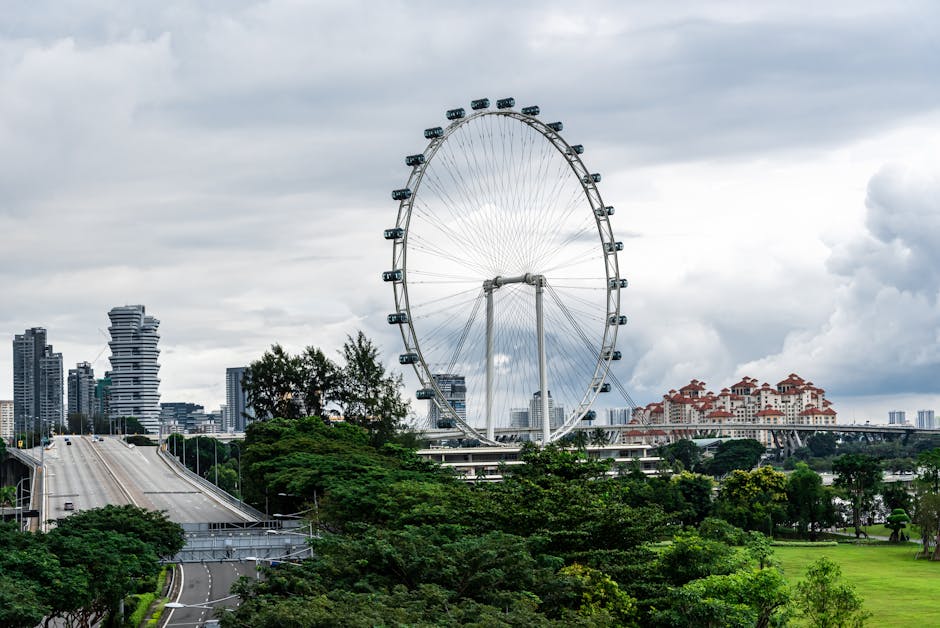
Singapore 3 Day Itinerary Guide
Singapore 3 Day Itinerary Guide
Planning a short trip to Singapore? This practical 3-day itinerary covers the city’s top attractions, local eats, and hidden gems—without feeling rushed. Whether you’re arriving via Changi Airport or connecting from another Southeast Asian destination, this guide helps you make the most of your limited time. We’ve balanced iconic sights like Gardens by the Bay and Marina Bay Sands with cultural neighborhoods such as Chinatown and Little India. You’ll also find smart tips on transport, timing, and avoiding crowds.
Why This Itinerary Works
This 3-day plan prioritizes proximity and efficiency. Each day groups nearby attractions to minimize travel time, especially important in a compact city like Singapore. Public transport is reliable and affordable—get an EZ-Link card or use contactless payment on buses and the MRT.
We’ve included early starts and midday breaks to help you beat the heat and humidity. Most attractions open by 9 a.m., and many locals eat lunch between 12:30 and 2 p.m.—timing your meals around these windows helps avoid long lines.
Day 1: Marina Bay & Civic District
Morning: Gardens by the Bay & Supertree Grove
Start your first day at Gardens by the Bay, one of Singapore’s most photographed landmarks. Arrive by 8:30 a.m. to enjoy cooler temperatures and fewer crowds. The Supertree Grove is free to access, but the Cloud Forest and Flower Dome conservatories require tickets.
Buy combo tickets online in advance to skip the queue. The Cloud Forest’s indoor waterfall and misty mountain walk offer a refreshing escape from the humidity. Allow 1.5 hours for both conservatories.
Afternoon: Marina Bay Sands & ArtScience Museum
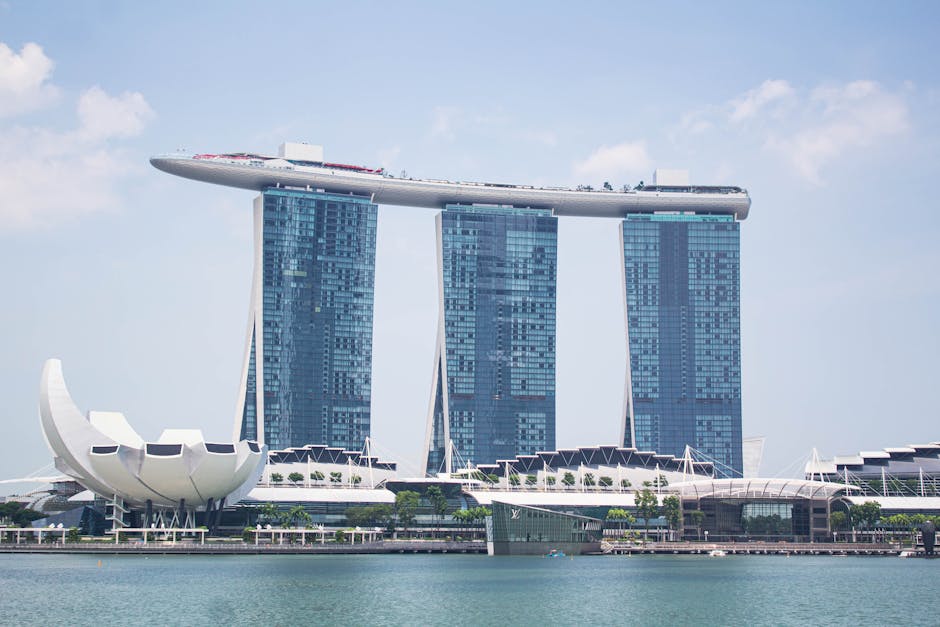
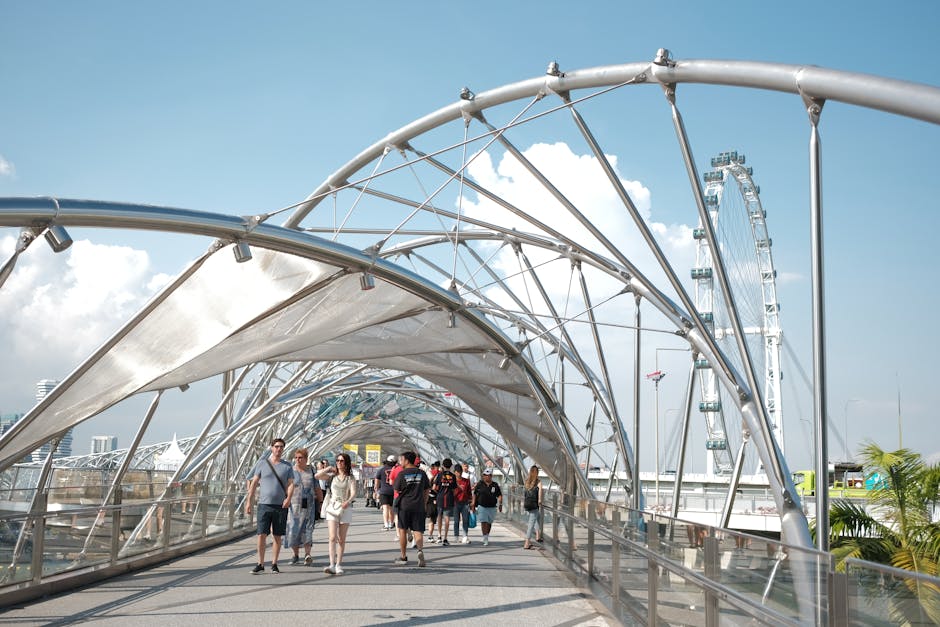
Walk across the Helix Bridge to Marina Bay Sands. Even if you’re not staying there, the SkyPark Observation Deck offers panoramic views of the city skyline and harbor. Tickets are cheaper if purchased online.
Next door, the ArtScience Museum features rotating exhibitions that blend art, science, and technology. The permanent “Future World” digital art exhibit by teamLab is immersive and family-friendly. Plan for 1–1.5 hours here.
Evening: Dinner at Lau Pa Sat & Clarke Quay
Head to Lau Pa Sat, a historic hawker center near Raffles Place MRT. Try satay skewers grilled over charcoal—they’re served with ketupat (rice cakes) and spicy peanut sauce. Arrive before 7 p.m. to secure seating.
After dinner, stroll along the Singapore River to Clarke Quay. The area transforms at night with colorful lights and riverside bars. It’s touristy but lively—great for a drink or people-watching.
Day 2: Cultural Neighborhoods & Local Flavors
Morning: Chinatown & Buddha Tooth Relic Temple
Begin your second day in Chinatown. The Buddha Tooth Relic Temple opens at 7 a.m. and is quieter in the morning. The temple’s architecture blends Chinese and Buddhist elements, with a striking gold stupa on the 4th floor.
Walk through the Chinatown Complex Food Centre upstairs for breakfast. Order char kway teow (stir-fried noodles) or bak kut teh (herbal pork rib soup). Cash is preferred at most stalls.
Afternoon: Little India & Mustafa Centre
Take the MRT from Chinatown to Little India (2 stops on the Downtown Line). Start at Sri Veeramakaliamman Temple, dedicated to the Hindu goddess Kali. Dress modestly—shoulders and knees covered.
Explore the vibrant streets around Serangoon Road. Stop by Mustafa Centre for bargain shopping—electronics, souvenirs, and groceries are all sold under one roof. It’s open 24 hours, but afternoons are less crowded.
Evening: Dinner at Tekka Centre & Haji Lane
Return to Little India for dinner at Tekka Centre. The wet market downstairs sells fresh produce, while the hawker stalls upstairs serve biryani, roti prata, and laksa. Try the mutton biryani at Ananda Bhavan—it’s consistently rated among the best.
End your day with a short walk to Haji Lane in Kampong Glam. This narrow alley is lined with indie boutiques, vintage shops, and rooftop bars. It’s especially atmospheric at night with string lights and music.
Day 3: Nature, Views & Local Life
Morning: Sentosa Island & Fort Siloso
Take the Sentosa Express from VivoCity (HarbourFront MRT) to reach Sentosa Island in under 10 minutes. Start at Fort Siloso, Singapore’s only preserved coastal fort from WWII. The open-air museum includes gun emplacements and tunnels.
Walk the Southern Ridges trail if you enjoy light hiking. The Henderson Waves bridge connects Mount Faber Park to Telok Blangah Hill Park—offering elevated views of the harbor and city.
Afternoon: Tiong Bahru & Local Cafés
Return to the mainland and head to Tiong Bahru, one of Singapore’s oldest housing estates. The neighborhood blends pre-war Art Deco architecture with modern cafés and bookstores.
Visit Tiong Bahru Market for lunch. The hawker center is famous for its steamed rice rolls (chee cheong fun) and claypot rice. After eating, browse BooksActually, an independent bookstore with a curated selection of local and international titles.
Evening: Sunset at Marina Bay & Final Dinner
Return to Marina Bay for sunset. The light over the skyline is especially golden around 6:30–7 p.m. Walk along the waterfront promenade toward the Merlion Park for classic photo opportunities.
For your final dinner, consider Jumbo Seafood at East Coast Park. Their chili crab is iconic—sweet, spicy, and served with fried mantou buns. Alternatively, try Long Beach Seafood for black pepper crab, a local favorite.
Transport Tips for Your 3-Day Trip
Singapore’s public transport system is efficient and easy to navigate. The MRT (Mass Rapid Transit) covers most tourist areas, with clear English signage and real-time updates via apps like Citymapper or Google Maps.
Buses complement the MRT network, especially in residential zones. Use the same EZ-Link or NETS FlashPay card for both. Taxis and ride-hailing (Grab) are available but can be costly during peak hours.
Avoid driving—parking is expensive, and congestion charges apply in the city center. Walking is often faster for short distances, especially in pedestrian-friendly zones like Orchard Road or Clarke Quay.
What to Pack & Practical Advice
Singapore is hot and humid year-round, with frequent afternoon showers. Pack lightweight, breathable clothing, a compact umbrella, and comfortable walking shoes. Sunscreen and a reusable water bottle are essential—tap water is safe to drink.
Most attractions and restaurants accept credit cards, but carry small amounts of cash for hawker centers and local shops. Tipping is not expected and may be declined.
Download the SingPass app if you plan to visit government-run museums or cultural sites—some offer discounts for residents, but tourists can still access most exhibits freely.
Compact Attraction Comparison
| Attraction | Best Time to Visit | Entry Fee (SGD) | Time Needed |
|---|---|---|---|
| Gardens by the Bay (Conservatories) | 8:30–10:00 a.m. | 28 | 1.5–2 hours |
| Marina Bay Sands SkyPark | 5:00–6:30 p.m. (sunset) | 23 | 45–60 minutes |
| Sentosa (Fort Siloso) | 9:00–11:00 a.m. | Free | 1 hour |
| Chinatown Complex Food Centre | 7:30–9:00 a.m. | 5–10 (meal) | 45 minutes |
FAQ
Q: Can I see all of Singapore in 3 days?
A: You can cover the major highlights, but Singapore has over 50 neighborhoods and islands. This itinerary focuses on the most accessible and iconic spots within a short timeframe.
Q: Is it safe to walk around at night?
A: Yes, Singapore is one of the safest cities in the world. Areas like Clarke Quay, Orchard Road, and Marina Bay are well-lit and busy even after dark.
Q: Do I need to book attraction tickets in advance?
A: For popular sites like Gardens by the Bay and Marina Bay Sands, advance booking saves time and often offers slight discounts. Walk-in tickets are usually available but may involve waiting.

