
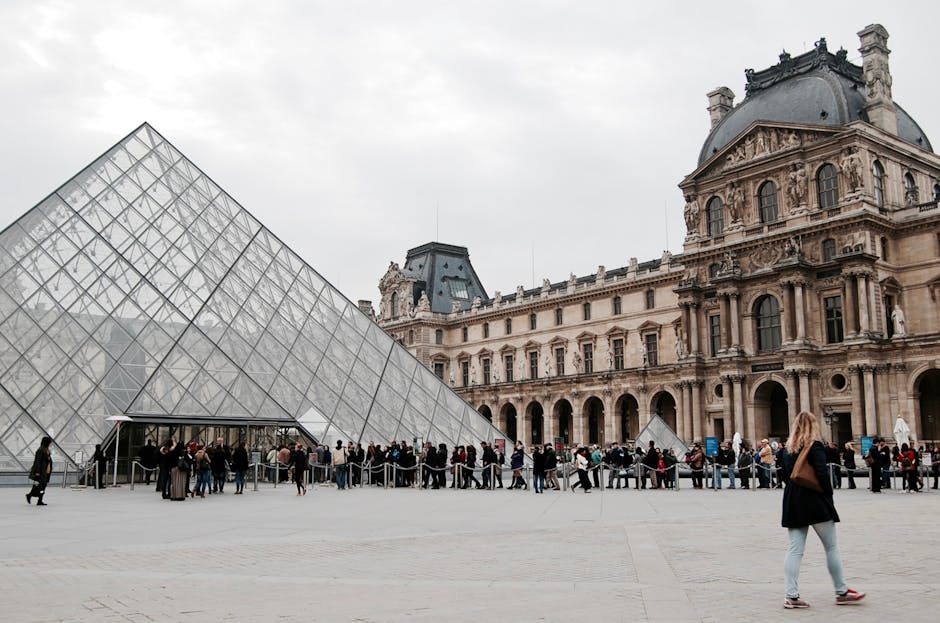
Louvre Museum Travel Guide for Visitors
The Louvre Museum in Paris is one of the world’s most visited cultural institutions, attracting millions each year with its unparalleled collection of art and history. Exploring Louvre Museum visit reveals important insights. This comprehensive Louvre Museum travel guide for visitors covers everything you need to know before your trip—from planning your visit and navigating the vast galleries to understanding ticket options, avoiding crowds, and making the most of your time inside. Whether you’re a first-time traveler or returning to explore deeper, this guide offers practical, up-to-date advice to help you experience the Louvre efficiently and enjoyably.
Why Visit the Louvre Museum?
Home to over 35,000 works of art spanning thousands of years, the Louvre is more than just a museum—it’s a journey through human creativity. From ancient Egyptian artifacts to Renaissance masterpieces, the collection reflects the evolution of art across civilizations. Iconic pieces like the Mona Lisa, the Venus de Milo, and The Winged Victory of Samothrace draw global attention, but the museum’s true value lies in its breadth. Beyond the famous highlights, you’ll find lesser-known gems in every wing, offering quiet moments of discovery amid the grandeur.
Originally built as a fortress in the late 12th century, the Louvre became a royal palace before opening as a public museum in 1793. Today, it stands in the heart of Paris, just steps from the Seine River and the Tuileries Garden. Its glass pyramid entrance, designed by I.M. Pei in 1989, has become a modern symbol of the museum, blending contemporary architecture with historic grandeur.
Planning Your Visit: Essential Tips
To make the most of your time at the Louvre, thoughtful planning is key. The museum spans 72,735 square meters and receives over 8 million visitors annually, making it easy to feel overwhelmed without a strategy. Start by deciding how much time you can realistically spend—most visitors need at least three hours to see the major highlights, while art enthusiasts may want a full day or more.
Best Time to Visit
Avoiding crowds is one of the biggest challenges at the Louvre. The museum is busiest on weekends, especially Saturdays and Sundays, and during peak tourist seasons like July and August. For a quieter experience, aim for weekday mornings, particularly on Wednesdays and Fridays when the museum stays open until 9:45 PM. Early entry—right when doors open at 9:00 AM—offers the best chance to see popular works with fewer people.
Another smart tactic is to visit during the first week of the month, when many tourists are still arriving or have not yet begun their trips. Rainy days can also reduce foot traffic, though indoor queues may still form at peak times.
How to Get There
The Louvre is centrally located in the 1st arrondissement of Paris, making it easily accessible by public transportation. The closest metro stations are Palais Royal–Musée du Louvre (Lines 1 and 7) and Louvre–Rivoli (Line 1). Both are a short walk from the main entrance under the glass pyramid.
If you’re arriving by bus, lines 21, 24, 27, 39, 48, 68, 69, 72, 81, and 95 stop near the museum. For those preferring a scenic approach, a 15-minute walk from the Saint-Michel or Pont Neuf areas along the Seine offers beautiful views and a relaxed pace.
Driving is not recommended due to limited parking and heavy traffic in central Paris. If you must drive, the underground parking at the Carrousel du Louvre is available, but spaces fill quickly during busy periods.
Ticket Options and Entry Tips
Purchasing tickets in advance is strongly advised. The Louvre offers several ticket types, and buying online saves time and often money. On-site queues can stretch for hours, especially during summer and holidays.
Standard admission grants access to the permanent collections and most temporary exhibitions. As of 2024, tickets cost €17 when purchased online and €15 at the door, though online buyers skip the line. Free entry is available for EU residents under 26, children under 18, and disabled visitors with one accompanying person.
Consider timed-entry tickets, which allow you to select a specific entry window. This helps manage crowd flow and ensures smoother access. Note that tickets are non-refundable and non-transferable, so double-check your date and time before purchasing.
For a more immersive experience, the Louvre offers guided tours in multiple languages. These range from 1.5-hour highlights tours to themed walks focusing on Egyptian antiquities, French paintings, or women in art. Audio guides are also available for rent or via the free Louvre app, which includes maps, commentary, and suggested itineraries.
Free Admission Days
The Louvre offers free admission on the first Saturday of each month from 6:00 PM to 9:45 PM and on Bastille Day (July 14). While these times attract large crowds, they’re ideal for budget-conscious travelers. Arrive early to secure a spot in line, as entry is granted on a first-come, first-served basis.
Navigating the Louvre: Layout and Must-See Galleries
The Louvre is organized into three main wings: Richelieu, Sully, and Denon. Each wing houses distinct collections, and understanding their layout helps prevent backtracking and fatigue.
The Denon Wing is the most popular, home to the Mona Lisa (Room 711), The Coronation of Napoleon, and Italian Renaissance paintings. It also features French Neoclassical works and the impressive Venus de Milo in the Sully Wing connection.
The Sully Wing focuses on French, Italian, and Northern European art from the Middle Ages to the 16th century. Don’t miss the Medieval Louvre section, which reveals the original fortress foundations beneath the palace.
The Richelieu Wing showcases Napoleon III’s apartments, 17th-century French paintings, and an extensive collection of decorative arts. It’s less crowded than Denon, making it a peaceful alternative for deeper exploration.
Use the free museum map available at entrances or download the Louvre app for real-time navigation. Exploring Louvre Museum visit reveals important insights. The app includes interactive floor plans, estimated walking times between rooms, and personalized tour suggestions.
Suggested Itineraries
If time is limited, focus on the Denon Wing’s highlights. Start at the Venus de Milo in Room 346, then proceed to the Winged Victory of Samothrace at the top of the Daru staircase. From there, walk to the Mona Lisa in Room 711—expect a crowd, but the experience is worth it. End with The Raft of the Medusa by Géricault, a powerful Romantic masterpiece.
For a full-day visit, add the Richelieu Wing’s Napoleon III apartments and the Sully Wing’s Egyptian antiquities, including the Seated Scribe and the Great Sphinx of Tanis. The Louvre’s Islamic Art collection, housed in a stunning glass-and-metal pavilion, is also a standout and often overlooked.
Dining and Facilities
The Louvre offers several dining options, though prices are higher than average due to the museum’s prime location. The Comptoir du Louvre near the pyramid serves light meals and pastries, while the Restaurant Mollien in the Denon Wing provides a more formal dining experience with views of the courtyard.
For a budget-friendly alternative, bring a packed lunch and eat in the nearby Tuileries Garden or at one of the outdoor cafés along Rue de Rivoli. Picnicking inside the museum is not permitted, but the gardens offer ample shaded seating.
Facilities include free Wi-Fi, lockers for small bags (large luggage must be checked), restrooms on every floor, and baby-changing stations. Strollers are allowed, but narrow corridors and staircases can make navigation difficult. Wheelchair access is available throughout, with elevators and ramps clearly marked.
Photography is permitted in most areas, but flash, tripods, and selfie sticks are prohibited. The Mona Lisa is protected by a glass case and security, so close-up photos are not possible. Always respect signage and staff instructions.
Common Mistakes to Avoid
Many visitors make avoidable errors that can ruin their experience. One of the most common is underestimating the size of the museum. Trying to see everything in one visit leads to exhaustion and disappointment. Instead, prioritize 5–10 key works and allow time to wander.
Another mistake is arriving without a plan. The Louvre’s layout can be confusing, and without a map or app, it’s easy to miss major attractions or waste time retracing steps. Download the app or pick up a map at the entrance.
Wearing uncomfortable shoes is a frequent oversight. The museum involves a lot of walking on hard floors, so choose supportive footwear. Also, avoid bringing large bags—security checks can slow entry, and storage is limited.
Finally, don’t skip the less famous galleries. While the Mona Lisa draws crowds, the Louvre’s strength lies in its diversity. Spend time in the Egyptian wing, the Islamic art pavilion, or the decorative arts rooms to gain a fuller appreciation of the collection.
Louvre Museum Travel Guide for Visitors: Quick Comparison
Below is a compact comparison of key features to help you plan:
| Feature | Details |
|---|---|
| Opening Hours | 9:00 AM – 6:00 PM (Mon, Thu, Sat, Sun) 9:00 AM – 9:45 PM (Wed, Fri) Closed Tuesdays |
| Admission Price | €17 online, €15 at door Free for under 18s and EU residents under 26 |
| Best Time to Visit | Weekday mornings or Wednesday/Friday evenings |
| Must-See Works | Mona Lisa, Venus de Milo, Winged Victory, Liberty Leading the People |
| Recommended Visit Duration | 3–4 hours for highlights; full day for in-depth exploration |
Final Tips for a Great Experience
To truly enjoy the Louvre, approach it with curiosity and flexibility. Start early, stay hydrated, and take breaks in the courtyard or gardens. Use the museum’s digital tools to enhance your visit, and don’t rush—some of the most rewarding moments come from quiet observation in less crowded rooms.
Remember that the Louvre is more than a checklist of famous paintings. It’s a place to reflect, learn, and be inspired. Whether you spend an hour or a full day, your visit can be meaningful with the right preparation.
With this Louvre Museum travel guide for visitors, you’re equipped to navigate the world’s largest art museum with confidence. Plan ahead, stay informed, and let the art speak to you.
FAQ
Can I bring food and drinks into the Louvre?
Small snacks and water bottles are allowed, but eating is only permitted in designated areas like the café or outdoor gardens. Picnicking inside galleries is prohibited.
Is the Louvre accessible for visitors with disabilities?
Yes. The museum offers wheelchair access, elevators, accessible restrooms, and free entry for disabled visitors and one companion. Wheelchairs are available at entrances on request.
Do I need to print my online ticket?
No. Mobile tickets are accepted at the entrance. Just ensure your phone is charged and the QR code is clearly visible.

