
London Travel Guide: Top Attractions and Places
London Travel Guide: Top Attractions and Places
London is one of the world’s most visited cities, offering a rich blend of history, culture, and modern innovation. Exploring London attractions and places reveals important insights. Whether you’re exploring iconic landmarks like the Tower of London or strolling through vibrant neighborhoods such as Camden and Shoreditch, this London travel guide highlights the top attractions and places you shouldn’t miss. From world-class museums to scenic parks and historic palaces, London delivers unforgettable experiences for every type of traveler. This guide covers must-see sights, practical tips, and hidden gems to help you make the most of your visit.
Why Visit London?
London stands out as a global hub for art, history, theater, and cuisine. With over 200 museums, 16 major royal palaces, and more than 1,000 parks, the city offers endless opportunities for exploration. It’s also one of the most accessible cities in Europe, with an extensive public transport network and English as the primary language. Whether you’re a first-time visitor or returning for another adventure, London’s mix of tradition and innovation ensures there’s always something new to discover.
Top Attractions in London
London is home to some of the most recognizable landmarks in the world. Below are the essential stops every traveler should consider.
1. The Tower of London
Founded in 1066, the Tower of London is a historic castle and fortress that has served as a royal palace, prison, armory, and even a zoo. Today, it houses the Crown Jewels and offers guided tours led by the Beefeaters, the ceremonial guardians of the Tower. Visitors can explore the White Tower, learn about the executions of Anne Boleyn and Lady Jane Grey, and see the ravens that legend says must remain for the kingdom to survive.
Tip: Book tickets online in advance to skip the queue, especially during peak tourist seasons.
2. Buckingham Palace
The official residence of the British monarch, Buckingham Palace is a symbol of the UK’s royal heritage. The Changing of the Guard ceremony, held most mornings at 11:00 AM, is a popular spectacle. From late July to September, visitors can tour the State Rooms, which feature lavish furnishings, art from the Royal Collection, and grand chandeliers.
Note: The palace is only open to the public during the summer months, so plan accordingly.
3. The British Museum
One of the world’s greatest museums, the British Museum houses over 8 million works spanning human history. Highlights include the Rosetta Stone, the Elgin Marbles from the Parthenon, and the Egyptian mummies. Admission is free, though special exhibitions may require a ticket.
Best time to visit: Weekday mornings to avoid crowds.
4. The London Eye
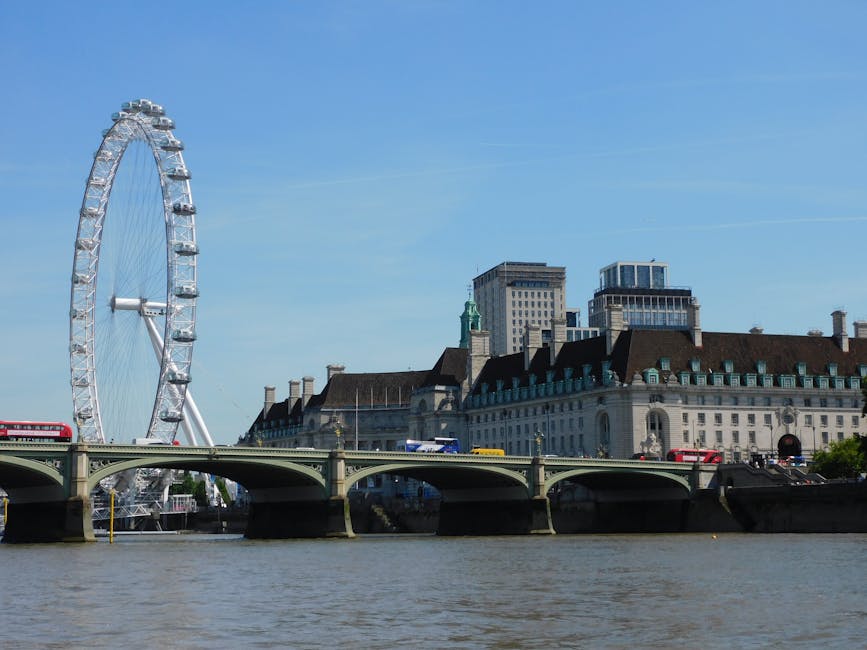
Standing 135 meters tall on the South Bank of the Thames, the London Eye offers panoramic views of the city. Each rotation takes about 30 minutes, providing photo opportunities of landmarks like Big Ben, St. Paul’s Cathedral, and the Shard. At night, the wheel is illuminated with colorful lights.
Recommendation: Book a fast-track ticket to bypass long lines, especially in summer.
5. Westminster Abbey
This Gothic masterpiece has been the site of coronations since 1066 and the burial place of 17 monarchs. Visitors can admire the intricate architecture, the Poets’ Corner, and the Coronation Chair. The Abbey also hosts regular services, and attending a choral evensong is a moving experience.
Admission: Free for worshipers; paid entry for tourists.
6. The Shard
As Western Europe’s tallest building, the Shard offers breathtaking views from its observation decks on the 69th and 72nd floors. The viewing platforms are open late, making it ideal for sunset or nighttime cityscapes. Dining options at the top include restaurants like Aqua Shard and Oblix.
Cost: Tickets start around £32; book online for discounts.
7. St. Paul’s Cathedral
Designed by Sir Christopher Wren after the Great Fire of 1666, St. Paul’s Cathedral is an architectural marvel. Climb the 528 steps to the Golden Gallery for a close-up view of the dome and panoramic city views. The Whispering Gallery, located halfway up, allows sound to travel clearly along the dome’s curve.
Accessibility: Limited; climbing required for upper galleries.
8. The Natural History Museum
Located in South Kensington, this museum is a favorite for families. Its vast collection includes dinosaur skeletons, a life-sized blue whale model, and interactive science exhibits. The Hintze Hall, with its towering whale skeleton, is a must-see.
Free entry: All permanent exhibitions are free, but timed tickets are required.
9. The Victoria and Albert Museum (V&A)
The world’s largest museum of decorative arts and design, the V&A features fashion, furniture, ceramics, and photography from across the centuries. The Cast Courts, with plaster replicas of famous sculptures, are particularly impressive.
Tip: Visit the museum’s café for a quiet break with garden views.
10. Hyde Park and Kensington Gardens
These adjacent parks offer green space in the heart of the city. Hyde Park is home to Speaker’s Corner, where anyone can speak on any topic, and the Serpentine Lake, ideal for boating. Kensington Gardens features the Albert Memorial and the Peter Pan statue.
Activity: Rent a pedal boat or attend a summer concert at the bandstand.
Neighborhoods to Explore
Beyond the major attractions, London’s neighborhoods offer unique atmospheres, local culture, and authentic experiences.
Camden
Known for its alternative fashion, live music venues, and bustling market, Camden is a hub for creativity and counterculture. Camden Market features food stalls, vintage clothing, and handmade crafts. Nearby, the Regent’s Canal offers scenic walks and narrowboat tours.
Best for: Music lovers, foodies, and shoppers looking for something different.
Shoreditch
This East London district is a center for street art, independent boutiques, and trendy cafes. Brick Lane is famous for its curry houses and vintage markets, while Boxpark Shoreditch is a pop-up mall made from shipping containers.
Don’t miss: A guided street art tour to learn about the area’s urban culture. This covers key aspects of London attractions and places.
Notting Hill
Famous for its pastel-colored houses and the annual Notting Hill Carnival, this neighborhood blends charm with cosmopolitan flair. Portobello Road Market is a treasure trove of antiques, vintage clothing, and international food.
Visit on: Saturdays for the full market experience.
Covent Garden
A lively area known for street performers, boutique shops, and the Royal Opera House. The Apple Market sells handmade goods, while the nearby Seven Dials district offers independent fashion and design stores.
Dining tip: Try the food stalls at the Covent Garden Market for quick, delicious bites.
South Bank
Stretching along the Thames from Waterloo to Tower Bridge, the South Bank is a cultural corridor. It’s home to the Tate Modern, Shakespeare’s Globe, and the Southbank Centre. Walk along the riverside path for views of the city skyline.
Evening activity: Catch a play at the Globe or enjoy live music at the Southbank Centre.
Getting Around London
London’s public transport system is one of the most efficient in the world. The Tube (subway), buses, and Overground trains connect all major attractions.
Oyster Card and Contactless Payment
The easiest way to travel is with an Oyster card or a contactless debit/credit card. Both offer capped daily fares and discounts compared to single tickets. Top up your Oyster card at stations or use a contactless card directly at turnstiles.
Daily cap: As of 2024, the daily cap for Zones 1–2 is £8.10 for contactless users.
Walking and Cycling
Many central attractions are within walking distance of each other. For longer distances, Santander Cycles (Boris Bikes) are available for rent at docking stations across the city. A 24-hour access pass costs £2, with the first 30 minutes of each ride free.
Safety tip: Always wear a helmet and follow traffic rules when cycling.
Taxis and Ride-Sharing
Black cabs are iconic but expensive. Use apps like Uber or Bolt for more affordable ride-sharing options. Avoid unlicensed minicabs, especially at night.
Where to Eat in London
London’s food scene is incredibly diverse, reflecting its multicultural population. From traditional pub fare to Michelin-starred restaurants, there’s something for every palate.
Traditional British Food
Try fish and chips at The Golden Hind in Marylebone or a Sunday roast at The Eagle in Clerkenwell. For a classic pie and mash shop, visit M. Manze in Peckham.
International Cuisine
London excels in global flavors. Head to Chinatown for dim sum, Brick Lane for Indian curries, or Brixton for Caribbean dishes. Borough Market offers gourmet street food from around the world.
Fine Dining
For a special occasion, book a table at restaurants like The Ledbury, Core by Clare Smyth, or Dishoom (for elevated Indian cuisine). Many fine dining spots require reservations weeks in advance.
Tips for First-Time Visitors
To make the most of your trip, keep these practical tips in mind.
- Book in advance: Popular attractions like the London Eye and Buckingham Palace often sell out. Reserve tickets online to save time.
- Pack layers: London weather is unpredictable. Bring a waterproof jacket and comfortable walking shoes.
- Use free attractions: Many top museums and galleries are free to enter. Prioritize these to stretch your budget.
- Mind the gap: When using the Tube, stand on the right to let others pass on the left.
- Be aware of scams: Avoid unsolicited offers for “free” bracelets or petitions, especially near major tourist sites.
Seasonal Considerations
The best time to visit London depends on your preferences.
Spring (March–May)
Mild weather and blooming gardens make spring ideal. The Chelsea Flower Show in May is a highlight.
Summer (June–August)
Long days and outdoor events, but also peak crowds and higher prices. Book accommodations early.
Autumn (September–November)
Fewer tourists and beautiful fall foliage. The Notting Hill Carnival in August and the Lord Mayor’s Show in November are cultural highlights.
Winter (December–February)
Cold and rainy, but festive markets and Christmas lights create a magical atmosphere. The Winter Wonderland in Hyde Park runs from November to January.
London Travel Guide: Top Attractions and Places – Quick Comparison
Below is a compact comparison of key attractions to help you prioritize your itinerary.
| Attraction | Best For | Cost | Recommended Visit Time |
|---|---|---|---|
| Tower of London | History, Crown Jewels | £33 (adult) | 2–3 hours |
| British Museum | Art, Ancient Civilizations | Free | 2–3 hours |
| London Eye | City Views, Photos | £32 (standard) | 1 hour |
| Westminster Abbey | Architecture, Royal History | £27 (adult) | 1.5 hours |
| Hyde Park | Nature, Relaxation | Free | 1–2 hours |
Final Thoughts
London is a city that rewards curiosity and exploration. Whether you’re drawn to its royal heritage, world-class museums, or vibrant neighborhoods, this London travel guide provides a solid foundation for an unforgettable trip. With careful planning, you can experience the best of what the city has to offer without feeling overwhelmed. Start with the top attractions, explore diverse neighborhoods, and embrace the local culture for a truly enriching visit.
FAQ
Q: What is the best way to get around London?
A: The most efficient options are the Tube, buses, and contactless payment. An Oyster card or contactless bank card offers capped daily fares and easy access to all major attractions.
Q: Are there free things to do in London?<n
A: Yes, many top attractions are free, including the British Museum, Natural History Museum, Victoria and Albert Museum, and all royal parks like Hyde Park and Regent’s Park.
Q: When is the best time to visit London?<n
A: Spring (April–May) and early autumn (September–October) offer pleasant weather and fewer crowds. Summer is busy but ideal for outdoor events, while winter is festive but colder.

