
London 3 Day Itinerary Travel Guide: See the Best of the City in 72 Hours
If you’re planning a short trip to London, a well-structured London 3 day itinerary travel guide can help you experience the city’s iconic landmarks, cultural gems, and local charm without feeling rushed. This practical guide covers must-see attractions, efficient transportation tips, and balanced daily schedules designed for first-time visitors and repeat travelers alike. Whether you’re drawn to royal palaces, world-class museums, or vibrant neighborhoods, this itinerary ensures you make the most of your limited time—without burnout.
Why a 3-Day London Itinerary Works
London is vast, with over 9 million residents and countless attractions spread across multiple boroughs. Trying to “see everything” in three days is unrealistic—and exhausting. Instead, this itinerary focuses on quality over quantity, grouping nearby attractions by day and incorporating downtime, meals, and optional detours. The goal isn’t to check off every box, but to enjoy a memorable, stress-free introduction to the city.
Each day targets a distinct area: Day 1 centers on central landmarks like the Tower of London and Westminster; Day 2 explores cultural hubs such as the British Museum and Covent Garden; Day 3 offers flexibility with options ranging from royal parks to trendy East London. Public transport is efficient and affordable, and walking between nearby sites saves time and money.
Day 1: Historic Heart of London
Begin your London 3 day itinerary travel guide with the city’s most iconic historical sites. Start early to avoid crowds and maximize daylight.
Morning: Tower of London and Tower Bridge
Arrive at the Tower of London by 9:00 AM, when it opens. Allow at least two hours to explore the Crown Jewels, medieval White Tower, and the Yeoman Warders (Beefeaters). Book tickets online in advance to skip the line. Afterward, walk across Tower Bridge—the glass floor section offers thrilling views of the Thames. For photos, head to the south side of the bridge for unobstructed shots of the tower and bridge together.
Afternoon: St. Paul’s Cathedral and South Bank Stroll
Take the Tube from Tower Hill to St. Paul’s (Circle or District line). Visit St. Paul’s Cathedral, climbing the dome for panoramic city views. Entry includes access to the Whispering Gallery and crypt. Allow 90 minutes here.
Cross Millennium Bridge to the South Bank. Walk eastward past the Tate Modern, Shakespeare’s Globe, and the BFI Southbank. Grab lunch at Borough Market (open Thu–Sat; arrive by 1:00 PM to avoid peak crowds) or a casual riverside café. Sample British staples like fish and chips or artisanal cheese toasties.
Evening: Westminster and the West End
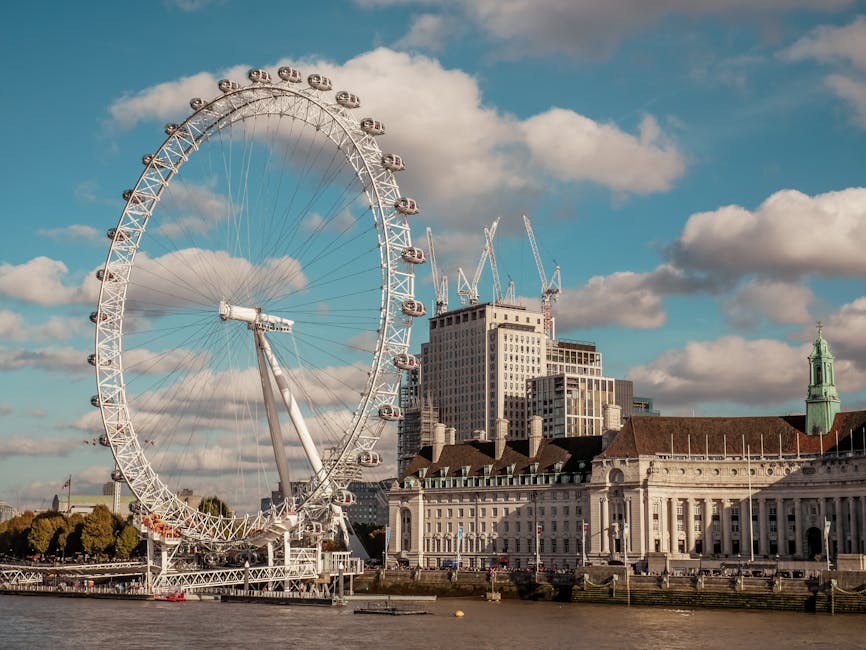
Take the Jubilee Line from Southwark to Westminster. See Big Ben (currently under restoration—view from a distance), Westminster Abbey, and the Houses of Parliament. Walk across Westminster Bridge for a classic photo of the London Eye and skyline.
End the day with dinner in Covent Garden or Soho. Try Dishoom for modern Indian cuisine or Rules, London’s oldest restaurant, for classic British fare. If time allows, catch a West End show—book tickets ahead via TodayTix or at the venue.
Day 2: Culture, Museums, and Local Life
Day 2 shifts focus to London’s intellectual and creative energy, with world-renowned museums and lively neighborhoods.
Morning: British Museum
Start at the British Museum (open daily, free entry). Arrive by 10:00 AM to beat school groups. Prioritize highlights: the Rosetta Stone, Egyptian mummies, and the Parthenon sculptures. Allow 2–3 hours. Audio guides are free and highly recommended. Exit via Great Russell Street and grab coffee at Monmouth Coffee, a local favorite.
Afternoon: Covent Garden and Leicester Square
Walk 15 minutes to Covent Garden. Browse boutique shops, watch street performers at the piazza, and visit the London Transport Museum (small fee). Lunch options include Flat Iron for affordable steaks or Padella for handmade pasta.
Head to Leicester Square via Charing Cross Road. This area is tourist-heavy but convenient for photo ops at the cinema square and nearby Chinatown. From here, it’s a short walk to Trafalgar Square and the National Gallery (free entry, open until 6:00 PM). Spend an hour viewing masterpieces by Van Gogh, Turner, and Constable.
Evening: Camden or South Kensington
Choose your vibe: for alternative culture, take the Northern Line to Camden Market. Explore vintage stalls, global street food, and live music. Try a falafel wrap at Falafel King or vegan doughnuts at Vegan Yes.
Alternatively, stay refined with dinner in South Kensington. The area near the V&A Museum and Natural History Museum has upscale bistros and quiet pubs. The Ampère offers modern European dishes in a sleek setting.
Day 3: Parks, Palaces, and Personal Exploration
Use your final day to unwind, revisit a favorite spot, or explore a new neighborhood. Flexibility is key.
Option A: Royal Parks and Buckingham Palace
Start at Hyde Park (open from 5:00 AM). Rent a pedal boat on the Serpentine Lake or stroll to Speaker’s Corner. Walk through Green Park to Buckingham Palace. Watch the Changing of the Guard (check schedule—usually daily May–July, alternate days otherwise). Arrive 30 minutes early for a good spot.
Afterward, visit Kensington Palace (adjacent to Hyde Park). Explore the State Rooms and gardens, including the Sunken Garden. Have lunch at the palace café or nearby at The Ivy Chelsea Garden.
Option B: East London and Street Art
Take the Overground to Shoreditch. Explore Brick Lane’s curry houses, vintage shops, and vibrant street art. Don’t miss the Backyard Market on Sundays or the daily food stalls. Visit the Geffrye Museum (free, closed Mon) for a look at home interiors through the centuries.
Walk to Columbia Road Flower Market (Sundays only) or browse independent boutiques on Redchurch Street. End with craft beer at The Kernel or a cocktail at Nightjar.
Option C: Day Trip to Greenwich
Take the DLR or Thames Clipper riverboat to Greenwich. Visit the Royal Observatory (stand on the Prime Meridian), the Cutty Sark ship, and the National Maritime Museum (all free except Cutty Sark). Walk through Greenwich Park for views of Canary Wharf. Lunch at Greedy Cow or the Old Brewery.
Getting Around London Efficiently
London’s public transport system is extensive but can be confusing. Here’s how to navigate it like a local:
- Oyster Card or Contactless Payment: Use an Oyster card or tap your debit/credit card (contactless) on yellow readers at Tube, bus, DLR, and Overground stations. Fares are capped daily—no need to calculate costs.
- Tube Map: Download the official TfL app or carry a physical map. Avoid rush hours (7:30–9:30 AM and 5:00–7:00 PM) if possible.
- Walking: Central London is very walkable. Many attractions are within 15–20 minutes of each other.
- Buses: Useful for scenic routes (e.g., Bus 15 passes St. Paul’s and Tower Bridge). Pay with Oyster/contactless—cash not accepted.
- River Services: Thames Clippers offer fast, scenic travel between central piers. Ideal for Greenwich or the O2.
Where to Stay for a 3-Day London Trip
Choose accommodation based on your itinerary and budget. Proximity to Tube stations is crucial.
| Area | Best For | Nearby Attractions | Transport Links |
|---|---|---|---|
| Westminster | First-time visitors, central location | Big Ben, Westminster Abbey, London Eye | Westminster (Jubilee, Circle, District) |
| South Kensington | Cultural travelers, families | Natural History Museum, V&A, Hyde Park | South Kensington (Piccadilly, Circle, District) |
| Covent Garden | Nightlife, shopping, dining | West End, British Museum, Trafalgar Square | Covent Garden (Piccadilly), Leicester Square (Northern, Piccadilly) |
| Shoreditch | Young travelers, budget stays, nightlife | Street art, Brick Lane, markets | Shoreditch High Street (Overground), Liverpool Street (Central, Circle) |
Money-Saving Tips for London
London can be expensive, but smart planning reduces costs:
- Free Attractions: Many top sites are free: British Museum, National Gallery, Tate Modern, Hyde Park, and all royal parks.
- Museum Passes: Not usually worth it for short stays—most major museums are free.
- Eat Like a Local: Avoid tourist traps near major attractions. Look for set menus (pre-theatre deals) or food markets.
- Walk When Possible: Save on transport by walking between nearby sites (e.g., Covent Garden to Trafalgar Square).
- Book Ahead: Reserve tickets for paid attractions online to skip lines and sometimes save money.
Packing Essentials for London
Weather in London is unpredictable—even in summer.
- Waterproof jacket or travel umbrella
- Comfortable walking shoes (you’ll walk 5–8 miles daily)
- Portable phone charger
- Reusable water bottle (tap water is safe and free)
- Small backpack for daily essentials
Common Mistakes to Avoid
Even seasoned travelers make these errors:
- Over-scheduling: Don’t pack too much into one day. Allow time for meals, delays, and spontaneity.
- Ignoring Transport Zones: Most tourist areas are in Zones 1–2. Avoid booking hotels in outer zones unless budget is a priority.
- Not Checking Opening Times: Some attractions close early (e.g., 4:00 PM) or are closed certain days (e.g., Mondays).
- Carrying Too Much Cash: Most places accept contactless payments—even small vendors.
Final Thoughts on Your London 3 Day Itinerary
This London 3 day itinerary travel guide balances iconic sights with local experiences, efficient travel, and personal downtime. You won’t see everything—but you’ll see the best of London in a way that feels authentic and manageable. Whether you’re marveling at the Crown Jewels, sipping tea in a Kensington garden, or discovering hidden street art in Shoreditch, your three days will be filled with discovery and delight.
FAQ
Is 3 days enough to see London?
Three days is enough for a strong introduction to London’s highlights, especially if you focus on central areas and use public transport efficiently. You won’t see everything, but you’ll experience the city’s history, culture, and energy without feeling rushed.
What’s the best time of year to visit London?
Late spring (May–June) and early autumn (September) offer mild weather, fewer crowds, and long daylight hours. Summer is peak season but can be hot and busy. Winter is quieter and festive (especially December), but days are short and some attractions have reduced hours.
Do I need to book London attractions in advance?
Yes, for popular paid attractions like the Tower of London, London Eye, and West End shows. Booking online saves time and often money. Free museums rarely require reservations, but check for special exhibitions.

