
Kuala Lumpur Travel Guide: Best Places to Visit in Malaysia’s Vibrant Capital
Kuala Lumpur Travel Guide: Best Places to Visit in Malaysia’s Vibrant Capital
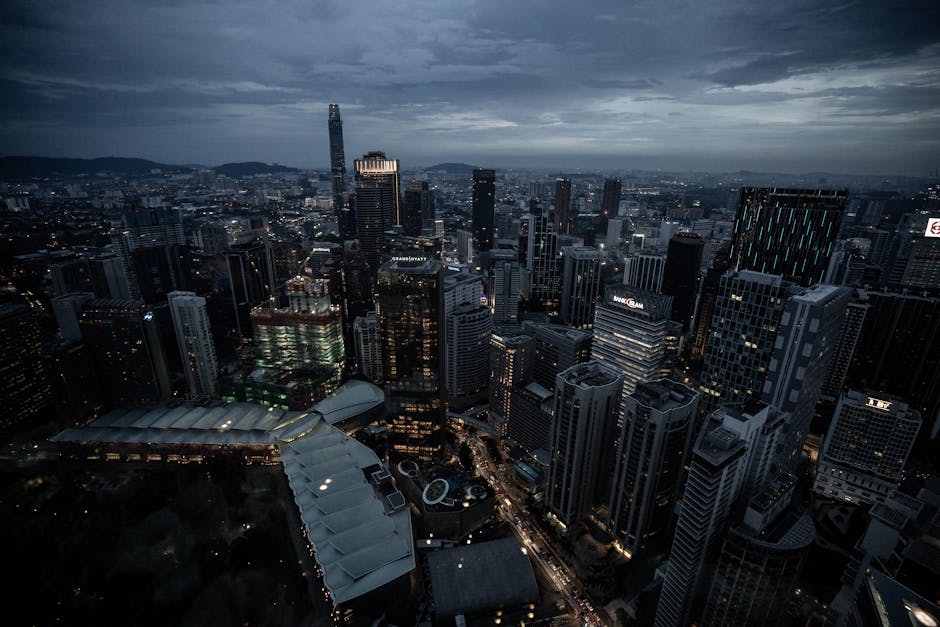
Kuala Lumpur, Malaysia’s dynamic capital, blends modern skyscrapers, colonial architecture, bustling markets, and rich cultural diversity into one unforgettable destination. Whether you’re drawn to iconic landmarks, street food, or green escapes, this Kuala Lumpur travel guide highlights the best places to visit for first-time and returning travelers alike. From the soaring Petronas Twin Towers to hidden temple courtyards, KL offers a layered experience that rewards curiosity and exploration.
Top Attractions in Kuala Lumpur
Kuala Lumpur’s top attractions cater to a wide range of interests. You’ll find world-class museums, spiritual sites, shopping districts, and panoramic city views—all within easy reach of the city center. Most major sights are accessible via the efficient LRT, MRT, or monorail systems, making navigation straightforward even for newcomers.
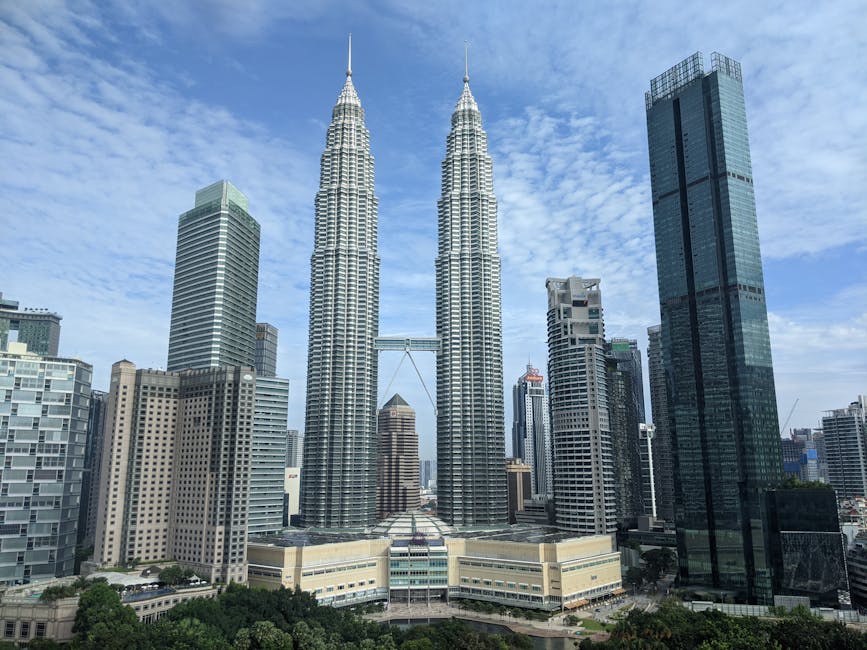
Petronas Twin Towers
The Petronas Twin Towers remain Kuala Lumpur’s most recognizable symbol. Standing at 452 meters, these twin skyscrapers were the world’s tallest buildings from 1998 to 2004. Visit the Skybridge on the 41st and 42nd floors for sweeping views of the city. Book tickets online in advance—same-day entry is rarely available during peak seasons.
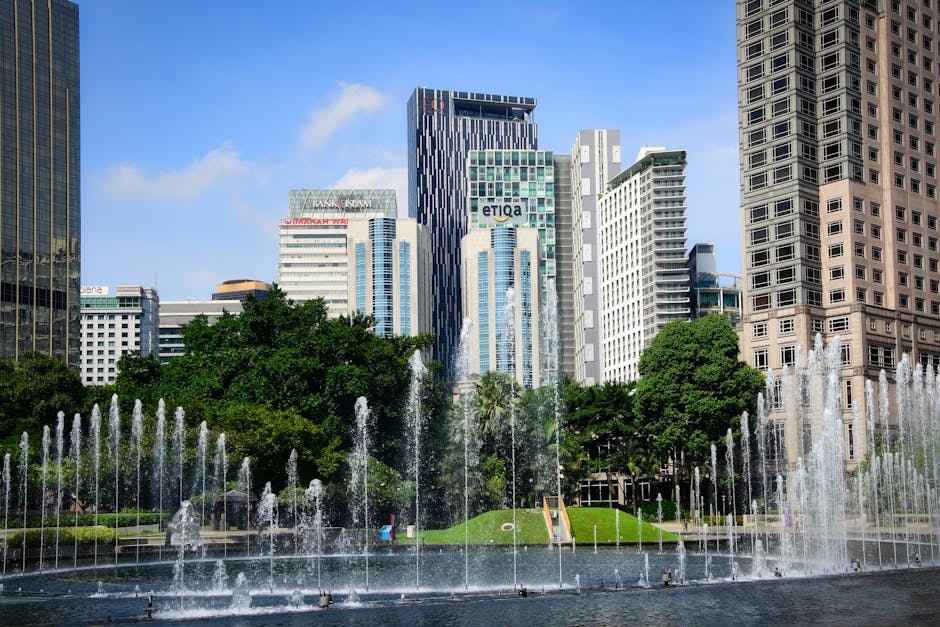
The towers are part of the larger KLCC complex, which includes Suria KLCC mall and the KLCC Park. The park features a 10-acre green space with a jogging track, playground, and nightly fountain shows. It’s an ideal spot to unwind after a busy day of sightseeing.
Menara KL Tower
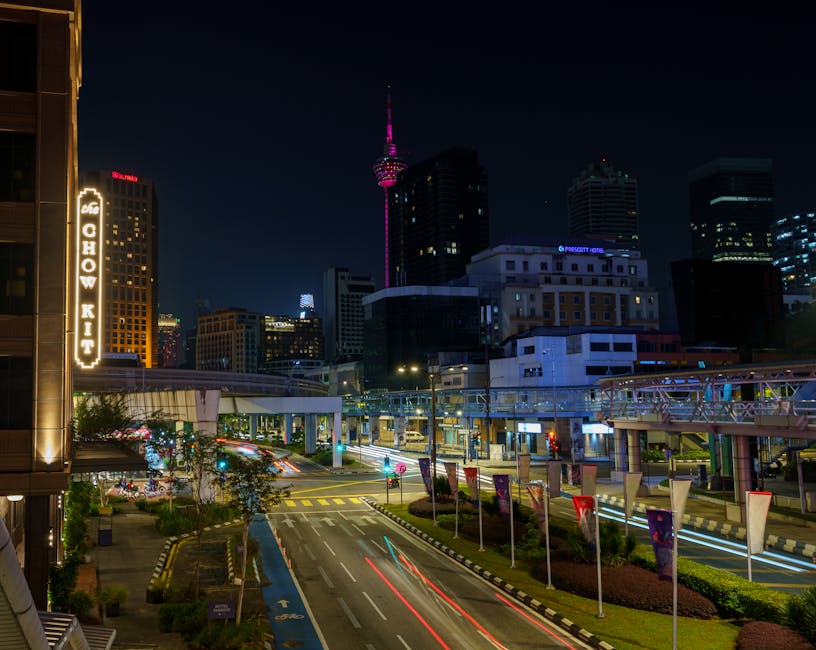
For an alternative skyline view, head to Menara KL Tower in the Bukit Nanas area. This communications tower offers 360-degree views from its observation deck, slightly higher than the Petronas Skybridge. The revolving restaurant at the top provides a unique dining experience with panoramic backdrops.
Unlike the Petronas Towers, Menara KL allows visitors to ascend via a glass elevator with transparent walls. It’s less crowded and often cheaper, making it a smart choice for budget-conscious travelers. Arrive before sunset to catch both daylight and city lights.
Batu Caves
A 45-minute drive north of the city center, Batu Caves is a limestone hill housing a series of Hindu temples and shrines. The main attraction is the towering 140-foot statue of Lord Murugan, the tallest of its kind in the world.
Climb 272 colorful steps to reach the cathedral-like cave temple, where natural light filters through openings in the rock ceiling. Visit during weekday mornings to avoid crowds. Note: The site is sacred—dress modestly and remove shoes before entering temple areas.
Cultural and Historical Sites
Kuala Lumpur’s multicultural heritage is reflected in its mosques, temples, and colonial buildings. These sites offer insight into the city’s Malay, Chinese, Indian, and British influences. Many are located within walking distance of each other in the historic core near Merdeka Square.
Sultan Abdul Samad Building
This Moorish-style building, completed in 1897, once housed the British colonial administration. Today, it serves as a government office but remains a photographic landmark thanks to its copper domes and clock tower.
It’s located on Jalan Raja, just a short walk from Merdeka Square—the site where Malaysia declared independence in 1957. The square features a 95-meter flagpole, one of the tallest in the world, and hosts national celebrations.
Masjid Jamek
One of Kuala Lumpur’s oldest mosques, Masjid Jamek sits at the confluence of the Klang and Gombak rivers. Built in 1909, it blends Mughal, Moorish, and Islamic architectural styles.
Non-Muslim visitors are welcome outside prayer times. Dress conservatively—shoulders and knees must be covered. The mosque is surrounded by shaded courtyards and is especially peaceful in the early morning.
Central Market and Chinatown
Central Market, housed in a restored 1930s art deco building, is a hub for local crafts, souvenirs, and cultural performances. It’s a great place to buy batik, songkok hats, or handmade jewelry.
Just a 10-minute walk away, Chinatown’s Petaling Street buzzes with street food, knockoff goods, and traditional medicine shops. Visit in the evening when the covered market comes alive with lanterns and hawkers. Try the roasted chestnuts and apam balik (pancake with corn and peanuts).
Nature and Outdoor Experiences
Despite its urban density, Kuala Lumpur offers several green escapes. Parks, gardens, and forested hills provide relief from the heat and traffic. These spaces are perfect for morning jogs, family picnics, or quiet reflection.
KLCC Park
As mentioned earlier, KLCC Park is a 10-acre oasis beneath the Petronas Towers. It features a 1.3-kilometer jogging path, wading pool for children, and a man-made lake with synchronized fountain shows at 8 PM and 9 PM daily.
The park is open from 7 AM to 10 PM. Weekends draw large crowds, so arrive early for a good spot. Entry is free, and there are clean public restrooms and drinking fountains throughout.
Perdana Botanical Gardens
Formerly known as Lake Gardens, this 92-hectare park is Kuala Lumpur’s largest green space. It includes a butterfly park, bird park, deer park, and orchid garden. The canopy walk offers elevated views of the treetops and is popular with photographers.
Entrance to the main gardens is free. Paid attractions like the Bird Park (RM50 for adults) are worth visiting if you have extra time. Rent a paddleboat on the lake or enjoy a quiet lunch at the on-site café.
Bukit Nanas Forest Reserve
Tucked behind Menara KL Tower, this 17-hectare virgin rainforest is one of the oldest protected reserves in Malaysia. It’s a rare pocket of primary jungle within a major city.
Guided walks are available on weekends, offering insights into native flora and fauna. Trails are well-marked but can be steep—wear sturdy shoes and bring insect repellent. The reserve closes at 5 PM.
Shopping and Dining Highlights
Kuala Lumpur is a shopper’s paradise, from luxury malls to street markets. Food lovers will find everything from hawker stalls to fine dining, with flavors spanning Malay, Chinese, Indian, and international cuisines.
Pavilion Kuala Lumpur
Located on Bukit Bintang, Pavilion KL is one of the city’s premier shopping destinations. It houses over 700 retail outlets, including international brands like Zara, Uniqlo, and Coach, as well as local favorites.
The mall also features a food court with affordable local dishes and a rooftop garden with city views. Visit during weekday afternoons to avoid the weekend rush.
Jalan Alor
Just a block away from Pavilion, Jalan Alor transforms into a bustling open-air food street after 6 PM. Neon signs light up rows of stalls serving grilled squid, chili crab, satay, and durian.
Prices are reasonable, with most meals under RM20. Be prepared for noise and crowds—this is a local favorite, not a tourist trap. Arrive hungry and share dishes to sample more variety.
Little India Brickfields
This vibrant neighborhood near KL Sentral station is the heart of Kuala Lumpur’s Indian community. Colorful shops sell spices, saris, and gold jewelry, while restaurants serve authentic banana leaf meals and thosai.
Visit the Sri Kandaswamy Kovil temple, adorned with intricate carvings and daily prayers. The area is especially lively during Deepavali, the Festival of Lights.
Day Trips and Nearby Excursions
While Kuala Lumpur has plenty to offer, several worthwhile destinations lie within a two-hour drive. These trips provide contrast to the city’s energy and showcase Malaysia’s natural and cultural diversity.
Putrajaya
Malaysia’s planned administrative capital, Putrajaya, is a 45-minute drive south of KL. Known for its futuristic architecture and man-made lakes, it’s a popular spot for photography and leisurely boat rides.
Highlights include the Putra Mosque, with its pink dome and marble minarets, and the Seri Wawasan Bridge, shaped like a futuristic sail. Entry to most sites is free, and the city is clean and well-maintained.
Genting Highlands
Perched on a mountain ridge 1,800 meters above sea level, Genting Highlands offers cooler temperatures, a theme park, and Malaysia’s only legal casino. It’s accessible via a scenic cable car ride or winding mountain road.
Resorts World Genting houses indoor and outdoor attractions, including a snow park and VR zone. Tickets can be booked online for discounts. Note: The casino requires visitors to be 21 or older and have a valid passport.
Malacca (Melaka)
Though a 2.5-hour drive away, Malacca is a UNESCO World Heritage Site worth the journey. This historic port city features Dutch Square, A Famosa fortress, and Jonker Street’s night market.
Many travelers book guided day tours from KL, which include transport and entry fees. Alternatively, take a bus from Terminal Bersepadu Selatan (TBS) for a budget-friendly option.
Getting Around Kuala Lumpur
Kuala Lumpur has a reliable public transportation system, including LRT, MRT, Monorail, and buses. The GoKL City Bus offers free rides in the city center, covering major attractions like KLCC, Merdeka Square, and Bukit Bintang.
For convenience, download the MyRapid app to plan routes and top up your Touch ‘n Go card. Taxis and ride-hailing services like Grab are widely available. Avoid driving—traffic is heavy, and parking is expensive.
Transport Comparison Table
| Transport Option | Cost (Approx.) | Best For | Tips |
|---|---|---|---|
| LRT/MRT | RM1–RM5 per ride | Long-distance travel, avoiding traffic | Use Touch ‘n Go card; avoid rush hours (7–9 AM, 5–7 PM) |
| Monorail | RM1–RM3 per ride | Bukit Bintang shopping area | Short route; crowded on weekends |
| Grab (Ride-hailing) | RM5–RM20 per trip | Door-to-door convenience | Cheaper than taxis; book in advance during rain |
| GoKL Free Bus | Free | City center sightseeing | Routes cover KLCC, Chinatown, Merdeka Square |
Practical Tips for Visitors
To make the most of your Kuala Lumpur trip, keep these practical tips in mind. The city is generally safe, but petty theft can occur in crowded areas. Stay hydrated—temperatures often exceed 30°C (86°F), and humidity is high year-round.
Most attractions are open daily, but mosques and temples may have restricted hours during prayers. Always carry a light scarf or sarong for temple visits. Tipping is not expected in Malaysia, though rounding up the bill is appreciated in restaurants.
Wi-Fi is widely available in malls, cafes, and hotels. Purchase a local SIM card at the airport for affordable data. English is widely spoken, especially in tourist areas, so communication is rarely an issue.
FAQ
What is the best time to visit Kuala Lumpur?
The best time is during the dry season from December to February, when rainfall is lowest. However, temperatures remain warm year-round. Avoid major holidays like Hari Raya and Chinese New Year, when many businesses close.
Is Kuala Lumpur safe for tourists?
Yes, Kuala Lumpur is generally safe for travelers. Exercise normal precautions: avoid unlit areas at night, keep valuables secure, and use registered taxis or ride-hailing apps. Scams are rare, but be wary of overly friendly strangers offering unsolicited tours.
Do I need a visa to visit Kuala Lumpur?
Citizens of over 60 countries, including the US, UK, Australia, and EU nations, can enter Malaysia visa-free for up to 90 days. Check Malaysia’s official immigration website before travel to confirm requirements based on your nationality.
Final Thoughts
Kuala Lumpur is a city of contrasts—where gleaming towers rise beside centuries-old temples, and street food stalls sit steps from luxury malls. This Kuala Lumpur travel guide highlights the best places to experience the city’s energy, culture, and convenience. With thoughtful planning, you can enjoy a rich, varied itinerary without feeling rushed. Whether you’re here for a weekend or a week, KL rewards those who explore beyond the guidebooks.