
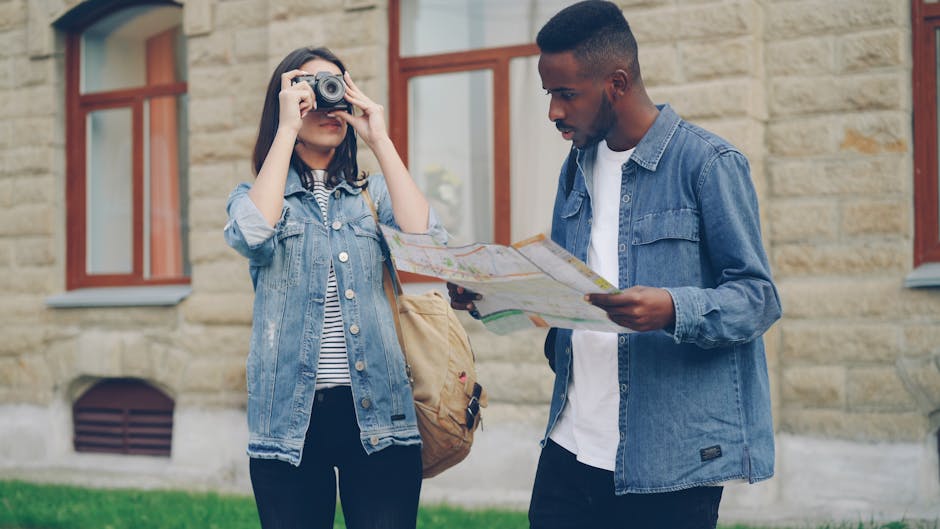
Cultural Travel Destinations Guide: Explore the World’s Most Enriching Experiences
Looking to travel beyond beaches and landmarks? A Cultural Travel Destinations Guide helps you discover places where history, traditions, and local life come alive. These destinations offer immersive experiences—whether through ancient temples, vibrant festivals, or everyday customs—that deepen your understanding of the world. From Kyoto’s tea ceremonies to Oaxaca’s Day of the Dead, cultural travel connects you with people and places in meaningful ways. This guide highlights top destinations, practical tips, and how to travel respectfully and responsibly.
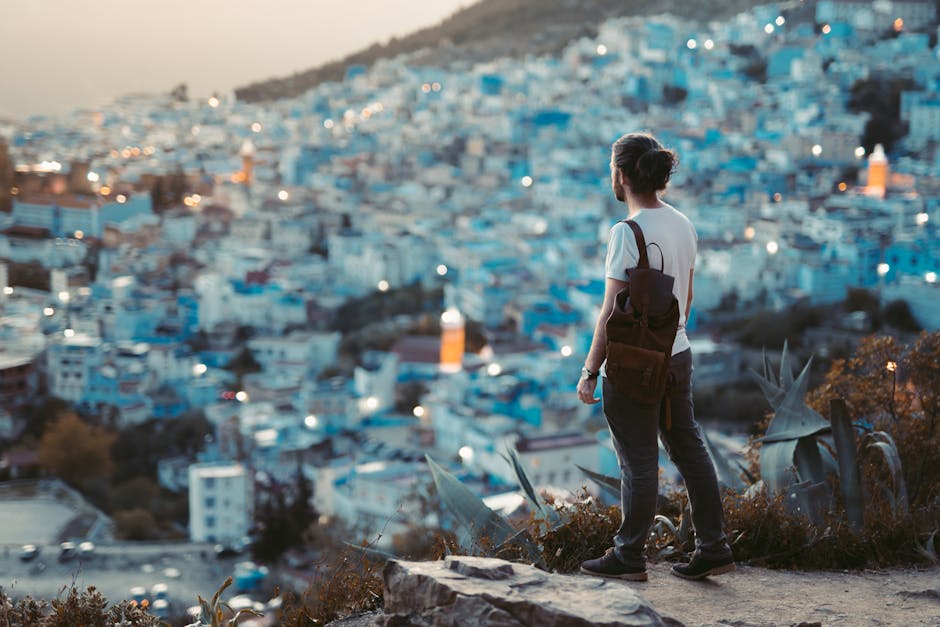
Why Choose Cultural Travel?
Cultural travel goes beyond sightseeing. It’s about engaging with communities, learning local customs, and gaining perspective. Unlike typical tourism, it emphasizes authenticity and connection. Travelers often return with a broader worldview, new skills, or lasting friendships. Whether you’re exploring a centuries-old market in Marrakech or joining a homestay in rural Vietnam, cultural travel transforms how you see the world.
Benefits of Cultural Immersion
- Authentic experiences: Participate in local traditions instead of just observing them.
- Language practice: Improve communication skills through daily interaction.
- Support for local economies: Spend money directly with artisans, guides, and small businesses.
- Personal growth: Develop empathy, adaptability, and cultural sensitivity.
- Memorable stories: Return with unique anecdotes that go beyond photos and souvenirs.
Top Cultural Travel Destinations in 2024
These destinations stand out for their rich heritage, welcoming communities, and accessible cultural offerings. Each offers a distinct flavor of local life, from food and art to religion and daily rituals.
1. Kyoto, Japan
Kyoto is a living museum of Japanese tradition. With over 2,000 temples, traditional tea houses, and preserved geisha districts, it’s a cornerstone of cultural travel. Visit Kiyomizu-dera Temple for panoramic views, stroll through the bamboo groves of Arashiyama, or attend a tea ceremony in Gion. The city also hosts seasonal festivals like Gion Matsuri in July, one of Japan’s most famous.
Best for: History lovers, spiritual seekers, and fans of traditional arts.
Tip: Respect quiet zones in temples and avoid loud conversations in residential areas like Pontocho.

2. Oaxaca, Mexico
Oaxaca pulses with indigenous and colonial influences. Known for its vibrant markets, intricate textiles, and world-class cuisine, it’s a cultural hub in southern Mexico. The Guelaguetza festival in July celebrates regional dance and music, while Day of the Dead ceremonies in November offer a profound look at local beliefs around life and memory.
Best for: Foodies, art collectors, and those interested in indigenous cultures.
Tip: Learn a few Spanish phrases—locals appreciate the effort, even if imperfect.
3. Fez, Morocco
Fez is home to the world’s oldest university, Al Quaraouiyine, and one of the best-preserved medieval cities. The labyrinthine medina, a UNESCO World Heritage site, is filled with tanneries, spice stalls, and artisan workshops. Walking through its narrow alleys feels like stepping back in time.
Best for: History buffs, photographers, and travelers seeking authenticity.
Warning: The tanneries use traditional, pungent methods—bring a scarf to cover your nose if sensitive to strong odors.
4. Luang Prabang, Laos
This tranquil town blends Buddhist traditions with French colonial architecture. Each morning, monks in saffron robes walk the streets for alms—a ritual known as Tak Bat. Visitors can observe respectfully from a distance. The night market showcases local crafts, and nearby Kuang Si Falls offer a natural escape.
Best for: Spiritual travelers, nature lovers, and those seeking slower-paced exploration.
Tip: Dress modestly when visiting temples—shoulders and knees should be covered.
5. Cusco, Peru
Once the capital of the Inca Empire, Cusco is a gateway to Machu Picchu and a cultural treasure in its own right. The city blends Inca stonework with Spanish colonial buildings. Visit the Qorikancha temple, explore local weaving cooperatives, or join a Pachamama ceremony honoring Mother Earth.
Best for: Adventure travelers, history enthusiasts, and those interested in Andean spirituality.
Warning: Altitude sickness is common—acclimate for a day or two before strenuous activities.
How to Plan a Cultural Trip
Successful cultural travel requires more than booking flights and hotels. It’s about preparation, respect, and openness. Follow these steps to make the most of your journey.
Step 1: Research Local Customs
Before you go, learn about dress codes, greetings, taboos, and religious practices. For example, in Thailand, touching someone’s head is considered rude, while in many Middle Eastern countries, showing the soles of your feet is offensive. Understanding these nuances prevents misunderstandings.
Step 2: Choose Responsible Tour Operators
Support companies that prioritize local guides, fair wages, and community involvement. Look for certifications like Fair Trade Tourism or membership in the Global Sustainable Tourism Council. Avoid “voluntourism” programs that may do more harm than good.
Step 3: Pack Thoughtfully
Bring clothing that respects local norms. In conservative regions, long sleeves and pants may be required. Include small gifts from your home country to share with hosts—homemade cookies or local postcards are appreciated. Don’t forget a reusable water bottle and eco-friendly toiletries to reduce waste.
Step 4: Learn Basic Phrases
Even a few words in the local language go a long way. “Hello,” “thank you,” and “please” show respect and often open doors to deeper interactions. Use language apps like Duolingo or Google Translate before and during your trip.
Step 5: Engage, Don’t Observe
Ask questions, attend local events, and try new foods. Accept invitations to homes or community gatherings when offered. But always ask permission before photographing people, especially in religious or private settings.
Cultural Travel Etiquette: Do’s and Don’ts
Respect is the foundation of meaningful cultural exchange. What’s acceptable at home may be inappropriate abroad. Follow these guidelines to travel thoughtfully.
Do’s
- Do remove your shoes when entering homes or sacred spaces.
- Do use both hands when giving or receiving items in many Asian cultures.
- Do participate in local customs when invited—such as a tea ceremony or dance.
- Do support local artisans by buying directly from them.
- Do ask before taking photos of people or religious sites.
Don’ts
- Don’t touch religious artifacts or sacred objects without permission.
- Don’t criticize local traditions or compare them unfavorably to your own.
- Don’t expect English to be widely spoken—be patient and use gestures or translation tools.
- Don’t litter or damage historical sites—many are irreplaceable.
- Don’t assume all locals want to interact—some may prefer privacy.
Cultural Travel Destinations Compared
Choosing the right destination depends on your interests, budget, and travel style. The table below compares five top cultural destinations across key factors.
| Destination | Best Time to Visit | Average Daily Cost (USD) | Key Cultural Experience | Language Barrier |
|---|---|---|---|---|
| Kyoto, Japan | Mar–May, Sep–Nov | $80–$120 | Tea ceremony, temple visits | Moderate |
| Oaxaca, Mexico | Oct–Apr | $50–$90 | Day of the Dead, market tours | Low (Spanish helpful) |
| Fez, Morocco | Mar–May, Sep–Nov | $40–$70 | Medina exploration, tanneries | Moderate (Arabic/French) |
| Luang Prabang, Laos | Nov–Feb | $30–$60 | Tak Bat alms ceremony, night market | Moderate |
| Cusco, Peru | May–Sep | $50–$80 | Inca ruins, Pachamama ceremony | Low (Spanish helpful) |
Overcoming Common Challenges
Cultural travel isn’t always easy. Language barriers, cultural misunderstandings, and logistical issues can arise. Here’s how to handle them.
Language Barriers
Even with translation apps, communication can be tricky. Use simple words, gestures, and visual aids. Carry a phrasebook or download offline translation packs. In rural areas, English may be rare—patience and a smile go a long way.
Cultural Missteps
If you accidentally offend someone, apologize sincerely. Most locals understand that travelers may not know every custom. Use the moment as a learning opportunity. When in doubt, observe how others behave and follow suit.
Safety and Health
Research local health advisories and vaccination requirements. Drink bottled or filtered water in areas with questionable sanitation. Keep digital copies of important documents and register with your embassy if traveling to remote regions.
Sustainable Cultural Travel
Travel impacts communities and environments. Make your journey sustainable by minimizing harm and maximizing benefit.
Support Local Economies
Eat at family-run restaurants, stay in locally owned guesthouses, and buy souvenirs directly from artisans. This keeps money in the community and supports traditional livelihoods.
Reduce Environmental Impact
Avoid single-use plastics, walk or use public transport when possible, and stick to marked trails in natural areas. Many cultural sites are also ecologically sensitive—leave no trace.
Respect Sacred Spaces
Religious sites often have strict rules. Follow dress codes, silence phones, and avoid disruptive behavior. Some areas may be off-limits to tourists—honor these boundaries.
Final Thoughts: Travel with Purpose
A Cultural Travel Destinations Guide isn’t just a list of places—it’s an invitation to connect, learn, and grow. The world is full of stories waiting to be heard, traditions to be honored, and people to be met. By traveling with curiosity and respect, you enrich not only your own life but also the communities you visit. Whether you’re drawn to ancient rituals or modern urban cultures, there’s a destination that will deepen your understanding of humanity.
FAQ
What makes a destination good for cultural travel?
A strong cultural destination offers authentic experiences, active traditions, and opportunities to engage with local communities. Look for places with living heritage—festivals, crafts, cuisine, and daily rituals—rather than just historical sites.
How can I travel culturally on a budget?
Choose destinations with lower costs of living, stay in guesthouses or homestays, eat at local markets, and use public transportation. Many cultural experiences—like temple visits or community festivals—are free or low-cost.
Is it safe to participate in local traditions?
Yes, if invited and done respectfully. Always ask permission, follow local guidance, and avoid behaviors that could be seen as mocking or invasive. When in doubt, observe first and participate only when welcomed.

