
Central Park Travel Guide New York: Everything You Need to Know Before You Go
Central Park is one of New York City’s most iconic landmarks—a sprawling 843-acre green oasis in the heart of Manhattan that draws over 40 million visitors each year. Whether you’re planning your first visit or returning to explore new corners, this Central Park travel guide offers practical tips, must-see spots, seasonal advice, and insider insights to help you make the most of your time in the park. From scenic walks and family-friendly attractions to hidden gems and crowd-avoidance strategies, we’ve covered everything you need to know to experience Central Park like a savvy traveler.
Why Visit Central Park?
Central Park isn’t just a park—it’s a cultural, recreational, and historical hub. Designed by Frederick Law Olmsted and Calvert Vaux in 1858, it was the first landscaped public park in the United States. Today, it serves as a vital escape from the city’s pace, offering lush lawns, serene lakes, playgrounds, performance venues, and wildlife habitats—all within a 2.5-mile stretch from 59th to 110th Street.
Visitors come for many reasons: to jog along the reservoir, picnic on the Great Lawn, rent a rowboat at the Lake, or catch a free concert at SummerStage. Families appreciate the playgrounds and the Central Park Zoo, while photographers and nature lovers flock to spots like Bethesda Terrace and the Ramble. With free admission and year-round accessibility, Central Park is a must-see for tourists and locals alike.
Top Attractions in Central Park
With so much to see, it’s easy to feel overwhelmed. To help you prioritize, here are the most popular and worthwhile attractions, grouped by interest.
For Nature and Scenic Views
- Bethesda Terrace and Fountain: Located in the heart of the park, this architectural centerpiece features a grand staircase, intricate tilework, and the famous Angel of the Waters fountain. It’s a prime spot for photos and people-watching.
- The Ramble: A 38-acre woodland area with winding paths, birdwatching opportunities, and a peaceful atmosphere. Ideal for a quiet stroll away from crowds.
- Conservatory Water: Home to the iconic Alice in Wonderland statue, this pond is popular for model sailboat racing and family picnics.
- The Great Lawn: A vast open space perfect for sunbathing, frisbee, or attending summer concerts. Reopened in 1997 after a decade of restoration, it’s now a favorite for large gatherings.
For Families and Kids
- Central Park Zoo: A compact but engaging zoo featuring penguins, snow leopards, and a 4-D theater. Tickets are required and can be purchased online in advance.
- Tisch Children’s Zoo: Adjacent to the main zoo, this petting area lets kids interact with goats, sheep, and other farm animals.
- Heckscher Playground: The oldest and largest playground in the park, with water features, climbing structures, and shaded areas.
- Swan Boats: A nostalgic ride on the Lake, operated seasonally from April to October. A fun, low-key activity for young children.
For Culture and History
- Strawberry Fields: A memorial to John Lennon, located near the Dakota Building where he lived. The iconic “Imagine” mosaic draws fans from around the world.
- Belvedere Castle: A miniature castle offering panoramic views from its tower. It also houses a small weather station and exhibits on park ecology.
- Shakespeare Garden: A beautifully maintained garden featuring plants mentioned in Shakespeare’s plays. Quiet and romantic, especially in spring and summer.
- Metropolitan Museum of Art (The Met): While not inside the park, The Met sits directly on its eastern edge at 5th Avenue and 82nd Street. Many visitors combine a museum visit with a park walk.
Best Times to Visit Central Park
Timing can significantly affect your experience. Here’s a seasonal breakdown to help you plan:
- Spring (April–June): Ideal for blooming flowers, mild weather, and fewer crowds than summer. The cherry blossoms near the reservoir are especially stunning in late April.
- Summer (July–August): Peak tourist season. Expect large crowds, especially on weekends. Early mornings or weekday evenings are best for avoiding congestion. Free events like Shakespeare in the Park and outdoor movies are plentiful.
- Fall (September–November): Crisp air and vibrant foliage make this a favorite time for photographers and joggers. The park is less crowded than summer, and the colors peak in mid-to-late October.
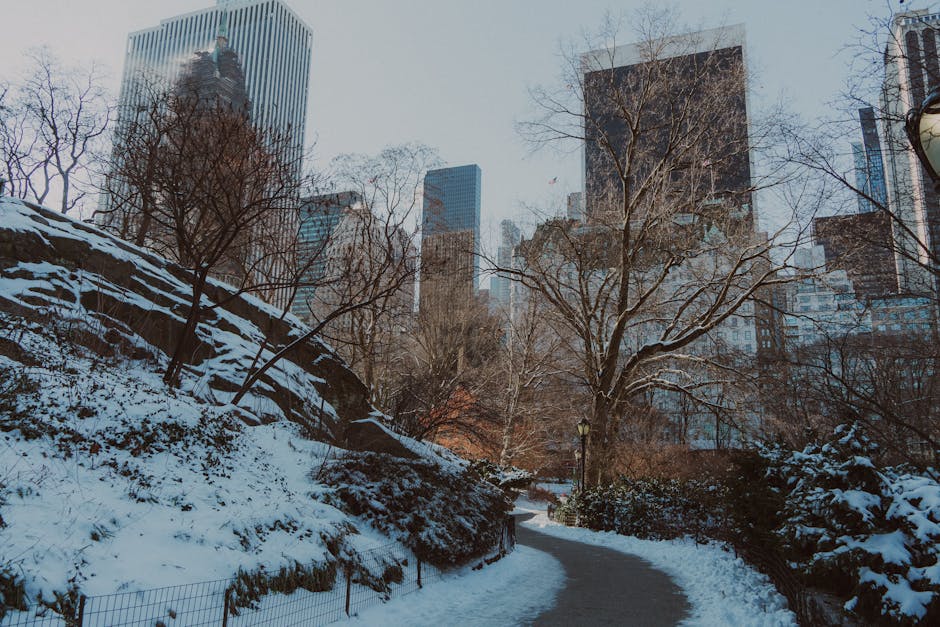
- Winter (December–March): Quiet and serene, with snow-covered landscapes and holiday decorations. The park’s ice-skating rinks—Wollman Rink and Lasker Rink—are open, and the Christmas tree near the Plaza Hotel is a festive highlight.
How to Get to Central Park
Central Park is easily accessible by public transit, taxi, bike, or foot. Here are the most convenient options:
- Subway: Multiple lines serve the park’s perimeter. Key stops include:
- 59th Street–Columbus Circle (A, B, C, D, 1 trains) – near the southwest corner
- 72nd Street (B, C trains) – close to the American Museum of Natural History and the park’s center
- 81st Street–Museum of Natural History (B, C trains) – ideal for zoo and west-side access
- 96th Street (1, 2, 3 trains) – northern access near Harlem Meer
- Bus: M1, M2, M3, M4, M7, M10, M72, M79, M86, M96, and M104 all run along or across the park. The M79 and M86 cross east-west, useful for reaching the park’s interior.
- Bike: Citi Bike stations are located around the park. The park has dedicated bike lanes, and the 6.1-mile loop road is popular with cyclists (closed to cars on weekends).
- Walking: If you’re staying in Midtown or the Upper East/West Sides, walking is often the easiest option. The park is bordered by 5th Avenue (east), Central Park West (west), 59th Street (south), and 110th Street (north).
Central Park Itineraries: How to Spend Your Time
Depending on how much time you have, you can tailor your visit. Here are three sample itineraries:
Half-Day Visit (3–4 Hours)
- Start at Columbus Circle (59th Street and 8th Avenue).
- Walk north through The Mall and Literary Walk, a tree-lined promenade with benches and statues.
- Visit Bethesda Terrace and Fountain.
- Stroll to Strawberry Fields (10 minutes north).
- Head east to Central Park Zoo (optional, 30–45 minutes).
- End at 5th Avenue near 64th Street for shopping or a café.
Full-Day Visit (6–8 Hours)
- Begin at Belvedere Castle (near 79th Street and Central Park West).
- Explore The Ramble and Conservatory Water.
- Have lunch at Le Pain Quotidien (near the zoo) or pack a picnic for Sheep Meadow.
- Visit Central Park Zoo and Tisch Children’s Zoo.
- Walk south to Bethesda Terrace.
- Take a rowboat on the Lake (rentals at Loeb Boathouse).
- End with sunset views from Gapstow Bridge or Bow Bridge.
Romantic or Quiet Escape (2–3 Hours)
- Enter at 72nd Street and 5th Avenue.
- Walk to Shakespeare Garden.
- Continue to The Ramble for a peaceful woodland walk.
- Stop at Bow Bridge for iconic skyline views.
- Exit near Central Park West and enjoy coffee at a nearby café.
Dining and Refreshments in Central Park
While the park itself doesn’t have full-service restaurants, several options offer food and drinks within or adjacent to its borders:
- Loeb Boathouse: Located on the Lake, this upscale spot offers sit-down dining, a bar, and boat rentals. Reservations recommended.
- Tavern on the Green: A historic restaurant near 67th Street and Central Park West. Known for its garden setting and American cuisine. Recently reopened after renovations.
- Le Pain Quotidien: A casual bakery and café near the zoo, ideal for light meals and coffee.
- Shake Shack (at Columbus Circle): Just outside the park’s southwest corner, perfect for a quick burger or frozen custard.
- Food Kiosks: Seasonal vendors sell snacks, ice cream, and drinks at locations like Bethesda Terrace and near the Great Lawn.
For a more authentic experience, consider packing a picnic. Popular spots include Sheep Meadow (south of 72nd Street), the Great Lawn, or the lawns near the reservoir. Bring a blanket, sunscreen, and reusable containers to minimize waste.
Activities and Experiences
Beyond sightseeing, Central Park offers a variety of activities:
- Boating: Rent a rowboat at Loeb Boathouse ($20 for 30 minutes, cash or card). Paddle around the Lake with views of Bow Bridge and the skyline.
- Ice Skating: In winter, Wollman Rink (near 59th Street) and Lasker Rink (near 106th Street) offer seasonal skating. Rentals and lockers available.
- Cycling: Bring your own bike or rent one. The park’s 6.1-mile loop is open to cyclists daily from 7 a.m. to 10 p.m. (closed to cars on weekends).
- Running and Jogging: The <strong Jacqueline Kennedy Onassis Reservoir loop (1.58 miles) is a favorite among runners. Well-maintained and scenic.
- Photography: Golden hour (sunrise or sunset) offers the best light. Popular shots include Bow Bridge, the reservoir with the skyline, and autumn foliage in The Ramble.
- Free Events: Check the Central Park Conservancy’s calendar for concerts, theater performances, yoga classes, and guided tours.
Safety and Etiquette Tips
Central Park is generally safe, but a few precautions enhance your experience:
- Stay on marked paths: Especially in wooded areas like The Ramble, to avoid getting lost or disturbing wildlife.
- Be aware of your surroundings: Avoid isolated areas after dark. Stick to well-lit, populated zones.
- Keep valuables secure: Pickpocketing can occur in crowded areas. Use crossbody bags and avoid displaying expensive items.
- Respect quiet zones: Some areas, like the North Woods, are designated for tranquility. Keep noise levels down.
- Clean up after yourself: Dispose of trash in bins or carry it out. Help preserve the park’s cleanliness.
Nearby Attractions to Combine with Your Visit
Central Park’s location makes it easy to pair with other NYC highlights:
| Attraction | Distance from Park | Best For |
|---|---|---|
| American Museum of Natural History | Adjacent (west side) | Families, science lovers |
| The Metropolitan Museum of Art | East side (5th Ave & 82nd St) | Art and history enthusiasts |
| Columbus Circle & Time Warner Center | Southwest corner | Shopping, dining, views |
| Lincoln Center | 0.5 miles west | Performing arts, concerts |
| Upper West Side Neighborhood | Bordering west side | Dining, cafes, local life |
Many visitors spend a full day combining a museum visit with a park walk. For example, start at The Met, stroll through the park to the zoo, then end with dinner in the Upper West Side.
Insider Tips for a Better Experience
- Download the Central Park Conservancy app: It includes maps, event listings, and real-time updates on restroom and facility availability.
- Use public restrooms: Located at Bethesda Terrace, Loeb Boathouse, the zoo, and near playgrounds. Clean and well-maintained.
- Avoid weekends in summer if possible: The park can feel overcrowded. Early weekday mornings are peaceful and ideal for photos.
- Wear comfortable shoes: The park is large, and walking is the best way to explore. Flip-flops or high heels are not recommended.
- Check the weather: The park is open year-round, but rain or snow can affect activities. Bring layers in spring and fall.
Central Park Travel Guide: Final Thoughts
Whether you’re seeking relaxation, adventure, or culture, Central Park delivers. This

