
Budget Travel Guide: See the World for Less Money
Budget Travel Guide: See the World for Less Money
Travel doesn’t have to be expensive. With smart planning, flexibility, and a few insider strategies, you can explore incredible destinations without draining your savings. This budget travel guide shows you how to stretch your dollars further, from choosing affordable destinations to cutting costs on flights, lodging, food, and activities. Whether you’re dreaming of Southeast Asia, Eastern Europe, or a road trip across the U.S., you can see the world for less money with the right approach.
Why Budget Travel Is More Accessible Than Ever
Thanks to low-cost airlines, budget accommodations, and free online resources, traveling affordably is easier now than in previous decades. Platforms like Google Flights, Hostelworld, and Rome2Rio help travelers compare prices and find deals in minutes. Many countries offer high-quality experiences at a fraction of Western prices. For example, a week in Vietnam can cost less than a weekend in Paris. The key is knowing where to look and when to book.
Budget travel isn’t about sacrificing comfort or missing out—it’s about prioritizing value. You can still enjoy local cuisine, cultural sites, and authentic experiences while keeping your daily spending low. In fact, traveling on a budget often leads to deeper connections with locals and more meaningful adventures.
How to Choose Affordable Destinations
Your destination choice has the biggest impact on your overall travel cost. Some countries simply offer more for less. When planning your trip, consider these factors:
- Cost of living: Countries with lower daily expenses allow your money to go further. Examples include Portugal, Mexico, Thailand, and Georgia.
- Exchange rate: Favorable currency exchange can stretch your budget. For U.S. travelers, destinations like Vietnam (VND), Argentina (ARS), and Turkey (TRY) offer strong value.
- Seasonality: Traveling during shoulder or off-peak seasons reduces prices and crowds. Visit Greece in May or October instead of July.
- Safety and infrastructure: Prioritize destinations with reliable public transport and low crime rates to avoid unexpected costs.
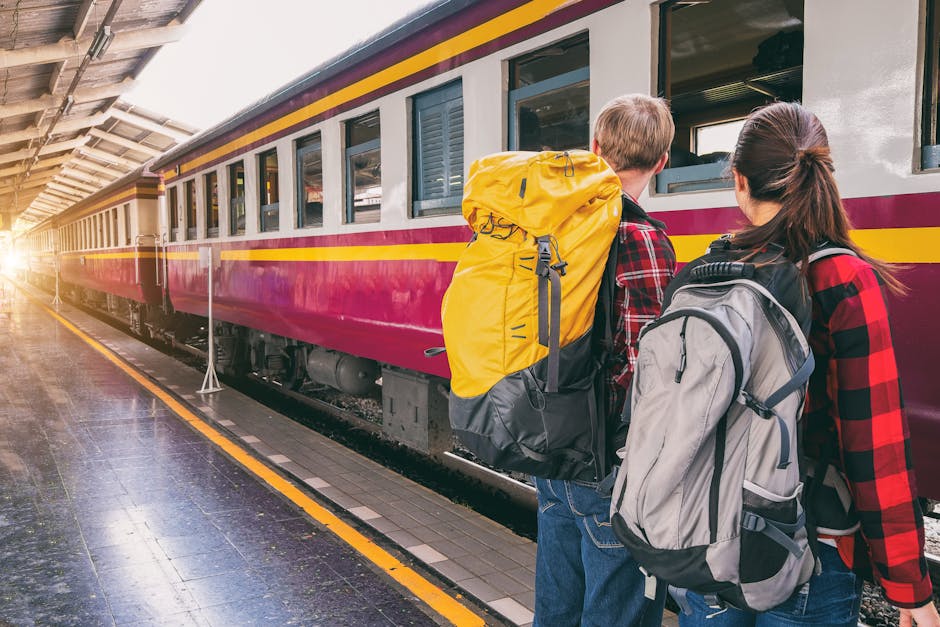
For first-time budget travelers, consider starting with nearby countries or regions. A train trip through Central Europe or a bus tour across Central America can be both affordable and rewarding.
Save on Flights Without Sacrificing Convenience
Airfare is often the largest travel expense, but you don’t need to fly business class to save money. Use these proven strategies to book cheaper flights:
- Be flexible with dates: Flying midweek (Tuesday or Wednesday) is typically cheaper than weekends. Use Google Flights’ calendar view to spot the lowest prices.
- Set price alerts: Tools like Skyscanner or Hopper notify you when fares drop for your route.
- Consider nearby airports: Flying into a secondary airport can save $50–$100. For example, landing in Oakland instead of San Francisco for a Bay Area trip.
- Book in advance—but not too early: For international flights, the sweet spot is usually 2–4 months ahead. Domestic flights are best booked 6–8 weeks out.
- Use budget airlines wisely: Carriers like Ryanair, EasyJet, and Southwest offer low base fares but charge for extras. Pack light and avoid checked bags to keep costs down.
One warning: ultra-low fares often come with strict cancellation policies. Read the fine print before booking, especially if your plans are uncertain.
Affordable Accommodations That Don’t Compromise Comfort
You don’t need to stay in hostels to save money. A range of budget-friendly lodging options provide privacy, safety, and comfort at a fraction of hotel prices.
| Type | Average Nightly Cost (USD) | Best For | Pros | Cons |
|---|---|---|---|---|
| Hostels (Private Room) | $30–$60 | Solo travelers, short stays | Social, central locations, often include breakfast | Limited privacy, shared facilities |
| Guesthouses / B&Bs | $40–$80 | Couples, cultural immersion | Local experience, home-cooked meals, personalized service | Fewer amenities, variable quality |
| Vacation Rentals (Airbnb, Vrbo) | $50–$100 | Families, longer stays | Kitchen access, more space, local neighborhoods | Cleaning fees, inconsistent standards |
| Budget Hotels | $60–$120 | Business travelers, comfort seekers | Private bathrooms, reliable Wi-Fi, 24/7 reception | Less local flavor, can be impersonal |
For maximum savings, consider house-sitting or work-exchange programs like Workaway or HelpX. These allow you to stay for free in exchange for a few hours of work per day—ideal for slow travelers.
Eat Like a Local Without Overspending
Food is a major part of the travel experience, and eating out doesn’t have to break the bank. In many countries, street food and local markets offer delicious, authentic meals at a fraction of restaurant prices.
Try these tips to eat affordably:
- Eat where locals eat: Avoid touristy restaurants near major attractions. Walk a few blocks away to find better prices and tastier food.
- Shop at markets: Buy fresh fruit, bread, and snacks for picnic lunches. In Barcelona, a bocadillo from a market stall costs under $5.
- Use lunch specials: Many restaurants offer discounted lunch menus. In Rome, a full pasta meal at lunch can cost half the dinner price.
- Cook your own meals: If your accommodation has a kitchen, prepare simple dinners. Even one homemade meal a day can save $15–$25.
Drinking water can also add up. In countries with safe tap water, refill a reusable bottle. In others, buy large bottles and refill smaller ones to reduce plastic and cost.
Free and Low-Cost Activities That Enrich Your Trip
Entertainment doesn’t have to come with a high price tag. Many of the best travel experiences are free or very affordable.
Look for:
- Free walking tours: Available in most major cities. You pay what you think it’s worth at the end.
- Museum free days: Many museums offer free admission one day a week or month. Check official websites in advance.
- Public parks and beaches: Enjoy nature without spending a dime. Central Park in New York or Copacabana in Rio are iconic and free.
- Local events: Festivals, markets, and community gatherings often have no entry fee and offer authentic cultural insights.
- Self-guided exploration: Download offline maps and explore neighborhoods on foot. You’ll discover hidden gems missed by tour groups.
For paid attractions, always check for student, senior, or group discounts. Some cities also offer tourist passes (like the Paris Museum Pass) that bundle entry to multiple sites at a reduced rate.
Transportation Tips to Keep Costs Down
Getting around efficiently can save you both time and money. Avoid taxis and ride-shares for short distances. Instead, use:
- Public transit: Buses, trams, and subways are usually the cheapest way to move around. Buy multi-day passes when available.
- Bike rentals: Many cities offer affordable daily bike rentals or bike-share programs. Amsterdam and Copenhagen are especially bike-friendly.
- Walking: In compact cities like Prague or Lisbon, walking is often faster and more enjoyable than driving.
- Long-distance buses: Companies like FlixBus (Europe) or Greyhound (U.S.) offer cheap intercity travel. Book early for the best fares.
For international trips, consider overnight buses or trains. You save on a night’s accommodation while traveling. Just bring a travel pillow and eye mask for comfort.
Budget Travel Packing Essentials
Smart packing prevents last-minute purchases and keeps baggage fees low. Stick to a carry-on whenever possible. Essentials include:
- A lightweight, lockable backpack or suitcase
- Packable daypack for daily excursions
- Reusable water bottle with filter
- Universal power adapter
- Basic first-aid kit and medications
- Quick-dry clothing and layers
Pack clothes that can be mixed and matched. Neutral colors and versatile items reduce the need for extra outfits. Roll clothes instead of folding to save space.
Final Tips for Stretching Your Travel Budget
Beyond the big expenses, small daily choices add up. Here are a few final strategies:
- Use cash instead of cards: Withdraw local currency from ATMs with low fees. Cash helps you stick to a daily budget.
- Avoid dynamic currency conversion: When paying by card abroad, always choose to be charged in the local currency.
- Track your spending: Use apps like Trail Wallet or Splitwise to monitor daily expenses and adjust as needed.
- Travel slowly: Staying longer in one place reduces transportation costs and often leads to discounts on lodging.
- Work remotely part-time: If your job allows, consider digital nomad visas or short work stints to offset costs.
Remember, budget travel is about making intentional choices—not deprivation. With planning and awareness, you can enjoy rich, fulfilling journeys without overspending.
FAQ
How much money do I need to travel the world on a budget?
It depends on your destination and travel style, but many budget travelers spend $30–$60 per day in affordable countries. In Southeast Asia or Eastern Europe, $40 a day can cover food, lodging, and local transport. In Western Europe or North America, aim for $70–$100 per day.
Is it safe to stay in hostels?
Yes, most hostels are safe, especially if you choose ones with good reviews on platforms like Hostelworld. Use lockers for valuables, keep your room key secure, and trust your instincts when meeting other travelers.
Can I travel cheaply without sacrificing comfort?
Absolutely. Budget travel today includes private rooms, guesthouses, and well-reviewed vacation rentals. You can enjoy clean, safe, and comfortable stays while still keeping costs low by choosing value-focused accommodations and avoiding luxury add-ons.
Conclusion
Seeing the world doesn’t require a six-figure income. With the strategies in this budget travel guide, you can explore new cultures, taste authentic food, and create lasting memories—all while spending less money. The key is planning ahead, staying flexible, and prioritizing experiences over luxury. Start small, track your spending, and let each trip teach you how to travel smarter. The world is waiting, and it’s more affordable than you think.

