

Best Travel Hacks Every Traveler Should Know Before Trip
Best Travel Hacks Every Traveler Should Know Before Trip
Traveling can be exciting, but poor planning often leads to stress, extra costs, and missed opportunities. The best travel hacks every traveler should know before trip can make all the difference—whether you’re flying internationally, road-tripping across states, or exploring a new city on foot. From smart packing techniques to navigating airports efficiently, these proven strategies help you save time, reduce expenses, and enjoy a smoother journey. This guide covers essential tips every traveler needs, backed by practical examples and real-world applications.
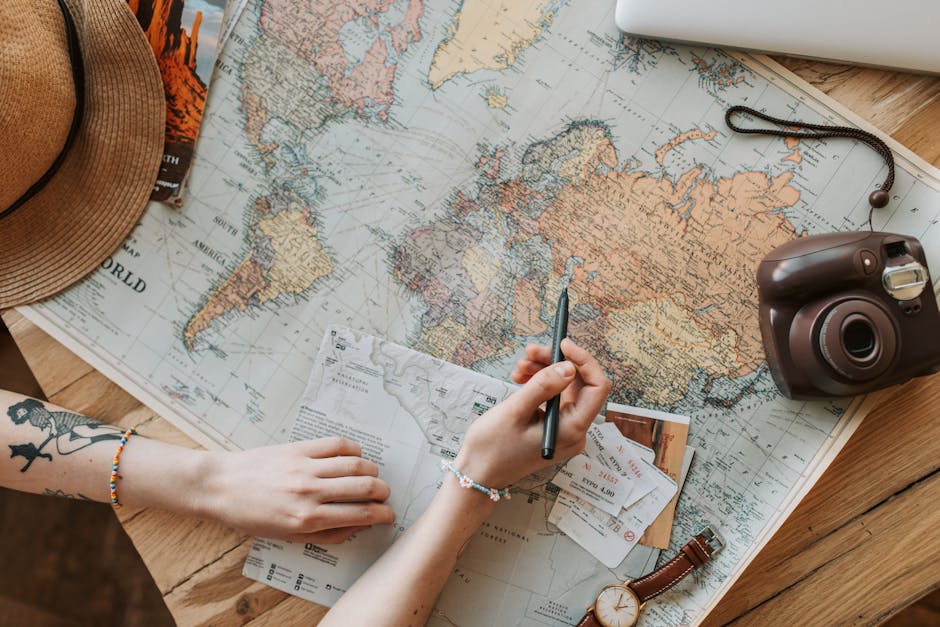
Pack Smarter, Not Heavier
Overpacking is one of the most common mistakes travelers make. It leads to overweight baggage fees, strained backs, and unnecessary stress. Instead, adopt a minimalist approach that focuses on versatility and efficiency.
Roll, Don’t Fold
Rolling clothes instead of folding them saves space and reduces wrinkles. This simple technique allows you to fit more into your suitcase while keeping outfits presentable. For even better results, use packing cubes to organize items by category—underwear in one, shirts in another, and so on.
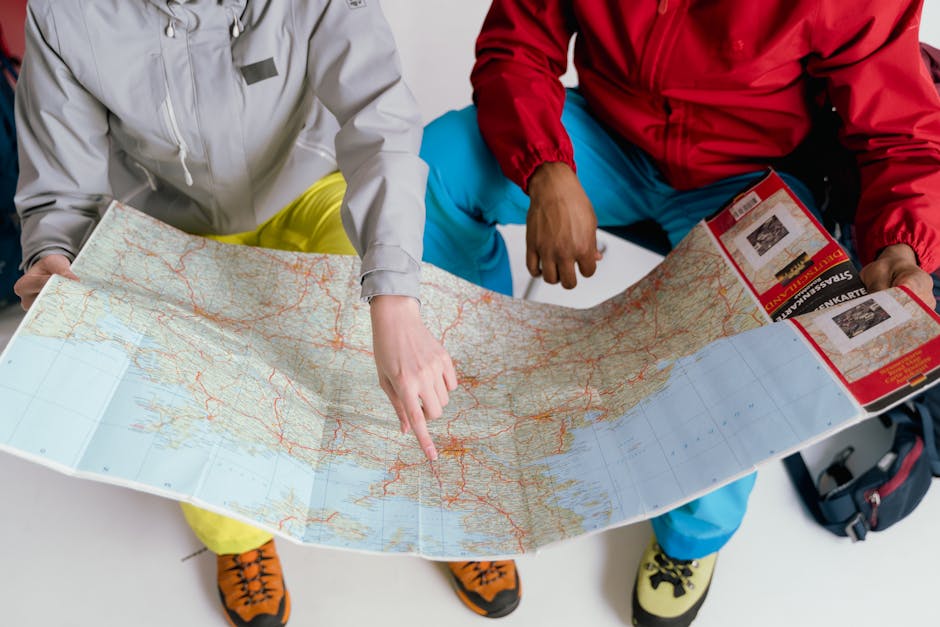
Wear Your Bulkiest Items
On travel days, wear your heaviest shoes, jacket, and jeans. This frees up valuable suitcase space and avoids checking a bag for short trips. If you’re flying, this also helps you stay under carry-on weight limits.
Use a Personal Item Strategically
Most airlines allow a carry-on and a personal item like a backpack or tote. Use this to carry essentials: chargers, medications, a change of clothes, and snacks. In case your checked luggage is delayed, you’ll still have the basics.
Save Money on Flights and Accommodations
Travel expenses can add up quickly, but a few smart moves can significantly reduce costs without sacrificing comfort.
Book Flights on Tuesday Evenings
While there’s no guaranteed “cheapest day” to fly, data shows that booking flights on Tuesday evenings often yields lower fares. Airlines frequently release sales early in the week, and competitors adjust prices by midweek.
Use Incognito Mode When Searching
Some travel sites use dynamic pricing based on your search history. Clear cookies or use incognito mode to avoid potential price hikes. Compare prices across multiple platforms like Google Flights, Skyscanner, and Momondo before booking.
Consider Alternative Airports
Flying into a smaller or secondary airport near your destination can save hundreds. For example, flying into Long Beach instead of LAX or Oakland instead of San Francisco often results in cheaper tickets and less crowded terminals.
Stay in Local Accommodations
Instead of chain hotels, consider staying in guesthouses, hostels, or vacation rentals. These options often provide better value, local insights, and a more authentic experience. Look for places with kitchens to save on meals.
Navigate Airports Like a Pro
Airports can be overwhelming, especially during peak travel seasons. These hacks help you move through terminals quickly and calmly.
Download Your Airline’s App
Most airlines offer mobile boarding passes, real-time gate updates, and baggage tracking. Having everything on your phone reduces the need for printed documents and keeps you informed of delays.
Arrive Early—But Not Too Early
Arriving three hours early for international flights is standard, but for domestic trips, two hours is usually sufficient. Use the extra time to relax, not wait endlessly. Check airport wait times online before leaving home.
Use TSA PreCheck or Global Entry
These trusted traveler programs let you skip long security lines and keep your shoes and laptop in your bag. While there’s an application fee, the time saved over multiple trips makes it worthwhile for frequent flyers.
Stay Connected and Safe Abroad
Staying in touch and protecting your data is crucial, especially in unfamiliar places.
Get a Local SIM Card or eSIM
Instead of paying for expensive international roaming, buy a local SIM card upon arrival or use an eSIM service like Airalo or Holafly. This gives you affordable data and calls without changing your number.
Use a VPN on Public Wi-Fi
Public networks in cafes, airports, and hotels are prime targets for hackers. A reliable VPN encrypts your connection, protecting passwords, banking details, and personal information.
Keep Digital and Physical Copies of Documents
Scan your passport, visa, insurance, and itinerary and store them in a secure cloud service. Also, carry printed copies in a separate bag. If your phone is lost or stolen, you’ll still have access to critical information.
Maximize Your Time at Destinations
Once you arrive, make the most of your trip with these time-saving and experience-enhancing tips.
Research Free Walking Tours
Many cities offer “pay-what-you-wish” walking tours led by local guides. These provide historical context, hidden gems, and insider tips—often more valuable than guidebooks.
Visit Popular Attractions Early or Late
Tourist hotspots are least crowded at opening time or just before closing. You’ll avoid lines, take better photos, and enjoy a more peaceful experience.
Use Public Transit Instead of Taxis
Public transportation is cheaper and often faster in congested cities. Download local transit apps like Citymapper or Moovit to navigate buses, trains, and subways with ease.
Essential Travel Hacks at a Glance
The table below compares common travel challenges with simple, effective solutions:
| Challenge | Solution | Benefit |
|---|---|---|
| Overpacking | Roll clothes, use packing cubes, wear bulky items | Saves space, avoids fees |
| High flight costs | Book on Tuesday, use incognito mode, check alternate airports | Reduces expenses |
| Airport delays | Use airline app, enroll in TSA PreCheck | Saves time, reduces stress |
| Data security abroad | Use VPN, avoid public Wi-Fi for sensitive tasks | Protects personal information |
Final Tips for Stress-Free Travel
Even with the best travel hacks, unexpected issues can arise. Prepare for the unexpected by packing a small emergency kit with pain relievers, a portable charger, duct tape, and a reusable water bottle. Notify your bank of travel plans to avoid card blocks, and always have a backup payment method.
Lastly, embrace flexibility. Delays, weather changes, and closed attractions happen. A positive attitude and a well-planned itinerary go hand in hand—allow room for spontaneity while staying organized.
FAQ
What’s the best way to avoid baggage fees?
Pack light enough to carry on, wear your bulkiest items, and choose airlines with generous carry-on policies. If you must check a bag, compare fees across carriers and consider credit cards that offer free checked bags.
How can I stay safe while using public Wi-Fi abroad?
Always use a reputable VPN, avoid accessing banking or sensitive accounts on public networks, and turn off auto-connect features on your device.
Is it worth paying for TSA PreCheck or Global Entry?
Yes, if you travel more than a few times a year. The time saved at security and customs, plus the convenience of keeping shoes and electronics in your bag, makes the investment worthwhile.
By applying these best travel hacks every traveler should know before trip, you’ll spend less time worrying and more time enjoying your adventures. Whether you’re a seasoned globetrotter or planning your first getaway, these tips will help you travel smarter, safer, and more affordably.

