
Best Things to Do in Vienna: A Complete Travel Guide
Best Things to Do in Vienna: A Complete Travel Guide
Vienna, the capital of Austria, blends imperial grandeur with modern charm. Whether you’re drawn to classical music, historic palaces, or cozy coffeehouses, the city offers a rich tapestry of experiences. This guide covers the best things to do in Vienna, from must-see landmarks to hidden local favorites. With practical tips, neighborhood insights, and seasonal advice, it’s designed to help you make the most of your trip—whether you’re visiting for a weekend or a week.
Top Attractions in Vienna
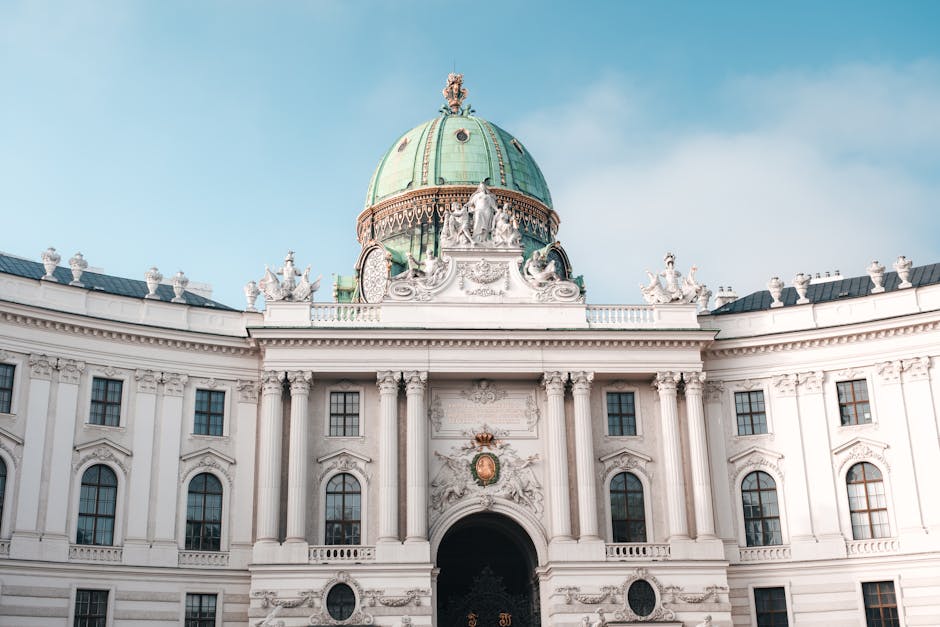
Vienna’s historic center is a UNESCO World Heritage Site, packed with architectural marvels and cultural institutions. Start your journey at the Hofburg Palace, the former imperial residence that now houses museums, the Spanish Riding School, and the Austrian president’s offices. The palace complex spans over 240,000 square meters and includes the Sisi Museum, where you can learn about Empress Elisabeth’s life.
Just a short walk away, St. Stephen’s Cathedral dominates the skyline with its colorful tiled roof and Gothic spire. Climb the 343 steps to the top for panoramic views of the city. Nearby, the Albertina Museum features one of the world’s most important print collections, with works by Dürer, Picasso, and Klimt.
Schönbrunn Palace and Gardens
A visit to Vienna isn’t complete without exploring Schönbrunn Palace, the summer residence of the Habsburgs. The Baroque palace has 1,441 rooms, but only a portion is open to the public. Guided tours reveal opulent chambers, including the Hall of Mirrors where Mozart once performed.
The surrounding gardens are equally impressive. Stroll through the Gloriette, a triumphal arch offering sweeping views, or visit the world’s oldest zoo, Tiergarten Schönbrunn, founded in 1752. The palm house and maze add to the family-friendly appeal. Arrive early to avoid crowds, especially in summer.
Belvedere Palace
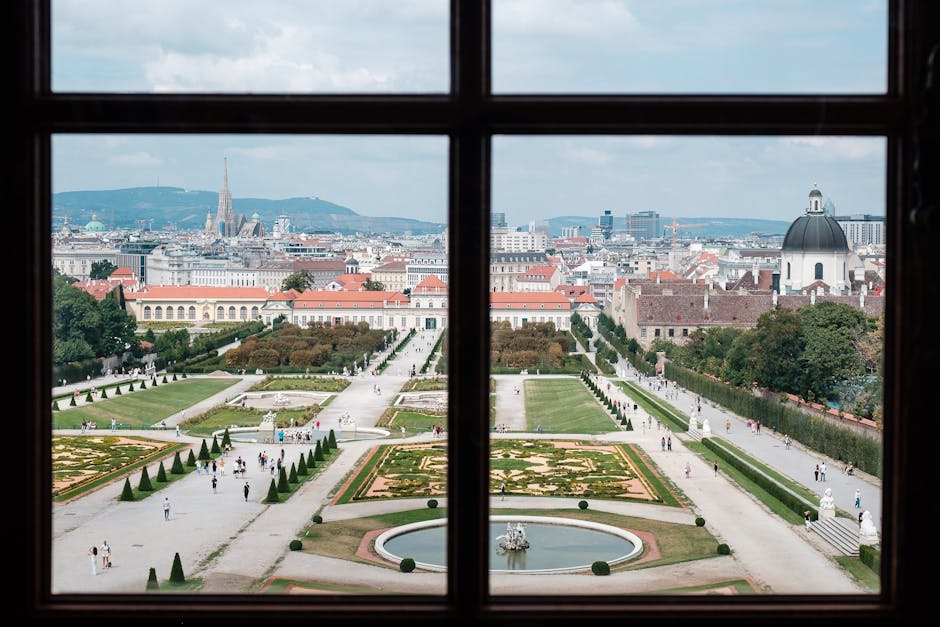
The Belvedere consists of two Baroque palaces—Upper and Lower Belvedere—connected by formal gardens. It’s best known for housing Gustav Klimt’s iconic painting, The Kiss. The Upper Belvedere’s collection spans Austrian art from the Middle Ages to the present, with works by Egon Schiele and Oskar Kokoschka.
The Lower Belvedere once served as Prince Eugene of Savoy’s residence and now hosts temporary exhibitions. The palace gardens are free to enter and perfect for a quiet afternoon walk. Combine your visit with a stop at the on-site café for a slice of Sachertorte.
Cultural Experiences and Museums
Vienna’s cultural scene is world-renowned, with over 100 museums and galleries. The MuseumsQuartier (MQ) is Europe’s largest cultural complex, housing the Leopold Museum, which focuses on Austrian modern art, and the MUMOK, dedicated to contemporary works.
For music lovers, attend a performance at the Vienna State Opera. Even if you don’t catch a show, take a guided tour to see the lavish interiors and learn about its acoustics. Standing-room tickets are available on the day of performances for as little as €10.
Classical Music and Concerts
Vienna’s musical legacy includes Mozart, Beethoven, and Strauss. While the city no longer hosts the same imperial concerts, you can still experience live performances in historic venues. The Musikverein, home of the Vienna Philharmonic, offers regular concerts with world-class orchestras.
Smaller venues like the Haus der Musik provide interactive exhibits on sound and music history. For a more intimate experience, check the schedule at the Theater an der Wien, where many famous operas premiered.
Vienna’s Coffeehouse Culture
Vienna’s coffeehouses are more than just places to drink coffee—they’re social institutions. Designated as a UNESCO intangible cultural heritage, these establishments encourage lingering over a Melange (similar to a cappuccino) or Einspänner (espresso with whipped cream).
Try Café Central, a grand café near the Herrengasse, known for its literary clientele, including Trotsky and Freud. Café Sperl in the 6th district offers a more relaxed vibe with vintage furniture and a garden terrace. Always order your drink before sitting down, and don’t rush—lingering is part of the experience.
Neighborhoods to Explore
Vienna is divided into 23 districts, each with its own character. The Inner Stadt (1st district) is the historic core, ideal for first-time visitors. Here, you’ll find narrow cobblestone streets, high-end shopping on Graben, and the Naschmarkt, a vibrant food market open daily except Sundays.
The 6th district, Mariahilf, is known for its bohemian atmosphere and independent boutiques. Head to Gumpendorfer Straße for vintage shops and cozy wine bars. For a local vibe, visit the 7th district, Neubau, home to art galleries, design stores, and the MuseumsQuartier.
Prater and the Giant Ferris Wheel
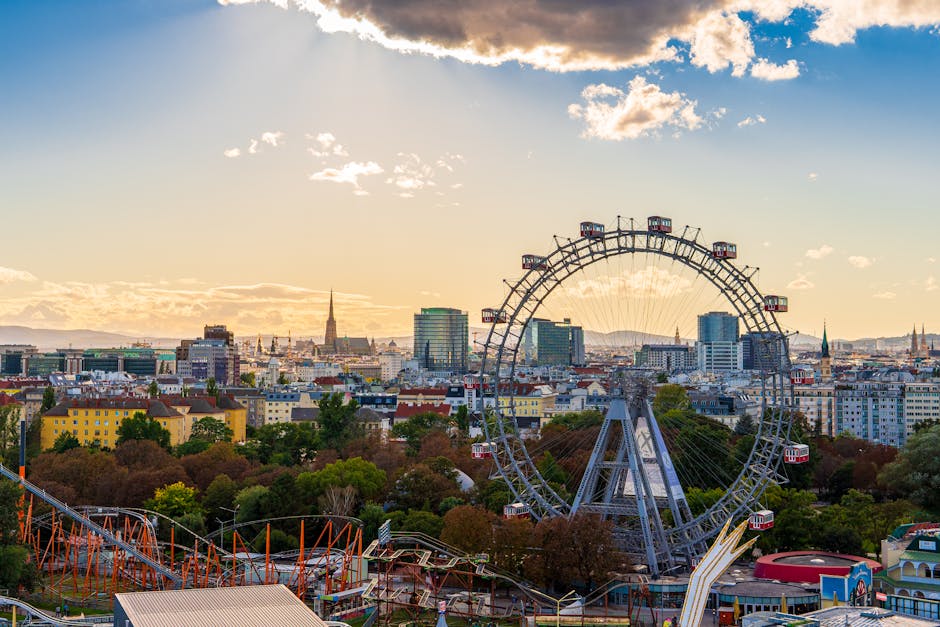
The Prater is a large public park in the 2nd district, famous for the Riesenrad, or Giant Ferris Wheel. Built in 1897, it offers stunning views of the city and is especially atmospheric at sunset. The surrounding amusement park, Wurstelprater, features classic rides and carnival games.
While the Prater is often associated with tourists, locals also come here to jog, picnic, or enjoy the green spaces. Rent a bike or take a horse-drawn carriage ride for a different perspective. Avoid weekends if you prefer quieter surroundings.
Danube Canal and Urban Spaces
The Danube Canal runs alongside the main Danube River and has become a trendy spot for locals. In summer, pop-up bars, food trucks, and outdoor cinemas line the banks. The area is especially lively during the annual Life Ball, a charity event that draws international celebrities.
For a peaceful escape, visit the Augarten, a Baroque park with a porcelain museum and open-air concerts. The nearby Danube Island, over 21 kilometers long, is perfect for cycling, swimming, or attending open-air festivals like Donauinselfest.
Day Trips from Vienna
Vienna’s central location makes it an excellent base for day trips. The Wachau Valley, a UNESCO-listed stretch of the Danube, is about an hour away by train. Visit the medieval Melk Abbey, perched on a hill overlooking the river, or sample local wines in Dürnstein.
Bratislava, the capital of Slovakia, is just 60 kilometers away and reachable by frequent trains. Explore its compact Old Town, visit Bratislava Castle, and enjoy affordable dining. The journey takes about an hour, making it ideal for a half-day trip.
Thermen and Wellness
For relaxation, visit one of Vienna’s thermal baths. The Therme Wien in the 10th district offers indoor and outdoor pools, saunas, and spa treatments. The historic Rudas Baths, dating back to the 19th century, provide a more traditional experience with gender-segregated sections.
Both are open late, with Rudas offering a unique rooftop pool open until 11 p.m. Bring your own towel or rent one on-site. Arrive in the evening for a quieter, more atmospheric experience.
Food and Drink in Vienna
Viennese cuisine blends Austrian traditions with Hungarian, Czech, and Italian influences. Must-try dishes include Wiener Schnitzel (breaded veal cutlet), Tafelspitz (boiled beef with horseradish), and Kaiserschmarrn (shredded pancake with fruit compote).
For a quick bite, visit a traditional Beisl—a casual wine tavern. Weingut am Stein in the 1st district serves local wines and simple dishes in a historic setting. For dessert, try Apfelstrudel at a café or buy a slice to go at a bakery.
Markets and Food Halls
The Naschmarkt is Vienna’s most famous market, with over 120 stalls selling fresh produce, spices, cheeses, and international street food. Visit in the morning for the best selection. Don’t miss the organic section at the far end, known as the Bio Naschmarkt.
For a modern twist, check out the food hall at the Riesenradplatz or the new Markthalle am Quartier Belvedere. These spaces combine gourmet vendors with seating areas, ideal for sampling multiple dishes in one visit.
Seasonal Tips and Best Times to Visit
Vienna is a year-round destination, but the best time to visit depends on your interests. Spring (April to May) and fall (September to October) offer mild weather, fewer crowds, and blooming gardens. Summer (June to August) is peak season, with long days and outdoor events, but also higher prices and tourist congestion.
Winter brings festive markets, especially around Christmas. The Vienna Christmas World at Rathausplatz is one of the largest in Europe, with over 150 stalls, ice skating, and mulled wine. New Year’s Eve features street parties and fireworks, culminating in the famous Silvesterpfennig coin tradition.
What to Pack
Vienna’s weather can be unpredictable, so pack layers. Comfortable walking shoes are essential, as many attractions are best explored on foot. In winter, bring a warm coat, gloves, and a scarf. Summer visitors should carry sunscreen and a reusable water bottle—public fountains provide safe drinking water.
Don’t forget a reusable shopping bag for markets and a small backpack for day trips. Most museums and public buildings require bags to be stored in lockers, so travel light.
Transportation and Getting Around
Vienna has an efficient public transportation system, including buses, trams, and a subway (U-Bahn). A single ticket costs €2.40 and is valid for 75 minutes across all modes. For longer stays, consider a 24-hour (€8.40), 48-hour (€15.90), or 72-hour (€21.10) pass.
The Vienna City Card offers unlimited travel and discounts at over 200 attractions. It’s worth considering if you plan to visit multiple museums or take guided tours. Purchase it online or at tourist offices.
Walking and Biking
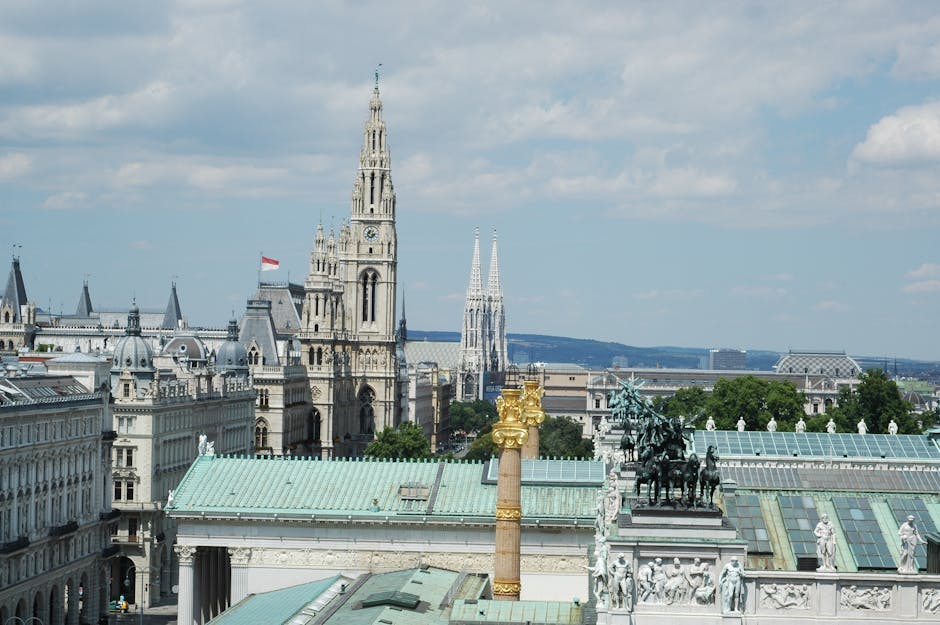
Many of Vienna’s top sights are within walking distance in the city center. The Ringstraße, a grand boulevard encircling the Inner Stadt, connects major landmarks like the Opera, Parliament, and City Hall. Walking tours are available in multiple languages and often include skip-the-line access.
Biking is also popular, with over 1,200 kilometers of bike paths. Rent a bike from Citybike Wien stations or use the free-floating app-based services like Donkey Republic. Helmets are not required but recommended.
Budget Tips for Travelers
Vienna can be expensive, but there are ways to save. Many museums offer free admission on the first Sunday of the month or discounted evening tickets. The Sigmund Freud Museum, for example, is free on the first Tuesday of each month after 3 p.m.
Eat like a local by visiting Imbiss stands for sausages, kebabs, or falafel. A meal at a casual Beisl costs around €12–€15, while fine dining can exceed €100 per person. Tap water is safe and usually served free in restaurants upon request.
Free and Low-Cost Activities
Enjoy free attractions like the Volksgarten, a rose garden with a Roman temple, or the Burggarten, home to a butterfly house. The city’s parks and courtyards are perfect for picnics. Free walking tours operate on a tip basis and cover history, street art, or food.
Check the city’s event calendar for free concerts, open-air cinema, and festivals. The Vienna Festival in May and June features performances across the city, many of which are low-cost or donation-based.
Compact Comparison: Top Vienna Attractions
| Attraction | Best For | Entry Fee (Adult) | Tip |
|---|---|---|---|
| Schönbrunn Palace | History, Gardens | €22 (Imperial Tour) | Book online to skip lines |
| Belvedere Palace | Art, Architecture | €18 (Upper + Lower) | Free garden access |
| St. Stephen’s Cathedral | Views, History | Free (tower €6) | Climb the north tower for best views |
| Hofburg Palace | Museums, Imperial Life | Varies by section | Combine with Spanish Riding School |
| Prater & Riesenrad | Views, Fun | €12 (Ferris wheel) | Go at sunset for fewer crowds |
Frequently Asked Questions
What is the best time of year to visit Vienna?
The best times are spring (April–May) and fall (September–October), when the weather is mild and crowds are smaller. Summer is lively but busy, while winter offers festive markets and lower prices.
Is Vienna safe for tourists?
Yes, Vienna is one of Europe’s safest cities. Petty crime like pickpocketing occurs in crowded areas, so stay alert in tourist hotspots and on public transport.
Do I need to speak German to get around?
No. Most Viennese speak English, especially in hotels, restaurants, and tourist areas. Basic German phrases like “Danke” (thank you) are appreciated but not required.
Related keywords: Best Things to Do in Vienna Travel Guide.

