
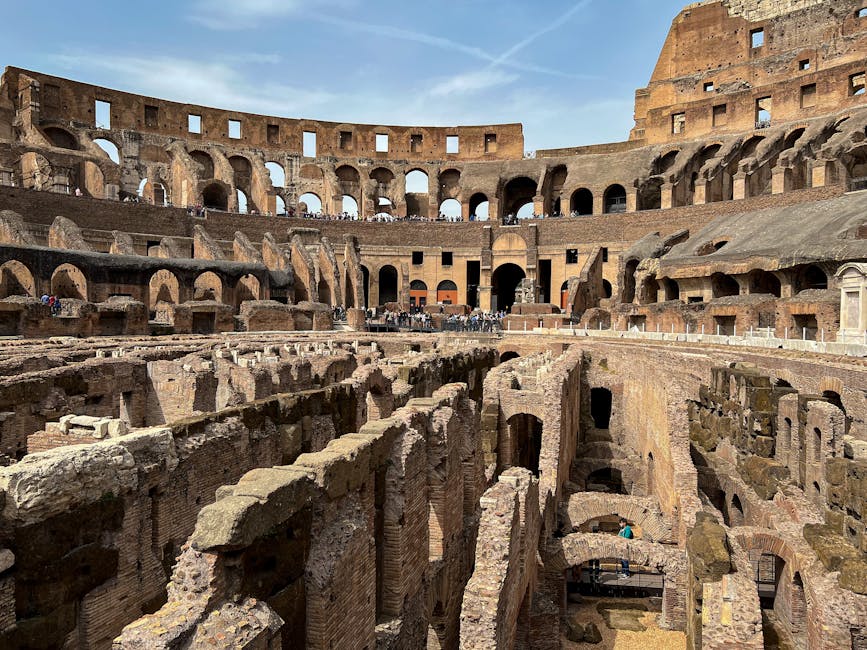
Best Things to Do in Rome Italy Travel Guide
Looking for the best things to do in Rome Italy? This travel guide covers must-see attractions, hidden gems, and practical tips to help you make the most of your visit. From ancient ruins and world-class museums to authentic trattorias and scenic neighborhoods, Rome offers an unforgettable blend of history, culture, and cuisine. Whether you’re planning a weekend getaway or an extended stay, this guide delivers clear, actionable advice on where to go, what to see, and how to avoid common tourist pitfalls—all tailored for first-time and returning visitors alike.
Top Attractions You Can’t Miss
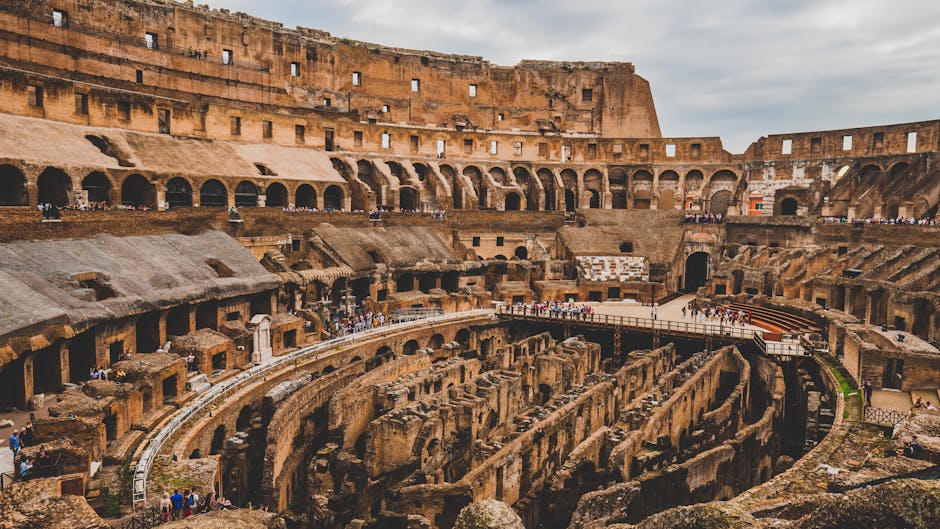
Rome is packed with iconic landmarks that define its global reputation. Start your journey at the Colosseum, the largest amphitheater ever built and a powerful symbol of ancient Roman engineering. Book a skip-the-line ticket in advance to avoid long queues, especially during peak season. Just a short walk away, the Roman Forum offers a maze of ruins that once formed the political and social heart of the empire. Guided tours provide valuable context, helping you visualize the bustling marketplace and temples that stood here nearly 2,000 years ago.
The Vatican City, an independent enclave within Rome, is home to St. Peter’s Basilica and the Vatican Museums, which house Michelangelo’s Sistine Chapel ceiling. Arrive early or reserve a timed entry ticket to minimize wait times. Inside St. Peter’s, climb the dome for panoramic views of the city—worth the 551-step climb or a slightly easier elevator ride to the base of the dome.
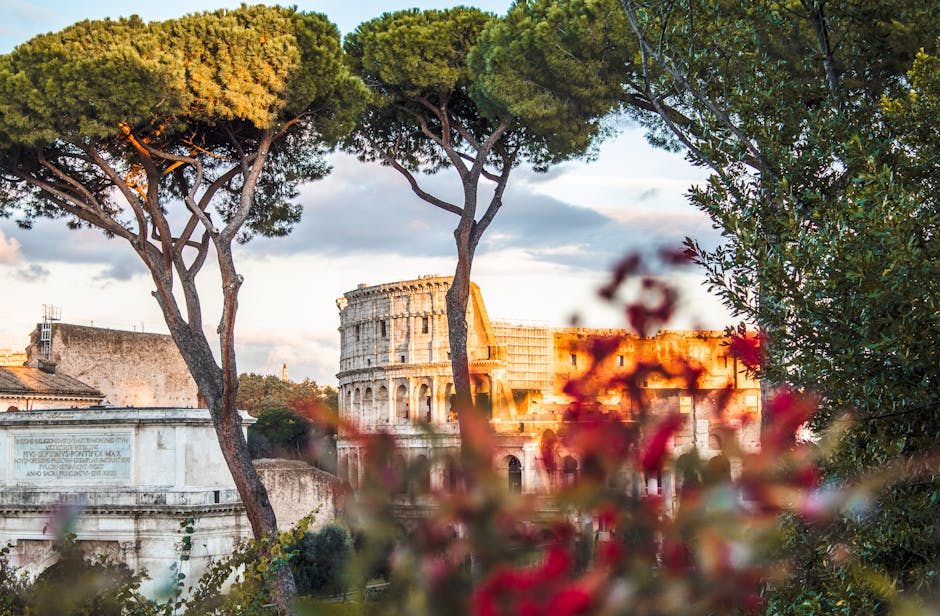
Don’t overlook the Pantheon, one of the best-preserved ancient buildings in the world. Its massive dome and oculus remain architectural marvels. Entry is free, and it’s open daily, making it an easy stop between other sights. Nearby, the Trevi Fountain draws crowds, but visiting early morning or late evening offers a quieter experience. Tossing a coin ensures your return to Rome—a tradition millions follow each year.
Exploring Rome’s Historic Neighborhoods
Beyond major monuments, Rome’s neighborhoods offer authentic local life and charm. Trastevere, located across the Tiber River, is known for its cobblestone streets, ivy-covered buildings, and lively piazzas. It’s ideal for evening strolls, gelato stops, and dinner at family-run trattorias. Try Da Enzo al 29 for classic Roman dishes like cacio e pepe and carbonara made without cream—true to tradition.
Monti, nestled between the Colosseum and Via Nazionale, blends bohemian flair with ancient roots. Once a working-class district, it’s now a hub for indie boutiques, vintage shops, and craft cocktail bars. It’s less crowded than the historic center but still within walking distance of major sites. For a quieter vibe, head to Testaccio, a residential area with a strong local identity. The Mercato di Testaccio offers fresh produce, artisanal foods, and street food options like supplì (fried rice balls) and tripe sandwiches—popular among Romans but often skipped by tourists.
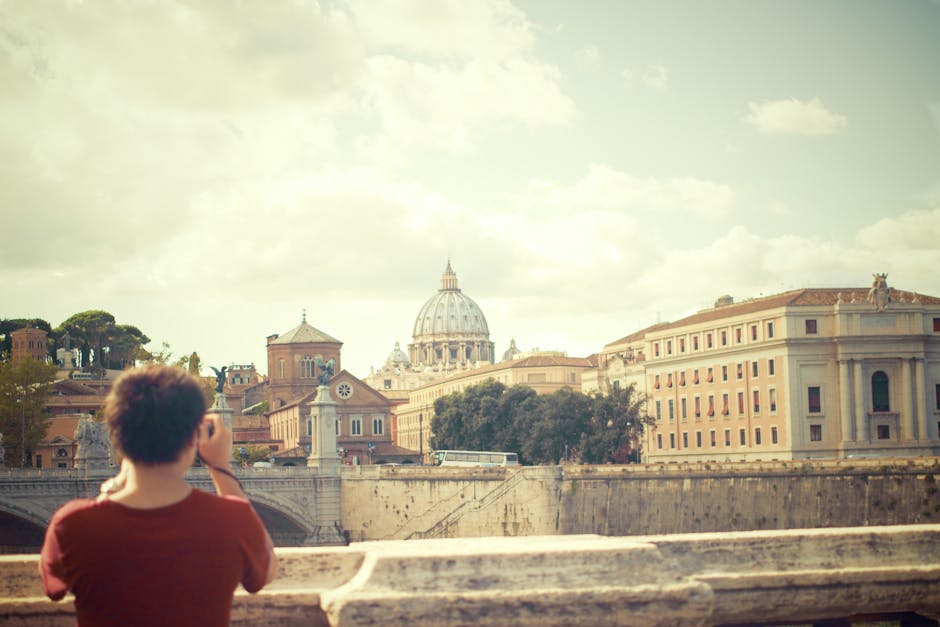
Aventine Hill provides a peaceful retreat with the famous Keyhole of the Knights of Malta, which frames a perfect view of St. Peter’s dome. It’s a favorite spot for photographers and those seeking a moment of calm away from the city’s energy.
Cultural Experiences and Local Flavors
Rome’s cultural scene extends beyond museums and ruins. Attend an opera or classical concert at Teatro dell’Opera di Roma or enjoy an open-air film screening in summer at Villa Borghese. The city also hosts seasonal festivals, such as the Estate Romana, a summer-long program of music, theater, and food events across parks and piazzas.
Food is central to Roman life. Start your day with a cornetto (similar to a croissant) and espresso at a neighborhood café. Lunch might include a supplì from a street vendor or a sit-down meal at a trattoria. Avoid restaurants with menus in multiple languages and pictures of food—these are often tourist traps. Instead, look for places filled with locals, especially during lunch hours.
For a hands-on experience, join a cooking class. Many are held in local homes or culinary schools and cover dishes like handmade pasta, tiramisu, and Roman-style artichokes (carciofi alla romana). These classes often include market tours, offering insight into ingredient selection and seasonal cooking.
Day Trips and Nearby Escapes
If you have extra time, consider a day trip from Rome. Ostia Antica, the ancient port city, is a 30-minute train ride away and features remarkably preserved ruins, including homes, baths, and a theater. It’s often compared to Pompeii but with fewer crowds and easier access.
Tivoli, about an hour by train, is home to Villa d’Este and Hadrian’s Villa. The former is famed for its Renaissance gardens and over 300 fountains, while the latter showcases Roman imperial architecture on a grand scale. Both are UNESCO World Heritage Sites and offer a quieter alternative to central Rome’s bustle.
For beach lovers, the coastal town of Fregenae or Santa Severa offers sandy shores and seafood restaurants within a 90-minute train ride. These spots are ideal for a half-day escape, especially in summer.
Practical Tips for Navigating Rome
Public transportation in Rome includes buses, trams, and a metro system with three main lines. A Roma Pass offers unlimited public transit and discounted or free entry to select attractions, valid for 24, 48, or 72 hours. Purchase it online or at tourist offices. Validate your ticket before boarding to avoid fines.
Walking is often the best way to explore the historic center, as many streets are pedestrian-only. Comfortable shoes are essential—cobblestones and uneven pavement are common. Be cautious of pickpockets in crowded areas like metro stations, the Trevi Fountain, and the Colosseum. Keep valuables secure and avoid displaying expensive items.
Tap water is safe to drink and widely available from public fountains, known as nasoni. Bring a reusable bottle to stay hydrated while reducing plastic waste. Most restaurants and cafes will refill it upon request.
When visiting religious sites, dress modestly. Shoulders and knees should be covered, especially in St. Peter’s Basilica and the Pantheon. Many churches enforce this rule strictly, and entry may be denied otherwise.
Best Time to Visit Rome
The ideal time to visit Rome is during spring (April to June) and fall (September to October), when temperatures are mild and crowds are manageable. Summer brings heat and large tourist numbers, particularly in July and August. While major sites remain open, long lines and high prices are common. Winter is the least crowded season, with shorter lines and lower accommodation rates, though some outdoor attractions may have reduced hours.
Check local event calendars before traveling. Major holidays like Easter and Christmas bring special celebrations but also closures and packed streets. Similarly, the Rome Marathon in March and the Festa de’ Noantri in Trastevere (July) offer unique cultural experiences but require advance planning.
Accommodation Options by Area
Choosing where to stay in Rome depends on your priorities. The historic center (Centro Storico) offers proximity to major sights but can be noisy and expensive. Trastevere provides a local feel with good nightlife and dining, though it’s slightly farther from the Vatican. Monti is central and trendy, ideal for first-time visitors who want walkability and charm. Prati, near Vatican City, is quieter and well-connected by metro, making it a solid choice for families or those seeking comfort.
Budget travelers can find affordable hostels and guesthouses in areas like San Lorenzo or Ostiense, though these require more transit time. Always read recent reviews and confirm amenities like air conditioning, especially in summer.
Comparing Rome’s Top Attractions
Not all attractions are equally suited to every traveler. The table below compares key sites based on entry fees, average visit time, and crowd levels to help you prioritize.
| Attraction | Entry Fee (Adult) | Average Visit Time | Crowd Level | Best For |
|---|---|---|---|---|
| Colosseum & Roman Forum | €18 (combined ticket) | 2.5–3 hours | Very High | History lovers, first-time visitors |
| Vatican Museums & Sistine Chapel | €20–€27 (with timed entry) | 3–4 hours | Very High | Art and culture enthusiasts |
| Pantheon | Free | 45–60 minutes | Moderate | Architecture fans, quick visits |
| Trevi Fountain | Free | 15–30 minutes | High | Photo opportunities, tradition |
| Ostia Antica | €14 | 2–3 hours | Low to Moderate | Day trippers, ancient history |
Final Tips for a Smooth Trip
- Book in advance: Reserve tickets for the Colosseum, Vatican Museums, and popular tours online to save time and guarantee entry.
- Use cash wisely: While cards are accepted in most places, small vendors, trattorias, and public transit may require cash. Carry small denominations for tips and purchases.
- Learn basic Italian phrases: Simple greetings like “buongiorno” (good morning) and “grazie” (thank you) go a long way in building rapport with locals.
- Stay hydrated and take breaks: Rome’s summer heat can be intense. Plan midday rests in shaded cafes or parks like Villa Borghese.
- Respect local customs: Dining late (after 8 p.m.) is normal, and rushing meals is uncommon. Embrace the leisurely pace.
FAQ
How many days do I need to see Rome?
Three to four days is ideal for first-time visitors to cover major attractions, neighborhoods, and a day trip. With more time, you can explore museums in depth, enjoy longer meals, and visit lesser-known sites.
Is Rome safe for tourists?
Yes, Rome is generally safe, but petty crime like pickpocketing occurs in crowded areas. Stay alert in tourist hotspots and on public transport. Avoid unlicensed taxis and always use official services.
Can I visit the Vatican without a tour?
Yes, you can enter the Vatican Museums and St. Peter’s Basilica independently with a timed entry ticket. However, guided tours provide historical context and often include access to restricted areas like the Vatican Necropolis.
Conclusion
The best things to do in Rome Italy blend ancient wonders, cultural richness, and everyday Roman life. From standing in the shadow of the Colosseum to sipping espresso in a sunlit piazza, the city rewards curious travelers with depth and authenticity. Plan ahead, move at a comfortable pace, and embrace the local rhythm. With this guide, you’re equipped to explore Rome thoughtfully and make memories that last long after your trip ends.

