
Best Things to Do in Riyadh Travel Guide
Best Things to Do in Riyadh Travel Guide
Riyadh, the capital of Saudi Arabia, blends ancient heritage with futuristic ambition. Whether you’re drawn to history, culture, shopping, or desert adventures, the city offers a dynamic mix of experiences. From exploring centuries-old ruins to wandering through modern art galleries, Riyadh delivers a travel experience that surprises and delights. This guide covers the best things to do in Riyadh, with practical tips and must-see destinations for every kind of traveler.
Explore Historic and Cultural Landmarks
Visit Diriyah, the Birthplace of Saudi Arabia
Just 20 minutes from central Riyadh, Diriyah is a UNESCO World Heritage Site and the ancestral home of the Saudi royal family. The restored mud-brick city of At-Turaif features palaces, museums, and narrow alleyways that reflect 18th-century Najdi architecture. Walk through the Al-Bujairi district for panoramic views of the Wadi Hanifah valley and enjoy traditional Saudi cuisine at nearby restaurants.
Diriyah also hosts seasonal cultural festivals, including the annual Diriyah Season, which features concerts, art installations, and food markets. Entry is free, but guided tours offer deeper context and are recommended for first-time visitors.
Discover the National Museum of Saudi Arabia
Located in the heart of Riyadh, the National Museum offers a comprehensive journey through the Kingdom’s history, from prehistoric times to the modern era. The museum’s eight galleries cover topics like the rise of Islam, the unification of Saudi Arabia, and regional archaeology. Highlights include ancient artifacts from the Nabataean city of Hegra and interactive exhibits on Arabian wildlife.
Plan to spend at least two hours here. Audio guides are available in multiple languages, and the museum is fully accessible. It’s open daily except Mondays, with extended hours on weekends.
Stroll Through Murabba Palace
Built in 1936 by King Abdulaziz, Murabba Palace was the first major expansion of Riyadh beyond its original walls. The restored complex now houses a museum showcasing royal life, traditional furnishings, and historical documents. The architecture blends Najdi and modern influences, with courtyards and wind towers designed for natural cooling.
The palace is part of the King Abdulaziz Historical Center, which includes a library, mosque, and park. Entry is free, and guided tours are available in English upon request.
Experience Modern Riyadh
Shop and Dine at Riyadh Park
Riyadh Park is one of the city’s most popular shopping and entertainment destinations. The mall features international brands like Zara, H&M, and Apple, as well as luxury retailers such as Gucci and Louis Vuitton. Dining options range from fast food to upscale restaurants, including Saudi favorites like Al Baik and Najd Village.
The mall also includes a cinema, children’s play area, and seasonal events. It’s open daily until midnight, making it a great evening destination. Parking is ample, but arrive early on weekends to avoid crowds.
Enjoy Views from the Kingdom Centre
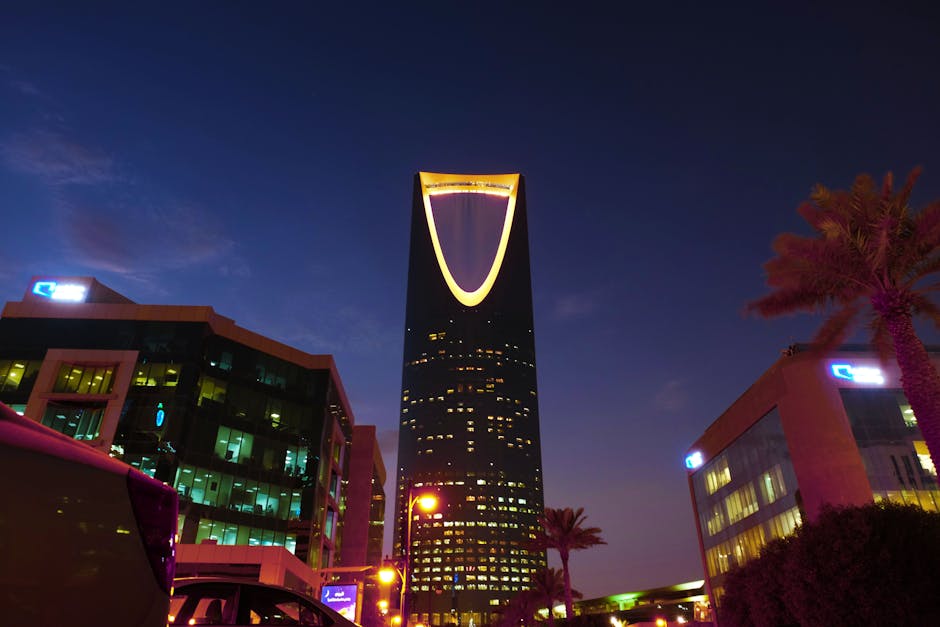
The Kingdom Centre is Riyadh’s most recognizable skyscraper, standing at 302 meters. The Sky Bridge on the 99th floor offers 360-degree views of the city, especially stunning at sunset. The observation deck is open to the public, with tickets available online or at the entrance.
Below the tower, the Kingdom Centre Mall houses over 200 stores, a food court, and a cinema. The building also includes a luxury hotel and office spaces. Visit in the late afternoon to catch both daylight and city lights.
Wander Through Al-Masmak Fortress
This 19th-century mud-and-clay fort played a key role in the founding of modern Saudi Arabia. It was the site of the 1902 raid led by King Abdulaziz that reclaimed Riyadh from rival forces. Today, the fortress serves as a museum with exhibits on military history, traditional weapons, and tribal artifacts.
The courtyard and watchtowers are particularly atmospheric, especially in the early morning or late afternoon. Entry is free, and the site is a short walk from the historic Souq al-Thumairi.
Enjoy Nature and Outdoor Activities
Relax at Wadi Hanifah
This green valley runs through southern Riyadh and offers a rare escape into nature. The wadi features walking and cycling paths, picnic areas, and restored wetlands. It’s a popular spot for families and joggers, especially during cooler months.
Several cafes and food trucks line the route, serving Arabic coffee and light meals. The area is well-maintained and patrolled, making it safe for daytime visits. Avoid swimming in the water channels, as they are not designated for recreation.</n
Take a Desert Safari Near Riyadh
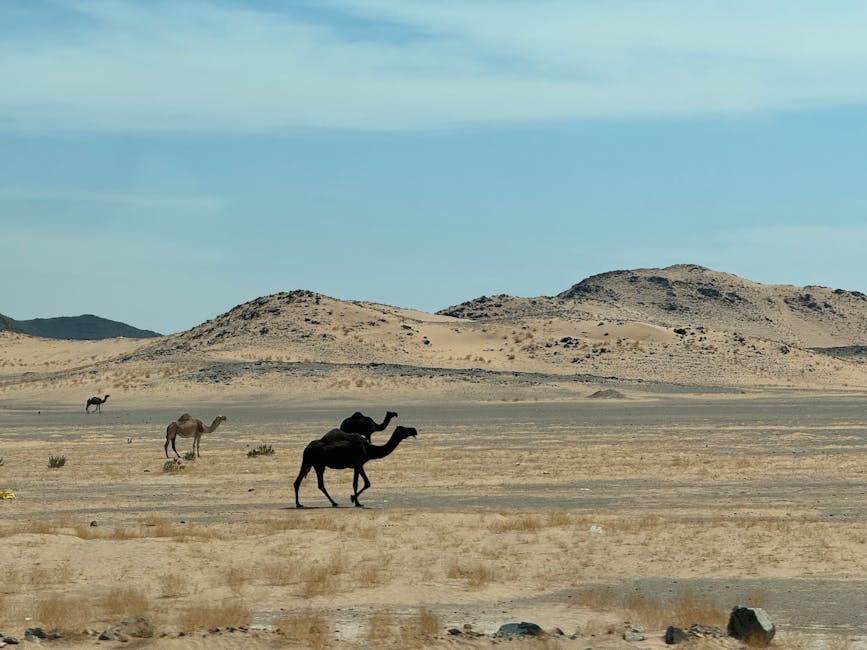
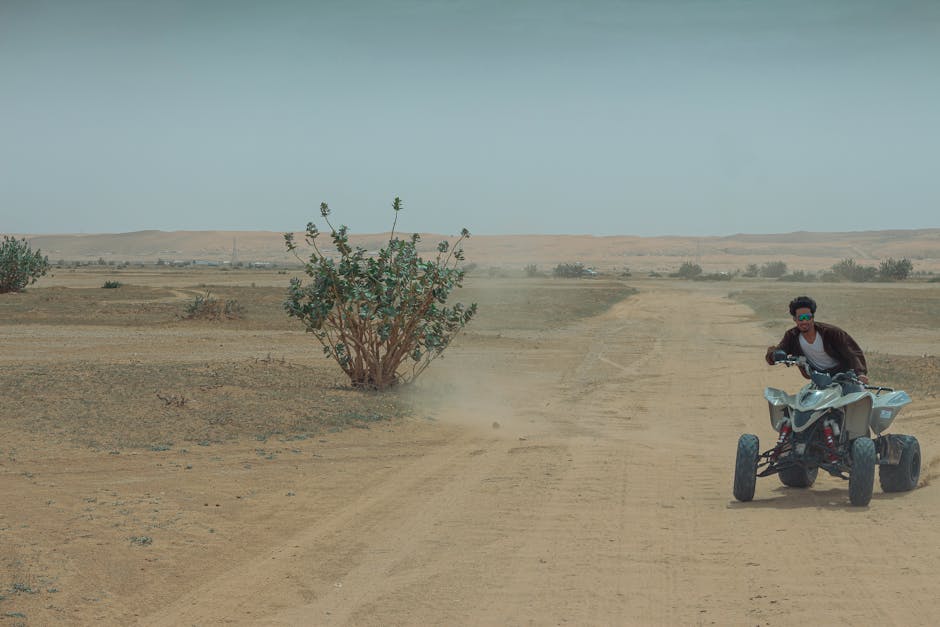
Just outside the city, the Arabian Desert offers thrilling dune bashing, camel rides, and stargazing. Several tour operators provide half-day and full-day excursions, often including a traditional Bedouin camp experience with dinner and live music.
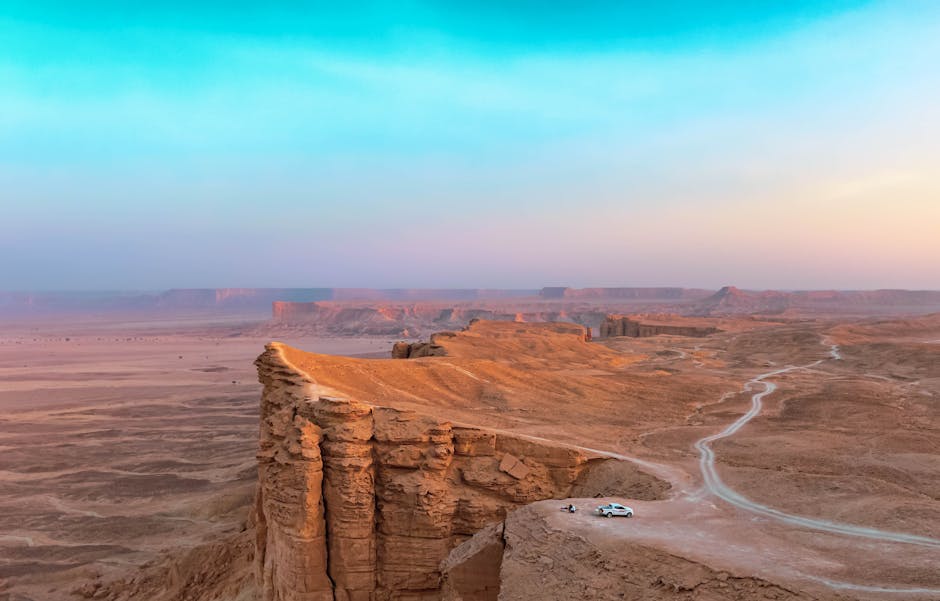
Popular departure points include the Edge of the World (Jebel Fihrayn), a dramatic cliff formation 90 minutes from Riyadh. Bring sunscreen, a hat, and warm clothing for evening trips. Most tours include hotel pickup and drop-off.
Visit Riyadh Zoo
Riyadh Zoo is home to over 1,500 animals from around the world, including lions, giraffes, and Arabian oryx. The zoo emphasizes conservation and education, with informative signage and scheduled feeding times. The shaded walkways and water features make it comfortable even in warmer weather.
It’s open daily, with reduced hours during Ramadan. Tickets are affordable, and group discounts are available. The zoo is located near Al-Masmak Fortress, making it easy to combine with other historic sites.
Immerse Yourself in Arts and Entertainment
Explore the King Abdulaziz Center for World Culture (Ithra)
Located in the Khobar area, about two hours from Riyadh, Ithra is a cultural hub with a museum, library, cinema, and innovation lab. The building itself is an architectural marvel, designed to resemble a collection of stacked discs. Exhibitions rotate frequently and often focus on global themes like sustainability and human creativity.
While not in central Riyadh, it’s worth a day trip for culture enthusiasts. Free shuttle buses run from Riyadh on weekends. Check the official website for current exhibitions and event schedules.
Attend a Show at the King Fahd Cultural Center
This venue hosts concerts, theater performances, and film screenings throughout the year. The center supports both local and international artists, with events ranging from classical music to contemporary dance. The auditorium seats over 1,200 and features excellent acoustics.
Ticket prices vary by event, and advance booking is recommended. The center is located near the Diplomatic Quarter and is accessible by taxi or ride-sharing apps.
Shop at Souq al-Thumairi
This traditional market in the old city is one of the last remaining souqs in Riyadh. Vendors sell spices, perfumes, handmade crafts, and vintage clothing. It’s a great place to pick up souvenirs like kaftans, incense burners, or silver jewelry.
The souq is busiest in the late afternoon and evening. Bargaining is expected, so don’t accept the first price. The area is pedestrian-only, so park nearby and walk in.
Family-Friendly Activities
Spend a Day at Riyadh Park’s Entertainment Zones
In addition to shopping, Riyadh Park features a large indoor amusement area with rides, arcade games, and a bowling alley. The children’s zone includes soft play areas and interactive exhibits. It’s a popular weekend destination for families.
Entry to the entertainment zone is ticketed separately from mall access. Packages are available for multiple activities. Strollers and nursing rooms are available on-site.
Visit the Riyadh Water Tower
This iconic structure offers panoramic views of the city from its observation deck. The tower also houses a small museum about water management in Saudi Arabia. The surrounding park is ideal for a leisurely walk or a family picnic.
The tower is open daily, with extended hours during public holidays. Entry is free, but the observation deck may close during high winds or maintenance.</n
Explore the Edge of the World (Jebel Fihrayn)
For families seeking adventure, a trip to the Edge of the World is unforgettable. The dramatic cliffs drop 300 meters into the desert below, offering breathtaking views and photo opportunities. The site is accessible by 4×4 vehicle, and guided tours often include hiking and a traditional lunch.
Wear sturdy shoes and bring plenty of water. The area has no facilities, so plan accordingly. Best visited between October and April when temperatures are cooler.
Food and Dining Experiences
Try Traditional Saudi Cuisine
Don’t leave Riyadh without sampling local dishes like kabsa (spiced rice with meat), mutabbaq (stuffed pastry), and harees (wheat and meat porridge). Restaurants such as Najd Village and Al Orjouan offer authentic flavors in traditional settings.
Many restaurants feature live oud music and floor seating, enhancing the cultural experience. Most serve halal food only, and alcohol is not available.
Visit a Rooftop Café
Riyadh’s café scene has grown rapidly, with rooftop venues offering city views and specialty coffee. Popular spots include Urth Caffé, % Arabica, and The Grind. These cafes are ideal for relaxing after a day of sightseeing.
Most open in the late morning and stay busy into the night. Reservations are recommended for weekends. Dress modestly, as the city enforces conservative dress codes in public spaces.
Explore Food Halls and Night Markets
Venues like The Zone and Riyadh Park’s food court offer diverse dining options under one roof. Night markets, such as the Riyadh Season food festival, feature street food, live cooking, and entertainment.
These events are seasonal, so check local listings before visiting. Cash and card are widely accepted, and many vendors offer vegetarian and vegan options.
Travel Tips and Practical Advice
Best Time to Visit Riyadh
The ideal time to visit is between November and March, when temperatures are mild and outdoor activities are comfortable. Summer months can exceed 45°C (113°F), making sightseeing difficult during the day.
Ramadan affects business hours and dining availability, so plan accordingly if visiting during this period. Many attractions remain open, but restaurants may be closed during daylight hours.
Getting Around the City
Riyadh has a growing public transport system, including the new metro and bus network. Taxis and ride-sharing apps like Uber and Careem are widely available and affordable. Renting a car is an option, but traffic can be heavy during rush hours.
Walking is feasible in central areas like the Diplomatic Quarter and historic districts, but most attractions require motorized transport due to distance and heat.
Dress Code and Cultural Etiquette
Modest dress is expected in public. Women should cover shoulders and knees; men should avoid shorts in formal settings. While headscarves are not mandatory for foreign women, carrying one is respectful, especially at religious sites.
Greetings are important—use “As-salamu alaykum” (peace be upon you) when meeting locals. Public displays of affection are discouraged, and photography of people, especially women, should be avoided without permission.
Comparison of Top Riyadh Attractions
| Attraction | Type | Best For | Entry Fee |
|---|---|---|---|
| Diriyah (At-Turaif) | Historic Site | History, Culture | Free |
| National Museum of Saudi Arabia | Museum | Education, Families | Free |
| Kingdom Centre Sky Bridge | Observation Deck | Views, Photography | Paid (approx. SAR 60) |
| Al-Masmak Fortress | Historic Fort | History, Photography | Free |
| Riyadh Zoo | Zoo | Families, Wildlife | Paid (approx. SAR 20) |
Frequently Asked Questions
What is the best time of year to visit Riyadh?
The best time is from November to March, when temperatures are cooler and outdoor activities are more comfortable. Avoid summer months if possible, as heat can exceed 45°C.
Do I need a visa to visit Riyadh?
Most travelers can obtain an e-visa or visa on arrival, depending on nationality. Check the official Saudi e-visa portal before traveling to confirm eligibility and requirements.
Is Riyadh safe for tourists?
Yes, Riyadh is generally safe for visitors. The city has a strong police presence, and violent crime is rare. Exercise normal precautions, especially in crowded areas, and respect local customs.

