
Best Shopping in Singapore Guide
Best Shopping in Singapore Guide
Singapore is a global shopping destination offering everything from luxury brands to local street markets. Whether you’re looking for high-end fashion, electronics, souvenirs, or unique finds, the city-state delivers a diverse retail experience across well-organized districts. This guide covers the top shopping areas, what to buy, how to get around, and practical tips to help you make the most of your retail adventure.
Top Shopping Districts in Singapore
Singapore’s shopping scene is concentrated in several key districts, each with its own character and specialties. Orchard Road is the most famous, lined with malls and flagship stores. Bugis and Chinatown offer more affordable and culturally rich options, while Marina Bay blends luxury with waterfront views.
Orchard Road: The Retail Heartbeat
Stretching over 2 kilometers, Orchard Road is Singapore’s premier shopping strip. It features over 20 malls, including ION Orchard, Ngee Ann City, and Paragon. You’ll find international luxury brands like Louis Vuitton and Chanel, as well as popular chains like Zara and Uniqlo.
The area is pedestrian-friendly, with covered walkways and frequent shuttle buses. Most malls open from 10 a.m. to 10 p.m., making it easy to shop at your own pace. Visit during the Great Singapore Sale (typically June to August) for discounts up to 70%.
Bugis: Trendy and Budget-Friendly
Bugis is ideal for younger shoppers and those seeking affordable fashion. Bugis Junction and Bugis+ are two major malls offering everything from indie labels to fast fashion. The nearby Bugis Street Market is a must-visit for bargain hunters, with stalls selling accessories, clothing, and quirky souvenirs.
Prices here are generally lower than on Orchard Road, and bargaining is acceptable in the street market. Be prepared to sift through crowded aisles, but you’ll often find unique items not available elsewhere.
Chinatown: Culture and Crafts
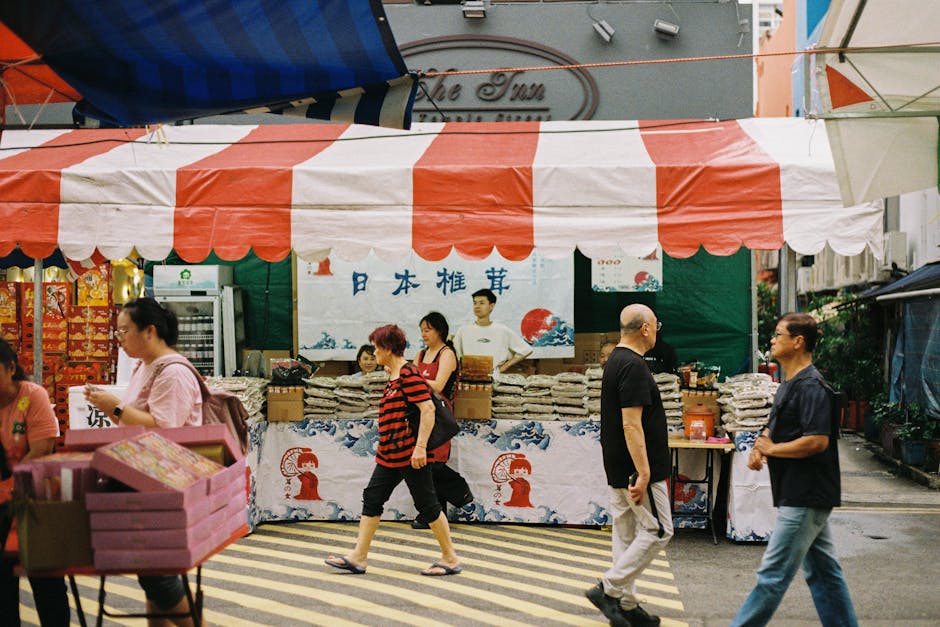
Chinatown blends heritage with commerce. The Chinatown Street Market on Pagoda Street sells traditional Chinese medicine, silk fabrics, and handicrafts. For modern shopping, head to People’s Park Complex, known for its electronics and bargain clothing.
This area is especially lively during Chinese New Year, when decorations and pop-up stalls transform the streets. Don’t miss the Buddha Tooth Relic Temple nearby, which adds cultural context to your visit.
Marina Bay: Luxury and Views
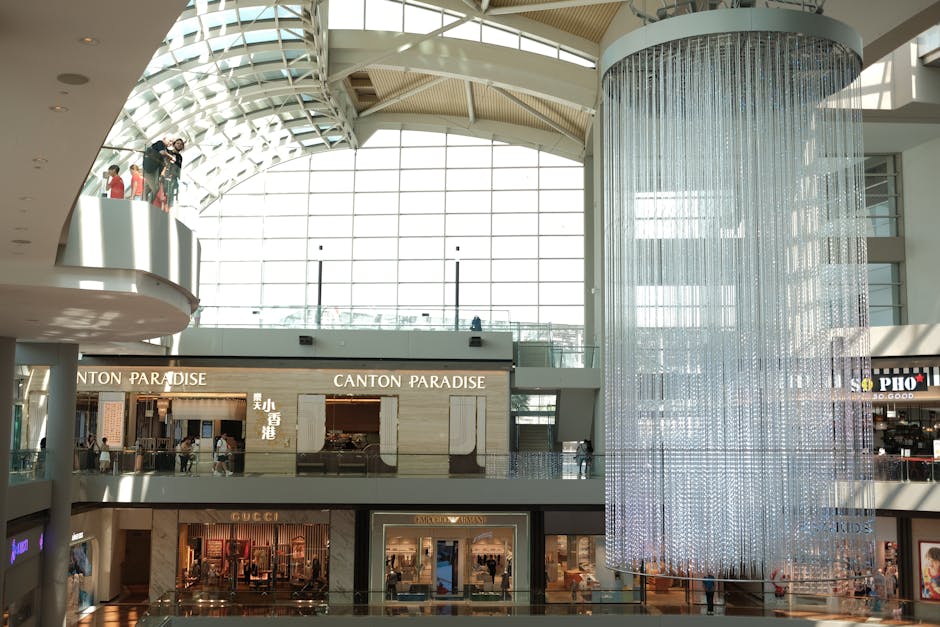
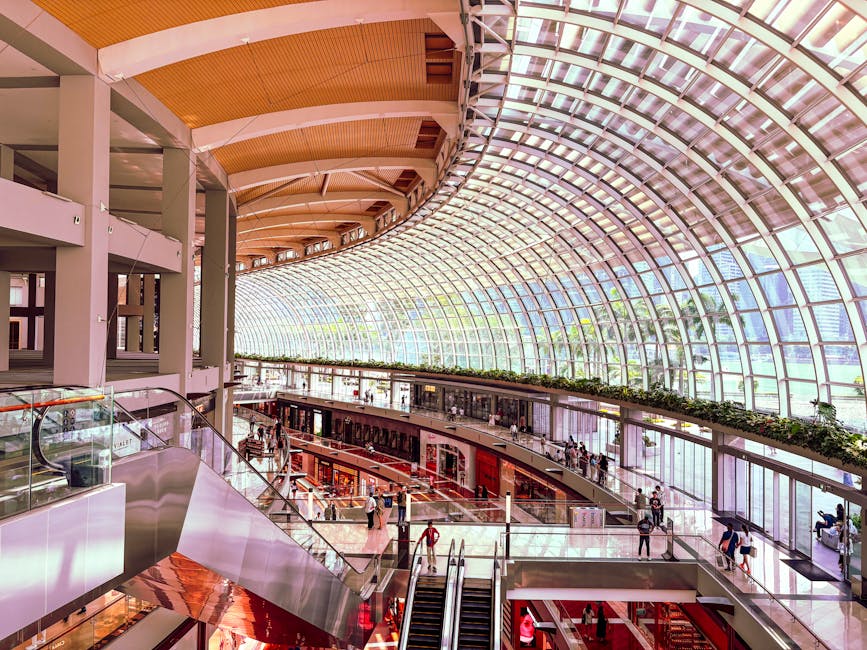
Marina Bay Sands and The Shoppes at Marina Bay Sands offer high-end shopping with a view. This area caters to luxury shoppers, with boutiques from Prada, Gucci, and Rolex. The mall also features gourmet dining and an indoor canal with sampan rides.
While prices are steep, the architecture and ambiance make it worth a visit even if you’re not buying. The ArtScience Museum and rooftop infinity pool are nearby attractions that complement a shopping trip.
What to Buy in Singapore
Singapore offers a wide range of products that reflect its multicultural identity. From tech gadgets to traditional crafts, knowing what to look for helps you shop smarter.
Electronics and Gadgets
Singapore is a hub for electronics, with competitive pricing and reliable warranties. Mustafa Centre in Little India is a 24-hour electronics store offering cameras, smartphones, and accessories. Sim Lim Square in Rochor is another popular spot, though caution is advised due to occasional reports of overcharging.
Always check warranty terms and compare prices across stores. Buying from authorized retailers ensures authenticity and after-sales support.
Fashion and Apparel
Singapore’s fashion scene blends global trends with local flair. Local designers like Charles & Keith and Love, Bonito have flagship stores in Orchard Road and Bugis. These brands offer stylish footwear and clothing at mid-range prices.
For unique pieces, explore indie boutiques in Haji Lane, a narrow street in Kampong Glam filled with vintage shops and emerging designers. The area has a bohemian vibe and is perfect for one-of-a-kind finds.
Souvenirs and Local Goods
Bring home a piece of Singapore with locally made souvenirs. Popular items include bak kwa (grilled pork jerky), TWG tea, and orchid-themed products. Chinatown Complex and Tekka Centre are great places to sample and buy these goods.
Look for items with the “Singapore Heritage” label, which indicates authenticity and local craftsmanship. Avoid mass-produced trinkets that lack cultural value.
Beauty and Skincare
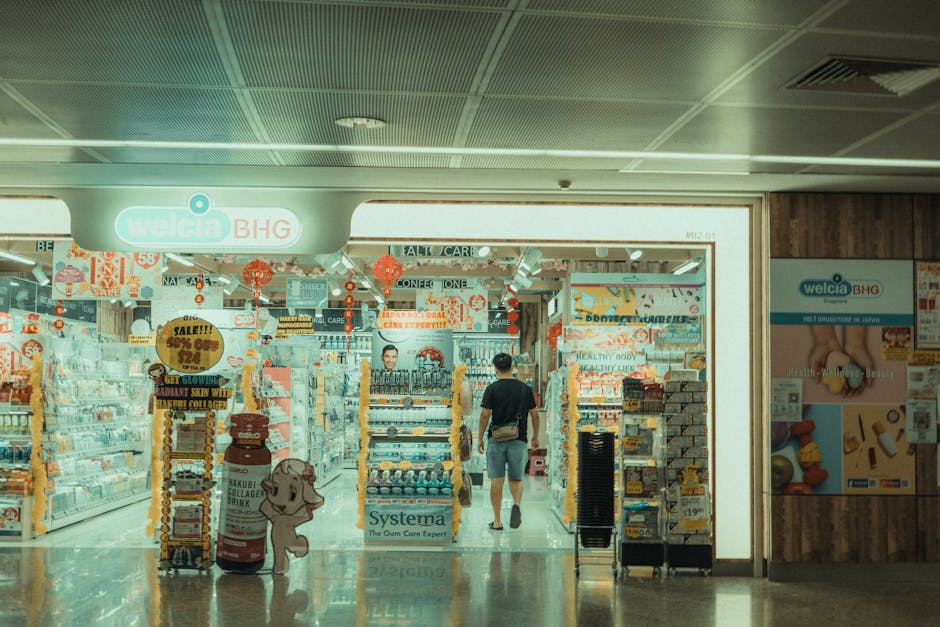
K-beauty and J-beauty products are widely available in Singapore. Watsons and Sasa carry a broad range of affordable skincare, while Isetan and Takashimaya stock premium Japanese brands. Don’t miss local brands like Scent by SIFU, which offer artisanal fragrances.
Many stores offer free samples and testers. Take advantage of in-store consultations to find products suited to your skin type.
Shopping Tips and Practical Advice
To shop efficiently and safely in Singapore, keep a few key tips in mind. Planning ahead and understanding local norms can save time and money.
Best Time to Shop
The Great Singapore Sale, held annually from June to August, is the best time for deals. Major retailers offer discounts, and many malls extend their hours. Chinese New Year (January or February) and year-end holiday sales also bring significant markdowns.
Avoid shopping during major festivals like Deepavali or Hari Raya if you dislike crowds. Malls remain open, but parking and public transport can be congested.
Payment and Tipping
Singapore uses the Singapore dollar (SGD). Credit cards are widely accepted, but carry cash for street markets and small vendors. Mobile payments like Apple Pay and Google Pay work in most malls.
Tipping is not customary in Singapore. A 10% service charge is typically included in restaurant bills, but not in retail settings. No additional tip is expected when shopping.
Tax Refunds for Tourists
Tourists can claim a Goods and Services Tax (GST) refund on purchases over SGD 100 from participating retailers. Look for the “Tax Refund” logo at checkout. Refunds are processed at Changi Airport before departure, either at self-service kiosks or refund counters.
Keep your receipts and ensure items are unused and packed in your carry-on. The refund is usually credited to your card or issued in cash.
Getting Around
Singapore’s public transport system is efficient and affordable. The MRT (Mass Rapid Transit) connects all major shopping districts. Use an EZ-Link or NETS FlashPay card for seamless travel.
Taxis and ride-hailing apps like Grab are also convenient, especially when carrying heavy bags. Avoid driving—parking is expensive and traffic can be heavy during peak hours.
Comparison of Top Shopping Malls
Below is a quick comparison of four popular malls to help you decide where to go based on your interests.
| Mall | Location | Best For | Price Range |
|---|---|---|---|
| ION Orchard | Orchard Road | Luxury brands, dining | High |
| Bugis+ | Bugis | Fashion, youth trends | Medium |
| People’s Park Complex | Chinatown | Bargains, electronics | Low to Medium |
| The Shoppes at Marina Bay Sands | Marina Bay | Luxury shopping, ambiance | High |
Safety and Etiquette
Singapore is one of the safest cities in the world, but it’s still wise to stay alert. Pickpocketing is rare but can occur in crowded areas like MRT stations and markets. Keep your belongings secure and avoid displaying large amounts of cash.
Respect local customs. Dress modestly when visiting religious sites like temples in Chinatown or Kampong Glam. Avoid loud conversations in malls and public transport.
Final Thoughts
Shopping in Singapore is more than just buying things—it’s an experience shaped by culture, convenience, and variety. Whether you’re splurging on luxury items or hunting for local treasures, the city offers something for every shopper.
Plan your itinerary based on your interests, take advantage of sales, and don’t forget to claim your tax refund. With this guide, you’re ready to explore the best shopping Singapore has to offer.
FAQ
Q: Is bargaining acceptable in Singapore’s malls?
A: No, bargaining is not common in malls. Prices are fixed, especially in chain stores and department stores. Bargaining is acceptable only in street markets like Bugis Street and Chinatown Street Market.
Q: Can I use my foreign credit card while shopping in Singapore?
A: Yes, most major credit cards are accepted in malls and larger stores. Inform your bank of your travel plans to avoid transaction blocks. Use cash or contactless payment for smaller vendors.
Q: Are there shopping areas open late at night?
A: Yes. Mustafa Centre in Little India is open 24 hours and sells electronics, groceries, and souvenirs. Some food courts and convenience stores in malls also operate late, especially near MRT stations.
